The Best Smoky Bright Roasted Salsa Verde Tomatillo Salsa
- Mastering the Depth of Flavor: Why We Roast Our Salsa Verde
- Essential Components for the Ultimate Roasted Salsa Verde
- From Preparation to Perfection: Making Roasted Salsa Verde
- Extending the Life and Uses of Your Homemade Salsa
- Troubleshooting and Frequently Asked Salsa Questions
- Recipe FAQs
- 📝 Recipe Card
Mastering the Depth of Flavor: Why We Roast Our Salsa Verde
If you have ever settled for a pale, watery dip, you know that not all Salsa Verde Recipe variations are created equal. The foundational secret to achieving complexity and balance in a great green sauce lies not in the blending, but in the cooking method.
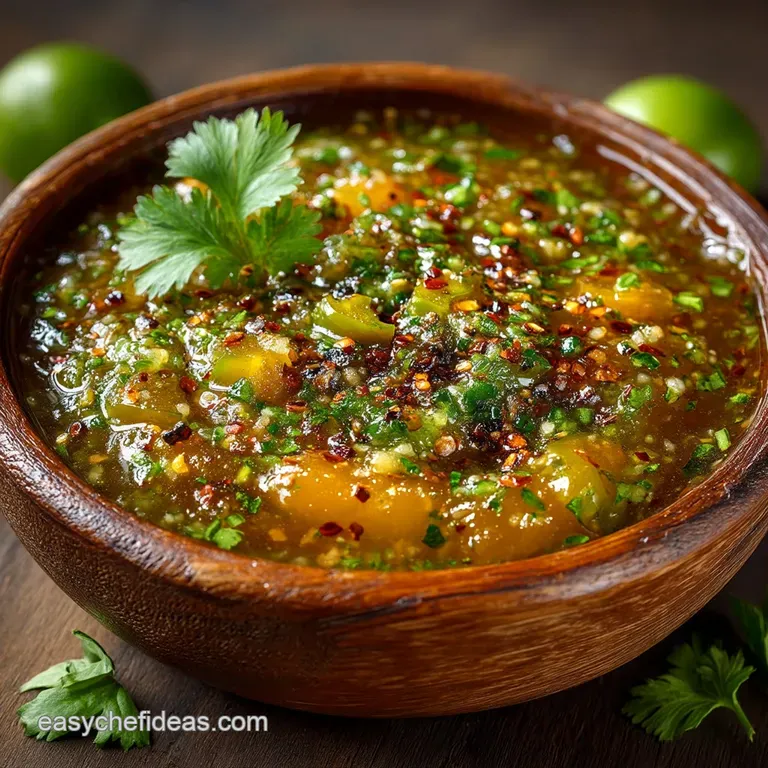
Our approach, creating a truly spectacular Roasted Salsa Verde , moves beyond simple freshness and harnesses the transformative power of heat. Roasting the vegetables is a traditional technique in Mexican cooking that yields a sauce that is deeply savory, smoky, and far more robust than its raw counterpart.
This process mellows the sharpness of the tomatillos, replacing aggressive acidity with a smooth, nuanced sweetness that is addictive.
Ditching the Raw Bite: The Chemistry of Roasting Tomatillos
The raw flavor of a tomatillo is intensely tart, driven by high levels of citric and malic acids. While this brightness is sometimes desirable, it can overwhelm other ingredients. By subjecting them to the fierce heat of the oven we preheat to 400°F (200°C) we initiate crucial chemical reactions.
This high heat caramelizes the vegetable’s natural sugars, causing the skin to blister and char in dark, flavorful pockets. These spots, often feared by novice cooks, are where the magic happens, delivering smoky depth and a savory umami note.
This controlled charring is what defines this excellent Homemade Roasted Tomatillo Salsa Verde , transforming it from a simple condiment into a complex sauce.
Tomatillo Truths: Distinguishing the Fresh vs. Roasted Experience
The difference between fresh and roasted preparation is immense. A fresh salsa verde relies entirely on the raw bite of the tomatillo and chile, offering a sharp, bright, forward flavor perfect for quick ceviche or raw dipping.
Our Roasted Tomatillo Salsa , however, is designed to be a centerpiece sauce. The resulting flavor profile is layered: it’s smoky from the char, sweet from the concentrated sugars, and still retains a pleasant, balanced tang from the remaining acidity.
This robustness allows the salsa to pair perfectly with rich meats and strong cheeses, where a raw salsa might disappear.
Essential Components for the Ultimate Roasted Salsa Verde
Building a magnificent salsa requires selecting the right produce and understanding how each ingredient will transform during the roasting and blending stages. We aim for approximately 3 cups (700 ml) of finished product, making careful measurement crucial.
Tomatillos and Chiles: Sourcing the Perfect Heat Balance
The foundation of this recipe is 1.5 pounds (680g) of husked and washed tomatillos. Look for firm, bright green fruits whose husks are beginning to peel back slightly, indicating ripeness. For the heat, the choice of chile is personal. We use 3 to 4 medium chiles.
If you prefer a moderately spicy salsa, stick with jalapeños; for serious fire and a truly Roasted Salsa Verde Recipe Mexican profile, opt for serrano peppers. Whichever you choose, keep the stems intact during the roasting process as they are easier to handle once the chiles are soft.
Herb Purity: Why Fresh Cilantro and Onion are Non-Negotiable
While the tomatillos and chiles handle the smoky flavor base, the aromatics provide structure and freshness. We roast half a medium white onion (85g), roughly quartered, alongside four large cloves of garlic.
Crucially, leave the papery skin on the garlic during roasting; this protective layer steams the garlic gently, turning it into a soft, sweet paste while preventing it from burning. The final, essential component is fresh cilantro (1 cup, loosely packed).
This must be added after the roast, during blending, to inject vital, raw green flavor that cuts through the smoke.
Quick Tool Check: Essential Equipment for a Smooth Blend
Making this Roasted Salsa Verde requires minimal equipment, but the right tools ensure efficiency and proper texture. You will need a large, heavy duty rimmed baking sheet, ideally lined with parchment paper or heavy foil for the easiest cleanup after the intense charring process.
For the final stage, a powerful blender is preferred over a food processor, as it achieves a smoother sauce consistency perfect for dishes like enchiladas. A food processor works fine if you desire a chunkier, more rustic dip texture.
Related Recipes Worth Trying
- The Ultimate Crispy ParmesanCrusted Roasted Brussels Sprouts — Tired of soggy sprouts Learn how to make roasted Brussels sprouts crispy with this Parmesancrusted recipe Totally addictive crunch Find the foolproof method...
- Roasted Turnips with MapleDijon Glaze Garlic Greens — Dont chuck those turnip tops Learn how to cook turnip greens alongside sweet roasted roots in this complete dish Its proper flavourful comfort food
- Golden Glory Perfectly Crispy oven-roasted Yukon Gold Potatoes — Achieve shatteringly crisp edges and fluffy interiors with this foolproof method for Roasted Yukon Gold Potatoes Learn the secret shake for the best texture
From Preparation to Perfection: Making Roasted Salsa Verde
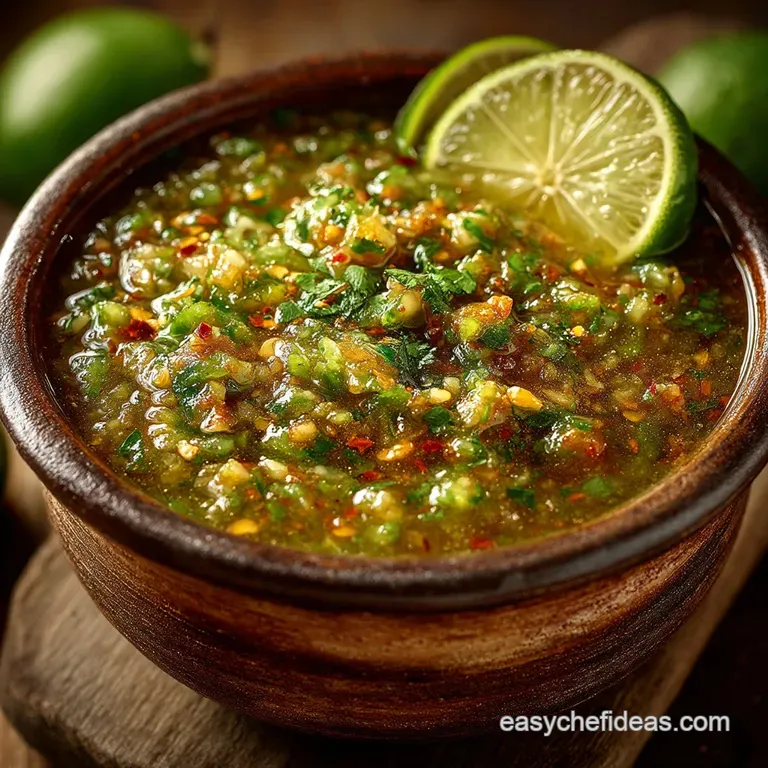
The process of learning How To Make Roasted Tomatillo Salsa Verde is simple, relying mainly on passive cooking time in the oven. The total time, from prep to serving, is about 45 minutes, with only 15 minutes of hands-on effort.
Prepping the Produce: Husking, Washing, and Arranging the Roast
The first step, after preheating your oven to 400°F (200°C), involves the tomatillos. Gently peel away the papery husks, then wash the sticky, protective film off the fruits under warm running water. Pat them dry to ensure they char rather than steam.
Arrange the prepared tomatillos, chiles, onion quarters, and skin-on garlic cloves on the oiled baking sheet. Drizzle everything with 1 tablespoon of olive oil and toss lightly until coated.
Achieving the Perfect Char: Temperature and Time Guidelines
Place the tray in the preheated oven. The vegetables need 18 to 20 minutes to reach their peak flavor state. You are looking for more than just softness; the tomatillos should be slightly shriveled and exhibit significant, dark pockets of char.
The chiles should be slightly softened, and the onion edges tender. This is the essence of a great Fire Roasted Tomatillo Salsa . Immediately remove the tray and let the vegetables cool for a mandatory 10 minutes.
Handling hot, roasted vegetables is dangerous, and blending hot tomatillos can lead to a slimy, pectin heavy salsa.
Blending Secrets: Adjusting Texture for Dip or Sauce Consistency
Once cooled, squeeze the sweet, soft garlic out of its papery skin and transfer all the roasted components (tomatillos, chiles, onion, peeled garlic) into your blender jug. Start by pulsing the mixture a few times. This critical initial stage creates a coarse sauce while protecting the texture.
If you want a smoother sauce for enchiladas, blend slightly longer, but always use the pulse function rather than running the blender continuously to avoid the "slime factor" caused by over processing the pectin.
If the resulting salsa is too thick, gradually add 2 to 4 tablespoons (30 60 ml) of water or broth until your desired consistency is reached.
The Final Taste Test: Seasoning and Acidity Adjustments
After achieving the right texture, introduce the raw elements: the fresh cilantro, 2 tablespoons (30 ml) of freshly squeezed lime juice, and 1 teaspoon of fine sea salt. Pulse 4 to 5 times until the cilantro is just incorporated you should still see bright green flecks.
The final and most important step is tasting. You may need to add a touch more salt to brighten the smoky flavors, or a little more lime juice to sharpen the necessary tartness. Allowing the salsa to rest for 30 minutes at room temperature before serving lets all the smoky and fresh elements truly marry.
Extending the Life and Uses of Your Homemade Salsa
This recipe yields a generous amount, making preservation a key consideration. Properly stored, your homemade Roasted Salsa Verde will last approximately five days in an airtight container in the refrigerator.
For those aiming for long term storage or preparing a large batch, this robust sauce is an excellent candidate for canning. While the precise pH and process requirements for safe, shelf stable preservation (using a pressure or water bath canner) require adherence to specific, certified guidelines, the roasting process itself is frequently used as the base for a safe Roasted Salsa Verde Recipe for Canning .
This allows you to lock in that deep, smoky flavor for months to come.
Troubleshooting and Frequently Asked Salsa Questions
Storage Solutions: Freezing vs. Refrigerating Salsa Verde
If you have made more salsa than you can consume within five days, freezing is a fantastic alternative to canning. Unlike many fresh sauces, this robustly flavored, cooked salsa freezes beautifully for up to three months without significant flavor degradation.
For easiest use, pour the cooled salsa into freezer safe containers or, for single serving portions, into ice cube trays. Once frozen, transfer the cubes to a freezer bag. This technique is perfect for adding a burst of flavor to soups, stews, or quick scrambles.
Dialing Up the Heat: Adjusting the Spice Level (Poblano vs. Serrano)
The overall heat profile of your salsa is entirely determined by your choice of chile and how you process it. For a mild sauce that still benefits from the roasted flavor, replace the jalapeños entirely with mild poblano peppers.
If you prefer the high octane heat of serranos but want to take the edge off, simply slice the roasted chiles open and scrape out the seeds and interior white membranes before blending. The vast majority of the capsaicin (heat) is concentrated there.
Menu Integration: Creative Ways to Use Roasted Salsa Verde (Beyond the Chip)
This complex, tangy sauce is too flavorful to reserve only for chips. Because the Roasted Salsa Verde Recipe Mexican flavor profile is so rich, it works incredibly well as a counterpoint to heavy dishes.
Use it as the star sauce for classic Enchiladas Suizas, where its acidity cuts through the richness of melted cheese and cream. It is the perfect accompaniment for fatty grilled pork like Carnitas or Al Pastor.
Beyond Mexican cuisine, try drizzling it over grilled salmon, or use it to transform your brunch by topping simple scrambled eggs or Huevos Rancheros.
Is It Safe to Use Browned Tomatillos? (A Roasting FAQ)
Absolutely, and it is entirely intentional! If your tomatillos have developed dark, even slightly blackened or blistered spots, you have achieved the perfect char. These deep colors are signs of the Maillard reaction completing, which is crucial for developing the savory, smoky depth that distinguishes true Fire Roasted Tomatillo Salsa from bland varieties.
Do not fear the char; embrace it, as that is precisely where the complex flavor lives.
Nutritional Overview and Dietary Notes
This salsa is naturally an excellent, guilt free topping. Based on a 1/4 cup (60 ml) serving, it contains a low caloric count (25 35 kcal), making it ideal for lighter meals. It is rich in dietary fiber (around 2g per serving) and naturally gluten-free and vegan.
The minimal fat content (1.5g) comes primarily from the olive oil used during the roasting process, contributing heart healthy monounsaturated fats. For those monitoring sodium, the salt content (approximately 120 mg) can be easily adjusted during the final taste test stage.
Recipe FAQs
Why bother roasting the vegetables? Isn't it faster just to boil them?
Roasting is the absolute heart and soul of the flavour profile for this brilliant Roasted Salsa Verde! It’s not just about cooking; it’s about flavour alchemy.
The high heat caramelises the sugars in the tomatillos and onions, reducing their raw acidity and lending that deep, smoky complexity you simply won't get from boiling. Boiling gives you a sharp, pale salsa, while roasting delivers character a real game changer.
Can I make a huge batch of this salsa and freeze it for later?
Absolutely, freezing is a cracking idea if you're keen on meal prep! Once the salsa is completely cooled, pour it into airtight containers, ensuring you leave a little headspace, or use ice cube trays for easy portion control. It keeps happily in the freezer for up to three months.
Just give it a gentle stir once thawed, as the consistency might separate a tiny bit, but it will still be perfectly safe and delicious.
I love the flavour, but I'm a bit of a lightweight how do I make this salsa milder?
Not to worry, we don't want anyone blowing their socks off! Most of the serious heat resides in the chilli seeds and inner membranes. To tone it down, simply slice the roasted jalapeños (or serranos) open before blending and scrape out those pesky seeds and white ribs.
This retains the lovely roasted flavour but drops the Scoville count significantly, making it much more palatable.
Help! My salsa looks a bit slimy or gloopy. What did I do wrong?
Ah, the pectin conundrum! Tomatillos contain natural pectin, and if you blend them while they are piping hot or run the blender continuously for too long, they can go a bit gluey. The secret is patience: always let the roasted ingredients cool down significantly (the 10-minute rest is crucial), and use the 'pulse' function on your blender, treating it like a gentle heartbeat, to maintain that desired rustic texture.
What are the best things to eat with this gorgeous sauce, besides tortilla chips?
This salsa is the ultimate utility player in the kitchen! It’s absolutely smashing spooned generously over simple scrambled eggs (hello, Huevos Rancheros!), or used as the foundational sauce for Chicken Enchiladas Suizas.
Try drizzling it over grilled halloumi, roasted vegetables, or pan-seared fish like cod or salmon its sharp, smoky acidity cuts through richness beautifully.
Lowfaff Roasted Salsa Verde Tomatillo
Ingredients:
Instructions:
Nutrition Facts:
| Calories | 831 kcal |
|---|---|
| Protein | 3.4 g |
| Fat | 38.2 g |
| Carbs | 32.6 g |
| Fiber | 13.7 g |
| Sodium | 13651 mg |
