Lightened Up Homemade Basil Pesto: Our Bright, Low-Oil 10-Minute Recipe
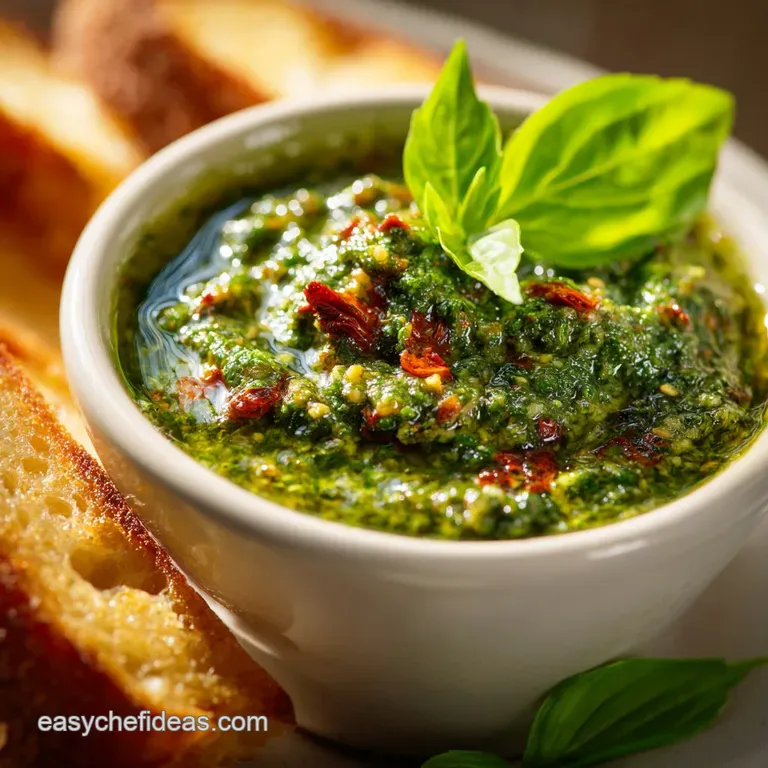
- The Italian Job: Introducing Bright & Light Homemade Basil Pesto
- The Science of Texture: Why This Low-Oil Pesto Still Tastes Creamy
- The Core Components for Lightened Up Homemade Basil Pesto
- Step-by-Step Guide: Crafting Your Vibrant Basil Pesto
- Troubleshooting Your Pesto: Common Mistakes and Chef’s Fixes
- Maximizing Shelf Life: Storage and Freezing Lightened Up Homemade Basil Pesto
- Beyond Pasta: Creative Ways to Serve Your Homemade Basil Pesto
- Recipe FAQs
- 📝 Recipe Card
The Italian Job: Introducing Bright & Light Homemade Basil Pesto
That incredible, peppery sweet basil scent is pure summer captured in a jar, right? When you finally grind those fresh, vibrant leaves with pine nuts and garlic, the aroma that fills your kitchen just sings. This is the definition of kitchen therapy.
Real, fresh pesto is the ultimate kitchen hack for busy weeknights, instantly elevating plain pasta, humble grilled fish, or even a simple piece of toast. It takes ten minutes, tops, and delivers flavor far beyond its minimal effort.
Why would anyone buy that dull, grey stuff in a jar when homemade bright green magic is this easy?
Now, let’s talk about the traditional version; it’s often an oil slick, delicious but overwhelming, resulting in a sauce that is far too heavy. I learned how to ditch the excess fat while keeping all the flavor.
Get ready for my Lightened Up Homemade Basil Pesto recipe that gives you the vibrant taste of Italy without the guilt.
The Science of Texture: Why This Low-Oil Pesto Still Tastes Creamy
This journey isn't just about cutting calories, though that’s certainly a nice bonus. This recipe is focused on making a better, brighter sauce that doesn't coat your mouth in a heavy film of oil, which is a common complaint.
Trust me, I made the mistake of drowning batches in EVOO before I figured out the secret to stable emulsification.
Ditching the Oil Slick: Why Traditional Pesto Can Be Too Heavy
Traditional Ligurian recipes often call for huge amounts of oil, which is historically correct but sometimes overwhelming with modern ingredients. Using too much olive oil mutes the sharp, necessary bite of the garlic and the essential sweetness of the basil itself.
The final result ends up dense and heavy, coating the pasta in fat instead of adhering beautifully.
The Secret to Intense Basil Flavor (Without the Fat)
Since we are dramatically reducing the amount of fat that typically acts as a flavor carrier, we need the volume of the greens to truly shine through. The crucial element here is using dry basil and adding a small burst of fresh lemon juice.
This small acid kick cuts through any lingering richness and helps lock in that incredible, intense basil taste.
What Makes This Pesto "Lightened Up"?
It’s simple kitchen geometry: we replace about half of the traditional olive oil requirement with pure volume (fresh baby spinach) and chilled liquid (ice water). This clever swap keeps the integrity of the sauce high volume and creamy without adding excessive fat.
It is truly the simplest ever pesto hack, yielding that bright homemade pesto everyone craves.
Emulsifying with Ice Water (The Blender Trick)
This technique is the biggest game changer. Instead of dumping in more olive oil when your pesto looks too thick, we slowly introduce ice water while the machine is running. The cold temperature helps stabilize the basil’s chlorophyll, resulting in that unbelievably vibrant green color, and encourages a tighter, creamier emulsion with the limited oil.
The Role of Spinach in Volume and Varnish
Don't panic about the spinach I promise you won't taste it, even slightly! The handful of baby spinach serves two important functions in this low-oil basil pesto recipe. First, it bulks up the total volume of the sauce dramatically, and second, its natural water content helps create a truly velvety, glossy "varnish" on the final sauce.
Mastering the Mortar and Pestle vs. Food Processor Debate
Look, I deeply respect tradition, but unless you’re making a tiny single serving or have forearms of steel, use the food processor. It provides the necessary high speed and minimal friction time to create a quick, stable emulsion without over processing the nuts and cheese.
Just be aware of friction heat , as running the motor too long is what makes your beautiful basil turn dark.
The Core Components for Lightened Up Homemade Basil Pesto
You only need seven main ingredients to create this bright homemade pesto magic. If you can, use the very best quality you can afford, especially for the olive oil and the cheese, since their flavors will be highly concentrated.
Essential Ingredient Checklist (Basil, Pine Nuts, Cheese, etc.)
- Fresh Basil Leaves (4 packed cups)
- Baby Spinach Leaves (1 packed cup, our volume secret)
- Pine Nuts (toasted is non-negotiable)
- Fresh Garlic Cloves (2 large)
- Aged Parmesan Cheese (grated fresh)
- high-quality Extra Virgin Olive Oil (EVOO)
- Ice Cold Water (our emulsifying star)
The Low-Oil Swap: Utilizing Ice Water and Fresh Spinach
This is where we cheat (in the best possible, lightest way). By integrating a cup of baby spinach and a few tablespoons of ice water, we are essentially extending the sauce and ensuring a creamy texture without requiring a heavy pour of oil.
This trick maintains the creamy texture and wonderful spreadability that proper pesto needs. This simple homemade pesto method saves dollars and fat grams simultaneously!
Ingredient Substitutions for Allergens and Dietary Needs
Life happens, and sometimes you just don't have pine nuts or maybe you need it to be completely dairy-free. Here are my tried and true substitutions for making the best Lightened Up Homemade Basil Pesto for everyone:
| Ingredient | Standard Substituted With... | Resulting Flavor Profile |
|---|---|---|
| Pine Nuts | Toasted Walnuts or Almonds | Nutty, slightly earthier, great texture, but can be a touch bitter. |
| Parmesan | Nutritional Yeast (2 Tbsp) | Umami rich, creamy, and 100% vegan; very convincing dairy swap. |
| Olive Oil | Grapeseed or Avocado Oil | Very neutral, allows the fresh basil flavor to really take center stage. |
Sourcing the Brightest Basil and Best Parmigiano Reggiano
Always look for dry, firm basil leaves; moisture is the enemy here. Never buy basil that looks wilted or is already wet in the packaging it will turn dark the minute the processor starts.
For the Parmesan, please skip the pre-grated plastic tubs; they contain anti caking agents that compromise the smooth, creamy texture. Freshly grated Parmigiano Reggiano, using a fine rasp grater, is absolutely worth the effort and the price tag.
step-by-step Guide: Crafting Your Vibrant Basil Pesto
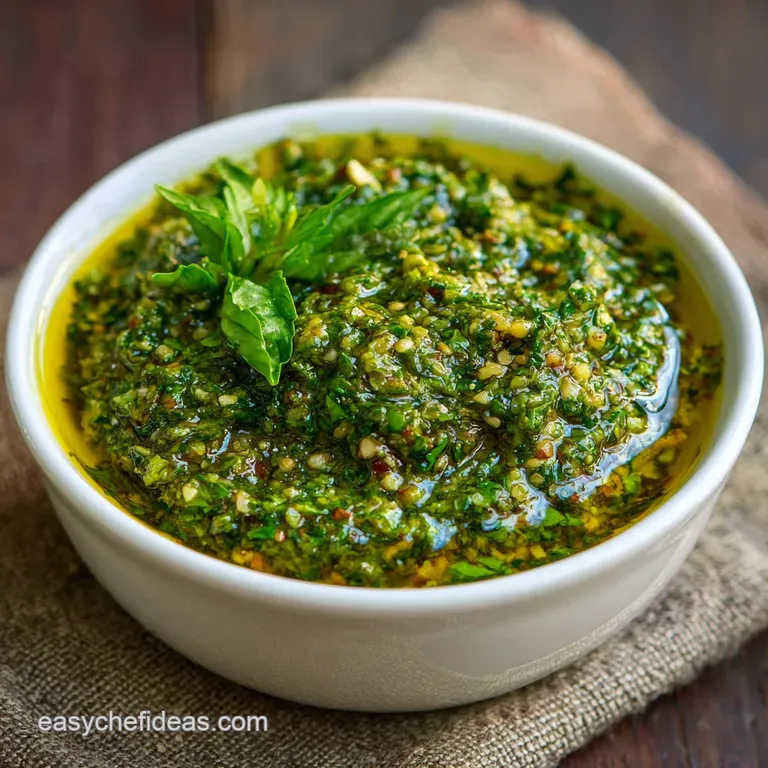
Preparing the Base: Toasting Nuts and Processing the Greens
First, toast those pine nuts in a dry pan over medium heat until they smell utterly buttery and divine about three minutes, tops. Immediately tip them out onto a cool plate so they stop cooking.
Once cooled, drop the pine nuts, garlic, and grated Parmesan into the processor bowl and blitz until they resemble coarse, moist sand.
Achieving the Perfect Consistency (The Ice Water Addition)
Add your thoroughly dried basil and spinach leaves to the processor, along with a teaspoon of lemon juice. Process this hard for about 45 seconds until it becomes a vibrant, thick green paste, stopping twice to scrape the sides down thoroughly.
Now, with the machine running on low speed, slowly drizzle the ¼ cup of olive oil through the feed tube.
Chef's Note: The slow, steady drizzle is absolutely non-negotiable when adding the oil. This builds the fundamental structure of the sauce, ensuring the finished Lightened Up Homemade Basil Pesto remains smooth, not gritty or separated.
Incorporating Cheese and Adjusting Seasoning
Once the oil is incorporated and the mixture looks thick, start spooning in the ice water, one tablespoon at a time, while the processor is running. You should see the sauce visibly loosen and become incredibly creamy, almost like a thick smoothie. Stop the machine to taste!
Adjust the salt and pepper until it perfectly sings with bright, savory flavor.
Final Polish: Using the Pesto Immediately or Storing
If you aren't using the fresh basil pesto sauce right this minute, transfer it quickly to a clean jar. Pesto oxidizes incredibly fast, which is why that beautiful, hopeful green can turn brown. I swear by covering the surface directly with cling film or floating a thin layer of olive oil on top before sealing the lid.
Troubleshooting Your Pesto: Common Mistakes and Chef’s Fixes
Why Your Pesto Turned Brown (Oxidation Prevention)
This is the most frequent crime committed against good pesto! Exposure to air, especially combined with friction and heat from the food processor, causes the basil to oxidize quickly. The Fix: Work swiftly, use cold ingredients (especially that crucial ice water!), and immediately cover the finished pesto with a thin layer of olive oil to seal out the air. If you're serious about maintaining maximum vibrant green color, you might want to check out the professional blanching technique, similar to what I use in my guide on Basil Oil The Chefs Technique for Vibrant Emerald Green Infusion .
Avoiding the Bitter Aftertaste (Nut Preparation)
A bitter pesto usually indicates that you didn't toast your pine nuts, or worse, you burnt them in your haste. Burnt nuts inject awful, acrid flavor into the entire batch.
The Fix: Toast your pine nuts gently until they are fragrant and lightly golden, then ensure they cool completely before you process them.
The Blender Is Running Hot: Managing Heat and Friction
If you’re using a high powered blender instead of a food processor, the friction can generate significant heat. This heat essentially cooks the basil, turning it dull green or even muddy brown.
The Fix: Process in short bursts, giving the machine a short 30 second break between steps, and definitely ensure all your ingredients are chilled beforehand.
Maximizing Shelf Life: Storage and Freezing Lightened Up Homemade Basil Pesto
Refrigerator Storage: The Essential Olive Oil Barrier Trick
Your fresh basil pesto sauce will keep beautifully in the refrigerator for about 5 to 7 days. Transfer the low-oil basil pesto recipe to an airtight container and then press a piece of plastic wrap directly onto the surface, ensuring you eliminate all air bubbles.
For maximum vibrancy, pour a very thin, clean layer of good quality EVOO over the surface before you seal the lid tightly.
Freezing Pesto in Cube Portions
But does it freeze well? You bet it does, and this is my preferred way to preserve that incredible summer flavor for the winter months! Spoon the bright homemade pesto into standard ice cube trays and freeze them until they are solid.
Once frozen, pop the cubes out and transfer them to a dedicated freezer bag, labeling clearly with the date. They keep perfectly for up to six months!
Reviving Pesto That Has Separated
Because this version is a low-oil pesto, slight separation can happen, particularly after cold refrigeration. Don’t worry; it is absolutely still delicious! Just spoon the pesto into a mixing bowl and whisk vigorously with a fork, or add one teaspoon of warm water and stir until the emulsion comes back together smoothly.
Beyond Pasta: Creative Ways to Serve Your Homemade Basil Pesto
You already know the classic application tossing it through hot, fresh linguine. But honestly, this vibrant, lightened-up sauce deserves to go everywhere! This low-oil basil pesto recipe is perfect for layering flavor without that typical heavy richness.
Instead of plain butter, slather this pesto on thick slices of French bread before grilling it for an instant side it's phenomenal alongside this Bruschetta with Tomato and Basil The Ultimate Fresh Italian Appetizer . You can also stir a single tablespoon into scrambled eggs for a massive flavor boost in the morning.
Need a weeknight hero? Use this as the vibrant topping and binding sauce for my famous Baked Pesto Chicken The Ultimate Cheesy Breast Recipe 40 Mins . The lightness of this specific version really lets the basil notes sing against the cheese and protein. It’s also amazing just mixed into plain Greek yogurt for a quick, savory dip!
Recipe FAQs
Why did my homemade pesto turn dark or brown after a few hours?
Pesto oxidizes very quickly when exposed to air, which causes the basil to brown. To prevent this, ensure you work quickly, use ice-cold water during processing, and immediately store the finished pesto with a thin layer of olive oil or plastic wrap pressed directly onto the surface before refrigerating.
I don't have pine nuts. What can I substitute for the traditional nuts?
Walnuts and almonds are excellent substitutions for pine nuts, offering a similar buttery texture and rich flavor when toasted lightly. If you need a completely nut-free version, try using raw sunflower seeds or pumpkin seeds (pepitas) instead.
How can I make this 'lightened up' pesto completely vegan or dairy-free?
To make this pesto vegan, simply replace the Parmesan cheese with 2 tablespoons of nutritional yeast to provide a cheesy, savory depth. Alternatively, you can omit the cheese and replace it with a generous squeeze of lemon juice to ensure the pesto remains bright and vibrant.
My low-oil pesto seems too thick or dry. How do I adjust the consistency?
Since this recipe relies on ice water instead of excessive oil for emulsion, consistency adjustments are easy. If the pesto is too thick, pulse in 1 additional tablespoon of ice water at a time until the desired spoonable texture is achieved. Avoid adding too much oil, as that defeats the purpose of the lighter recipe.
Why is spinach included in this traditional recipe, and does it change the flavor?
Spinach is the secret weapon for lightening this recipe, as it adds bulk, fiber, and nutritional value without contributing heavy fats. It helps maintain a beautiful green hue and creamy texture, allowing us to reduce the amount of expensive basil and high calorie olive oil.
Can I use dried basil instead of fresh basil if I’m short on ingredients?
Fresh basil is absolutely essential for both the vibrant color and the authentic, intense flavor of pesto; dried basil is not recommended as a substitute. If you are short on fresh basil, try using a mix of half basil and half fresh flat leaf parsley instead.
What is the best way to store or freeze the 'Lightened Up' Pesto?
Stored in an airtight container in the refrigerator, this pesto will last for 5 7 days, provided the surface is covered to prevent browning. For longer storage, freeze the pesto in small portions using ice cube trays; once frozen, transfer the cubes to a freezer bag where they will keep well for up to 6 months.
Lightened Up Homemade Basil Pesto
Ingredients:
Instructions:
Nutrition Facts:
| Calories | 360 kcal |
|---|---|
| Protein | 17.6 g |
| Fat | 30.1 g |
| Carbs | 12.2 g |
