Turkey Meatloaf: the Chefs Secret for an Incredibly Juicy Loaf
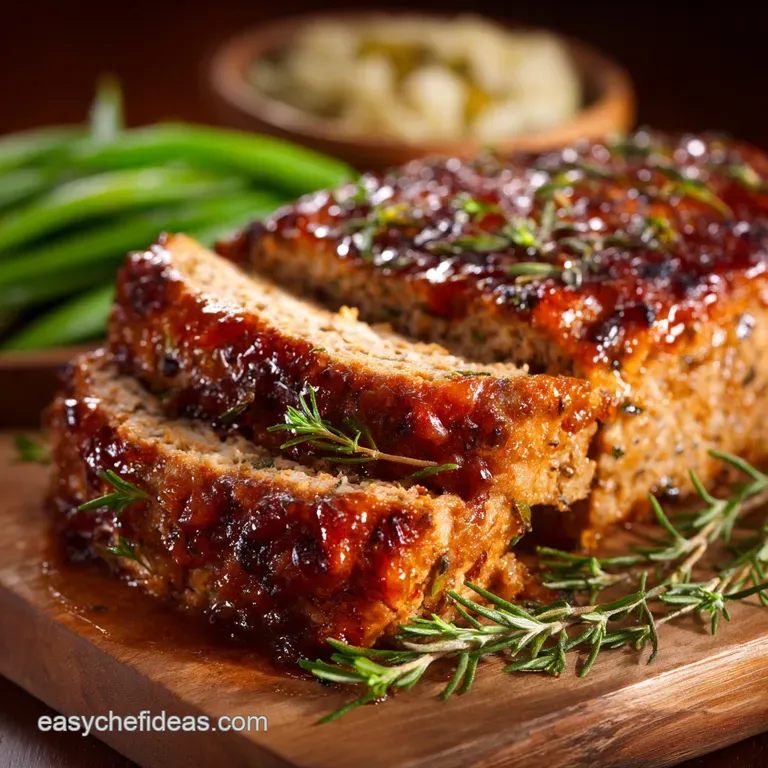
- Elevating Turkey Meatloaf: Say Goodbye to Dry Dinners
- Gathering Your Mise en Place for Perfect Turkey Meatloaf
- Step and by-Step: Prepping the Meatloaf Base
- Baking and Glazing for Optimal Texture
- Expert Tips for a Flawless Meatloaf Result
- Extending the Life of Your Comfort Food
- Recipe FAQs
- 📝 Recipe Card
Elevating Turkey Meatloaf: Say Goodbye to Dry Dinners
Okay, let’s talk meatloaf. Specifically, turkey meatloaf. For years, I avoided it, convinced it was destined to be a grayish, dry lump that tasted vaguely of sadness and desperation. You know the kind.
But if you’re trying to integrate more ground turkey recipes into your routine (hello, healthy low carb dinners!), you have to solve the moisture problem first. Because honestly, nobody wants dry turkey.
This recipe is the culmination of years of mistakes, burnt bottoms, and overly crumbly messes. We’re aiming for a juicy turkey meatloaf recipe that tastes rich, savoury, and doesn't require a vat of gravy to survive.
The Secret Weapon: Mastering the Panade Technique
Look, every time I post a lean ground meat recipe, someone asks, "Why are you putting bread in it?" The answer, my friends, is moisture science. The panade (which is just bread or panko soaked in milk) is the absolute key to keeping lean meat juicy.
When the meatloaf cooks, the proteins squeeze and contract, pushing out moisture. The panade acts like a sponge, soaking up that moisture and fat, and then releasing steam back into the meat as it bakes. It’s brilliant.
CRUCIAL TIP: Use whole milk if you can. It adds just enough fat to help tenderize the mixture further. If you use non and fat milk, you might as well just use water.
Why Aromatics are Crucial for Flavor Depth
You can’t just toss raw onions into the meat mixture. I did that once. My kids complained about the crunchy raw bits, and the flavour profile was sharp and harsh. Rookie mistake.
We need to sauté the onions and celery low and slow until they are completely translucent and soft (I mean really soft, like they're practically melting). This releases their natural sugars and deepens the savoury base, meaning you rely less on salt and binding sauces.
Plus, cooking them down removes excess water, preventing a soggy bottom.
A Glaze That Truly Sings: Balancing Sweet and Sour
If your meatloaf glaze is just ketchup and brown sugar, you’re missing out on the satisfying tang that cuts through the richness of the meat. I’m telling you, incorporating apple cider vinegar and a bit of Dijon mustard transforms the standard sweet crust into something truly dynamic.
The vinegar keeps it bright, and the mustard adds a savory kick. We apply this beautiful concoction in two stages to ensure a thick, caramelized layer that locks in moisture during the final bake.
Gathering Your Mise en Place for Perfect Turkey Meatloaf
When I talk about mise en place (everything in its place), I mean measuring before you start messing with the ground turkey. Once the meat is in the bowl, you need to work quickly and gently.
Essential Building Blocks: The Turkey and Binders
You need to commit to the fat. Seriously. If you are aiming for a juicy turkey meatloaf recipe, do not, under any circumstances, buy 99% lean ground turkey. That’s for gym rats, not flavour fanatics. Aim for 85/15 ground turkey.
It might add a few calories, but it guarantees texture and juiciness that makes this whole recipe worth the effort. For the binder, make sure you have your white bread ready for soaking (crusts off, please we’re fancy here) or your panko breadcrumbs.
| Component | Why It Matters |
|---|---|
| 85/15 Ground Turkey | Fat = Flavour and Moisture. Non and negotiable. |
| Whole Milk | Activates the panade, tenderizes the meat. |
| Worcestershire Sauce | Hidden umami bomb. Don't skip it. |
What You Need for the Signature Tangy Glaze
The glaze is the last step that ties the whole meal together. It needs to be simple to mix and aggressive in flavour. We’re using basic pantry staples here: Ketchup, light brown sugar for depth, apple cider vinegar for the necessary acidic punch, and Dijon.
I prefer Dijon over standard yellow mustard because it's slightly more complex.
Choosing the Right Equipment: Loaf Pan Selection
A standard 9 x 5 inch loaf pan is perfect. I always, always line it with parchment paper, leaving generous overhang handles. Why? Because trying to pry a hot, sticky, heavy meatloaf out of a pan without destroying its glorious crust is an impossible task.
Parchment handles make the transfer stress and free.
Step and by-Step: Prepping the Meatloaf Base
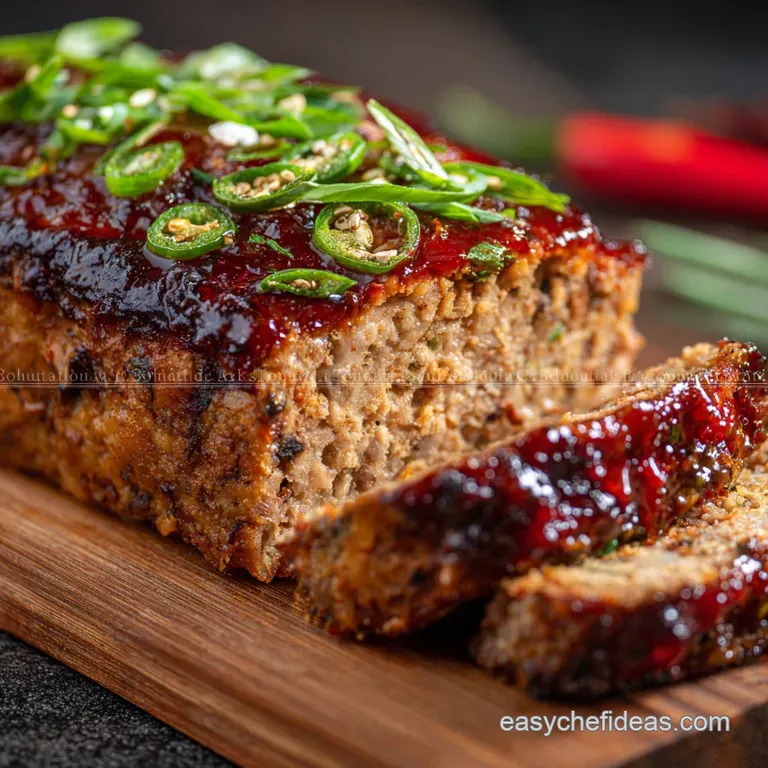
Let’s crack on. This is where we lay the foundation, and where we practice restraint (i.e., not overmixing).
- Panade First: Get that milk and bread soaking. Mash it up so it’s totally broken down into a porridge consistency. Set it aside to look disgusting for a moment.
- Sauté Slowly: This is the longest step, but the most important.
- Cool: Once the aromatics are soft, spread them out on a plate or in the skillet and let them cool while you prep the rest of the ingredients. You cannot add hot stuff to cold raw meat. Trust me on this.
Related Recipes Worth Trying
- Inside Out Turkey Cheeseburger The Secret to Juicy Ground Turkey Recipes — The Inside Out Turkey Cheeseburger solves the dry patty problem by stuffing molten cheese inside Perfect your Grilling Recipes with this delicious Ground...
- Turkey Enchilada Stuffed Poblanos Rellenos Baked Healthy — Make Turkey Enchilada Stuffed Poblanos Rellenos tonight This recipe delivers a smoky lighter take on Chile Rellenos using tender roasted poblanos and...
- Turkey Sweet Potato Shepherds Pie Recipe Healthy Autumnal Comfort — Turkey Sweet Potato Shepherds Pie is the ultimate healthy comfort dish Our Ground Turkey Sweet Potato Shepherds Pie uses a vibrant sweet potato topping and...
Baking and Glazing for Optimal Texture
We bake this in two phases: the unglazed firm and up, and the glazed caramelization.
Sautéing Aromatics to Release Maximum Flavour
Melt the butter, then add your diced celery and onion. Keep the heat medium and low. This should take 8 to 10 minutes. If you rush this step, the veggies will still hold moisture and won’t release their full sweetness, which is a major flavour loss.
Add the garlic right at the end (about 60 seconds) so it doesn't burn.
The Gentle Mix: Combining Ingredients Without Overworking
This is the moment of truth. In your big bowl, you've mixed your eggs, seasoning, the cooled panade, and the cooled aromatics. Now, introduce the ground turkey. Use your hands, but treat the turkey like it’s a delicate baby bird. Fold the mixture together.
The moment the ingredients are just incorporated, and you don't see any big white pockets of panade or green chunks of parsley, stop mixing immediately. Overworking develops gluten and like proteins in the meat, making your meatloaf tough and dry. We want tender, not rubbery.
Forming the Loaf and Preparing the First Bake
Transfer the mixture to your lined loaf pan. Don't press it down like you’re compacting dirt. Gently smooth the top, ensuring it’s evenly distributed, but don’t pack it tightly. A tighter pack means a tougher loaf.
We bake it unglazed for 30 minutes at 350°F (175°C) to help the structure set before we apply the sugary glaze.
Applying the Glaze for That Perfect Caramelized Finish
Mix up that tangy ketchup glaze. After 30 minutes, pull the loaf out and brush about half of the glaze generously over the top. This first layer sets during the bulk of the remaining cooking time, forming a deep, sticky crust.
If you want an extra and shiny, fresh glaze look, brush the remaining half on during the last five minutes of cooking, or right after you pull it from the oven.
The Final Rest: Why Internal Temperature Matters
You’ll know it’s ready when the edges are nicely browned and the internal temperature hits 160°F (71°C). Yes, 160°F. The turkey must reach 165°F (74°C) to be safe, but we rely on carryover cooking.
Pull it at 160°F and let it rest for 10 minutes, still in the pan. The residual heat will finish the cooking, pushing it past 165°F, resulting in a significantly juicier finished product.
Slice too early, and all that beautiful moisture you worked so hard for will run right out onto the cutting board.
Expert Tips for a Flawless Meatloaf Result
Here are a few quick takeaways that really separate the good meatloaves from the magnificent ones:
- Go Free and Form: If you prefer a crunchier, more caramelized exterior (and faster cooking time), skip the loaf pan entirely. Form a loaf shape directly on a baking sheet lined with foil or parchment. This exposes more surface area to the heat.
- The Temp Check is Law: Seriously, grab a meat thermometer. Relying on visual checks is asking for trouble with turkey.
- Prevent Cracking: If your loaf cracks severely during baking, it often means it was packed too tightly or cooked too hot. Next time, mix more gently and check your oven temperature.
- Make it Meatloaf Muffins: Bake the mixture in a standard muffin tin (350°F for 25 minutes) for perfect portion control and maximum crusty surface area.
Extending the Life of Your Comfort Food
This juicy turkey meatloaf recipe makes a decent amount, which is great for leftovers.
Troubleshooting Common Meatloaf Issues (Cracking, Crumbling)
If your meatloaf crumbles when you slice it, you probably didn't have enough binder (make sure your eggs were large and the panade was thick enough). If it cracked right down the middle, you likely compacted the meat too much into the pan. Give it some breathing room next time!
Also, ensure you are resting it properly a loaf that crumbles often hasn't set completely.
Serving Suggestions: Pairing Sides with Your Tangy Main
Nothing beats the classics, right? A rich main course like this needs something light or something creamy to balance it out.
- Mashed potatoes are a must. Skip the low and fat versions here and go for proper, butter and rich spuds.
- Roasted root vegetables (carrots, parsnips) tossed in a little thyme.
- A side of green beans tossed with toasted almonds. That crunch is welcome.
Freezing and Reheating Turkey Meatloaf Safely
This freezes beautifully. Cool the entire loaf completely, then wrap tightly in plastic wrap, followed by foil. It will last up to 3 months. When reheating, I prefer slicing the cold meatloaf first, then laying the slices on a baking sheet, covering loosely with foil, and baking at 300°F (150°C) until warmed through (about 15- 20 minutes).
This prevents the entire loaf from drying out when reheated.
Flavor Variations: Swapping Herbs and Spices
Want to switch things up? Swap out the herbs and spices for a completely different meal profile. To make a low carb dinner version, simply skip the bread/panko and use a tablespoon of psyllium husk powder mixed with the milk instead (it works surprisingly well as a binder!).
Nutritional Snapshot and Meal Prep Considerations
Since we're using turkey, this is naturally a healthy turkey meatloaf recipe compared to many beef versions, particularly if you portion control that delicious glaze. It’s high in protein, which makes it an ideal star for your meal prep.
I usually slice the cold loaf into six portions and freeze them individually to grab for quick lunches. A slice of this, a side of cauliflower mash (for the low carb option), and some steamed veggies? That's a perfect weeknight win.

Recipe FAQs
Right then, why is everyone always saying Turkey Meatloaf is dry, and how does this recipe fix that?
It typically dries out because lean turkey lacks the fat of beef, and people often overmix it, resulting in a rubbery texture. We fix it by insisting on 85/15 ground turkey, incorporating a milk soaked bread panade for moisture, and ensuring the mixture is handled with a proper gentle touch think folding, not kneading, old bean.
How do I know if the Turkey Meatloaf is safely cooked through without overdoing it?
A meat thermometer is your absolute best mate here: the centre of the loaf must register 160°F (71°C) when you remove it from the oven, as it will climb to the safe 165°F (74°C) standard while it rests for ten minutes.
I fancy making this on Sunday. Can I prepare the mixture ahead of time, and how long do the leftovers keep?
You can mix and shape the loaf one day ahead; cover it tightly in the loaf pan and keep it chilled until you are ready to bake. Leftovers are brilliant for sandwiches and will keep safely in an airtight container in the fridge for 3-4 days.
Why do we only apply the tangy glaze halfway through the baking time?
The glaze is packed with sugar, so applying it too early means it will likely char or burn before the meatloaf is cooked through; applying it later allows it to caramelise beautifully for that perfect finish.
I need to swap out the breadcrumbs/panade; what’s the best replacement for the starchy binder?
The panade is crucial for a tender texture, but if you are short on bread, use 1/2 cup of quick cooking rolled oats soaked in the milk, or substitute 1/2 cup of finely crushed crackers or gluten-free breadcrumbs.
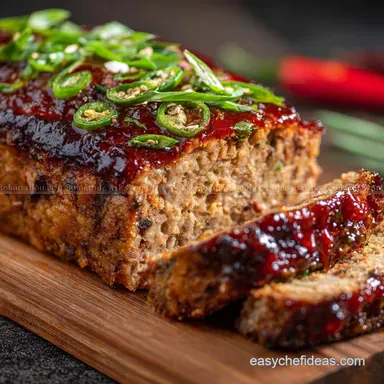
Juicy Turkey Meatloaf With Tangy Glaze
Ingredients:
Instructions:
Nutrition Facts:
| Calories | 626 kcal |
|---|---|
| Protein | 20.0 g |
| Fat | 35.0 g |
| Carbs | 65.0 g |
