Italian Chicken Marinade: Zesty & Velvety
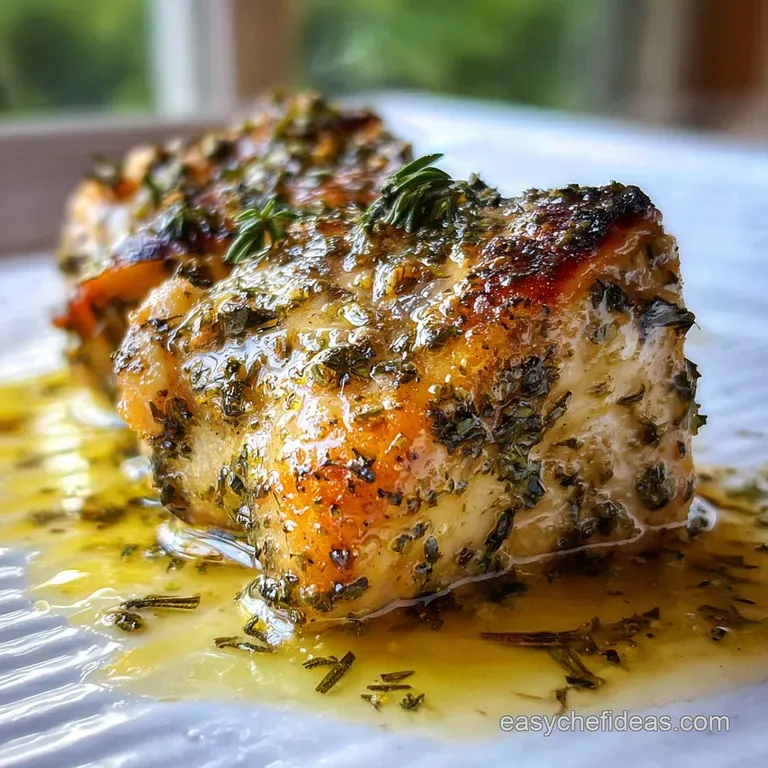
- Time: Active 10 mins, Passive 30 mins, Total 40 mins
- Flavor/Texture Hook: Zesty, herby, and velvety
- Perfect for: Weeknight meal prep or summer grilling
- The Best Zesty Italian Chicken Marinade
- Aroma Led Flavor Profile and Description
- The Chemistry of Meat Tenderization
- Core Specifications and Timing
- Deep Dive into Flavor Components
- Necessary Tools for Culinary Success
- Precision Steps for Juicy Results
- Solving Common Textural Issues
- Adjusting Ratios for Every Crowd
- Myths Surrounding the Marinating Process
- Long-Term Freshness and Waste Prevention
- Ideal Pairings for This Recipe
- Italian Chicken Marinade FAQs
- 📝 Recipe Card
The Best Zesty Italian Chicken Marinade
You know that specific, mouth watering scent when you walk past a neighborhood trattoria? It’s that sharp, punchy aroma of red wine vinegar hitting a hot surface, mingled with the earthy sweetness of dried oregano and garlic. For years, I struggled to get that exact vibe at home.
My chicken always turned out either "fine" but forgettable, or worse, so vinegary it made my eyes water. I used to think the secret was just buying a bottle of the pre made stuff, but honestly, that’s usually just corn syrup and soybean oil masquerading as tradition.
After a particularly disastrous dinner party where I served what can only be described as "lemon flavored rubber," I realized I was overcomplicating the ratios. This Italian Chicken Marinade is the result of those failures.
It’s a balanced, emulsified blend that actually penetrates the meat rather than just sliding off the surface. We’re talking about chicken that has a velvety finish and a crust that sears beautifully whether you’re using a grill or a heavy cast iron skillet.
Trust me, once you see how the Dijon mustard binds the oil and vinegar into a creamy liquid, you’ll never go back to the separated, oily messes of the past. It’s about building a flavor profile that nourishes the soul and brings people to the table.
We’re going to use real, pantry stable ingredients to create something that tastes like it took all day, but really only requires about ten minutes of your time and a bit of patience while the chemistry happens in the fridge.
Aroma Led Flavor Profile and Description
When you first whisk these ingredients together, the smell is incredibly sharp the vinegar and lemon juice lead the charge. But as you stir in the honey and the dried herbs, the scent softens into something much more complex. It's an earthy, floral fragrance that reminds me of sun drenched hills.
This isn't a subtle flavor; it’s bold, bright, and deeply savory. The red pepper flakes add just a tiny hum of heat that sits in the back of your throat without being overwhelming.
The texture of the chicken after using this Italian Chicken Marinade is the real star. The acidity works to break down those tough protein strands, resulting in a bite that's tender but still has a satisfying chew.
When the chicken hits the heat, the honey and the sugars in the balsamic (if you swap it) or red wine vinegar begin to caramelize. You'll hear that aggressive sizzle and smell the garlic begin to toast. It’s a sensory experience that signals a good meal is coming.
What I love most about this specific blend is its versatility. It’s not just for breasts; it works beautifully on thighs or even as a base for a Rustic Chicken Cacciatore recipe if you want to deepen those Italian roots. This dish is about bringing that sense of community to your kitchen. It's the kind of recipe you pass around because it just works every single time, no matter your skill level.
The Chemistry of Meat Tenderization
- Acidic Denaturation: The lemon juice and vinegar physically unwind the tightly coiled proteins in the chicken. This creates a more tender texture and allows moisture to move into the gaps between fibers.
- Emulsification Stability: Dijon mustard acts as a bridge between the oil and the vinegar, creating a thick coating. This ensures the aromatics stick to the meat rather than sinking to the bottom of the bowl.
- Osmotic Exchange: The kosher salt pulls juices out initially, then draws the seasoned liquid back into the cells. This seasons the chicken from the inside out, rather than just on the surface.
- Maillard Enhancement: Honey provides a small amount of reducing sugar that speeds up browning. This allows for a deep, golden crust to form before the interior of the chicken overcooks.
| Method | Cook Time | Key Texture | Best For |
|---|---|---|---|
| Grilling | 12-15 mins | Charred & smoky | Outdoor gatherings |
| Cast Iron | 14-16 mins | Crispy & golden | Maximum crust |
| Air Fryer | 18-20 mins | Evenly browned | Quick weeknights |
| Oven Baked | 20-25 mins | Juicy & tender | Large batch prep |
Choosing the right method depends on your schedule, but the cast iron skillet is my personal favorite for that restaurant style sear. The heavy metal retains heat so well that it creates a "shatter" effect on the skin or outer edges that you just can't get in a standard non stick pan.
Core Specifications and Timing
Before you start, make sure you have your timing down. While you can cook the chicken after 30 minutes, the sweet spot is really around the two hour mark. Any longer than six hours and the acid starts to "cook" the meat, giving it a mealy, unappetizing texture.
I’ve made the mistake of leaving it overnight before, and honestly, don't even bother it ruins the structural integrity of the poultry.
| Thickness | Internal Temp | Rest Time | Visual Cue |
|---|---|---|---|
| 0.5 inch | 165°F | 3 mins | Juices run clear |
| 1.0 inch | 165°F | 5 mins | Firm to the touch |
| 1.5 inch | 165°F | 8 mins | No pink in center |
Deep Dive into Flavor Components
The choice of oil matters immensely here. While a neutral oil works, a high-quality extra virgin olive oil adds a peppery, fruity backbone that defines the Mediterranean profile. It’s the difference between a flat flavor and one that has layers.
The garlic should be fresh; the jarred stuff has a metallic aftertaste that can clash with the bright lemon juice.
| Ingredient | Science Role | Pro Secret |
|---|---|---|
| Red Wine Vinegar | Protein softener | Use high-quality aged vinegar for less "bite" |
| Dijon Mustard | Emulsifier | Never skip this; it keeps the marinade from separating |
| Kosher Salt | Moisture retention | Salt by weight (1.5 tsp per 2 lbs) for precision |
| Dried Oregano | Microbial control | Rub between palms to release essential oils |
The honey might seem optional, but it’s the secret to that gorgeous color. It balances the sharp acidity of the vinegar and lemon. If you’re looking for a similar flavor profile in a different format, you might recognize these herbs from a Homemade Greek Seasoning recipe, which relies on that same earthy foundation.
Necessary Tools for Culinary Success
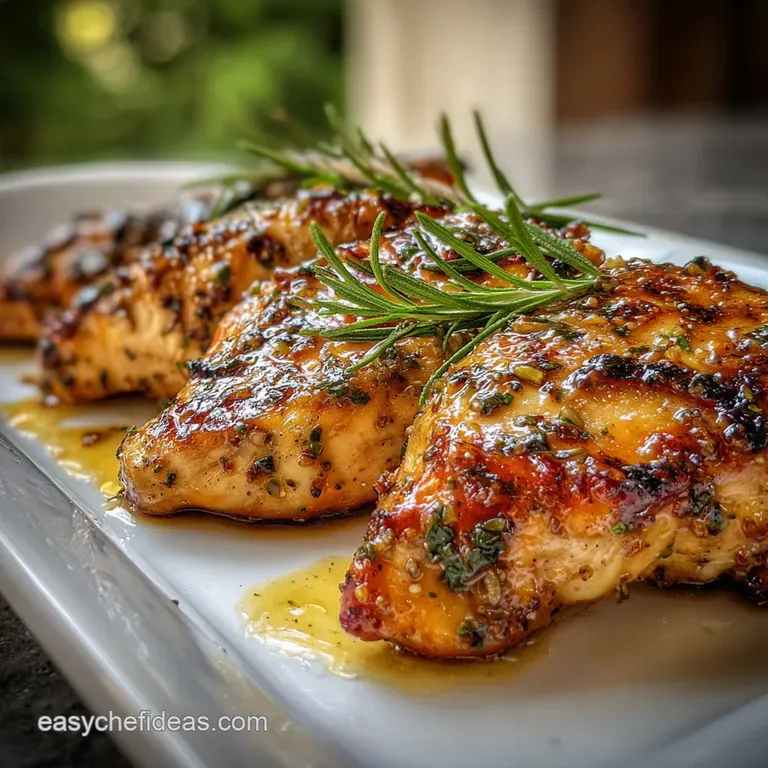
You don't need a high end kitchen to pull this off, but a few specific items make the process much smoother. A large glass bowl or a heavy duty zip top bag is essential. I prefer glass because it doesn't react with the acid in the vinegar.
If you use metal, make sure it's stainless steel, or you might end up with a faint metallic taste in your chicken.
Chef's Tip: Use a microplane to turn your garlic into a fine paste. This ensures the garlic flavor is distributed evenly through the Italian Chicken Marinade and prevents large chunks of garlic from burning in the pan.
- Whisk: To properly emulsify the Dijon and oil.
- Instant read thermometer: Such as a Thermapen, to ensure you hit exactly 165°F.
- Cast iron skillet: For that superior heat retention and sear.
- Tongs: To flip the meat without piercing it and losing juices.
Precision Steps for Juicy Results
Preparing the Meat Surface
Start by patting your 2 lbs of boneless skinless chicken breasts completely dry with paper towels. This is non negotiable. If the meat is wet, it will steam in the pan rather than searing. If the breasts are uneven in thickness, use a meat mallet or a heavy rolling pin to pound them to a consistent 0.75 inch thickness.
This ensures they all finish cooking at the same time.
Creating a Stable Emulsion
In a medium bowl, combine 0.5 cup extra virgin olive oil, 0.25 cup red wine vinegar, 2 tbsp fresh lemon juice, 1 tbsp Dijon mustard, and 1 tsp honey. Whisk vigorously until the mixture looks creamy and unified. You shouldn't see any large droplets of oil floating on top.
This emulsion is what creates that silky mouthfeel later on.
Optimizing the Marination Time
Stir in 4 cloves of minced garlic, 1 tbsp dried oregano, 1 tbsp dried basil, 1 tsp dried thyme, 0.5 tsp red pepper flakes, 1.5 tsp kosher salt, and 1 tsp coarse black pepper. Place the chicken in a shallow dish or bag and pour the marinade over it. Massage the meat to ensure every crevice is covered.
Let it sit for at least 30 minutes at room temperature, or up to 4 hours in the fridge.
Achieving a Flawless Sear
Heat your skillet over medium high heat with a teaspoon of high smoke point oil. Once you see a faint wispy smoke, add the chicken. Cook for 6-7 minutes without moving it. You want to hear a loud, aggressive sizzle. This is the Maillard reaction at work.
Monitoring the Smell Checkpoint
As the chicken cooks, you'll notice the aroma change. It will move from the sharp scent of raw vinegar to a toasted, savory smell. When the edges of the chicken look opaque and the bottom is deeply browned, it's time to flip.
Finishing and Resting
Flip the chicken and cook for another 5-7 minutes. Use your thermometer to check the thickest part of the breast. Once it hits 162°F, remove it from the heat. The carryover cooking will bring it up to the safe 165°F mark while it rests.
Let it rest for 5 minutes on a cutting board before slicing. This allows the fibers to relax and reabsorb those precious juices.
Solving Common Textural Issues
Avoiding a Rubbery Texture
If your chicken feels like a bouncy ball, you likely overcooked it or left it in the marinade for too long. Acid is a double edged sword; it tenderizes at first, but eventually, it tightens the proteins so much they squeeze out all their moisture. Stick to the 4 hour limit for the best results.
Enhancing a Muted Flavor
Sometimes the chicken tastes "flat." This usually means it needs more salt or a hit of brightness at the end. A final squeeze of fresh lemon juice right before serving can wake up all the other flavors. Don't be afraid to add an extra pinch of kosher salt after slicing.
Controlling Grill Flare ups
Because of the olive oil and honey, this marinade can cause flames to jump if you're grilling. To fix this, keep a "cool zone" on your grill where there are no active coals or burners. If the fire gets too intense, move the chicken to the cool side and close the lid to finish cooking with indirect heat.
| Problem | Root Cause | Solution |
|---|---|---|
| Burnt exterior | Heat too high/Honey | Lower heat; move to indirect zone |
| Grey, soggy meat | Pan overcrowded | Cook in batches; use higher heat |
| Tough/Dry meat | Overcooked | Pull at 162°F; rest for 5 mins |
Common Mistakes Checklist
- ✓ Don't forget to pat the chicken dry before marinating; excess water dilutes the flavor.
- ✓ Never use "bottled" lemon juice; the preservatives ruin the fresh profile of the Italian Chicken Marinade.
- ✓ Avoid skipping the mustard; without it, the oil will just sit on top of the chicken.
- ✓ Do not cut into the chicken immediately after cooking; you'll lose about 20% of the moisture.
- ✓ Ensure your pan is preheated for at least 3 minutes before adding the meat.
Adjusting Ratios for Every Crowd
If you are cooking for a larger group, say 12 people, you'll need to double the chicken but be careful with the spices. Scaling isn't always linear. For the salt and dried herbs, I usually only go to 1.5x the original amount for a 2x batch of meat to avoid it becoming overly salty.
However, you should double the liquids (oil, vinegar, lemon juice) to ensure full coverage.
For smaller portions (half a batch), you can use the same amount of marinade if you want it extra flavorful, or just cut everything in half. If you only have one egg for a recipe that calls for half, beat it and use two tablespoons. For this marinade, though, there are no eggs, so it’s much easier to scale down. If you're looking for another crowd pleaser that uses similar logic, my Classic Chicken Parmigiana recipe is a fantastic follow up for using up any leftover chicken you've prepped.
| Servings | Chicken Weight | Marinade Vol | Pan Size |
|---|---|---|---|
| 2-3 people | 1 lb | 0.5 cup | 10 inch skillet |
| 6 people | 2 lbs | 1 cup | 12 inch skillet |
| 12 people | 4 lbs | 1.75 cups | Two 12 inch pans |
Myths Surrounding the Marinating Process
One of the biggest misconceptions is that marinade travels deep into the center of a thick chicken breast. In reality, most marinades only penetrate about 1-2 millimeters. The real magic happens on the surface, where the salt draws flavor just a bit deeper and the rest creates a flavorful "crust." This is why pounding the chicken thin is so effective it increases the surface area to volume ratio.
Another myth is that you should never wash off a marinade. While you usually want the herbs on there, if your marinade is very thick or has chunks of garlic that will burn, it's actually okay to wipe off the excess before searing. The flavor has already done its work on the surface.
Searing meat doesn't "seal in juices," but it does create the Maillard reaction, which provides that savory depth we all crave.
Long Term Freshness and Waste Prevention
Storage: You can keep the raw chicken in the Italian Chicken Marinade in the fridge for up to 2 days, but as I mentioned, the texture might change after the first 6 hours. Cooked chicken will stay fresh in an airtight container for 3-4 days.
It’s perfect for slicing cold onto salads or stuffing into a wrap.
Freezing: This is a meal prep secret. You can put the raw chicken and the marinade into a freezer bag and freeze it immediately. It will marinate as it thaws in the fridge the day you want to cook it. It stays good in the freezer for up to 3 months.
Zero Waste: Don't toss the stems from your fresh herbs if you use them. You can throw them into the marinade bag for extra flavor, then discard them before cooking.
If you have leftover marinade that hasn't touched raw meat, use it as a base for a quick vinaigrette by adding a little more oil and a pinch of sugar. If it has touched raw meat, you must boil it for at least 5 minutes before using it as a sauce, though I usually just recommend discarding it for safety.
Ideal Pairings for This Recipe
This chicken is a chameleon. It fits perfectly next to a pile of roasted root vegetables or a crisp Caesar salad. If you want to keep with the Mediterranean theme, it is the ideal protein for a Greek Chicken Gyros recipe, as the oregano and lemon notes overlap beautifully.
For a heartier meal, serve it over a bed of orzo tossed with feta and sun dried tomatoes. The acidity of the chicken cuts right through the richness of the cheese. Honestly, even a simple side of garlic bread and some steamed broccoli makes this feel like a feast.
It's all about that balance of nutrition and culture feeding your family something that feels special but fits into a busy life. Enjoy the sizzle, the smell, and the community that comes with a shared meal!
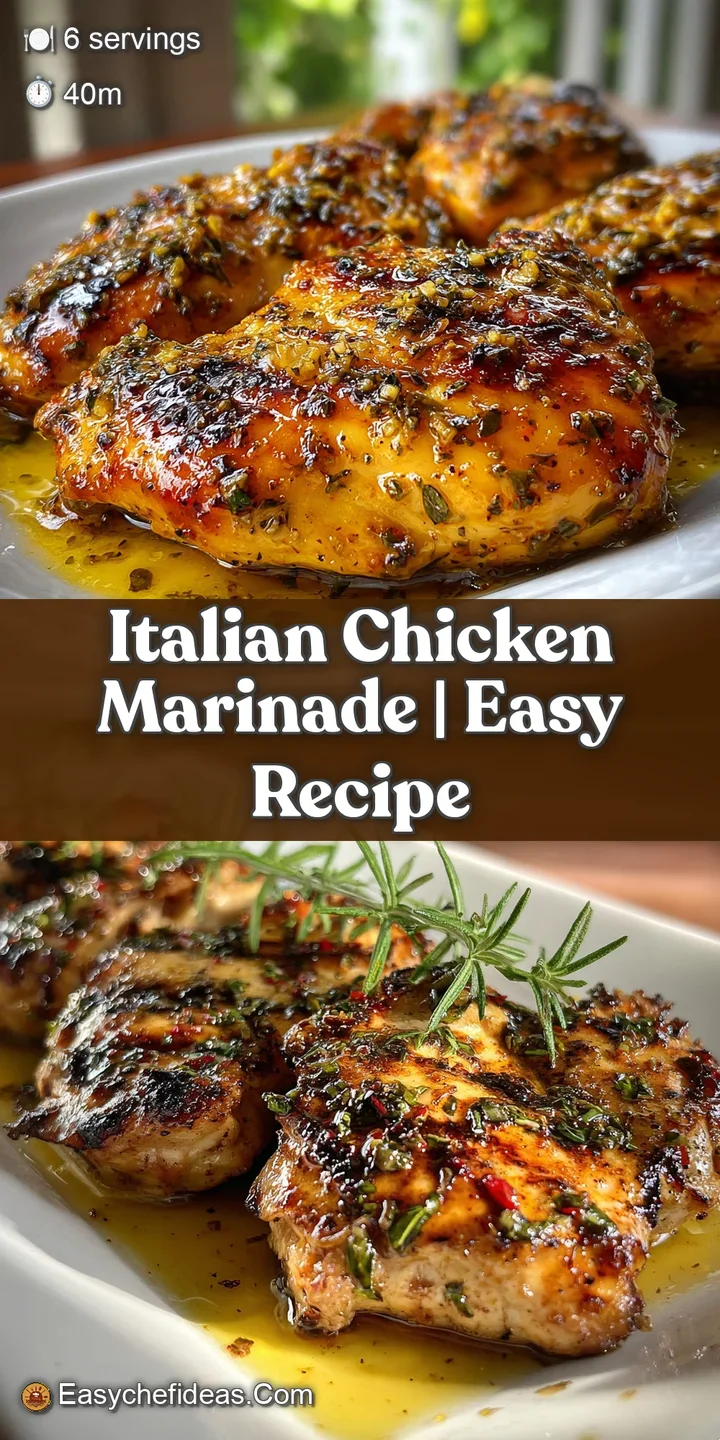
Italian Chicken Marinade FAQs
What is a good marinade for Italian chicken?
A balanced blend of oil, vinegar, lemon juice, garlic, and herbs. This combination tenderizes the chicken and infuses it with classic Italian flavors like oregano and basil, creating a delicious, savory crust when cooked.
Why do people marinate chicken in Italian dressing?
For convenience and flavor. store-bought Italian dressing contains vinegar, oil, and herbs, mimicking the key components of a good Italian marinade. It's a quick way to season chicken with those familiar zesty notes.
How to season chicken like an Italian?
Emphasize fresh garlic, herbs, olive oil, and acid. Start by marinating the chicken in a mixture of olive oil, red wine vinegar or lemon juice, minced garlic, oregano, basil, and salt for at least 30 minutes. This process allows the flavors to penetrate the meat.
What is the secret to a good marinade for chicken?
Achieving a proper emulsion and allowing sufficient marination time. The secret lies in whisking oil and acid based ingredients together, often with an emulsifier like Dijon mustard, ensuring the flavors coat the chicken evenly, and letting it marinate for at least 30 minutes to tenderize and infuse
flavor.
Can I use store-bought Italian dressing as a marinade?
Yes, it works in a pinch. store-bought Italian dressing offers a convenient shortcut, providing oil, vinegar, and herbs. For an enhanced flavor, consider adding extra garlic or fresh herbs before marinating.
How long should I marinate chicken in Italian dressing?
At least 30 minutes, but no more than 4 hours. Shorter marination times are sufficient for flavor infusion, while longer periods can make the chicken mushy due to the acidity. This is similar to how acid levels are managed in recipes like our Easy Greek Chicken Bowls with Homemade Tzatziki 45 Min Prep.
What are the key ingredients for an authentic Italian chicken marinade?
Olive oil, red wine vinegar, garlic, oregano, basil, salt, and pepper. A touch of Dijon mustard helps emulsify the mixture, ensuring it clings to the chicken for maximum flavor penetration and a beautiful sear.
Italian Chicken Marinade
Ingredients:
Instructions:
Nutrition Facts:
| Calories | 418 kcal |
|---|---|
| Protein | 46.8 g |
| Fat | 24.2 g |
| Carbs | 2.4 g |
| Fiber | 0.4 g |
| Sugar | 1.1 g |
| Sodium | 592 mg |
