Honey Sriracha Salmon: Sticky, Sweet Spicy Weeknight Stunner
- The Ultimate 30 Minute Weeknight Honey Sriracha Salmon Recipe
- Deciphering the Science of the Perfect Salmon Glaze
- Core Components: Essential Ingredients for the Best Honey Sriracha Salmon
- Selecting and Prepping Your Salmon Fillets
- Precision Cooking: Step-by-Step Instructions for Flawless Results
- Elevating Your Dish: Chef's Tips and Troubleshooting Common Mistakes
- Planning Ahead: Storage, Reheating, and Perfect Pairings
- Recipe FAQs
- 📝 Recipe Card
The Ultimate 30 Minute Weeknight Honey Sriracha Salmon Recipe
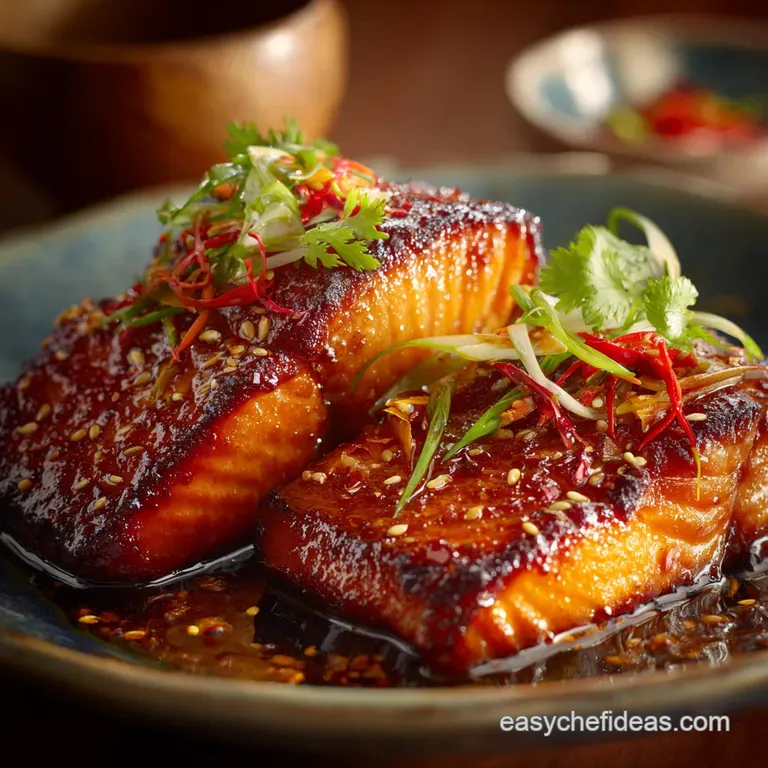
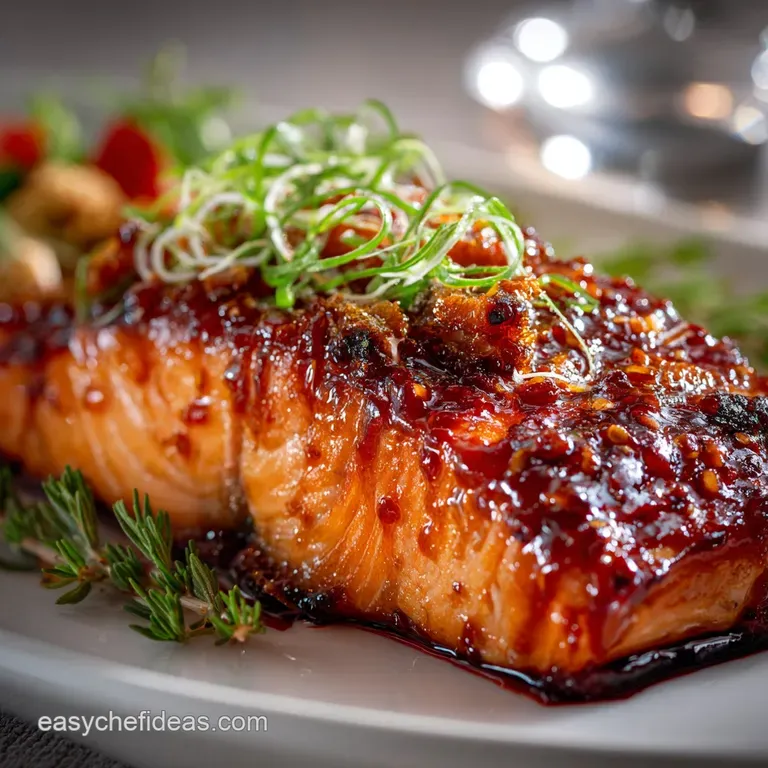
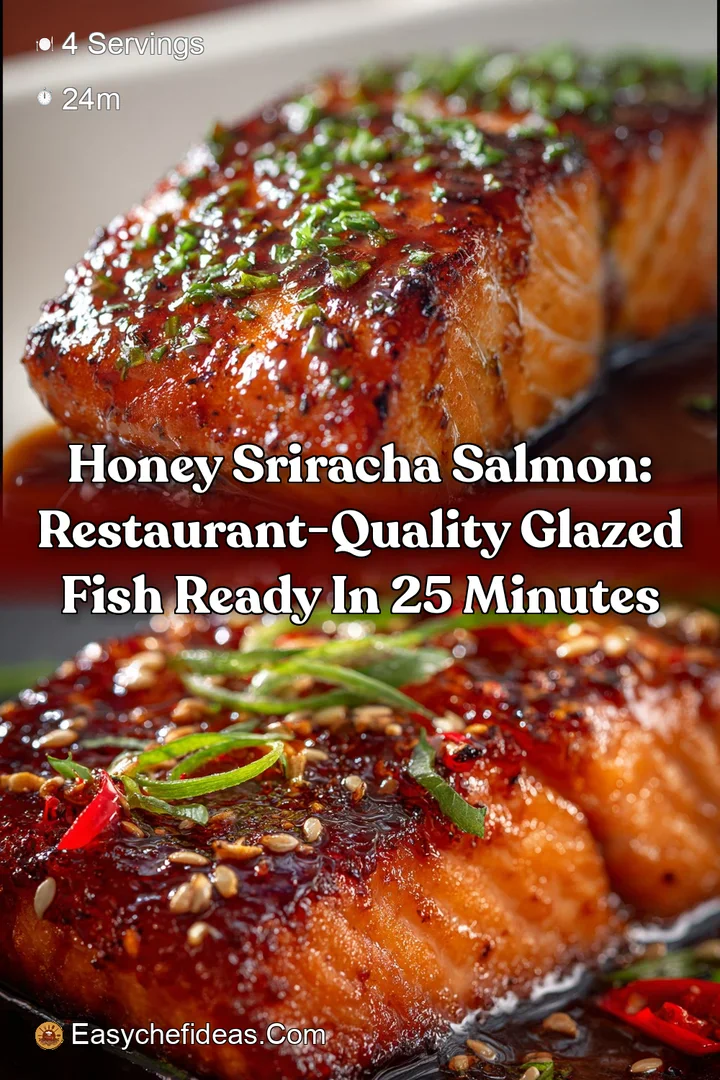
Seriously, the smell of this baking is pure magic. That sweet, spicy, caramelized aroma fills the whole kitchen and makes everyone instantly hungry. When you cut into the finished dish, you get this gorgeous, sticky, Honey Sriracha Glaze that clings perfectly to every flaky bite of Sriracha Salmon.
This isn't one of those fussy recipes that asks for six obscure ingredients or an hour of active time. It’s a genuine weeknight lifesaver. You can pull this whole meal together in less than 30 minutes flat, making it the ultimate cheat code when you want massive, restaurant quality flavor without the fuss.
I’ve messed up plenty of honey glazes before (hello, burnt sugar and sticky pans!), but I finally figured out the simple, two-step trick to make this perfect every single time. Let's crack on and get this unbelievably Sticky, Sweet, and Spicy Honey Glazed Salmon Recipe onto your dinner table ASAP.
Deciphering the Science of the Perfect Salmon Glaze
We aren't just slathering sauce on fish here; we are orchestrating a beautiful chemical reaction. Understanding why we do certain steps is key to moving beyond following instructions and becoming a truly confident cook.
What Makes a Glaze Truly Sticky and Viscous?
The viscosity comes down to the sugar-to-liquid ratio, which is dominated by the honey. As the honey heats and the water content evaporates, the remaining sugars concentrate. This concentration process is what creates that desired thick, almost lacquer like coating.
If you want it even thicker, adding a tiny splash of cornstarch slurry (1/2 tsp cornstarch mixed with 1/2 tsp water) to your glaze before cooking will boost the viscosity instantly.
Flavor Profile Breakdown: Balancing Sweet, Heat, and Umami
This marinade is the definition of balanced flavor. You get the sweetness from the honey and a rich, savory depth (umami) from the soy sauce. The Sriracha provides the immediate kick of heat, while the rice vinegar cuts through the richness, preventing it from tasting heavy or cloying.
The fresh ginger and garlic just anchor the whole thing in aromatic heaven.
Equipment Check: Oven vs. Air Fryer vs. Pan-Seared Fillets
I swear by the oven/broiler method for Honey Sriracha Salmon. It guarantees even cooking and allows for that crucial, quick blast of high heat to caramelize the glaze beautifully without drying out the fish.
You can absolutely make a wonderful [Honey Sriracha Salmon Air Fryer] version, which typically cooks 2- 3 minutes faster at 400°F (200°C). Pan-searing is fine, but handling a sticky glaze in a hot pan can be messy, and achieving that even char is harder.
Why the Two-Step Glazing Method Prevents Caramel Burn
This is my secret weapon! We don’t glaze the salmon completely before baking. Instead, we use a two-step method: a light brush before the main bake, and the final, heavy coat right before the over high heat broiling finish.
Sugar burns fast, and baking the glaze for 12 straight minutes at a high temp will often result in bitter char. By only broiling the glaze for the last 2- 4 minutes, you maximize caramelization while minimizing the risk of incinerating the honey.
The Maillard Reaction on Salmon Skin: Maximizing the Crisp Factor
The Maillard reaction is the browning process that gives food flavor complexity. For the skin, we need dry heat. Make sure your oven is adequately preheated, and always pat those salmon fillets bone dry before they hit the baking sheet.
A tiny bit of oil on the skin, combined with the high heat of the oven, will encourage that gorgeous crisp factor beneath the sweet, sticky glaze.
Core Components: Essential Ingredients for the Best Honey Sriracha Salmon
You don't need a massive list to achieve incredible flavor. Here’s what you need for the perfect Spicy Honey Sriracha Marinade and exactly what to grab if you’re missing something.
| Ingredient | Role in the Dish | Viable Substitute |
|---|---|---|
| Salmon Fillets | Protein/Texture | Large cod or thick halibut fillets (requires longer bake time). |
| Honey | Sweetness/Sticky Base | Maple syrup or agave nectar (Note: Maple syrup burns slightly faster). |
| Sriracha | Heat/Punch | Chili Garlic Sauce (adds textural element) or Gochujang (Korean chili paste). |
| Soy Sauce | Salinity/Umami | Tamari (for gluten-free diets) or Coconut Aminos. |
| Rice Wine Vinegar | Acidity/Balance | Apple Cider Vinegar (use slightly less, as it's stronger). |
| Fresh Ginger/Garlic | Aromatics | 1 tsp ground ginger and 1/2 tsp garlic powder (use fresh if possible, though!). |
Selecting and Prepping Your Salmon Fillets
This is where preparation pays off. A little attention here makes all the difference in the final texture of your fish.
Choosing the Right Salmon Cut for Optimal Flakiness
I prefer center cut fillets, which have a uniform thickness. This prevents the thinner tail ends from overcooking while the thicker middle finishes. Aim for fillets that are at least 1 inch thick. Thinner cuts are great for quick pan-searing, but they can dry out faster under the intense broiler heat of this recipe.
The Umami Secret: Ingredient X and Tamari Substitutions
The 'Ingredient X' providing the savory depth here is undoubtedly the soy sauce. It is essential for countering the overwhelming sweetness of the honey. If you're avoiding gluten, please swap it for tamari, which provides that same rich, fermented, salty flavor profile.
Sriracha Levels: Customizing the Heat for Your Palate
The recipe calls for 2 tablespoons of Sriracha, which provides a comfortable, medium kick that even my spice averse family members tolerate. If you like it hot, hot, hot, feel free to crank that up to 3 or even 4 tablespoons.
If you are serving little ones, you can separate one fillet, glaze it with just honey and soy, and then add the sriracha to the rest of the batch.
The Skin-On vs. Skinless Debate: Which is Best for Glazing?
Skin-on, always! The skin acts as a protective layer, shielding the delicate flesh from the direct heat of the baking sheet and the intense heat of the broiler. If you like crispy skin (who doesn’t?), leaving it on and patting it dry before seasoning is the way to go.
If you use skinless, just be mindful that the glaze can get very caramelized around the edges.
Precision Cooking: step-by-step Instructions for Flawless Results
You’re basically making the salmon happy before you give it that glorious, sticky finish.
Preparing the Glaze and Optimal Resting Time Thresholds
Whisk all your glaze ingredients together until totally combined. Crucially, grab a small spoonful about 1 tablespoon of that beautiful raw marinade and set it aside right now. We need that fresh drizzle later for brightness!
There’s no need to rest the salmon in this glaze; we are simply baking it on, not marinating it for tenderness.
The Preferred Method: Roasting for Maximum Caramelization
Preheat your oven to 400°F (200°C) and line a baking sheet with parchment paper. Seriously, don't skip the paper. Trust me on this. Pat your salmon fillets dry, brush them with a neutral oil, and season with salt and pepper. Now, brush on half of your prepared cooking glaze.
Bake for 8 to 10 minutes, giving the glaze time to start setting.
Achieving Perfect Doneness: Internal Temperature Check
After the initial bake, crank up the heat and switch to HIGH broil (grill). Brush the remaining glaze mixture on the fillets, move the tray to the upper rack, and watch it like a hawk for 2 to 4 minutes. The salmon is perfectly cooked when it flakes easily and reaches an internal temperature of 145°F (63° C). If you are nervous, use a meat thermometer! It's the only way to truly nail the flakiness without drying out the edges. If you love perfectly cooked fish, you might enjoy my Baked Salmon FailProof Lemon Dill Recipe 12Minute Cook Time which focuses purely on temperature control.
Finishing Touches: Garnishes That Enhance the Dish
Remove the salmon immediately when the glaze is bubbling and dark amber. Rest it for three minutes. Now, remember that reserved tablespoon of fresh glaze? Drizzle that over the top. Garnish generously with toasted sesame seeds and thinly sliced spring onions. This adds crunch, freshness, and color.
Elevating Your Dish: Chef's Tips and Troubleshooting Common Mistakes
I have made every one of these mistakes, so you don't have to!
How to Fix a Glaze That Is Too Runny or Too Thick
If your glaze looks too runny after mixing (maybe you used low-quality thin honey), you can thicken it slightly. Pour the glaze into a small pan, bring it to a simmer, and stir in a slurry of 1/2 teaspoon of cornstarch mixed with 1/2 teaspoon of cold water. Simmer until it thickens.
If it’s too thick, add a tiny splash of water or rice vinegar to thin it out slightly.
Avoiding the "Sticky Pan" Nightmare (Pre-Bake Preparation)
This is the big one. Honey is essentially pure sugar, and hot sugar is basically culinary superglue. Always line your baking sheet with parchment paper or a silicone mat. If you bake directly on foil or a metal tray, you will be scrubbing that pan for a very, very long time.
Maximizing Crispy Skin Under the Glaze
The key to crispy skin is ensuring the skin side is bone dry before you add any oil or seasoning. If there’s moisture on the skin, it steams instead of searing. Also, make sure the oven is fully heated before you put the tray in; cold ovens result in rubbery skin.
Planning Ahead: Storage, Reheating, and Perfect Pairings
This dish is so good, you’ll definitely want leftovers. Luckily, it stores well!
Safe Storage Guidelines for Cooked Salmon
Cooked Honey Sriracha Salmon should be stored in an airtight container in the refrigerator within two hours of cooking. It is perfectly safe and delicious for up to 3 days. I do not recommend freezing pre-glazed salmon, as the texture of the fish and the glaze can become watery and grainy upon thawing.
Best Way to Reheat Glazed Salmon Without Drying It Out
Never microwave it! The fastest way to ruin perfectly cooked salmon is blasting it in a microwave. The best method is the low and slow approach: wrap the fillet loosely in foil and reheat in a preheated oven or toaster oven at 275°F (135°C) for about 10– 12 minutes.
This keeps the moisture locked in and preserves the integrity of the glaze.
Complimentary Sides: What to Serve with Honey Sriracha Salmon
Since the main dish is so punchy and flavorful, you want refreshing or absorbent sides. Simple steamed jasmine rice is a classic choice for soaking up the glaze. A crunchy side is also brilliant think shredded cabbage and carrot slaw dressed with a light vinaigrette. If you want another great Asian inspired weeknight option, you should definitely check out my Honey Garlic Shrimp Sticky RestaurantQuality Dinner in 15 Minutes . They follow the same quick glaze principles!
Recipe FAQs
How can I prevent my salmon from drying out while still achieving a perfect, caramelized glaze?
Dryness is usually caused by overcooking the internal temperature of the fish. Ensure you remove the salmon promptly when it hits 145°F (63°C) and allow it to rest, as residual heat will finish the cooking.
For the glaze, brush it on only during the last 5 to 7 minutes of the cooking time to prevent the high sugar content from burning before the fish is fully cooked.
My glaze seems too thin and runny. How do I thicken the Honey Sriracha sauce effectively?
If the glaze is still watery after simmering, you can introduce a simple cornstarch slurry. Mix 1 teaspoon of cornstarch with 1 tablespoon of cold water, stir it into the simmering sauce, and heat for about 60 seconds.
The sauce should immediately thicken and coat the back of a spoon; remember that the glaze will thicken considerably as it cools slightly.
Can I use frozen salmon fillets for this recipe, and does it change the cooking time?
Yes, you can use frozen fillets, but they must be fully thawed before preparation. Pat the salmon very dry with paper towels to ensure the glaze adheres properly and to encourage crisp skin, if applicable.
Cooking from frozen is not recommended for this recipe as it substantially increases the time and prevents the quick caramelization required.
I prefer less heat. How can I adjust the spiciness without losing the flavor depth?
The easiest method is to reduce the amount of sriracha by half and taste the glaze before applying it to the fish. If you need to replace the missing volume without the heat, substitute the removed sriracha with extra honey or a small dash of tomato paste for color and savory depth.
You can also use chili garlic sauce instead of sriracha, which often offers a milder, more complex heat.
I am out of honey. What is a good substitute for the necessary sweetness and stickiness?
Maple syrup is an excellent 1:1 substitute, providing a similar viscosity and sweetness, although it will introduce a slightly earthier flavor profile. Alternatively, brown rice syrup or agave nectar work well, ensuring you still achieve the necessary stickiness required for a true glaze effect.
Avoid thin liquid sweeteners like simple syrup, which will not thicken sufficiently.
What is the best way to store and gently reheat leftover Honey Sriracha Salmon?
Store leftovers in an airtight container in the refrigerator for up to 3 days. To reheat without drying the salmon out, place the fillet in a foil packet with a tiny splash of water or broth, and warm it gently in the oven at 300°F (150°C) until just heated through.
Avoid high heat reheating, which will toughen the fish and burn the residual glaze.
I don't eat fish. What other proteins work well with this versatile glaze?
This savory and sweet glaze is incredibly versatile and pairs beautifully with poultry and pork. Try coating boneless, skinless chicken thighs or thick cut pork chops, ensuring the cooking time is adjusted to meet their specific internal temperature requirements.
Thighs are generally more forgiving than breasts when using a sticky sugar based glaze.
Honey Sriracha Salmon Weeknight Stunner
Ingredients:
Instructions:
Nutrition Facts:
| Calories | 610 kcal |
|---|---|
| Protein | 37.3 g |
| Fat | 34.7 g |
| Carbs | 26.1 g |
