Spicy Chipotle Ketchup: Make This Restaurant-Quality Condiment at Home

- Introducing the Ultimate Spicy Chipotle Ketchup: A Flavor Revolution
- Flavor Science: Achieving the Perfect Balance of Heat, Sweet, and Smoke
- Essential Ingredients for the Best Spicy Chipotle Ketchup
- How to Make Smokin’ Hot Spicy Chipotle Ketchup at Home
- Troubleshooting Your Batch: Chef's Tips and Common Mistakes
- Storage and Preservation of Homemade Spicy Chipotle Ketchup
- Elevate Your Plate: Perfect Pairings and Serving Suggestions
- Recipe FAQs
- 📝 Recipe Card
Introducing the Ultimate Spicy Chipotle Ketchup: A Flavor Revolution
Seriously, the smell of this Spicy Chipotle Ketchup simmering on the stove is intoxicating. That deep, earthy, smoky aroma mixed with tangy vinegar and sweet tomato just screams professional barbecue joint.
It’s incredibly rich, it's velvety smooth, and it has a glorious, lingering kick that wakes up your whole palate.
I know what you’re thinking: making ketchup is kind of extra. But hear me out, the watery, highly sugared supermarket stuff is absolutely no match for this homemade condiment recipe.
This homemade spicy chipotle sauce recipe takes about 15 minutes of active chopping time, then your stove does all the heavy lifting during the reduction phase. It’s cheap, it’s easy, and it instantly elevates everything you put it on.
Forget everything you thought you knew about basic condiments. We are making the ultimate Homemade Spicy Chipotle Ketchup today, focusing on texture, complexity, and that vital balance of sweet, smoky, and sour. Trust me, you need this batch in your life, especially if you host a lot of backyard burger bars.
Flavor Science: Achieving the Perfect Balance of Heat, Sweet, and Smoke
What Makes Homemade Ketchup Superior to Bottled Brands?
Commercial ketchups focus on cheap ingredients and high sugar content for shelf life. Ours focuses entirely on depth. We take the time to build a robust flavor base before we even add the tomatoes, which means our ketchup tastes like actual cooked food, not just overly sweet vinegar.
We control the spice and the sweetness perfectly, allowing the crushed tomatoes to shine. The reduction process, which takes over an hour, is crucial; it concentrates all those amazing natural sugars and smoky chipotle flavors.
You end up with a luxuriously thick, flavorful chipotle sauce that sticks exactly where you put it.
The Origins of Smoke and Spice: Why Chipotle Peppers are Essential
Chipotles are simply smoked, dried jalapeños, and they are the hero of this condiment. We are not just adding heat here; we are adding a profound layer of wood smoke and earthiness that permeates the sauce during the long simmer.
The little bit of adobo sauce that comes in the can adds tang and complexity, giving us that classic smoky, spicy chipotle sauce flavor we’re after.
Chef's Note: Don't be afraid of the chipotles! Start with three peppers, blend them in, and taste. You can always add more, but you cannot easily take the heat away once it’s cooked down.
Difficulty Level, Prep Time, and Kitchen Logistics
This recipe is firmly in the "Easy" category, demanding patience rather than technique. Prep time is maybe 15 minutes for chopping the onions and garlic, tops. The majority of the time, around 60 to 75 minutes, is spent simmering the liquid to achieve perfect reduction.
Don't rush the reduction —it’s what guarantees you a thick, spoon coating finish.
| Metric | Time Estimate |
|---|---|
| Active Prep | 15 minutes |
| Reduction Simmer | 60– 75 minutes |
| Total Time | ~ 90 minutes |
The Maillard Reaction: Sautéing Aromatics for Deep Flavor Depth
We use a heavy bottomed pot and start by sautéing the onions until translucent, but we stop before they brown. This releases their sweetness. Then we add the garlic and dry spices (smoked paprika, mustard powder, cloves).
This step is called "blooming" the spices, using the hot oil to release their essential oils and deepen their flavor profile dramatically.
Balancing Act: Controlling Acidity vs. Molasses Rich Sweetness
Ketchup needs acidity to cut through the richness of whatever you're eating (like fries or a juicy burger). We use apple cider vinegar (ACV) for its fruity, mellow tang. Our sweetness comes from dark brown sugar, which includes molasses for a deeper, almost caramel like note, far superior to plain white sugar.
That interplay between the ACV and the molasses rich sugar is the secret to a great, complex homemade spicy chipotle ketchup .
Achieving Luxurious Thickness: The Ketchup Reduction Process
The entire point of the long simmer is water evaporation. The natural pectin and solids in the crushed tomatoes are concentrated as the liquid reduces by roughly one-third to one-half.
When the mixture is thick enough to leave a trail across the bottom of the pan when you scrape it with a spoon, you know you're almost there. This reduction time guarantees a high-quality finished texture.
Essential Ingredients for the Best Spicy Chipotle Ketchup
We need a few key players to nail the perfect flavor. Here’s a breakdown of what you need and what you can swap if you’re in a pinch.
| Ingredient | Role | Substitute Option |
|---|---|---|
| Crushed Tomatoes (28 oz) | Base, texture, sweetness | Canned diced tomatoes (must be blended longer) |
| Chipotle Peppers in Adobo (3 4) | Smoke and heat | Use half the amount of dried chipotle powder or 1 tsp of hot smoked paprika + a pinch of cayenne. |
| Apple Cider Vinegar (ACV) | Acidity and tang | White wine vinegar (start with 1/3 cup, it's sharper) |
| Dark Brown Sugar | Sweetness, molasses notes | Plain white sugar + 1 Tbsp of actual molasses or maple syrup |
| Smoked Paprika | Supplemental smoke | Regular sweet paprika (you will lose some depth) |
Detailed Notes on Selecting Quality Tomato Paste
While this recipe uses crushed tomatoes as the main base, adding 1 2 tablespoons of high-quality, double concentrated tomato paste can deepen the umami flavor considerably. Choose a paste that comes in a tube if you can; it keeps longer and usually has a better flavor concentration than canned paste.
The more intense the tomato flavor, the faster and richer your reduction will be.
Understanding Chipotle Peppers in Adobo Sauce (Heat and Smoke)
These peppers are the cornerstone of a great spicy chipotle sauce . When you open the can, you'll see the wrinkled red peppers bathing in a thick, smoky red sauce. We use both the pepper itself (chopped finely) and a tablespoon of that adobo sauce. Don't discard the adobo!
It's packed with flavor, spice, and seasoning.
Alternative Sweeteners: Brown Sugar vs. Molasses
I prefer dark brown sugar because it provides sweetness and that crucial molasses element in one go. If you are watching your refined sugar intake, you can successfully substitute the brown sugar with a low-carb alternative like erythritol or monk fruit, but you might need to add a tiny splash of actual molasses or a couple of drops of natural liquid smoke to regain that complex depth.
Swapping Aromatics: Onion and Garlic Breakdown
Use yellow or white onions; we need their sweetness. Chop them very finely. If you absolutely hate chopping, you can use dried minced onion, but you lose the texture contribution and complexity that fresh onions provide during the initial sauté.
I wouldn't skip fresh garlic, but if you must, 1/4 teaspoon of garlic powder is the equivalent of one clove.
How to Make Smokin’ Hot Spicy Chipotle Ketchup at Home
Grab your heaviest bottomed pot. We’re going to make some magic.
Step 1: Building the Flavor Base (Sautéing Spices and Aromatics)
Heat 1 Tbsp of olive oil in your pot over medium heat. Add your finely chopped onion and cook for about 5 to 7 minutes until they are totally soft and translucent. Do not let them brown! Next, toss in the minced garlic, smoked paprika, dry mustard powder, allspice, and cloves.
Cook for just one minute, stirring constantly, until you smell the spices blooming it should smell warm and nutty.
Step 2: Simmering and Initial Reduction (The Acidic Phase)
Stir in the chopped chipotles and adobo sauce for a quick 30 seconds. Now, pour in the crushed tomatoes, apple cider vinegar, brown sugar, salt, and pepper. Bring the whole pot up to a gentle boil, then immediately reduce the heat to the lowest setting possible. The goal is a relaxed, gentle simmer.
Simmer, uncovered, for 60 to 75 minutes, stirring every 15 minutes or so. I once forgot to stir and scorched the bottom don't be me.
Step 3: Achieving Smoothness (Blending and Straining Techniques)
Once the mixture has reduced and thickened significantly (remember the trail test?), remove it from the heat. Carefully transfer the hot mixture to a high speed blender, or use an immersion blender directly in the pot. Blend until it is entirely smooth and emulsified, ensuring no chunks remain.
Be extremely cautious blending hot liquids ; vent the lid if using a standard blender.
Step 4: Final Adjustments and Consistency Check
For the truly perfect, velvety, professional texture, this step is non-negotiable. Place a fine mesh sieve (or a chinois, if you’re fancy) over a clean bowl. Press the blended ketchup through the sieve, using a rubber spatula to help it along. Discard the leftover solids (mostly onion fibers and tomato seeds).
Now, taste! Adjust salt, pepper, or add a tiny splash (1/2 teaspoon) more ACV if the flavor feels flat. Pour into sterilized jars.
Troubleshooting Your Batch: Chef's Tips and Common Mistakes
Fixing Runny Ketchup: The Stovetop Reduction Solution
If you’ve completed the whole recipe and it’s still too watery don't panic. This usually means you didn't reduce it long enough. Pour the strained ketchup back into the saucepan. Simmer uncovered over medium low heat for another 15 to 25 minutes, stirring often.
It will thicken as the water evaporates. You’re looking for the mixture to noticeably coat the back of a spoon.
Adjusting the Heat Level Safely (Handling Chipotles)
Some people want their spicy chipotle sauce to be fiery, and others want just a hint of warmth. When handling the peppers, use gloves if you are sensitive, and always wash your hands thoroughly afterward.
If you want more heat, pulse in one additional chipotle pepper right before the final taste test. If you went too far, try stirring in 1 tablespoon of molasses or 1/4 cup of crushed tomatoes to dilute the heat.
The Importance of Straining for a Velvety Texture
Skipping the sieve is the most common mistake home cooks make with ketchup. If you want that gorgeous, smooth, store-bought consistency that makes people say, "Wait, you made this?" you must strain it. It removes the little textural bits like tomato seeds and residual onion fiber that ruin the mouthfeel.
Storage and Preservation of Homemade Spicy Chipotle Ketchup
Refrigeration Timeline: How Long Does It Last?
Because we use a good amount of vinegar (which acts as a preservative) and we cook the mixture thoroughly, this homemade ketchup stores quite well. Once cooled, seal it tightly and keep it in the refrigerator. It will last beautifully for at least 3 to 4 weeks, often longer.
Can You Freeze Homemade Ketchup? A Practical Guide
Yes! This is a great recipe for batch cooking. Simply cool the ketchup completely, then pour it into freezer safe containers or heavy duty Ziploc bags, leaving about an inch of headspace. It will keep well for up to 6 months.
To reheat, thaw overnight in the fridge and give it a vigorous whisk, as it might separate slightly after freezing.
Sterilization: Best Practices for Canning Jars
Although this is not a true shelf stable canning recipe (it doesn't use enough acid for a water bath), sterilizing the jars is crucial for maximum fridge life. Wash the jars and lids thoroughly.
Place the glass jars in a boiling water bath for 10 minutes, or run them through the sanitize cycle of your dishwasher. Fill them while the ketchup is hot and the jars are still warm, sealing immediately.
Elevate Your Plate: Perfect Pairings and Serving Suggestions
This spicy condiment is incredibly versatile; it’s far too complex just for standard French fries.
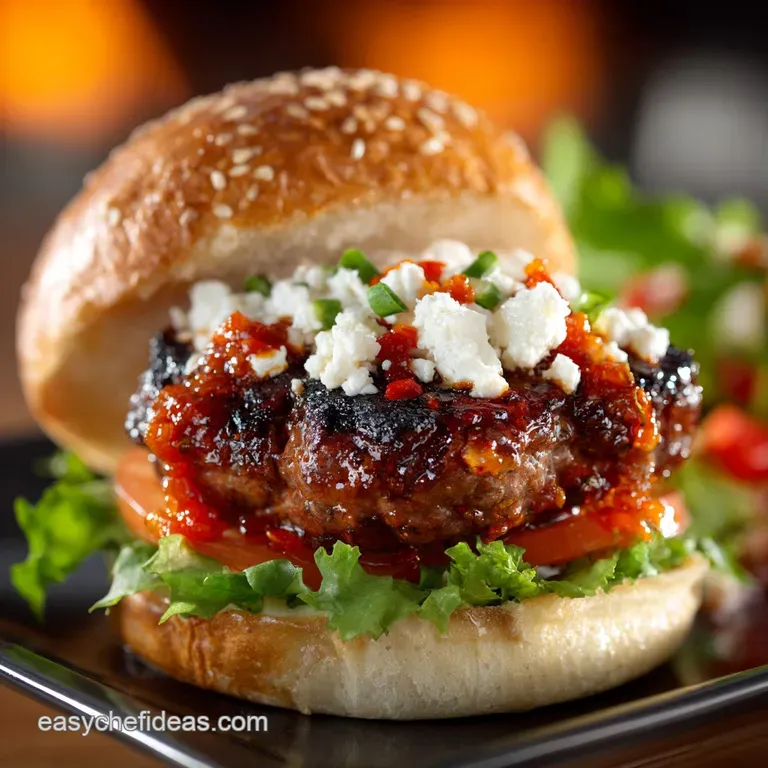
- The Burger King: Slather it generously on your best cheeseburger or use it instead of mayo on a gourmet veggie option, perhaps alongside my famous Spicy Black Bean Burgers with Chipotle Mayonnaise: Never Mushy Recipe . The smoky chipotle flavor is a perfect match.
- Fry Upgrade: This condiment is best served in a little pot next to thick cut, twice cooked "chip shop chips." Total comfort food.
- Taco Time: Use it as the base sauce for pulled pork or as a zesty drizzle on something lighter, like my quick and easy Shrimp Tacos Zesty ChipotleLime Recipe Ready in Just 30 Minutes .
- Bowls: Add a dollop to chili, stew, or use it to spice up grain bowls. It’s fantastic drizzled over something earthy, like a big bowl of my Roasted Sweet Potato Black Bean Bowls: Easy Chipotle Lime Recipe .

Recipe FAQs
Why is my homemade ketchup too runny after the simmering phase?
Ketchup relies heavily on the reduction of moisture to achieve its characteristic thickness. If your mixture is too thin, return it to the heat and simmer uncovered for another 15 to 20 minutes until it coats the back of a spoon.
Remember that homemade ketchup continues to thicken significantly as it cools completely in the refrigerator.
How can I adjust the spice level if I find the chipotle heat too intense?
The primary source of heat is the chipotle peppers in adobo. To reduce the spice, use only one pepper and ensure you scrape out and discard all the seeds before adding it to the pot, as the seeds hold most of the capsaicin.
You can also offset residual heat by adding an extra half teaspoon of brown sugar or molasses for balance.
How long will this Spicy Chipotle Ketchup keep, and does it need to be refrigerated?
Since this recipe is not prepared using formal, sterile canning methods, it must be stored in an airtight glass jar or container in the refrigerator. Properly stored, this fresh homemade ketchup will maintain its quality and robust flavor for approximately 2 to 3 weeks.
My ketchup isn't perfectly smooth after blending. What step did I miss?
Even high powered blenders can sometimes leave behind tiny pieces of pepper skin or tomato seeds. For the silkiest, restaurant quality consistency, strain the entire finished mixture through a fine mesh sieve or a conical strainer (chinoise) before cooling and jarring.
Press the solids firmly to extract all remaining liquid.
Can I use dried chipotle powder instead of canned peppers in adobo sauce?
While technically possible, substituting powder will result in a much less smoky and complex flavor profile, as you lose the depth provided by the adobo sauce. If you must substitute, start with 1 teaspoon of powder and incorporate 1/2 teaspoon of high-quality smoked paprika to try and recreate the missing smoky depth.
What is the best substitution for molasses if I don't have any on hand?
Molasses is crucial for providing deep color and an earthy sweetness that cuts through the intense acidity and smoke. The best substitute is dark brown sugar, as it contains some molasses, or you could use maple syrup, although the flavor profile will become slightly brighter and less robust.
Can I freeze this homemade ketchup for extended storage?
Yes, homemade ketchup freezes exceptionally well without any significant texture loss. Pour the cooled mixture into freezer safe containers or heavy duty freezer bags, leaving a small headspace for expansion, and freeze for up to six months. Thaw overnight in the refrigerator before serving.
Homemade Spicy Chipotle Ketchup Recipe
Ingredients:
Instructions:
Nutrition Facts:
| Calories | 35 kcal |
|---|---|
| Fat | less than 1 g |
| Fiber | 1 g |
