Homemade Cottage Cheese: Silky Curds
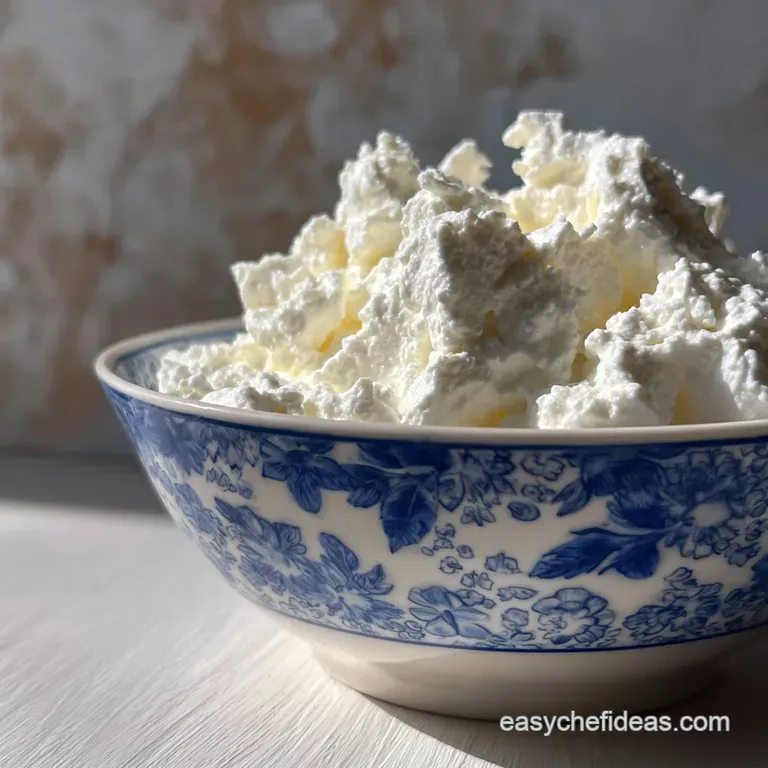
- Time: Active 15 mins, Passive 30 mins, Total 45 mins
- Flavor/Texture Hook: Tangy, silky curds bathed in rich, velvety cream.
- Perfect for: High protein meal prep or a nourishing weekend breakfast.
- Transforming Fresh Milk Into Homemade Cottage Cheese
- Science of the Casein Bond
- Fast Success Decision Benchmarks
- The Essential Ingredient Foundation
- Proper Gear for Cheesemaking
- Step-by-Step Curd Formation
- Fixing Common Texture Problems
- Flavor Variations to Try
- Proper Storage and Freezing
- Serving Styles and Pairings
- Myths About Homemade Cheese
- Recipe FAQs
- 📝 Recipe Card
Transforming Fresh Milk Into Homemade Cottage Cheese
Imagine the soft, rhythmic sound of a heavy bottomed pot simmering on the stove while the kitchen fills with the sweet, nostalgic aroma of warming milk. I still remember the first time I tried to make cottage cheese at home. I stood over the pot, vinegar in hand, wondering if the magic would actually happen.
Then, with just a gentle stir, the once uniform liquid fractured into soft, snowy clouds of curd floating in a sea of translucent, pale yellow whey. It felt less like cooking and more like a secret chemistry experiment that ended with something incredibly nourishing.
The contrast here is what makes it so special. You have these warm, slightly "squeaky" curds that meet the cold, decadent pool of heavy cream. It is a sensory dance between the bright, sharp acidity of the vinegar and the mellow sweetness of the whole milk.
Most people are used to the watery, overly salty stuff from the store, but this is a different species entirely. We are talking about a texture that is simultaneously substantial and meltingly tender.
We are going to walk through the steps to get this right every single time. There is no need for fancy cultures or specialized gear. This is about taking basic staples and treating them with a bit of patience and heat.
You will see how simple it is to nourish your family with something that feels truly artisanal, and honestly, once you taste the difference, that plastic tub in the dairy aisle will never look the same again.
Science of the Casein Bond
Acidification and Precipitation: Adding vinegar drops the pH of the milk, causing casein proteins to lose their negative charge and clump together into solid curds. This separation is immediate once the milk reaches the thermal threshold of 190°F.
The Rinsing Effect: Washing the curds in cold water stops the cooking process and removes residual lactic acid and lactose. This step is what defines the "sweet curd" style, preventing the cheese from becoming overly sour or rubbery as it cools.
| Cook Element | Fast (Store) | Classic (Home) |
|---|---|---|
| Texture | Often mushy or grainy | Distinct, firm yet tender curds |
| Flavor | Heavy on salt and stabilizers | Clean, milky, and customizable |
| Additives | Guar gum and carrageenan | Pure milk, cream, and sea salt |
If you are looking for more ways to use high protein dairy, this technique is remarkably similar to how we create the base for a Cottage Cheese Alfredo recipe which stays silky and smooth without breaking. The key in both is managing the protein structure so it doesn't turn tough.
Fast Success Decision Benchmarks
| Milestone | Target Metric | Resting Period | Visual Indicator |
|---|---|---|---|
| Milk Heating | 190°F (88°C) | None | Small bubbles at edges |
| Acid Stage | 3/4 cup vinegar | 30 mins | Clear, yellow green whey |
| Cream Dressing | 3/4 cup total | 5 mins | Curds look glossy and wet |
Right then, let's talk about the actual components. To get that perfect mouthfeel, you cannot skimp on the fat content. Whole milk is the non negotiable foundation here because it provides the structural integrity the curds need to survive the draining process.
The Essential Ingredient Foundation
- 1 gallon whole milk: This is the bulk of your cheese. Why this? Higher fat ensures a creamier, less rubbery curd structure.
- 3/4 cup white distilled vinegar: The catalyst for separation. Why this? It provides a clean break without adding unwanted fruity flavors.
- 1 tsp fine sea salt: To season the curds. Why this? It highlights the natural sweetness of the dairy.
- 1/2 cup heavy cream: For the finishing dressing. Why this? Creates the characteristic "creamed" texture of premium cottage cheese.
- 1/4 cup whole milk: To thin the dressing. Why this? Prevents the cream from becoming too thick and clumpy.
Ingredient Deep Dive
| Ingredient | Science Role | Pro Secret |
|---|---|---|
| Whole Milk | Casein Source | Use "non homogenized" milk for massive, pillow like curds. |
| Distilled Vinegar | Acid Catalyst | Pour it in a slow circle to ensure even distribution. |
| Heavy Cream | Fat Emulsion | Add it cold to hot curds to create a velvety glaze. |
Chef's Tip: Freeze your heavy cream for 10 minutes before mixing it into the warm curds. This sudden temperature shock helps the cream "cling" to the curds rather than just pooling at the bottom of the bowl.
Proper Gear for Cheesemaking
You don't need a lab, but a few specific items make this much easier. A large, heavy bottomed stainless steel pot is essential to prevent the milk from scorching at the bottom. You will also need a fine mesh strainer and some high-quality cheesecloth look for grade 90 if you can, as it has a tighter weave that won't let small curds escape.
A reliable digital thermometer is your best friend here. While you can eyeball the "shimmer" of the milk, hitting exactly 190°F ensures you get the maximum yield from your gallon. If the milk is too cool, the curds will be flimsy; too hot, and they can get a bit tough.
step-by-step Curd Formation
- Pour the 1 gallon whole milk into your large pot.
- Heat the milk over medium, stirring occasionally to prevent a skin from forming. Note: This prevents scorched bits from ruining the white color.
- Monitor the temperature until it reaches exactly 190°F until you see tiny pearlescent bubbles.
- Remove the pot from the heat immediately.
- Add the 3/4 cup white distilled vinegar slowly in a swirling motion.
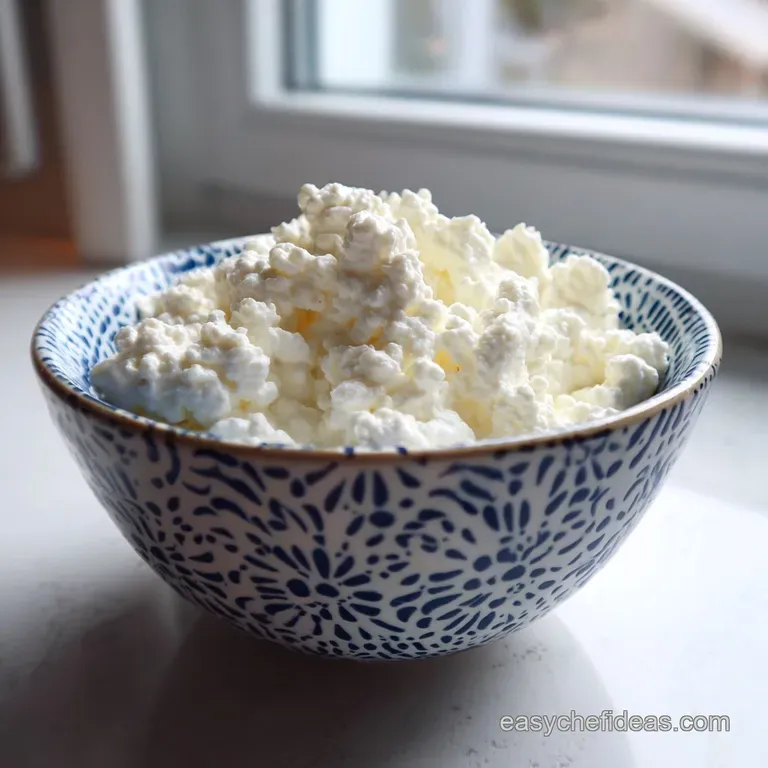
- Stir once very gently and let it sit undisturbed for 30 minutes until the curds fully separate from the whey.
- Line a colander with cheesecloth and place it over a sink or large bowl.
- Pour the mixture into the colander and let it drain for 5 minutes.
- Rinse the curds under cold running water until they feel cool and firm.
- Transfer the curds to a bowl, add the 1 tsp sea salt, 1/2 cup heavy cream, and 1/4 cup whole milk, then fold gently.
Managing the Casein Bond
The way you stir the milk after adding the acid determines the size of your curds. If you want large, "chunky" cottage cheese, you must resist the urge to whisk. A single, slow sweep with a wooden spoon is all you need to distribute the vinegar.
The proteins need stillness to find each other and form those beautiful, irregular clusters.
Fixing Common Texture Problems
Why Your Cheese is Rubbery
If your curds feel like chewing on pencil erasers, the milk was likely boiled or held at a high temperature for too long. Excessive heat causes the protein fibers to tighten up and squeeze out all their moisture. To fix this in the future, pull the pot off the burner the second you hit your target temperature.
Rescuing Small Grainy Curds
Small curds usually happen because of aggressive stirring or using milk that was ultra pasteurized. Ultra pasteurized milk has had its proteins "denatured" by high heat, making it hard for them to bond into large clumps. Stick to regular pasteurized whole milk for the best results.
| Problem | Root Cause | Solution |
|---|---|---|
| Bitter Flavor | Too much vinegar | Rinse the curds for an extra 60 seconds in cold water. |
| Dry Texture | Over draining | Fold in an extra tablespoon of heavy cream or whole milk. |
| Watery Sauce | Dressing didn't emulsify | Chill the mixture for 2 hours to let the fats stabilize. |
Common Mistakes Checklist
- ✓ Never use ultra high temperature (UHT) milk as it won't form solid curds.
- ✓ Do not let the milk reach a rolling boil or the flavor will turn "cooked."
- ✓ Avoid squeezing the cheesecloth too hard; let gravity do the work to keep curds fluffy.
- ✓ Always use a non reactive pot (stainless steel or enamel) to avoid a metallic tang.
- ✓ Don't skip the rinse; it is vital for removing the sharp vinegar taste.
Flavor Variations to Try
Scaling this recipe is straightforward, though you have to be careful with the acid. If you decide to double the batch, don't just double the salt and vinegar right away. Start with 1.5 times the amount and taste the whey; if it’s still milky and not clear, add the remaining acid.
For a half batch, you can simply cut everything down the middle, using a smaller pot to maintain the depth of the milk.
- If you want a savory kick, add cracked black pepper and fresh chives.
- If you want a sweet treat, fold in honey and sliced peaches.
- If you want a richer finish, swap the whole milk in the dressing for a dollop of sour cream.
If you enjoy the creamy, baked textures of dairy forward dishes, you might find this homemade version works beautifully in a Brussels Sprouts Gratin recipe as a high protein substitute for some of the heavier creams.
Proper Storage and Freezing
Storage: Keep your fresh cottage cheese in an airtight container in the fridge. It will stay vibrant and delicious for up to 5 days. Since there are no preservatives, the cream dressing may settle at the bottom; just give it a quick stir before serving to redistribute the silkiness.
Freezing: Honestly, don't even bother with the freezer. Freezing cottage cheese destroys the delicate structure of the curds, turning them grainy and causing the dressing to separate into a watery mess. It is a "fresh is-best" kind of food.
Zero Waste: Don't toss that leftover whey! It is packed with protein and minerals. Use it as the liquid base for baking bread, add it to your morning smoothies, or even use it to soak grains and beans. It adds a subtle tang and boosts the nutrition of whatever you're making.
Serving Styles and Pairings
There is something so culturally significant about how we serve this. In some homes, it is a savory side with plenty of black pepper. In others, it is the center of a fruit laden breakfast.
To make cottage cheese taste good for a crowd, I love serving it in a wide, shallow bowl topped with a drizzle of high-quality olive oil and a sprinkle of flaky sea salt.
The contrast of the cold cheese against warm, toasted sourdough is a revelation. If you are feeling adventurous, try it with a spoonful of chili crisp for a modern, spicy twist. This dish is about community and nourishment, taking something as simple as milk and turning it into a centerpiece that everyone wants to dive into.
It’s about the culture of slow food, even if it only takes 45 mins to create.
Myths About Homemade Cheese
Myth 1: "You need lemon juice for it to work." While lemon juice is a great acid, white vinegar is actually more consistent. Vinegar has a standardized acidity level, whereas lemons vary in ripeness and pH. Using vinegar ensures your curds separate at the exact same temperature every time.
Myth 2: "Fat free milk makes more cheese." This is a common misconception. While you will still get curds from skim milk, they will be incredibly tough and lack the velvety mouthfeel that makes this dish so comforting.
The fat in whole milk acts as a buffer, keeping the protein bonds flexible and tender.
Myth 3: "Homemade cheese is unsafe." As long as you are using pasteurized milk and clean equipment, this is perfectly safe. The high heat of 190°F effectively sanitizes the milk, and the vinegar creates an environment that is unfriendly to most unwanted bacteria.
Just keep it refrigerated and enjoy it within the week!
Recipe FAQs
How to make cottage cheese in home?
Heat pasteurized whole milk to 190°F, then slowly stir in white distilled vinegar. After removing from heat, let it sit undisturbed for 30 minutes until curds visibly separate from the whey. Strain the mixture through cheesecloth, rinse the curds with cold water, then mix with salt and heavy cream.
How do they make cottage cheese commercially?
Commercially, it usually involves bacterial cultures and controlled heat rather than direct acid like vinegar. Starter cultures slowly acidify the milk, and the resulting curds are often cut smaller, cooked longer, and heavily stabilized with gums to achieve a uniform texture.
Is homemade cottage cheese worth it?
Yes, absolutely, if you prioritize fresh flavor and texture. Homemade curds are silkier, less salty, and you control the fat content, resulting in a cleaner taste than most store-bought versions.
How much cottage cheese will 1 gallon of milk make?
Approximately 1.5 to 2 pounds of finished cottage cheese. The final yield depends heavily on the fat content of the starting milk and how thoroughly you drain the whey.
Can I substitute lemon juice for vinegar when making cottage cheese?
Yes, you can substitute lemon juice, but vinegar is preferred for consistency. Lemon juice introduces a citrus note that commercial recipes usually avoid, but the principle of lowering the pH is the same; if you enjoyed the careful temperature control in this process, you will find the same attention to detail useful when mastering techniques like in our Flaky AllButter Homemade recipe.
Why are my homemade cottage cheese curds tough and rubbery?
The milk was overheated or cooked too long after adding the acid. High, prolonged heat squeezes the moisture out of the casein proteins, causing them to seize up and become dense; pull the pot off the heat immediately once the whey separates clearly.
What is the purpose of rinsing the curds after draining?
Rinsing stops the cooking process and washes away residual sharp acid. It prevents the cheese from becoming overly sour or rubbery as it cools down and is crucial for achieving that signature clean, slightly sweet curd flavor.
Homemade Cottage Cheese Recipe
Ingredients:
Instructions:
Nutrition Facts:
| Calories | 148 kcal |
|---|---|
| Protein | 12.5 g |
| Fat | 9.2 g |
| Carbs | 4.2 g |
| Fiber | 0 g |
| Sugar | 3.8 g |
| Sodium | 475 mg |
