New Year S Eve Food Idea with Garlic Butter Shrimp
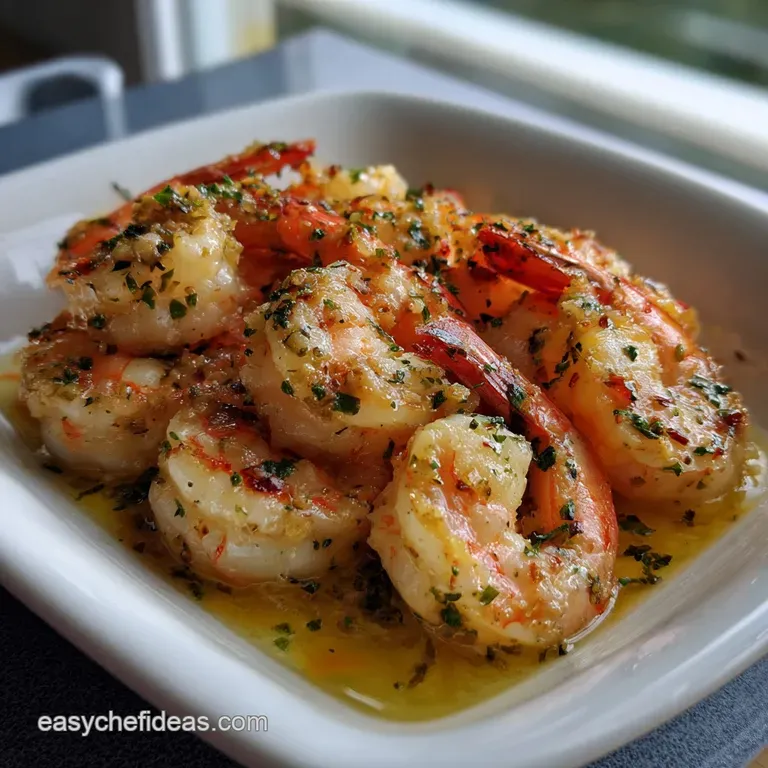
- Time: Active 10 minutes, Passive 5 minutes, Total 15 minutes
- Flavor/Texture Hook: Snappy, buttery, and garlicky
- Perfect for: Elegant New Year's Eve hosting or a sophisticated weeknight treat
- New Year s Eve Food Idea with Garlic Butter Shrimp
- Why This Holiday Dish Works
- Key Nutrition and Timing Data
- Selecting the Finest Seasonal Ingredients
- Tools for Professional Searing Results
- Step-by-Step Culinary Execution Guide
- Solving Common Cooking Obstacles
- Customizing for Diverse Guest Needs
- Batch Expansion Logic
- Maintaining Quality and Reducing Waste
- Side Selection for Your Midnight Feast
- Proportional Adjustments
- Culinary Folklore Versus Reality
- Expert Answers for Perfect Results
- Common Questions
- 📝 Recipe Card
Can you hear that? It's the high pitched sizzle of a 1 lb (450g) batch of Large Shrimp hitting a screaming hot Lodge Carbon Steel Skillet. That sound is the promise of a celebration, the beginning of a night where every bite feels like a small luxury.
New Year's Eve shouldn't be about stressing over a stove while everyone else is clinking glasses and sharing stories. Why do we always choose recipes that keep us tucked away in the kitchen for hours?
I used to do exactly that, but then I realized the most festive flavors often come from simplicity and high-quality ingredients handled with care.
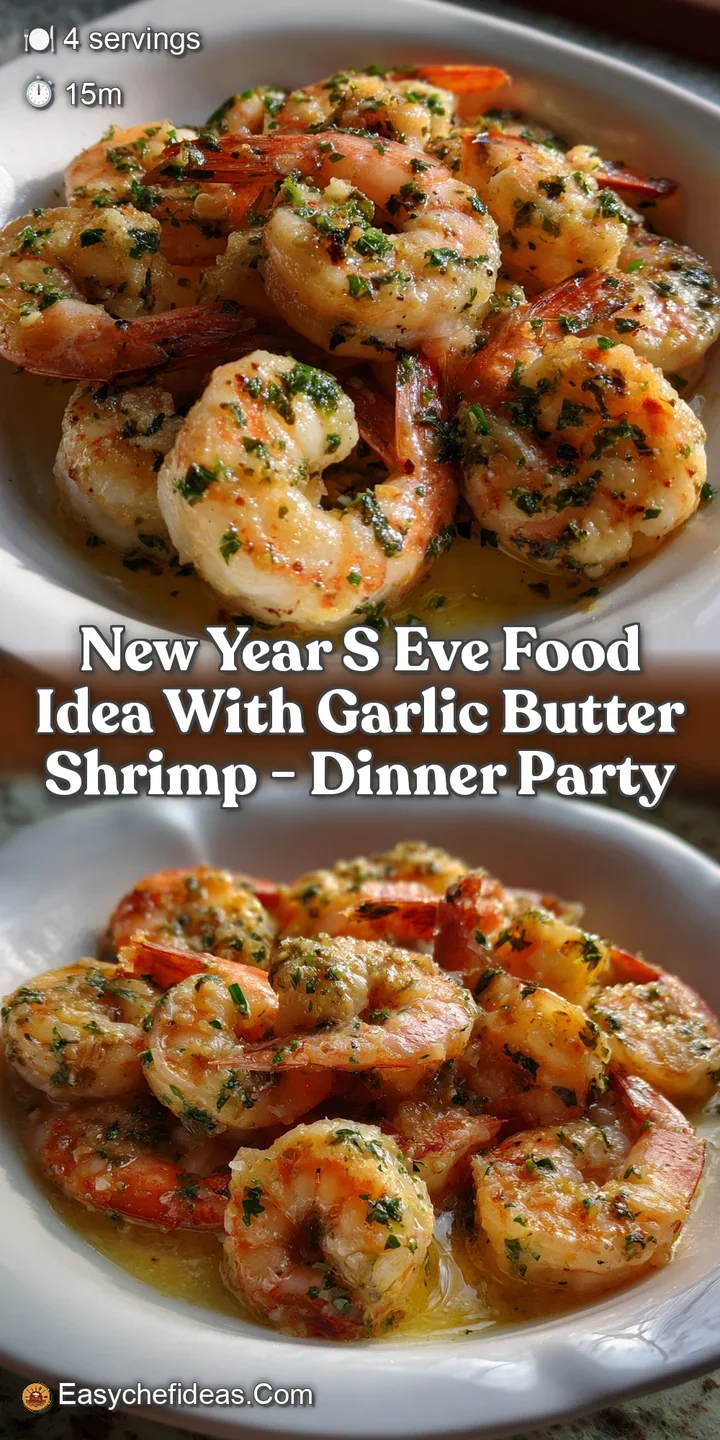
Get ready to celebrate with this delicious New Year's Eve food idea: garlic butter shrimp! This isn't just another seafood dish; it's a study in contrasts. You have the firm, snappy texture of the shrimp meeting a silky, melted butter sauce that clings to every curve.
It's a recipe that respects your time while providing a nourishing, communal experience for your guests. There’s something deeply satisfying about a platter of steaming, aromatic seafood placed in the center of a table, encouraging everyone to dive in with crusty bread and good conversation.
We are focusing on the "monter au beurre" technique today, which is just a fancy French way of saying we're thickening the sauce with cold butter at the very end. This ensures the sauce doesn't break into a greasy puddle but instead becomes a cohesive, glossy coating.
The pungency of the 4 cloves of minced Garlic mellows out in the heat, becoming sweet and nutty rather than sharp. Trust me on this, once you master the timing of the sear, you’ll never go back to rubbery, overcooked shrimp again.
Let's crack on and make this the best midnight snack or dinner starter you've ever served. It truly shines as a memorable New Year s Eve Food Idea with Garlic Butter Shrimp.
New Year s Eve Food Idea with Garlic Butter Shrimp
- Sweet/Savory
- The natural sweetness of the 1 lb (450g) Large Shrimp paired with the savory depth of toasted garlic.
- Crisp/Tender
- A hard exterior sear with a tender, juicy interior.
- Bright/Rich
- The heavy, luxurious 4 tbsp (56g) Unsalted Butter cut by the sharp 1 tbsp Fresh Lemon Juice.
Why This Holiday Dish Works
- Maillard Reaction: over High heat searing creates hundreds of flavor compounds as amino acids and sugars on the shrimp's surface react. Unlike boiling or slow poaching, this creates a savory crust that enhances the overall "meatiness" of the shellfish.
- Cold Butter Emulsification: Adding chilled, cubed 4 tbsp (56g) Unsalted Butter at the end prevents the fat from separating. The milk solids in the cold butter act as a natural stabilizer, creating a velvety sauce rather than an oily one.
- Protein Denaturation: By cooking the shrimp only until they form a "C" shape, we stop the protein coils from tightening too much. This preserves the internal moisture, preventing that "rubbery" texture common in overcooked seafood.
- Acid Balance: The 1 tbsp Fresh Lemon Juice provides a necessary pH shift that brightens the heavy fats. It acts as a palate cleanser, making each bite feel as fresh as the first. This excellent balance is what makes the New Year s Eve Food Idea with Garlic Butter Shrimp so appealing.
Key Nutrition and Timing Data
In the culinary world, precision is the difference between a good meal and a memorable one. This recipe is designed for efficiency, allowing you to spend more time with your community and less time staring at a timer.
| Feature | Specification |
|---|---|
| Portion Size | 4 servings |
| Active Cooking | 5 minutes |
| Prep Requirement | 10 minutes |
| Protein Content | 23.4 g per serving |
| Fat Content | 15.5 g per serving |
| Internal Temp Check | 120°F (49°C) |
Selecting the Finest Seasonal Ingredients
Component Analysis
| Ingredient | Chemical/Physical Role (Science) | The Pro Secret (Why This Matters) |
|---|---|---|
| Large Shrimp (16 20 ct) | Myofibrillar protein structure | Larger shrimp provide more surface area for searing without overcooking the center. |
| Unsalted Butter | Fat-in-water emulsion | Using unsalted (like Kerrygold) allows you to control the salinity of the final sauce perfectly. |
| Fresh Garlic | Allicin development | Mincing just before cooking maximizes the aromatic sulfur compounds for a deeper flavor. |
| Lemon Juice | Citric acid denaturation | The acid slightly "cooks" the surface while cutting through the richness of the butter. |
The Essential Grocery List
- 1 lb (450g) Large Shrimp (16 20 count): Why this? Larger shrimp have a better surface-to-volume ratio for a over high heat sear. Ensure they are peeled and deveined, but leave the tails on for a better presentation and a "handle" for guests.
- 1/2 tsp Sea Salt: We use Diamond Crystal Kosher Salt or a fine sea salt for even distribution across the protein.
- 1/4 tsp Cracked Black Pepper: Freshly cracked is non-negotiable for that floral, spicy hit.
- 1 tbsp Neutral Oil: Why this? Avocado oil has a high smoke point (520°F), preventing acrid flavors during searing.
- 4 tbsp (56g) Unsalted Butter: Why this? Chilled, cubed butter is essential for creating a stable, creamy emulsion.
- 4 cloves Garlic: Minced finely so it disperses into every millimeter of the sauce.
- 1/2 tsp Crushed Red Pepper Flakes: This adds a gentle warmth that builds as you eat.
- 1 tbsp Fresh Lemon Juice: Always squeeze fresh; bottled juice lacks the volatile oils found in the zest and fresh pulp.
- 2 tbsp Fresh Parsley: Finely chopped for a hit of color and a grassy, fresh finish.
Tools for Professional Searing Results
To achieve that perfect "shatter" on the outside of the shrimp, the equipment you choose is just as important as the ingredients. This equipment setup ensures success for any New Year s Eve Food Idea with Garlic Butter Shrimp.
- Lodge Carbon Steel Skillet: This is my go-to for seafood. It heats up faster than cast iron but retains heat better than stainless steel. If you don't have one, a heavy duty stainless steel pan works well.
- Stainless Steel Tongs: Essential for flipping the 1 lb (450g) Large Shrimp individually to ensure even browning.
- Microplane: If you want to add a bit of zest (highly recommended), this tool is the gold standard.
- Digital Instant Read Thermometer: To hit that 120°F (49°C) sweet spot every time.
step-by-step Culinary Execution Guide
Right then, let's get into the heat of it. This process moves fast, so have all your ingredients measured and ready before the oil even touches the pan.
The over High heat Sear
- Pat the shrimp dry.Note: Excess moisture causes steaming instead of searing, which prevents the Maillard reaction. Use a paper towel to remove every drop of water from the 1 lb (450g) Large Shrimp.
- Season the protein.Note: Salt draws out moisture, so do this right before they hit the pan. Sprinkle the 1/2 tsp Sea Salt and 1/4 tsp Cracked Black Pepper evenly over both sides.
- Heat the skillet.Note: The oil should shimmer and just barely start to wispy smoke. Add the 1 tbsp Neutral Oil to your Lodge skillet over medium high heat.
- Sear the first side.Note: Do not crowd the pan; work in two batches if necessary. Place the shrimp in a single layer and cook for 60 to 90 seconds until the bottom edges turn a vibrant opaque pink and a golden crust forms.
The Aromatic Infusion
- Flip and sear the second side.Note: Shrimp cook incredibly fast. Turn them over and cook for another 60 seconds until the shrimp curl into a loose "C" shape and lose their translucency.
- Lower the heat.Note: Garlic burns at temperatures above 350°F. Turn the burner down to medium low and move the shrimp to the perimeter of the pan.
- Toast the aromatics.Note: This releases the essential oils into the residual fat. Add the 4 cloves of minced Garlic and 1/2 tsp Crushed Red Pepper Flakes to the center of the pan for 30 seconds until the garlic smells nutty and turns a very pale straw color.
The Silky Finish
- Mount the butter.Note: This is the secret to a velvety sauce. Toss in the 4 tbsp (56g) Unsalted Butter (chilled and cubed) and stir constantly until the butter melts into a thick, glossy pale yellow sauce that coats the shrimp.
- Add the acid.Note: The lemon juice stops the cooking process and balances the fats. Pour in the 1 tbsp Fresh Lemon Juice and stir for 15 seconds.
- Garnish and serve.Note: Parsley loses its bright flavor if cooked too long. Turn off the heat and fold in the 2 tbsp Fresh Parsley until the green flecks are evenly distributed and the sauce is shimmering.
Chef's Tip: To get that professional "restaurant sheen," add a teaspoon of cold water or white wine along with the butter. The liquid helps stabilize the emulsion, making the sauce even silkier. This final touch elevates any New Year s Eve Food Idea with Garlic Butter Shrimp.
Solving Common Cooking Obstacles
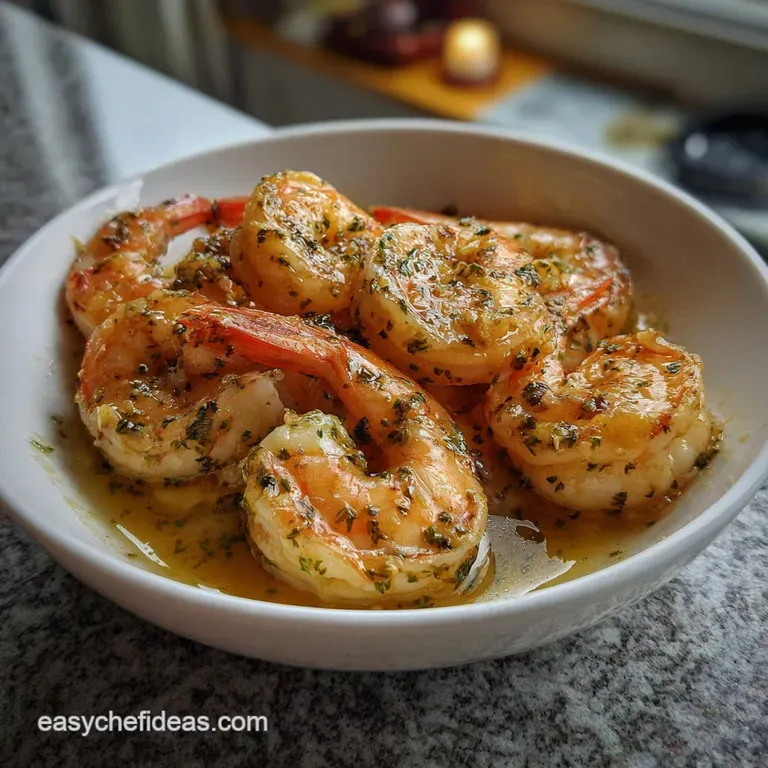
Even the most experienced home cooks can run into trouble when dealing with delicate proteins like shrimp. The key is understanding the "why" behind the failure.
Why Is The Shrimp Rubbery?
When shrimp are exposed to heat for too long, the muscle fibers contract violently, squeezing out all the internal moisture. This turns a juicy crustacean into something resembling a pencil eraser. Scientifically, this is over denaturation of proteins.
| Problem | Root Cause | The Fix | Pro Protocol |
|---|---|---|---|
| Rubbery Texture | Cooking beyond 140°F | Pull at 120°F | Use an instant read thermometer for every batch. |
| Gray/Soggy Skin | Pan was too cold | Heat oil until it shimmers | Only sear 5 6 shrimp at a time to keep pan temp high. |
| Bitter Aftertaste | Burned garlic | Garlic added too early | Add garlic only after the main sear is complete. |
Why Is The Sauce Oily?
If your sauce looks like a pool of melted yellow grease rather than a creamy coating, your emulsion has "broken." This usually happens because the pan was too hot when the butter was added, causing the milk solids to separate from the fat.
To fix this, remove the pan from the heat immediately and whisk in a teaspoon of cold water to bring the temperature down and re-bind the fats.
Customizing for Diverse Guest Needs
When hosting a New Year's Eve gathering, it's important to nourish everyone, regardless of their dietary restrictions. This recipe is naturally gluten-free, but here are some other adaptations for your New Year s Eve Food Idea with Garlic Butter Shrimp.
For a dairy-free Celebration
If you have guests who avoid dairy, you can replace the 4 tbsp (56g) Unsalted Butter with a high-quality vegan butter substitute or even a thick coconut cream. Coconut Cream (Full Fat): Adds a subtle tropical note; works beautifully with the garlic and lemon.
Ghee: While not strictly dairy-free (it’s clarified butter), many people with lactose sensitivity can tolerate it. It provides an even deeper, toasted flavor.
For a Low-Carb Crowd
This recipe is already incredibly keto friendly with only 2.1 g of carbs per serving. To keep it that way, serve the shrimp over a bed of zoodles (zucchini noodles) or alongside roasted asparagus rather than with bread. This ensures everyone can enjoy the Classic Shrimp Salad recipe vibes without the heavy starch.
Batch Expansion Logic
Scaling this recipe for a large party requires a bit of math and physics. You can't just double everything and expect the same results because of the "evaporation paradox" and pan crowding.
- Scaling Up (2x or 4x): If you are cooking 2 lbs or 4 lbs of shrimp, do not double the salt and spices exactly. Use a 1.5x ratio for the salt to avoid over seasoning. Most importantly, work in batches. If you crowd the pan with 2 lbs of shrimp at once, the temperature will drop, the shrimp will release their juices, and they will boil in their own liquid instead of searing.
- Scaling Down (1/2): For a quiet night for two, halve all ingredients. Use a smaller 8 inch skillet to ensure the butter doesn't spread too thin and burn before it can emulsify. Successfully adapting this New Year s Eve Food Idea with Garlic Butter Shrimp to any scale is part of the fun.
Maintaining Quality and Reducing Waste
In our kitchen, we believe in using every part of the ingredient to honor the culture and the effort that went into producing it.
- Storage: Keep leftovers in an airtight glass container in the fridge for up to 2 days. To reheat, do not use the microwave! It will turn the shrimp into rubber. Instead, warm them gently in a skillet over low heat with an extra splash of water or butter.
- Freezing: You can freeze cooked garlic butter shrimp for up to 1 month, though the texture of the sauce may change slightly upon thawing.
- Zero Waste - The Shells: If you buy whole shrimp, never throw away the shells. Simmer them with some onion scraps, carrot tops, and water for 20 minutes to create a quick seafood stock. Freeze this in ice cube trays to add a boost of umami to future soups or risottos. The shells are packed with chitin and proteins that create a deep, savory liquid.
Side Selection for Your Midnight Feast
While these shrimp are a star on their own, they love company. Pairing them with the right sides can turn an appetizer into a full, nourishing meal.
- Crusty Sourdough: Essential for mopping up that liquid gold garlic butter.
- Bright Greenery: A crisp arugula salad with a light vinaigrette provides a peppery contrast to the rich butter.
- Sauce Variations: If you want to add a spicy, creamy kick, try serving these alongside a small bowl of Peruvian Green Sauce recipe. The cilantro and lime in the sauce play beautifully with the garlic shrimp.
- Beef Pairings: For a "Surf and Turf" vibe, serve these alongside a small bowl of Beef Mince Lentil recipe for a grounding, hearty contrast.
Proportional Adjustments
The Mathematics of Multiplication
| Number of Guests | Shrimp Amount | Butter Amount | Spice Scaling |
|---|---|---|---|
| 2 Guests | 0.5 lb | 2 tbsp | 0.5x |
| 4 Guests | 1 lb | 4 tbsp | 1x |
| 8 Guests | 2 lb | 6 tbsp | 1.5x |
| 12 Guests | 3 lb | 9 tbsp | 2x |
Culinary Folklore Versus Reality
Myth: You must remove the tails before cooking for a better eating experience. Truth: Keeping the tails on actually protects the thinnest part of the shrimp from overcooking.
Plus,, the shells contain sugars and proteins that contribute to the flavor of the sauce during the searing process. This is a key consideration when planning your New Year s Eve Food Idea with Garlic Butter Shrimp.
Myth: Fresh shrimp is always better than frozen. Truth: Most "fresh" shrimp at the grocery store counter was previously frozen and thawed. Buying high-quality "flash frozen" shrimp (IQF - Individually Quick Frozen) is often better because it was frozen at the peak of freshness, right on the boat.
Expert Answers for Perfect Results
Why didn't my shrimp get a brown crust?
The most common cause is moisture. If the shrimp are damp, the heat of the pan goes into evaporating that water rather than browning the protein. This creates steam. Another cause is "crowding." If the shrimp are touching each other, they trap steam between them. Give them space to breathe!
Can I use frozen shrimp without losing texture?
Absolutely. The key is to thaw them properly. Place the frozen shrimp in a bowl of cold water (never hot!) for about 15 to 20 minutes. Once thawed, you must dry them thoroughly. If they are still icy in the middle, they will release too much water in the pan and ruin your sear.
How to keep shrimp warm for a party?
Shrimp are best served immediately. However, if you must wait, place them in a shallow dish and cover tightly with foil. Keep them in a warm oven (the lowest setting, usually 170°F) for no more than 10 15 minutes. Any longer and they will begin to toughen.
Why is my garlic tasting bitter?
Garlic contains natural sugars that caramelize quickly. If the pan is too hot or the garlic is cooked for more than a minute, those sugars burn, turning the garlic dark brown and bitter.
Always add your garlic toward the end of the cooking process when the pan has cooled slightly from the addition of the shrimp or a lower heat setting.
This New Year s Eve Food Idea with Garlic Butter Shrimp is more than just a recipe; it's a way to bring people together through the universal language of good food. The diversity of textures the snap of the shrimp, the silk of the butter mirrors the diversity of the people we share our tables with.
As you head into the new year, I hope this dish brings a bit of light, nourishment, and community to your celebration. Happy cooking, and even happier eating!
Common Questions
What is the secret to a non-oily sauce?
Add cold, cubed butter off-heat for emulsification. This technique, known as monter au beurre, stabilizes the fat and liquid structure, preventing separation.
- Whisk vigorously to incorporate
- Ensure butter is fully chilled
- Do not return pan to direct heat
Can I use salted butter instead of unsalted?
Unsalted butter for precision control. Salted brands vary (80-200mg sodium per tbsp), making standardization impossible. Unsalted lets you adjust salt based on the inherent salinity of your shrimp.
How do I prevent the shrimp from becoming rubbery?
Pull shrimp when they form a loose "C" shape. Protein denaturation causes rubberiness when shrimp reach an internal temperature above 140°F (60°C). If you mastered the sensory doneness cues here, apply them to our [Classic Chicken and Dressing Recipe Southern Comfort Food] for perfect results.
What oil is best for the initial searing?
Use oil with a high smoke point like avocado oil. High heat searing requires an oil that won't break down or produce acrid flavors before the Maillard reaction occurs. This preserves the clean flavor profile.
Can I substitute fresh garlic for minced garlic paste?
Minced garlic burns faster than crushed garlic pieces. The smaller the surface area, the faster the sugars caramelize, leading to bitterness. For a smoother sauce, use very finely minced garlic added after the shrimp are cooked.
Myth: Should I cook the parsley ahead of time?
Myth: Cooking fresh herbs for long times deepens flavor. Reality: Parsley's volatile aromatics are delicate; prolonged heat destroys their bright, grassy notes. Add it last, off-heat, for maximum impact.
Is this garlic butter shrimp recipe gluten-free?
Yes, the shrimp preparation is naturally gluten-free. Since the sauce relies on butter, lemon, and garlic, there are no wheat products involved, making it safe for celiac guests. This same reliance on pure fat emulsification is crucial when making [Silky Seafood Stock: Ocean's Essence at Home].
Garlic Butter Shrimp Nye Idea
Ingredients:
Instructions:
Nutrition Facts:
| Calories | 248 kcal |
|---|---|
| Protein | 23.4 g |
| Fat | 15.5 g |
| Carbs | 2.1 g |
| Fiber | 0.3 g |
| Sugar | 0.2 g |
| Sodium | 445 mg |
