Filet Mignon Recipe with Garlic Butter
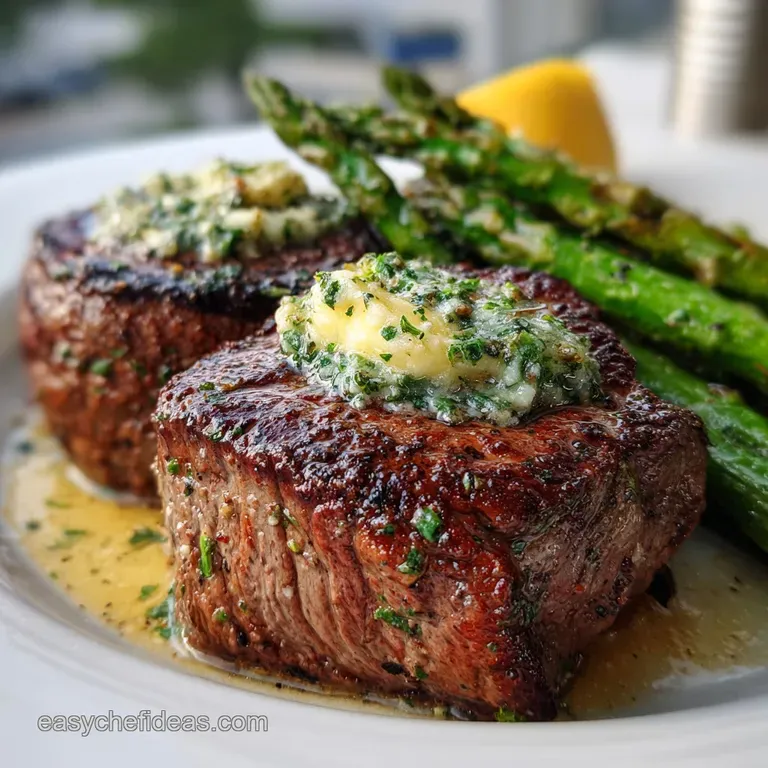
- Time: Active 12 minutes, Passive 55 minutes, Total 1 hours 7 mins
- Flavor/Texture Hook: Silky, melt in-your mouth beef with a salty, garlic infused crust.
- Perfect for: Anniversary dinners, celebrating a promotion, or a weekend treat for two.
- The Best Filet Mignon Recipe with Garlic Butter
- Essential Recipe Specifications
- Component Analysis and Selection
- Kitchen Tools for Success
- Step-by-Step Cooking Process
- Troubleshooting and Common Mistakes
- Special Dietary Adaptations
- Storage and Zero Waste
- Perfect Sides and Pairings
- Myths About Searing Steak
- Very High in Sodium
- Recipe FAQs
- 📝 Recipe Card
The Best Filet Mignon Recipe with Garlic Butter
The first time I tried to cook a high end steak at home, it was a disaster. I bought the most expensive cut I could find, threw it into a cold pan with some cheap oil, and ended up with something that looked like a gray sponge.
I was so disappointed because I wanted that sensory explosion you get at a steakhouse that intense sizzle when the meat hits the iron, the nutty aroma of browning butter, and that first bite that practically dissolves on your tongue.
We've all been there, standing over a smoky stove, hoping the center is pink but fearing it's raw. But here's the thing: making a world class Filet Mignon Recipe with Garlic Butter isn't about luck or professional kitchen gadgets. It's about respecting the meat and understanding how heat interacts with fat.
Once you master the rhythm of the sear and the baste, you'll realize that nourishing your friends and community with a home cooked masterpiece is far more rewarding than any reservation.
I've spent years refining this method, moving past the mistakes of my early cooking days. This isn't just a meal; it's a way to bring people together over a shared appreciation for quality ingredients. We are going to use specific techniques, like tempering the beef and utilizing a high smoke point oil, to ensure that when you finally slice into that steak, it's everything you dreamed it would be. If you are looking for more foundational skills, you can always check out my other How to Cook recipe for more variations.
Essential Recipe Specifications
Before we heat up the pan, we need to talk about the physical state of your steak. For a Filet Mignon Recipe with Garlic Butter to turn out velvety rather than chewy, the beef needs to be at the right temperature before it even touches the pan.
This section outlines the core timing and visual cues that will guide you through the process.
The Alchemy of Aromatic Basting Fat soluble compounds in the garlic and herbs dissolve into the hot butter, which then coats the meat to deeply infuse every fiber. This mechanism ensures the aromatics penetrate the crust rather than just sitting on the surface.
| Thickness | Internal Temp | Rest Time | Visual Cue |
|---|---|---|---|
| 1.5 inches | 130°F (Medium Rare) | 5-7 minutes | Warm pink center |
| 1.5 inches | 140°F (Medium) | 5-7 minutes | Light pink throughout |
| 1.5 inches | 150°F (Medium Well) | 5-7 minutes | Mostly brown center |
When you are working with premium cuts, every degree matters. The carryover cooking effect means your steak will continue to rise in temperature by about 5 degrees while it rests. Never skip the resting phase, or those beautiful juices will end up on your cutting board instead of inside the meat.
Trust me, patience is the most important ingredient in this entire process.
Component Analysis and Selection
Choosing your ingredients is where the diversity of flavor begins. We aren't just buying "steak" and "butter"; we are selecting components that work together to create a balanced profile of salt, fat, and earthiness.
For this Filet Mignon Recipe with Garlic Butter, I highly recommend sourcing grass fed butter because it has a higher beta carotene content and a deeper, more complex flavor that stands up to the richness of the beef.
| Ingredient | Science Role | Pro Secret |
|---|---|---|
| Kosher Salt | Denatures proteins | Apply 45 mins early to pull moisture back in |
| Avocado Oil | High smoke point | Prevents bitter, burnt oil flavors at 400°F+ |
| Grass fed Butter | Emulsion & flavor | Add only at the end to prevent milk solids from burning |
| Smashed Garlic | Infusion | Leave skin off but keep clove whole to avoid bitter bits |
- 2 center cut filet mignon steaks: Look for steaks approx. 7 oz each and at least 1.5 inches thick. Why this? Thickness allows for a deep crust without overcooking the center.
- 1.5 tsp kosher salt: Avoid fine table salt. Why this? Larger grains distribute more evenly and draw out moisture better.
- 1 tsp coarsely cracked black peppercorns: Freshly cracked is non negotiable. Why this? Pre ground pepper loses its volatile oils and peppery bite.
- 1 tbsp avocado oil: Or another over high heat oil like grapeseed. Why this? It won't break down or smoke excessively during the initial sear.
- 3 tbsp unsalted grass fed butter: Use high-quality butter for the best mouthfeel. Why this? Grass fed butter has a lower water content and richer flavor.
- 4 cloves garlic, smashed and peeled: Don't mince them. Why this? Whole cloves infuse the butter without burning to a crisp.
- 3 sprigs fresh thyme: Earthy and floral. Why this? Thyme oils are released slowly in the hot butter bath.
- 1 sprig fresh rosemary: Piney and bold. Why this? It provides a classic steakhouse aroma that defines the dish.
Kitchen Tools for Success
You don't need a professional kitchen, but a few specific tools will make this Filet Mignon Recipe with Garlic Butter much easier to execute. A heavy bottomed skillet, preferably cast iron (like a Lodge 10 inch), is my go to.
Cast iron holds heat better than stainless steel, which means when you drop that cold ish meat into the pan, the temperature doesn't plummet. This is the secret to getting that "shatter" texture on the crust.
Aside from the pan, a reliable digital meat thermometer is your best friend. I used to try the "finger poke" test to check for doneness, but honestly, it's a guess at best. A quick probe in the center of the steak takes the anxiety out of the process.
You'll also want a large spoon for the basting a standard soup spoon works perfectly to scoop up that foaming, fragrant garlic butter and pour it over the searing beef.
| Tool | Necessity | Substitution |
|---|---|---|
| Cast Iron Skillet | High | Heavy stainless steel pan |
| Meat Thermometer | High | Digital probe or instant read |
| Metal Tongs | Medium | Large fork (but be careful not to pierce meat) |
Having your tools ready before you start is part of the "mise en place" philosophy. It keeps the kitchen calm and allows you to focus on the sensory cues the smell of the herbs, the sound of the sear, and the color of the butter.
This preparation is what helps us nourish our guests without the stress of a chaotic kitchen.
step-by-step Cooking Process
Now we get to the fun part. Put on some music, pour a glass of something nice, and let's get that pan hot. This process is all about timing and observation. We want to see that deep mahogany color develop on the beef while keeping the interior silky and tender.
1. The Tempering and Dry Brine
Pat the steaks completely dry with paper towels. Sprinkle the 1.5 tsp kosher salt and 1 tsp cracked peppercorns on all sides, including the edges. Let them sit at room temperature for at least 45 minutes. Note: This allows the salt to penetrate the fibers and the temperature to even out.
2. The Initial over High heat Sear
Heat the 1 tbsp avocado oil in your skillet over medium high heat until you see wisps of smoke. Place the steaks in the pan they should create a loud, aggressive sizzle immediately. Leave them alone for 3 to 4 minutes.
3. Creating the Crust
Flip the steaks using tongs. They should have a dark, craggy brown crust. Sear the second side for another 3 minutes. Smell for a rich, toasted aroma that indicates the Maillard reaction is working its magic.
4. Adding the Aromatics
Turn the heat down to medium. Add the 3 tbsp butter, 4 smashed garlic cloves, thyme, and rosemary sprigs to the pan. Watch for the butter to foam and turn golden.
5. The Aromatic Butter Baste
Tilt the pan slightly so the melting butter pools at the bottom with the herbs and garlic. Use a large spoon to continuously pour the hot, flavored butter over the steaks. Listen for the gentle crackling of the herbs as they fry.
6. Precision Temperature Check
Baste for 2 to 3 minutes while checking the internal temperature. Remove the steaks from the pan when they reach 125°F for medium rare. Note: The temperature will rise as it rests.
7. The Essential Rest
Transfer the steaks to a warm plate or cutting board. Pour a little of the remaining garlic butter from the pan over them and tent loosely with foil. Wait 7 minutes before even thinking about cutting them.
8. Serving the Masterpiece
Slice the meat against the grain or serve whole. The interior should be edge to edge pink, while the exterior remains crispy and salt forward.
Troubleshooting and Common Mistakes

Even the best cooks run into issues. Sometimes the pan isn't hot enough, or the garlic decides it wants to turn into charcoal. If things start going sideways, don't panic. Cooking is a learning process, and most mistakes can be fixed or avoided next time with a little knowledge.
Avoiding Gray Meat
A "gray ring" inside the steak usually means the heat was too low for too long, or the meat was too cold when it hit the pan. If you see this happening, you can't reverse it, but you can save the flavor by ensuring your butter baste is extra vibrant.
Next time, make sure you let the steak sit out for the full 45 minutes.
Fixing Burnt Garlic
Garlic turns bitter the second it goes from golden to dark brown. If your garlic cloves look like they are burning during the basting phase, simply pluck them out with tongs and discard them. The butter has already taken on most of the flavor, and leaving burnt bits in the pan will ruin the entire sauce.
| Problem | Root Cause | Solution |
|---|---|---|
| No crust on beef | Pan not hot enough or meat was wet | Pat dry and wait for oil to smoke before searing |
| Bitter aftertaste | Burnt garlic or herbs | Remove aromatics earlier; lower the heat during basting |
| Cold center | Steak was straight from fridge | Temper meat for 45-60 mins before cooking |
A quick checklist for your next Filet Mignon Recipe with Garlic Butter: ✓ Pat the meat bone dry with paper towels (moisture is the enemy of the sear) ✓ Ensure the oil is shimmering and slightly smoking before the steak goes in ✓ Use a heavy pan that retains heat well ✓ Don't move the steak
for the first 3 minutes to allow the crust to form ✓ Always use a thermometer to avoid the "guesswork" of doneness
Special Dietary Adaptations
One of the beautiful things about this Filet Mignon Recipe with Garlic Butter is how naturally it fits into many ways of eating. Because we are focusing on whole ingredients beef, fat, and herbs it’s inherently nourishing for those on low carb or keto paths.
However, there are ways to tweak it if you have specific needs or just want to try a different flavor profile.
For a Paleo & Whole30 Version
If you are avoiding dairy, you can substitute the butter with ghee. Ghee is clarified butter, meaning the milk solids have been removed. It has a much higher smoke point than regular butter, which is actually a bonus for searing! It still provides that rich, nutty flavor that makes this recipe so special.
You'll lose the "foaming" action of the milk solids, but the flavor remains top tier.
To Reduce Saturated Fat
While this is an indulgent dish, you can lighten the "butter bath" by using a 50/50 mix of extra virgin olive oil and butter for the basting phase. You won't get the same thick, velvety coating, but you'll still enjoy the aromatic infusion of the garlic and herbs.
Just be sure to keep the heat at medium to prevent the olive oil from smoking.
If you want a Peppery Bistro Twist: Increase the cracked peppercorns to 2 tsp. Press the pepper firmly into the meat to create a "crust." Deglaze the pan with a splash of beef stock after removing the steaks to make a quick pan sauce.
Storage and Zero Waste
Leftover steak is a rare occurrence in my house, but if you do find yourself with an extra filet, you've got the start of an incredible lunch the next day. To store, let the meat cool completely before wrapping it tightly in plastic wrap or placing it in an airtight container.
It will stay fresh in the fridge for up to 3 days.
Zero Waste Tips for Aromatics: Don't throw away those garlic cloves and herb sprigs! The garlic becomes soft and sweet during the cooking process. You can mash the leftover garlic into a paste and spread it on toast, or toss the herbs into a container of olive oil to make a quick infused oil for your next salad. If you have extra butter in the pan, pour it into a small jar and keep it in the fridge it's liquid gold for sautéing mushrooms or drizzling over The Garlic Butter recipe later in the week.
To reheat without turning your medium rare steak into a hockey puck, I suggest the low and slow method. Put the steak in a 250°F oven for about 10-15 minutes until it’s just warmed through.
This prevents the exterior from overcooking while gently bringing the center back to life.
Perfect Sides and Pairings
When you have a main dish this rich and flavorful, you want sides that provide a bit of contrast. I love serving this Filet Mignon Recipe with Garlic Butter alongside something bright or starchy. A crisp arugula salad with a lemon vinaigrette cuts through the fat of the butter perfectly. Alternatively, you can't go wrong with classic mashed potatoes or even some The Garlic Butter recipe to soak up all that extra herb butter from the pan.
If you are looking for something a bit more comforting, this steak pairs beautifully with my Homemade Tuna Noodle recipe if you are doing a "surf and turf" style spread for a larger crowd. The diversity of textures the crunch of the steak and the velvety sauce of the casserole makes for a truly memorable meal.
Myths About Searing Steak
There is a common misconception that searing meat "seals in the juices." In reality, moisture loss happens regardless of how hard you sear the surface. The real reason we sear is for the Maillard reaction a chemical reaction between amino acids and reducing sugars that gives browned food its distinctive flavor.
It's about taste and texture, not hydration!
Another myth is that you should only flip a steak once. Actually, flipping the steak every minute or so (after the initial crust is set) can help it cook more evenly and faster. However, for this specific basting method, we flip once to get that deep crust, then use the butter to finish the cooking process.
Both ways work; it just depends on the texture you're after.
Finally, some people think you shouldn't salt steak until right before it hits the pan. I've found that salting at least 45 minutes early (or up to 24 hours in the fridge) allows the salt to dissolve and be reabsorbed into the meat, seasoning it deeply.
If you salt right before, the moisture stays on the surface and creates steam, which prevents that beautiful crust from forming. Trust the process, and you'll nourish your soul with the best steak you've ever made.

Very High in Sodium
1745 mg of sodium per serving (76% of daily value)
The American Heart Association recommends limiting sodium intake to about 2,300mg per day for most adults.
Tips to Reduce Sodium in Your Filet Mignon
-
Reduce Added Salt-25%
The recipe currently uses 1.5 tsp of kosher salt. Reduce this to 0.75 tsp, or even eliminate it entirely, and adjust to taste after cooking. This significantly lowers the sodium content while still allowing for flavor.
-
Consider Unsalted Butter-5%
While this recipe uses unsalted butter, ensure the butter you purchase is truly unsalted. Even trace amounts of salt in butter can contribute to sodium levels.
-
Boost Flavor with Herbs
This recipe already uses thyme and rosemary, which is great! Explore other fresh herbs like oregano, sage, or even a pinch of red pepper flakes to enhance the flavor profile without adding sodium.
-
Garlic Power
Ensure your garlic is fresh and potent! Fresh garlic provides a strong flavor, so you don't need to compensate with salt. Consider roasting the garlic cloves for a sweeter, more intense flavor.
-
Pepper It Up!
You're already using black peppercorns. Experiment with different types of peppercorns, like white, green, or pink, or a blend of all three to add complexity and depth without relying on sodium.
Recipe FAQs
How to cook fillet steak with garlic butter?
Pat steaks dry, season, and sear over high heat. Flip, reduce heat, add butter, garlic, and herbs, then baste for 2-3 minutes until desired temperature is reached. Rest for 7 minutes before serving.
What is the best sauce to put on a filet mignon?
Garlic butter sauce is a classic and excellent choice. It complements the rich flavor of the filet without overpowering it. For something richer, try The Pub Classic Juicy Steak with Velvety Garlic Cream Sauce.
Is it good to cook steak in garlic butter?
Yes, it's excellent for flavor infusion. Cooking steak in garlic butter allows the aromatics to meld with the beef's natural richness, creating a delicious crust and tender interior.
How does Gordon Ramsay cook the perfect filet mignon?
Gordon Ramsay emphasizes a hot pan sear and butter basting. He typically seasons well, sears on high heat, then adds butter, garlic, and thyme, basting continuously until the steak is perfectly cooked and rests it properly.
Can I use olive oil instead of avocado oil for searing?
Yes, but choose one with a high smoke point like extra virgin. Avocado oil is preferred for its very high smoke point, ensuring it won't burn during the initial sear, but a good quality EVOO can work if managed carefully.
When should I add the garlic and herbs?
Add them when the butter goes in, after the initial sear. This allows them to gently infuse the butter and flavor the steak during the basting process without burning.
Why is resting the steak so important?
Resting allows the juices to redistribute throughout the meat. Skipping this step will result in the juices running out onto the plate when you cut into it, leading to a drier steak.
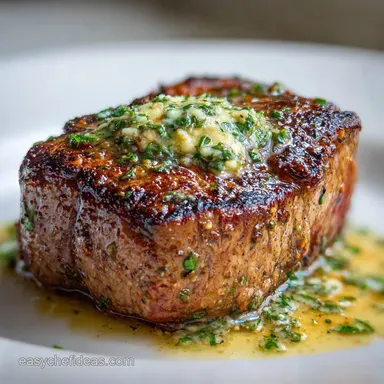
Garlic Butter Filet Mignon
Ingredients:
Instructions:
Nutrition Facts:
| Calories | 584 kcal |
|---|---|
| Protein | 48 g |
| Fat | 44 g |
| Carbs | 2 g |
| Fiber | 1 g |
| Sugar | 0 g |
| Sodium | 1745 mg |
