Whole Wheat Pancakes: Fluffy Morning Stack
- The Proper Whole Wheat Morning Stack: Fluffy Wholemeal Pancakes
- The Science of the Stack: Why These Whole Wheat Pancakes Rise Higher
- Essential Components for Your Wholemeal Wonders
- Mastering the Technique: Simple Steps to Achieve Light Pancakes
- Expert Tips for Perfect Whole Wheat Pancakes (Troubleshooting Guide)
- What to Serve with Your Wholemeal Stack
- Recipe FAQs
- 📝 Recipe Card
The Proper Whole Wheat Morning Stack: Fluffy Wholemeal Pancakes
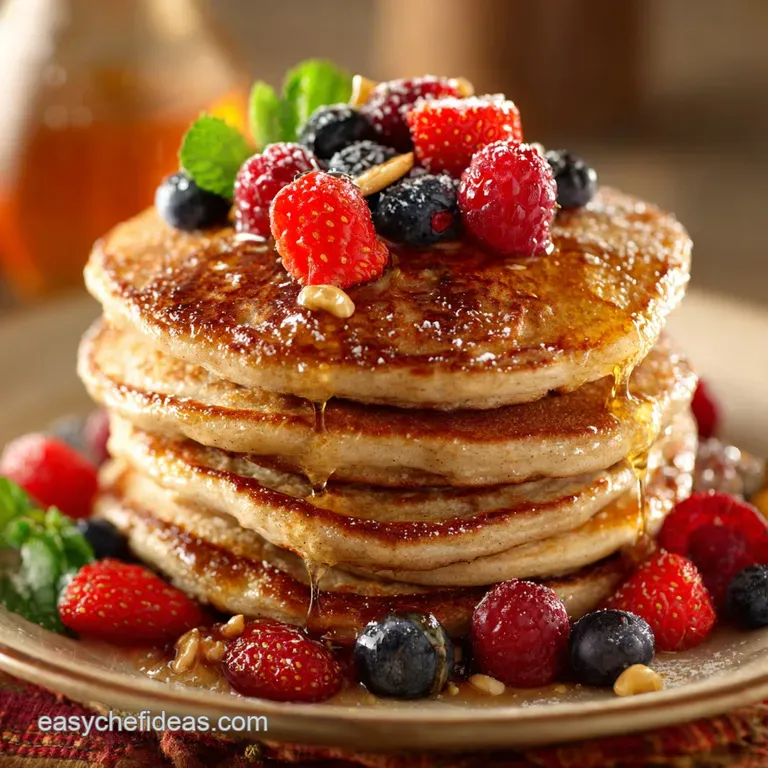
That glorious, slightly nutty aroma hitting you when the first one sizzles on the griddle? That’s pure weekend magic. These aren't the dry, cardboard discs your health obsessed uncle used to make; these are proper, light, golden stacks.
The edges are perfectly crisp, the centres are airy, and they feel substantial without weighing you down for hours.
Honestly, this Fluffy Whole Wheat Pancakes recipe completely changed my weekend routine. It takes barely 10 minutes of active time, uses standard pantry staples, and tastes absolutely incredible.
Who needs those expensive, fancy brunch spots when you can master this level of wholesome fluffiness at home? Plus, you get that extra fibre boost, which is brilliant.
We are officially ditching the dense and leaning into the utterly delightful. We’re going to talk about the secret science of wholemeal hydration and why a simple 15 minute wait makes all the difference.
Get ready to mix, rest, and stack the best Whole Wheat Pancakes From Scratch you’ve ever had.
The Science of the Stack: Why These Whole Wheat Pancakes Rise Higher
Why Whole Wheat Pancakes Often Fail (And How We Fix It)
Most whole wheat recipes fail because wholemeal flour is a moisture hog. Unlike all-purpose flour, whole wheat flour contains the germ and bran, which are thirsty components. If you mix it quickly and cook it immediately, those bran particles haven't had time to soften, resulting in a gritty texture and a heavy, dense final product.
Our fix is simple: discipline and patience. We force the flour to hydrate completely before it hits the heat.
Nutritional Boost: The Benefits of Wholemeal Flour
You know I’m all about taste, but if we can get a health win, I’ll take it. Using whole wheat flour (sometimes called wholemeal) means you’re retaining all the good stuff. We're talking serious fibre content and essential nutrients that white flour lacks.
These Healthy Whole Wheat Pancakes keep you feeling full and satisfied much longer than their bleached counterparts.
What Makes This Recipe Different?
We are leveraging a two-pronged attack: acid and rest. The cold buttermilk reacts powerfully with the baking soda to create immediate lift, while the baking powder gives us sustained lift as the pancakes heat up. But the real game changer is the hydration period.
Giving the batter 15– 20 minutes means the wholemeal flour fully absorbs the liquid, allowing the pancakes to achieve a tender, non-gritty crumb.
The Power Duo: Baking Soda vs. Baking Powder
Using both leaveners is key to getting genuinely light whole wheat pancakes. Baking soda needs an acid (which we get from the buttermilk) to activate immediately. This gives us that initial, crucial expansion.
Baking powder is double acting, meaning it releases gas both when it hits liquid and later, when it hits the heat. This combination ensures maximum lift, which we need to combat the natural heaviness of the bran in whole wheat flour.
The Importance of Resting the Batter (Gluten Hydration)
Don't skip the rest, seriously. When you mix the batter, you wake up the gluten. If you cook it right away, the gluten is tense and makes the pancake tough it fights the leavening agents. Resting lets the gluten relax and allows the bran particles in the whole wheat flour to absorb the liquid fully.
This single step is the difference between a light, fluffy pancake and an edible brick.
Perfecting the Whole Wheat Texture
Whole wheat pancakes can easily turn dry because the flour absorbs so much moisture. We counter this by using plenty of cold buttermilk and a little melted butter for richness. This keeps the batter supple and moist.
If you want a quick, equally healthy stack, you should totally check out my recipe for [4Ingredient Flourless BananaNut Pancakes: Quick, Healthy, 15 Minute Recipe] but for that classic American stack, this whole wheat version wins every time.
Essential Components for Your Wholemeal Wonders
Choosing Your Whole Wheat Flour (Stoneground vs. Standard)
Look for fine ground whole wheat flour. Sometimes, "stoneground" varieties can have slightly coarser bran pieces, which make it harder to achieve a truly smooth, light texture. Standard, finely milled whole wheat works beautifully here.
If you only have coarser flour, let the batter rest for 5 minutes longer to ensure optimal hydration.
Dairy Decisions: Milk, Buttermilk, or Non-Dairy Alternatives
Buttermilk is non-negotiable for the absolute best result because it provides the necessary acidity. If you simply use regular milk, you'll need to drastically increase the vinegar or lemon juice to activate the baking soda. I insist you use cold buttermilk. It seriously helps the rise.
Sweeteners and Fats: Adjusting for Flavor Balance
I use light brown sugar because it adds a lovely depth of flavour that complements the nuttiness of the whole wheat. You can certainly substitute granulated sugar, but you lose that slight caramel note. Using melted butter adds richness and softness; don't use oil unless you absolutely have to!
Ingredient Swap Chart: Easy Wholemeal Pancake Substitutions
| Ingredient | The Best Choice | Viable Substitution | Notes |
|---|---|---|---|
| Whole Wheat Flour | Fine Ground Whole Wheat | White Whole Wheat Flour | Lighter flavour, still nutritious. |
| Buttermilk | Cold Full Fat Buttermilk | Milk + 1 Tbsp Vinegar/Lemon Juice | Essential for activating the baking soda. |
| Brown Sugar | Light Brown Sugar | Granulated Sugar or Maple Syrup (2 Tbsp) | If using maple syrup, reduce buttermilk by 1 Tbsp. |
| Melted Butter | Unsalted Butter | Grapeseed or Avocado Oil | For richness, avoid strong oils like olive oil. |
Mastering the Technique: Simple Steps to Achieve Light Pancakes
Stage 1: Combining Dry and Wet Ingredients Separately
This is baking 101, but it’s critical. Whisk all your dry ingredients thoroughly in a big bowl first. This ensures the baking soda and baking powder are perfectly distributed throughout the flour. You don't want a pocket of raw baking powder destroying one pancake!
Then, combine all your wet ingredients in a separate bowl.
Stage 2: Gentle Mixing and Hydration Time (Crucial Step)
Pour the wet into the dry. Now, put the whisk down and pick up a rubber spatula. Fold gently. Mix only until the flour is barely incorporated and you see no more dry streaks. The batter must be lumpy I repeat, lumpy!
This lumpy batter must then rest for 15– 20 minutes. Go make a coffee or set the table; you're on a mini break.
Chef's Note: If you see a smooth batter, you have already overmixed it. Overmixing develops gluten, which makes the Whole Wheat Pancakes tough and dense. Embrace the lumps!
Stage 3: Testing the Pan Temperature (The Water Drop Trick)
Heat is everything. Too cold, and they spread out into thin discs; too hot, and the outside burns before the inside cooks. Test the medium high heat by flicking a small drop of water onto the griddle. If it immediately evaporates with a little hiss, you're too hot. If it sits there and bubbles lazily, you're too cold.
The perfect temperature is when the water droplet dances briefly before evaporating.
Stage 4: Cooking, Flipping, and Stacking
Lightly brush the pan with butter or oil, and wipe away the excess with a paper towel. Ladle out ¼ cup of batter for each pancake. Cook until bubbles start popping and staying open on the surface. Also, the edges should look dry and set. This takes 2 to 3 minutes.
Flip quickly and cook for another 1 to 2 minutes until perfectly golden brown.
Expert Tips for Perfect Whole Wheat Pancakes (Troubleshooting Guide)
Troubleshooting Thin Batter: Quick Fixes
Did your batter come out too thin after resting? Maybe your flour absorbs less liquid, or your egg was small. Don't panic. Gently stir in 1 to 2 tablespoons of extra whole wheat flour, stirring as little as possible.
If you want a thicker, more cake like stack, try adding a tablespoon of Greek yogurt to the resting batter; it thickens everything beautifully.
The Golden Rule: Stop Overmixing!
I know I’ve mentioned it, but it’s the most common mistake. Overmixing is the enemy of fluffy pancakes. Once you start incorporating the wet and dry ingredients, you have about 10 15 folds before you need to stop. The batter should look rustic, not glossy and smooth.
How to Keep a Batch Warm While Cooking
Pancakes cool so quickly, right? As you finish cooking, transfer the finished stacks to a wire rack placed on a baking sheet. Pop them into a very low oven, around 80°C (175°F). The rack prevents steam from building up underneath, keeping the bottoms crisp while the oven keeps them warm.
Can I Turn This Batter into Whole Wheat Waffles?
You bet! This recipe works brilliantly as a waffle batter. The rest time is still essential. Just ensure your waffle iron is well oiled and piping hot. The whole wheat makes these particularly hearty.
If you are serving these for brunch, maybe add a few chocolate chips it reminds me of my [HeartShaped Chocolate Chip Banana Pancakes: Perfectly Fluffy Brunch] recipe, just with whole wheat goodness!
Best Way to Store Leftover Cooked Pancakes
Once cooled completely, stack the leftovers with small squares of parchment paper between each pancake. This prevents them from freezing together in a solid block. Place the stack in an airtight container or a heavy duty freezer bag. They store well in the fridge for up to 3 days.
Freezing Instructions for Long Term Freshness
These Best Whole Wheat Pancakes freeze brilliantly for up to 2 months. Use the parchment paper trick mentioned above. To reheat, you have a few options: toast them briefly in a toaster oven, microwave them in 30 second bursts, or reheat them directly on a over low heat, dry griddle until warmed through.
They taste practically fresh.
What to Serve with Your Wholemeal Stack
You’ve done the hard part making the lightest whole wheat stacks known to man. Now, serve them properly. My top picks are always high-quality Grade A maple syrup (use the real stuff, please!) and a generous pat of cold, cultured butter that melts beautifully. Don't forget fresh fruit.
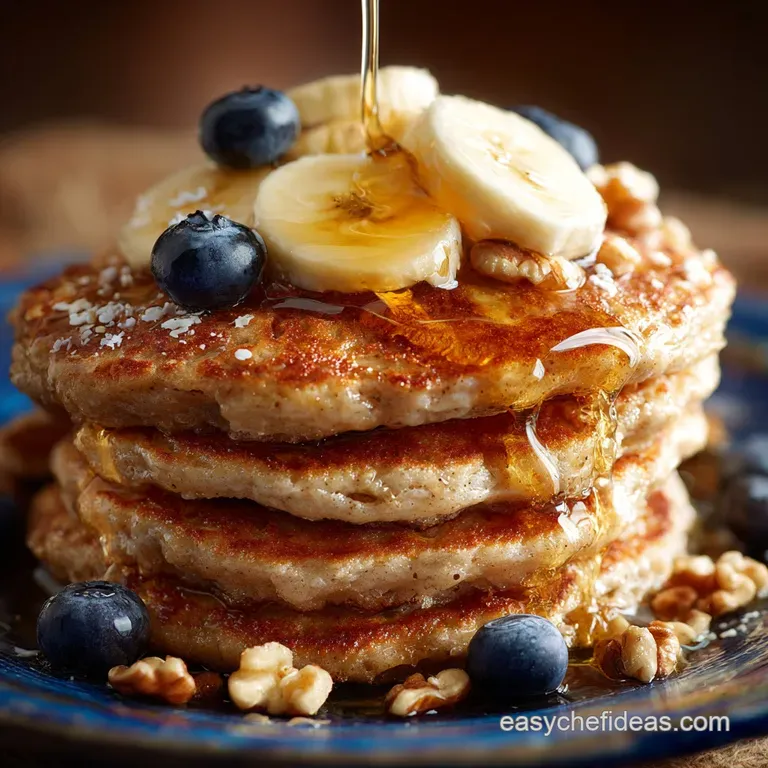
A simple berry compote or sliced banana takes this breakfast over the top!

Recipe FAQs
Why are my whole wheat pancakes coming out dense and heavy?
Density is usually caused by overmixing the batter, which develops the gluten in the whole wheat flour, making the pancakes tough. Mix only until the dry streaks disappear, leaving plenty of lumps, and then allow the batter to rest for at least 10 minutes before cooking.
Ensure your whole wheat flour is properly hydrated to prevent a brick like texture.
Can I make these Whole Wheat Pancakes vegan, and what substitutions work best?
Absolutely. Substitute the dairy milk with a neutral non-dairy milk like oat or almond milk, and replace the chicken eggs using a flax egg (1 tablespoon ground flaxseed mixed with 3 tablespoons water, rested for five minutes).
Note that vegan batters may rise slightly less, so ensure your leavening agents (baking powder/soda) are fresh for maximum lift.
My whole wheat pancakes look fluffy but taste dry. What did I do wrong?
Whole wheat flour is significantly thirstier than all-purpose flour and requires time to absorb moisture fully. If your batter was too thick before resting, the flour may have absorbed all the free liquid, resulting in a dry finished product.
Next time, check the batter consistency after the resting period and add a splash more milk if it resembles thick mud.
How do I know when to flip the pancakes, especially since the batter is darker?
The visual cues for whole wheat are the same as standard pancakes: wait until you see large, distinct bubbles break and hold on the surface of the batter. The edges should look set, dry, and slightly dull before you attempt to flip, which guarantees that the bottom side is cooked and golden brown.
Flip quickly and only flip them once to maintain height.
Do I really need both baking soda and baking powder in the recipe?
Yes, using both leavening agents provides the best structure for hearty whole wheat batters. Baking soda reacts immediately with the acid in the recipe (often buttermilk or vinegar) for an initial burst of rise, while baking powder provides a secondary, reliable lift once the pancake hits the heat.
This combination ensures maximum fluffiness and a tender crumb.
How should I store and reheat leftover pancakes?
Allow the cooked pancakes to cool completely on a wire rack before stacking them, using small squares of parchment paper between layers to prevent sticking. Store them in an airtight container in the refrigerator for up to three days, or freeze them for up to two months.
The best way to reheat is in a toaster or a preheated oven until crisp on the edges, avoiding the microwave if possible, which makes them rubbery.
Can I substitute some of the whole wheat flour with other flours like spelt or oat flour?
You can successfully substitute up to one-quarter of the whole wheat flour with another whole grain flour like spelt or finely ground oat flour. Note that both spelt and oat flour absorb liquid differently than traditional whole wheat; oat flour in particular will require a bit more hydration.
Start with the listed liquid amount and adjust accordingly after the resting period.
Fluffy Whole Wheat Pancakes
Ingredients:
Instructions:
Nutrition Facts:
| Calories | 98 kcal |
|---|---|
| Protein | 4.8 g |
| Fat | 2.4 g |
| Carbs | 14.4 g |
