Cauliflower Gnocchi: the Perfect Fluffy Recipe with Brown Butter Sage
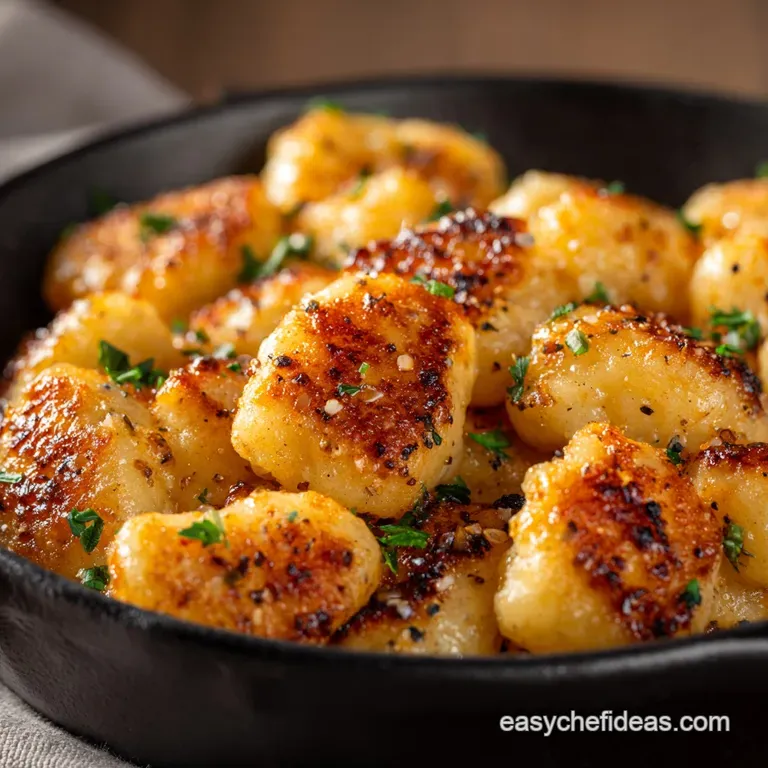
- Achieving Airiness: Why Homemade Cauliflower Gnocchi Triumphs
- The Science of Fluff: Why This Cauliflower Gnocchi Recipe Works
- Essential Ingredients and Moisture Control Notes
- How to Form and Cook Perfect Cauliflower Gnocchi
- Troubleshooting Texture: Chef’s Tips for Avoiding Gummy Gnocchi
- Prep Ahead: Freezing and Storing Your Cauliflower Gnocchi Dough
- Pairing Perfection: Sauce Ideas Beyond Brown Butter and Sage
- Recipe FAQs
- 📝 Recipe Card
Achieving Airiness: Why Homemade Cauliflower Gnocchi Triumphs
You know the smell, right? It’s that intoxicating, nutty fragrance of butter gently browning, mingled with the crisp, earthy scent of fried sage. This is the aroma of pure, unapologetic comfort food, but surprisingly, it’s a healthy weeknight win.
Forget everything you thought you knew about those dense, gummy store-bought Cauliflower Gnocchi bags because we are rewriting the rulebook today.
I absolutely promise you that making this at home is easier than you think, and the result is wildly superior. This recipe is a lifesaver when you want that carby hug without the actual carb coma.
Plus, buying one head of cauliflower is definitely cheaper than buying four tiny portions of processed gnocchi from the freezer aisle.
We are going to master the one thing most recipes mess up: moisture control. Once you realize that dry cauliflower is your key to pillowy perfection, you’ll never look back. Ready to crack on and make the lightest, fluffiest gnocchi ever? Let’s dive in.
The Science of Fluff: Why This Cauliflower Gnocchi Recipe Works
The Myth of the Gummy store-bought Cauliflower Gnocchi
Honestly, most pre-made cauliflower gnocchi is terrible. Why? Because they try to pack it full of cheap binders and skip the critical drying step. They rely on sheer starch power, leading to dense, pale little lumps that seize up in the pan.
The Trader Joe's version is fine if you're desperate, but it’s no competition for this fresh, light, airy experience.
What Makes This Recipe a Weeknight Triumph?
This recipe achieves that elusive fluffy texture by focusing on weight and hydration. We are using just enough flour to bind the dried cauliflower, leaning on the natural starchiness of the vegetable rather than relying on excess gluten development.
It’s quick, it uses simple ingredients, and it feels incredibly sophisticated when you serve it up.
A Note on Difficulty: Mastering the Dough Texture
Is it hard? No, but it requires patience during the prep phase. The dough should be soft, slightly tacky, but manageable. The moment you feel the need to add cup after cup of flour, stop! You’ve added too much moisture, or you’re over kneading it.
A little tackiness is good; sticky chaos is bad.
The Critical Role of Roasting vs. Steaming the Cauliflower
I know some cooks swear by roasting cauliflower to dry it out, but I find steaming and then squeezing works best for gnocchi. When you steam it, the florets become incredibly soft and easy to rice or process quickly. The key then is the aggressive towel squeeze, which wrings out the moisture released during cooking. If you want another great way to utilize cooked cauliflower, you could try this method in my recipe for Best Cheesy Cauliflower Bake Recipe Easy Comfort Food .
Flour Ratios and the Importance of 'Just Enough'
The amount of flour listed is a starting point, completely dependent on how well you drained your cooked cauliflower. This is why I stress using a scale for the flour (125g) and being brutal about the squeezing.
If you end up having to add a ton more flour, the gnocchi will be heavy, and you’ve failed the fluff test. Use the "Test Gnoccho" trick before you boil the whole batch.
The Brown Butter Finish: Building Maximum Flavor Depth
Brown butter is non-negotiable here. It adds a nutty, deep, almost caramelised flavour that perfectly complements the subtle sweetness of the cauliflower and the earthiness of the sage. You turn inexpensive butter into a complex, gourmet sauce in about five minutes.
Don't skip the step where you let the sage leaves crisp up in the browning butter; they are edible gold.
Chef’s Note: The difference between simply melted butter and brown butter (or beurre noisette ) is flavor complexity. Watch for the milk solids turning amber at the bottom of the pan that’s your flavor cue!
Essential Ingredients and Moisture Control Notes
| Ingredient | Why it's Important | Substitute |
|---|---|---|
| Cauliflower | Needs to be bone dry post steaming for texture. | None for this recipe, but ensure it's fresh and firm. |
| All-Purpose Flour | Provides structure and binding. | Use 1:1 gluten-free Blend with Xanthan Gum. |
| Potato Starch | Acts as a binder without adding extra gluten. | Tapioca starch or cornstarch works, but potato starch is superior for texture. |
| Butter | Needed for the essential brown butter sauce. | Use high-quality olive oil infused with garlic for a Vegan Gnocchi Recipe. |
| Fresh Sage | Adds the classic, fragrant counterpoint to the richness. | Fresh Rosemary or Thyme, but sage is traditional. |
Choosing the Right Cauliflower Head for Minimal Water Content
Look for a compact, heavy head of cauliflower that is bright white and firm. Avoid any that look bruised or damp. If you notice a lot of green leaves attached, that usually means it’s fresher and hasn't been sitting around losing moisture.
Optimal Flour Choices (Including gluten-free Substitutions)
I usually reach for standard all-purpose flour because the gluten development is so minimal anyway. However, if you are looking for a Healthy Cauliflower Gnocchi or aiming for a certified gluten-free meal, a 1:1 GF blend works beautifully.
Just make sure the blend includes a binder like xanthan gum to hold those little pillows together when they boil.
Crafting the Crispy Sage and Nutty Brown Butter
Don't panic when you make brown butter; it moves fast. Keep swirling the pan once the butter melts and foams. The second you see the milk solids turn golden brown and smell that heavenly, nutty aroma, pull the pan off the heat immediately. Toss the sage leaves in early so they have time to crisp up without burning.
How to Form and Cook Perfect Cauliflower Gnocchi
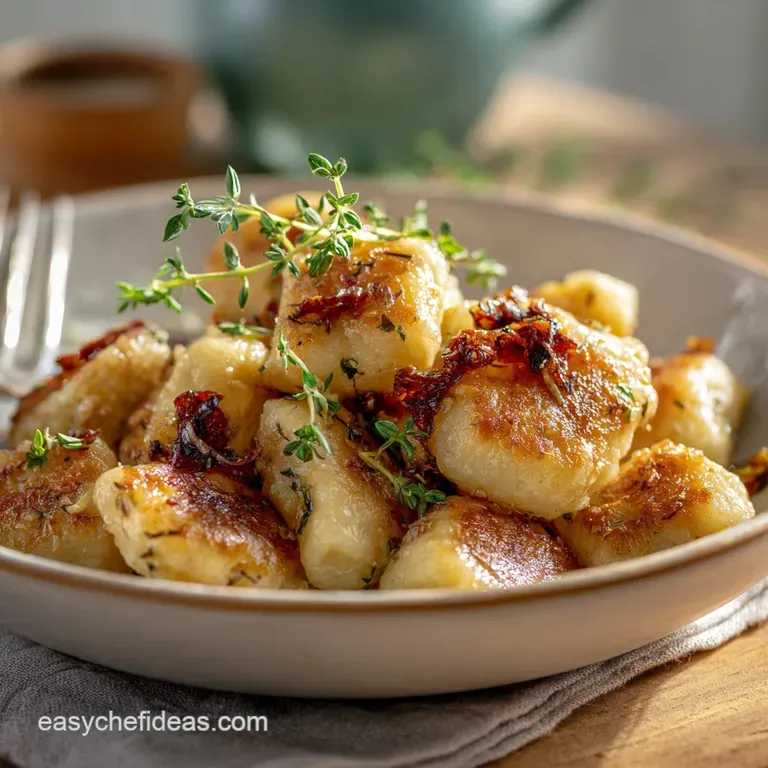
Prepping the Base: Ricing and Drying the Cauliflower
After steaming the florets until they are tender enough to squish easily, get them into the food processor. Pulse only until they resemble a fine, smooth mash don't over process into a paste. Then comes the critical, non-negotiable step: transferring that hot mash onto a clean, thick kitchen towel.
Twist the towel and squeeze, squeeze, squeeze! You are trying to achieve what looks like dry cauliflower 'snow.' Seriously, this step is the difference between fluffy gnocchi and sinkers.
The Gentle Mixing Technique for Dough Formation
Once the cauliflower mash is cooled, combine it with your dry ingredients in a bowl. Start folding it gently using a spatula. We are aiming for minimal contact and minimal kneading. As soon as the mixture shags up and starts holding together, stop.
Overworking the dough develops too much gluten, which equals tough, chewy gnocchi (and we want light, pillowy gnocchi!).
Boiling vs. Pan-Frying the Gnocchi
You must boil the gnocchi first. Boiling sets the starch and structure, making sure they are cooked through before you introduce them to the dry heat of the pan. Pan-frying, which we do after boiling, is purely for adding that wonderful golden brown crust and coating them in the sauce.
This two-step method ensures maximum flavor and texture contrast.
The Searing Step: Getting That Golden Crust
This is where your Healthy Cauliflower Gnocchi gets truly delicious. Once the gnocchi are drained from the boiling water, they go straight into the hot skillet with the brown butter and sage. Let them sit, undisturbed, for about 60 seconds before tossing.
This contact with the hot metal creates that gorgeous, subtle golden crust that adds complexity to the final bite.
Troubleshooting Texture: Chef’s Tips for Avoiding Gummy Gnocchi
If Your Dough is Too Sticky (The Flour Fix)
If you've followed the moisture control steps and your dough is still too wet to roll, add flour in tiny increments like half a tablespoon at a time. Gently fold it in, testing the dough after each addition. Never dump a quarter cup in at once! If you are running into stickiness often, you might need to embrace the technique used in my Low Carb Cauliflower Fried Rice: Secret to Crispy Keto Perfection and ensure your base ingredient is truly dry before adding anything else.
If Your Gnocchi Dissolves While Boiling
This means your dough lacked enough binder. Did you skip the potato starch? Did you add enough flour initially? If a test gnoccho dissolves, immediately pull the remaining raw dough, knead in one extra teaspoon of flour, and try another test piece.
The dough must be just stable enough to hold its shape under boiling stress.
Mastering the Salted Water Test for Doneness
The water should be salty enough to taste like the sea this seasons the gnocchi from the inside out. Once they float to the surface, they are mostly cooked. Let them bob there for an additional 30 seconds to guarantee they are fully cooked through before pulling them out.
Prep Ahead: Freezing and Storing Your Cauliflower Gnocchi Dough
How to Freeze Uncooked Gnocchi for Later Use
Cauliflower Gnocchi freezes beautifully! Once you have shaped the pieces, lay them in a single layer on a parchment lined baking sheet. Place the sheet in the freezer until the gnocchi are rock hard (about 1- 2 hours). Once solid, transfer them to a freezer safe bag or container.
This prevents them from sticking together into one giant frozen lump. They will last easily for up to 3 months.
Storing Cooked Leftovers Safely
If you have already cooked the gnocchi and they are tossed in the sauce, leftovers can be stored in an airtight container in the fridge for up to 3 days. They will lose some of their airy texture upon cooling, but they still taste fantastic.
Cooking Frozen Gnocchi Directly (No Thawing Required)
This is the best part of prepping ahead! When you're ready to eat, simply drop the frozen gnocchi straight into the heavily salted boiling water. They will take slightly longer to float than fresh ones, typically 4– 5 minutes, but they go straight from the freezer to the plate without any fuss.
I call that ultimate weekday efficiency.
Pairing Perfection: Sauce Ideas Beyond Brown Butter and Sage
If you want to move beyond the Brown Butter and Sage which is perfection, by the way here are a few quick ideas.
- Creamy Comfort: Toss the boiled gnocchi with a light cashew cream sauce and a sprinkle of nutritional yeast for a delicious, dairy-free twist.
- Simple & Zesty: A light lemon garlic butter sauce brightens the whole dish, especially when paired with fresh herbs like parsley and chives.
- Hearty Texture: Pair this with a chunky, slow simmered marinara. For more vegetable inspiration, you could serve this alongside my ultimate comfort food, a massive scoop of Cauliflower Mac and Cheese Recipe: Creamy, Healthy, and Low-Carb .
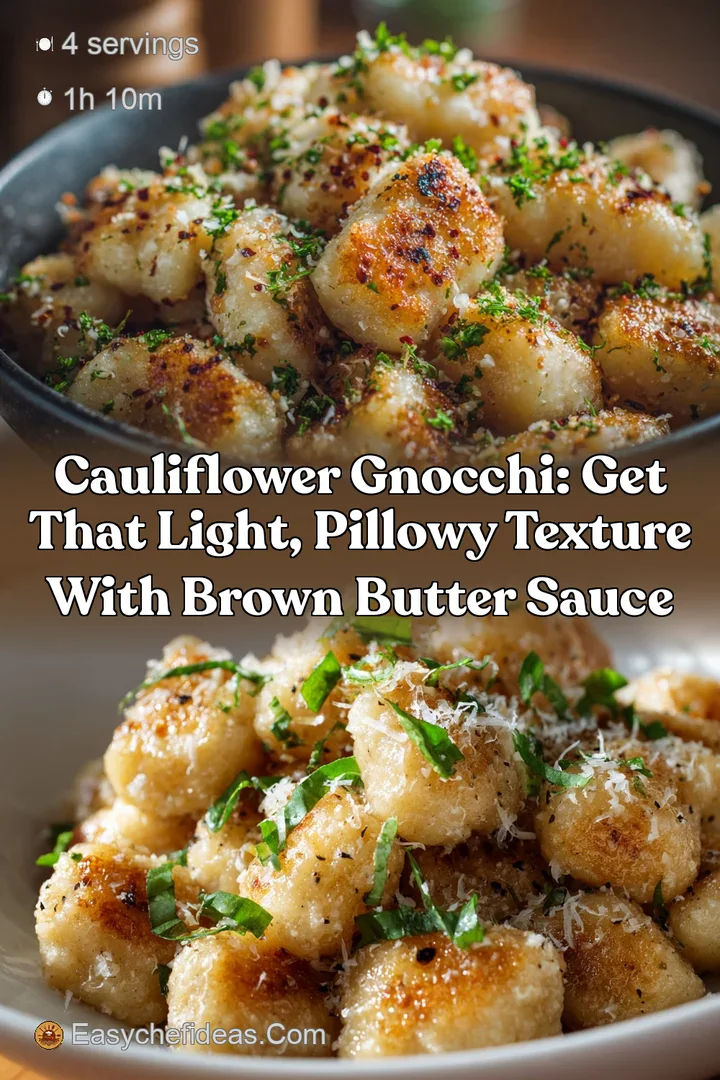
Recipe FAQs
Why are my gnocchi dense and gummy instead of light and fluffy?
This common issue is nearly always caused by excess moisture in the cauliflower puree. You must ensure you wring the cooked cauliflower thoroughly using a cheesecloth or a thick kitchen towel until it is visibly dry before mixing it with the flour.
Additionally, be careful not to overwork the dough once the flour is incorporated, as this develops the gluten and leads to a tougher texture.
What is the best way to freeze the raw cauliflower gnocchi?
The key to successful freezing is to flash freeze the gnocchi first; arrange the raw pieces on a parchment lined baking sheet, ensuring they do not touch, and freeze them until completely solid (about 2 hours).
Once frozen, transfer them to a heavy duty, freezer safe bag or container, where they will keep well for up to three months. Cook the gnocchi directly from frozen, adding a minute or two to the total cooking time.
My gnocchi are dissolving when I boil them. What did I do wrong?
If the gnocchi are falling apart, the dough likely contains too much moisture or needs a little more binder (flour). To salvage the batch, gently work in an additional tablespoon or two of flour until the dough feels firmer, then reshape the gnocchi.
Make sure your water is at a gentle simmer, not a rolling boil, as aggressive cooking can also cause soft gnocchi to break apart.
Can I make this gnocchi recipe completely gluten-free?
Yes, you can substitute the all-purpose flour with a high-quality 1:1 gluten-free baking blend that includes xanthan gum. Be prepared to add slightly more flour overall, as gluten-free blends absorb moisture differently than traditional wheat flour.
The resulting texture will still be soft, though perhaps slightly denser than the original recipe.
Should I roast the cauliflower instead of steaming or boiling it?
Roasting the cauliflower is highly recommended as it imparts a deeper, nuttier flavor and significantly reduces the inherent moisture content, minimizing the drying work required later. If you must steam or boil the florets, make absolutely certain they are cooked until fork tender and rigorously dried afterwards.
Roasting is the easiest path to dry, fluffy gnocchi.
How should I reheat leftover cooked gnocchi?
The best method for reheating is pan-frying the leftovers in a bit of butter or olive oil until they are lightly golden and slightly crispy on the outside. Avoid boiling cooked gnocchi, as they tend to absorb water quickly and become unpleasantly mushy.
You can also toss them directly into a hot sauce pan to reheat them gently.
What is the easiest way to ensure even sizing when shaping the gnocchi?
After rolling the dough into long ropes, use a bench scraper or sharp knife to cut equal sized pieces, ensuring each piece is roughly 3/4 inch long. Even sizing is crucial for consistent cooking, ensuring all the gnocchi float to the surface at the same time.
If desired, lightly press them with the tines of a fork to create ridges for sauce adherence.
Fluffy Cauliflower Gnocchi Brown Butter
Ingredients:
Instructions:
Nutrition Facts:
| Calories | 346 kcal |
|---|---|
| Protein | 9.3 g |
| Fat | 22.3 g |
| Carbs | 27.2 g |
