Asian Edamame Fried Rice: Wok-Starred Ginger Edamame Marvel
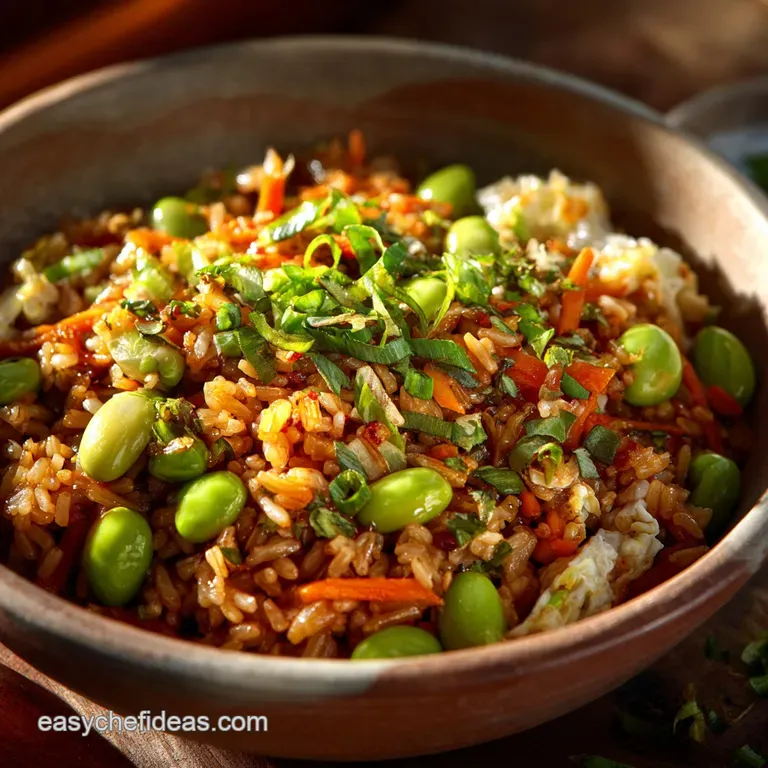
- The Great Green Grain: Introducing Asian Edamame Fried Rice
- Mastering Texture and Umami: The Science of Perfect Fried Rice
- Essential Components for Authentic Asian Edamame Fried Rice
- Wok-Stirred Mastery: Step-by-Step Cooking Method
- Troubleshooting and Expert Wok Tips
- Safe Storage and Reheating Guidelines
- Perfect Pairings: Serving Edamame Fried Rice
- Recipe FAQs
- 📝 Recipe Card
The Great Green Grain: Introducing Asian Edamame Fried Rice
Can you smell that? It's the glorious, slightly smoky aroma of hot ginger and toasted sesame oil hitting a scorching wok. This Asian Edamame Fried Rice is crunchy, savory, and unbelievably fragrant, providing that immediate sensory warmth only true stir fry achieves.
The little pop of the bright green edamame beans provides the perfect textural foil to the dry, separated rice grains.
This recipe is my ultimate weeknight lifesaver; it’s faster than phoning for takeout, significantly healthier, and uses up that sad leftover rice lurking in your fridge. Honestly, if I can whip this up after a 12 hour workday, anyone can.
It’s cheap, incredibly satisfying, and easily tailored to whatever bits of frozen veg you have on hand.
We are aiming for Wok Hei here that subtle, smoky flavor that only comes from high heat and quick cooking. Forget the sticky, gloppy mess you might get from an inferior recipe. This is all about distinct grains, bright flavor, and achieving that crucial nutty crunch from the edamame.
Let's crack on and master this quick cooking marvel.
Mastering Texture and Umami: The Science of Perfect Fried Rice
Beyond Takeout: Why This Recipe Is Essential
Takeout fried rice is usually drenched in heavy oil and sodium, designed to satisfy a quick craving. This edamame fried rice recipe gives you maximum flavor control. By focusing on fresh aromatics like ginger and garlic, we build depth without relying on excessive salt or fat.
Plus, you get a genuinely healthy vegetable loaded meal that still tastes incredibly indulgent.
What Makes Edamame the Perfect Protein for Fried Rice?
Edamame is brilliant in fried rice because it holds its shape beautifully under high heat. Unlike softer peas, these immature soybeans offer a firm, slightly nutty bite that adds incredible textural contrast.
They are also packed with protein, transforming this dish from a simple side of carbs into a robust, fulfilling main meal.
Prep Time vs. Cook Time: A True Weeknight Meal
The real magic here is the speed. The cook time is only about 10 minutes, maybe 12 if you have a slightly smaller stove. The trade off is the prep work, which we call "mise en place." If you chop everything before you start (ginger, garlic, carrots, scallions), the actual stir frying process is a breeze.
Preparation is not optional; it’s mandatory.
Achieving the Nutty Crunch of Edamame
This is simple, but crucial: you must thaw and drain your frozen edamame completely before adding it to the wok. If you throw frozen or wet edamame in, it instantly drops the wok temperature. Suddenly, the water steams the rice, and you lose that crisp, nutty texture we're aiming for.
Pat them dry with a towel if necessary.
The Essential Role of Day-Old Rice (Starch Retrogradation)
This is the non-negotiable rule of fried rice. Freshly cooked rice is too moist and sticky because its starch granules are fully hydrated. When rice sits in the fridge overnight, a process called retrogradation occurs, where the starch hardens and dries out.
Cold, dry, day-old rice prevents clumping and allows the grains to separate and crisp up properly when they hit the hot oil. I once tried to cheat this rule by using lukewarm rice, and I got a sticky, edible, but utterly disappointing mush. Don't be me.
Balancing Bright Ginger and Savory Soy
The flavor profile relies heavily on the fresh ginger, which provides that necessary brightness to cut through the savory soy sauce and umami depth. I use low-sodium soy sauce because we are building layers of flavor, not just adding salt.
A final dash of white pepper adds a sharp, classic Asian finish that’s smoother than black pepper.
Essential Components for Authentic Asian Edamame Fried Rice
The Aromatic Base: Garlic, Ginger, and Scallions
These three ingredients are the soul of the dish. They must hit the hot oil and bloom immediately. We use the white parts of the scallions for cooking and reserve the green parts for a fresh, final garnish.
If you don't have fresh ginger, you could technically use a tiny pinch of dried ground ginger, but trust me, the bright, essential flavor will suffer drastically.
Oil and Sauce Selection: The Foundation of Flavor
You need a neutral oil with a high smoke point for this recipe. Think canola, peanut, or avocado oil. Olive oil is absolutely banned here; it will burn instantly. For the sauce, low-sodium soy sauce is preferred for control.
The optional but highly recommended tablespoon of Oyster Sauce adds massive umami depth; if you need a vegan option, look for mushroom based oyster sauce alternatives.
Chef's Note: Toasted Sesame Oil is an ingredient you add for flavor, not for cooking. Add it after you turn the heat off, otherwise, its delicate flavor will evaporate immediately.
Edamame Formats: Fresh vs. Frozen (Shelled vs. Unshelled)
Frozen, shelled edamame is the easiest and most accessible choice. Just thaw it and dry it well. If you only have unshelled, you'll need to boil and then pop them out first. If you truly cannot find edamame, shelled broad beans (fava beans) or frozen green peas are your next best textural substitutes.
Swapping the Rice: Jasmine, Basmati, or Brown Rice Options
Jasmine rice is the ideal choice for its slight stickiness when cooked, which still separates beautifully when cold. Basmati also works very well, giving you even longer, drier grains. You can use brown rice, but be aware it takes longer to heat through and separate on the stovetop.
Remember the rule: whatever rice you use, it must be completely cold.
Wok-Stirred Mastery: step-by-step Cooking Method
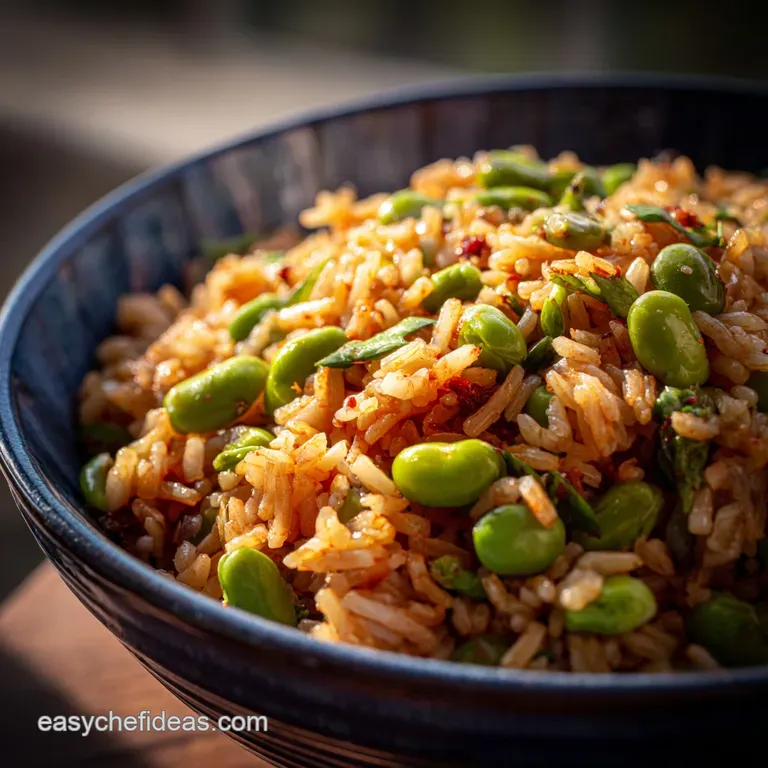
Prepping the Ingredients (Mise en Place)
Get everything ready before you light the burner; this recipe moves fast! Lightly whisk your eggs. Use your hands to break up any large clumps in your cold rice. Combine your soy and oyster sauce in one small bowl so you can pour it all in at once.
Sautéing the Aromatics for Maximum Punch
Heat 1 tablespoon of oil in your wok over the highest heat possible until it shimmers and slightly smokes. Cook your whisked eggs quickly, scrambling them softly for less than a minute. Remove the eggs immediately.
Now, add the remaining oil, wait for it to heat, and throw in the minced garlic, ginger, and white scallions. Stir fry for about 30 seconds until you smell that heavenly fragrance.
Incorporating the Rice and Edamame
Push the aromatics aside and add the cold, separated rice. This is where you need to use force. Use a spatula to press the rice against the hot surface, letting it sit briefly to crisp up, then toss vigorously.
Repeat this drying and searing process for about four minutes until the rice looks truly dry and heated through. Then add your diced carrots, thawed edamame, and corn, tossing for one final minute.
The over High heat Sauce Finish for the Asian Edamame Fried Rice
Pour your prepared sauce (soy/oyster) right over the rice. Crank the heat if it dropped. You want the sauce to sizzle and evaporate within 60 to 90 seconds, coating the rice grains evenly without making them wet. Return the cooked scrambled eggs to the wok and toss just until combined and heated through.
Finally, remove the wok from the heat, drizzle in the toasted sesame oil, and serve immediately, garnished with the fresh green scallions.
Troubleshooting and Expert Wok Tips
Mistake 1: Overcrowding the Wok (The Steaming Effect)
This is the most common home cooking mistake. If you try to double the recipe in one go, the mass of ingredients instantly cools the wok. Instead of frying, you are steaming everything in its own moisture. If you are cooking for six people or more, you must cook the recipe in two separate batches.
Use the highest heat your stovetop allows and stick to the recommended serving size.
Tip 2: Ensuring Separate Rice Grains
If your cold rice is still in a solid block, you will have a tough time separating it on the heat. Before you even turn the stove on, put the rice into a large bowl and run your fingers through it, breaking up the clumps. This step saves you precious minutes of frantic spatula work later.
The Smoke Point Secret: Choosing the Right Oil
Because we are cooking at such intensely high temperatures, we need oil that can handle it. Canola or groundnut oil work perfectly. If you try to use butter or olive oil, they will smoke, burn, and taste terrible before the rice even hits the pan.
Safe Storage and Reheating Guidelines
Refrigerating Leftovers Safely
Because rice is a high risk food if left at room temperature, cooling it quickly is crucial. Transfer any leftovers to an airtight container immediately after dinner (within an hour). Your Asian Edamame Fried Rice will keep perfectly well in the fridge for up to 3 or 4 days.
Can You Freeze Edamame Fried Rice? (Best Practices)
Yes, it freezes surprisingly well, but the texture will soften somewhat upon thawing. Flash freeze the rice first by spreading it in a single layer on a parchment lined baking sheet for an hour. Once frozen solid, transfer it to freezer safe bags, squeezing out as much air as possible. It lasts for up to 3 months.
Restoring the Texture: Reheating Methods
To restore that crunchy, separate texture, avoid the microwave if you can. Reheating is best done in a wok or large skillet over high heat with a tiny splash of fresh oil. Stir fry rapidly for about 3- 4 minutes until the rice is piping hot and the grains look dry again.
Perfect Pairings: Serving Edamame Fried Rice
This fried rice is substantial enough to be a standalone main course, especially due to the high protein content of the edamame and eggs. However, it also serves beautifully as a side dish for your favorite Asian entrees.
If you’re looking for something complementary and savory, it pairs perfectly alongside the deep umami flavor of Asian Glazed Chicken Drumsticks: Easy Recipe for Sticky, Glossy Glaze . If you’re leaning toward a quicker, seafood based option, you could serve smaller portions next to something like 30Minute Shrimp Peas and Rice: Weeknight Coastal Dinner in 28 Minutes , though you’d need less rice in the main course!
For an easy appetizer that provides a fun, acidic crunch before the meal, try whipping up some simple pickled radishes or carrots. Or, for a totally different vibe, I often pair my Asian mains with a surprising deep fried crunch, even sometimes alongside these fantastic Oven Fried Pickles with Herb Ranch Dip Ultra Crispy Baked . It’s a bit of fusion, but hey, we’re home cooks we make the rules!
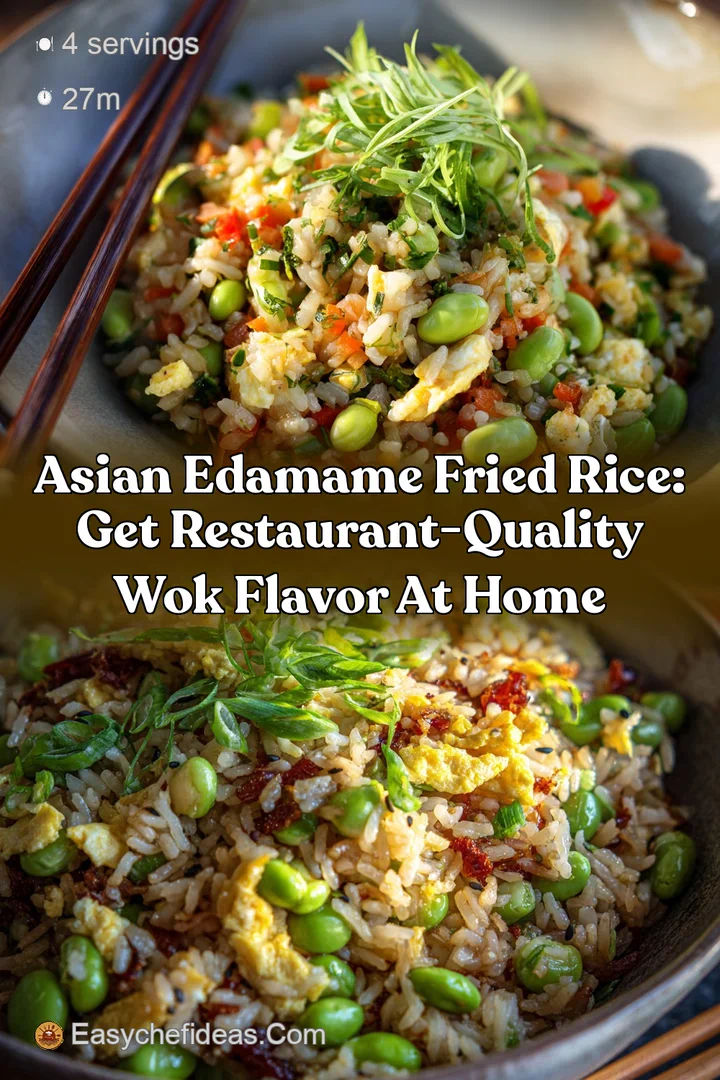
Recipe FAQs
Why is using day-old or pre-chilled rice essential for this recipe?
Cold, day-old rice is crucial because the chilling process dries out the exterior of the rice grains, preventing them from sticking together when tossed in the wok. Using freshly cooked, warm rice introduces too much moisture, resulting in a soggy, gluey texture rather than distinct, separate grains.
I don't own a wok; can I still achieve good results in a regular pan?
Yes, absolutely, but you must use the largest skillet or Dutch oven you have, preferably cast iron or heavy stainless steel for heat retention. Crucially, cook the rice in small batches if necessary to avoid overcrowding the pan, which lowers the temperature and causes the rice to steam instead of fry.
Can I adapt this recipe to be completely vegan or gluten-free?
For a vegan dish, ensure any protein additions like egg are omitted, and swap the regular soy sauce for Tamari to ensure a certified gluten-free alternative. If you are skipping eggs, adding extra chopped mushrooms or a dash of liquid smoke will enhance the umami depth lost from the missing ingredients.
My fried rice is turning out dry and lacking flavor; how do I fix this?
Dryness often results from over evaporation or cooking the rice for too long without enough residual oil coating the grains; make sure you don't overcook the initial aromatics. For flavor, confirm you are using high-quality soy sauce and that the fragrant toasted sesame oil is added right at the very end to maximize its aromatic punch.
What is the best way to store and reheat leftover Edamame Fried Rice?
Store leftovers in an airtight container in the refrigerator for up to 3 to 4 days, ensuring it is cooled quickly before chilling. To reheat, stir fry the rice in a skillet with a small splash of neutral oil over medium high heat until piping hot, avoiding the microwave, which often makes the rice tough and unevenly heated.
Should I thaw frozen edamame before adding it to the wok?
It is highly recommended to quickly blanch or thaw the frozen edamame under hot water and drain it thoroughly before use. Adding frozen vegetables directly to the wok will drastically drop the cooking temperature and introduce excess moisture, which leads to a watery and steamed fried rice texture.
How can I safely boost the heat level without compromising the overall flavor balance?
Incorporate finely minced fresh chili, such as a Thai bird's eye chili, along with the garlic and ginger to build a foundational heat within the oil. Alternatively, stir in a teaspoon of high-quality chili crisp oil (like Lao Gan Ma) right during the final stages of frying, or use a drizzle of Sriracha over the final plated dish.
Edamame Ginger Fried Rice Recipe
Ingredients:
Instructions:
Nutrition Facts:
| Calories | 497 kcal |
|---|---|
| Protein | 17.2 g |
| Fat | 18.1 g |
| Carbs | 59.1 g |
