Sundrenched Sheet Pan Salmon with Lemon Olives and Herbs
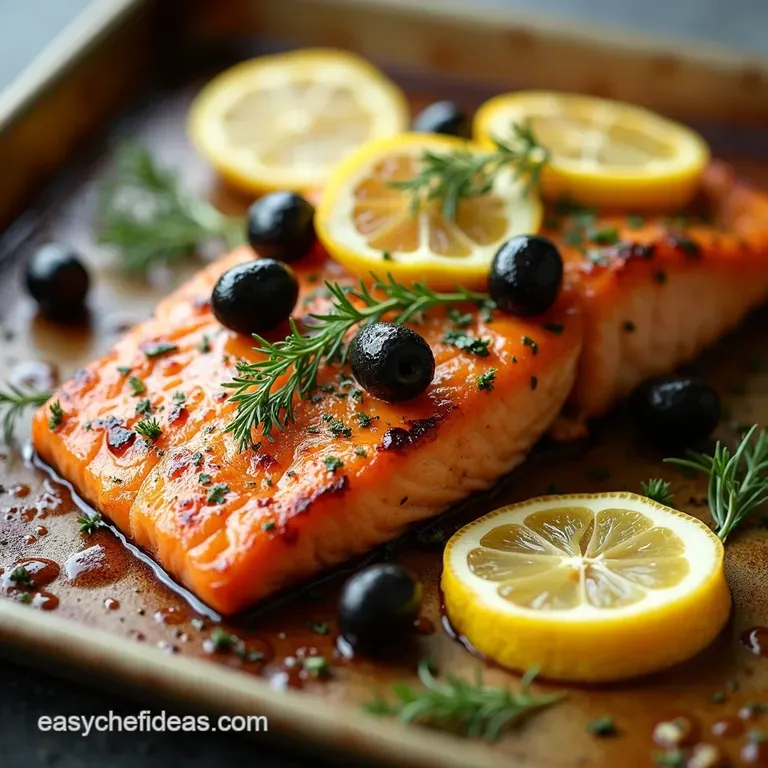
- Why This Sheet Pan Method Redefines Mediterranean Baked Fish
- Capturing the Coastal Vibe: A Quick Overview
- The Essential Pantry Pull for Vibrant Mediterranean Baked Fish
- Sourcing High-Quality Components
- The Assembly Line: Building Your Flavor Base
- Achieving Flaky Perfection: Temperature and Timing Secrets
- Elevating Your Mediterranean Baked Fish Experience
- Storage, Reheating, and Dietary Adjustments
- Frequently Asked Questions
- 📝 Recipe Card
Why This Sheet Pan Method Redefines Mediterranean Baked Fish
When we talk about a truly authentic Mediterranean baked fish recipe , we often picture long, slow cooking sessions by the sea. However, this particular approach brings that vibrant coastal essence right to your kitchen table with unparalleled ease.
Utilizing a single, rimmed baking sheet lined with parchment paper transforms the entire cooking process from potentially messy to remarkably straightforward. This sheet pan methodology ensures that the fish whether you choose firm white cod or richer salmon bakes beautifully atop a fragrant bed of flavourful components, allowing the juices to mingle and create their own delicate sauce as they cook.
It’s less about complicated technique and more about maximizing fresh ingredient synergy.
Capturing the Coastal Vibe: A Quick Overview
This isn't just about cooking fish; it's about replicating the bright, herbaceous profile characteristic of coastal Mediterranean cooking think lemon, brine, fresh herbs, and high-quality olive oil.
We are aiming for a result that feels simultaneously indulgent and incredibly light, perfectly suited for a wholesome Mediterranean fish dinner .
Sun-Kissed Flavors Without the Fuss
The beauty of this preparation lies in the simplicity of assembly. We combine cherry tomatoes, briny Kalamata olives, sharp capers, thin slices of red onion, and aromatic garlic with a generous pour of olive oil and citrus zest. These ingredients are tossed together and spread out first, forming a flavourful cushion.
When the seasoned fish fillets are laid atop this vibrant mixture, they steam gently in the moisture released by the vegetables, while the top surfaces catch the radiant heat, yielding moist flesh and beautifully concentrated flavours.
This Easy Mediterranean fish recipe delivers maximum impact for minimal active time.
Perfect for Busy Weeknights: Minimal Cleanup Guaranteed
One of the most compelling arguments for this style of cooking is the cleanup or rather, the lack thereof! By using parchment paper on a sturdy baking tray, nearly everything cooks and sets on a disposable surface. After the fish is served, you simply lift the parchment, and your tray is practically spotless.
This efficiency makes achieving a sophisticated Healthy baked fish recipe achievable even when time is short.
Selecting Your Ideal Fish Fillet for Baking
While this template works beautifully with many types of seafood, the success of the Mediterranean baked fish hinges on selecting a fillet that holds its structure during the relatively high oven heat.
Firm white fish like Cod or Haddock are excellent choices because they remain moist while still offering that satisfying, flaky texture. Salmon is another fantastic option, providing a richer omega-3 boost and a buttery texture that complements the acidity of the tomatoes and capers perfectly.
Ensure your fillets are roughly uniform in thickness to guarantee they finish cooking simultaneously.
The Essential Pantry Pull for Vibrant Mediterranean Baked Fish
To capture that true coastal flavour, you need specific, potent ingredients. Because we are relying on high heat and quick cooking, the quality of your pre-seasonings and aromatics is paramount.
We are building layers of salty, sour, herbaceous, and spicy notes into this Fish and tomatoes recipe .
Sourcing high-quality Components
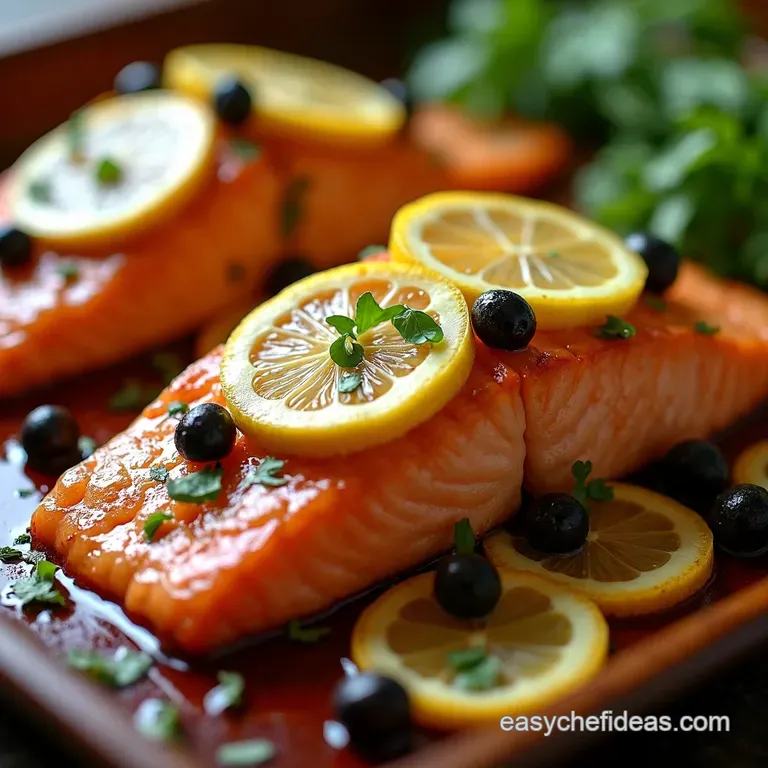
A simple preparation demands superior ingredients. For this sheet pan wonder, focus your attention on the flavour carriers the olives, the herbs, and the fat used for roasting.
The Umami Trio: Olives, Capers, and Sun-Dried Tomatoes
The distinctive saltiness and depth of flavour come from three key brine cured items. Pitted Kalamata olives, roughly chopped, offer a rich, fruity salinity. We complement these with capers rinsed well to prevent overwhelming saltiness which introduce tiny bursts of sharp, vinegary tang.
While not mandatory, using a few oil-packed sun-dried tomatoes (chopped) can add a chewy texture and concentrated sweetness that really anchors the dish, turning it into a classic Baked fish with tomatoes and capers experience.
Herbaceous Boosters: Fresh Oregano, Thyme, and Parsley Breakdown
Mediterranean flavour relies heavily on dried herbs for their concentrated punch during the baking process. Two teaspoons of dried oregano (Greek variety if possible) mixed into the vegetable base provide that earthy, pungent backbone. A teaspoon of dried thyme adds a subtle floral note.
Crucially, a handful of fresh flat leaf parsley must be chopped finely and sprinkled over the dish immediately after it exits the oven; this final fresh addition elevates the entire profile with brightness.
Selecting the Right Olive Oil for High Heat Roasting
Do not reserve your best finishing oil for this step, but equally, do not use a cheap, low-quality oil. You need a good quality Extra Virgin Olive Oil (EVOO) that is robust enough to stand up to the 400° F heat without tasting acrid.
Approximately 1/4 cup will be needed to thoroughly coat the vegetables and ensure the fish stays luscious. This fat is vital for conducting heat evenly and locking in moisture.
Crucial Measuring Tools for Precision Baking
While this is an easy recipe, precision helps control the salinity. When dealing with cured items like olives and capers, using standard measuring spoons ensures you don't inadvertently oversalt the base mixture. Similarly, accurately measuring the olive oil prevents the dish from becoming greasy rather than succulent.
Related Recipes Worth Trying
- Flaky Baked Cod in Coconut Lemon Cream Sauce Recipe — Forget dry fish This easy baked cod in coconut lemon cream sauce recipe delivers incredible flavour in under 40 minutes Perfect for a light seafood dinner
- Easy Mediterranean Baked Fish with Lemon Olives — Looking for healthy Mediterranean fish dinner ideas This Baked Fish with Tomatoes and Olives is simple healthy and ready in 40 minutes Perfect for a weeknight
- Foolproof Lemon Butter Fish Fillets in Under 25 Minutes — Master this simple Lemon Butter Fish Recipe Achieve perfectly flaky fish bathed in a tangy quick lemon butter sauce Your new favourite weeknight meal is here
The Assembly Line: Building Your Flavor Base
Preparation should be efficient. Start by preheating your oven to 400° F ( 200° C). Line your large, rimmed baking sheet with parchment paper for guaranteed non-stick success.
In a large bowl, combine your halved cherry tomatoes, chopped olives, rinsed capers, thinly sliced red onion, and finely minced garlic. Drizzle generously with the measured olive oil, then sprinkle in the dried oregano, thyme, the zest of one lemon, and a pinch of crushed red pepper flakes if you desire a slight warmth.
Season this vegetable mixture generously with sea salt and black pepper remembering that the capers and olives contribute saltiness, so taste as you go. Spread this entire vibrant mixture across the prepared baking sheet in an even layer.
Next, address the fish. Pat the four 6-ounce fillets completely dry using paper towels; this is non-negotiable for preventing a steamy outcome. Season the fillets lightly on both sides with salt and pepper, then carefully nestle them onto the bed of vegetables, ensuring they have a little space between each one.
Top each fillet with a thin slice of the remaining lemon.
Achieving Flaky Perfection: Temperature and Timing Secrets
The difference between moist, succulent fish and dry, disappointing results often comes down to the oven environment and timing.
Preheating Strategy for Even Cooking Results
Make sure your oven is fully preheated to 400° F ( 200° C) before the tray goes in. Placing the fish into a hot oven immediately encourages the edges of the vegetables to start caramelizing while the fish begins its cooking process rapidly, sealing in flavour from the outset.
Layering the Aromatics Beneath the Fillet
Placing the fish on top of the vegetable mix is the core secret here. The tomatoes and onions release steam as they soften, bathing the underside of the fillet in aromatic moisture.
This prevents the bottom from drying out while the top crisps slightly under the direct heat, achieving a balanced texture throughout the Mediterranean baked fish with vegetables .
Determining Doneness: The Flake Test Explained
For most 6-ounce fillets, the expected cooking time is between 18 and 22 minutes. However, visual cues are more reliable than the clock. The fish is perfectly cooked when you gently insert a fork into the thickest part and twist slightly; the flesh should separate easily into large, distinct flakes.
For absolute assurance, an instant read thermometer inserted into the thickest part should register 145° F ( 63° C). Be vigilant, as overcooking by even three minutes can ruin the texture.
The Final Brightening Squeeze: Post Oven Enhancements
As soon as the tray is removed from the oven the tomatoes should look slightly blistered and softened it’s time for the final lift. Squeeze the juice from the reserved lemon half evenly over all the hot fillets.
The fresh, uncooked lemon juice hits the hot fish, brightening all the concentrated flavours developed during the bake. Garnish liberally with the chopped fresh parsley before serving immediately.
Elevating Your Mediterranean Baked Fish Experience
This dish is already a showstopper, but a few simple additions can transform it into an unforgettable gathering centrepiece. Consider adding a sprinkle of toasted pine nuts over the top just before serving for a delicate crunch, or perhaps swirling in a tablespoon of good quality balsamic glaze right before serving for an extra layer of sweet acidity.
This simple act of refinement takes your Mediterranean baked fish from great weeknight fare to something truly memorable.
Storage, Reheating, and Dietary Adjustments
Leftovers, though unlikely given how delicious this dish is, can be handled effectively, and the recipe offers excellent flexibility for various needs.
Brilliant Side Dish Pairings for a Complete Meal
To make this a complete meal, the starchy accompaniment should be light enough not to weigh down the vibrant fish. Fluffy, lemon infused couscous is the traditional pairing, perfectly soaking up the residual oils and tomato juices.
Alternatively, a base of quinoa or a side of roasted asparagus tossed with sea salt provides a fantastic textural contrast.
Handling Leftovers: Keeping Moisture Intact
When storing leftovers of your Fish and tomatoes recipe , the key is moisture retention. Store the fish separately from any grains you served it with. Reheat gently; the best method is actually a low oven (around 300° F/ 150° C) for about 8– 10 minutes, tented loosely with foil, allowing the residual moisture from the remaining tomatoes to protect the fillet.
Avoid microwaving if possible, as it tends to rubberize fish protein quickly.
Substitutions for gluten-free or dairy-free Diets
This base recipe is naturally gluten-free, assuming you serve it with gluten-free grains like quinoa or rice. As for dairy, there is no cheese or butter involved, making it inherently dairy-free.
If you seek a variation, consider replacing the fish entirely with thick slices of eggplant or halloumi cheese; if using eggplant, slightly increase the oil coating and baking time, as vegetables take longer to soften than fish.
Frequently Asked Questions
What's the best fish to use for this Mediterranean Baked Fish recipe?
For this sheet pan method, you want firm fish that won't fall apart too quickly. Cod and Haddock are brilliant, affordable choices, but Salmon provides a richer flavour that pairs wonderfully with the olives and tomatoes. Just remember that thicker cuts of fish will need a couple of extra minutes in the oven!
My fish always seems dry when I bake it how do I keep it moist?
Ah, the age-old problem! The trick here is twofold: firstly, pat your fillets absolutely bone dry before seasoning, and secondly, ensure the fish is nestled right into that bed of oil-coated vegetables and tomatoes.
Those veggies release steam and moisture, essentially braising the fish while it bakes, keeping it lovely and flaky.
Can I prepare the vegetable topping ahead of time?
Absolutely, that's a cracking idea for weeknight efficiency! You can mix all your tomatoes, olives, onions, herbs, and oil together up to a day in advance and keep it covered in the fridge.
Just be sure to let it sit out on the counter for about 20 minutes before adding the fish, as extremely cold vegetables can shock the fish during baking.
How should I store leftovers of the Mediterranean Baked Fish?
Leftovers should be stored in an airtight container in the fridge, and they're generally best eaten within two days. To reheat, the microwave is quick, but it can sometimes dry the fish out; try reheating gently on a tray in a low oven (around 300°F or 150°C) for about 10 minutes instead for a much better result.
I’m not a fan of olives. What's a good substitution for the salty kick?
No worries at all if you’re not an olive enthusiast! You can easily swap them out for sun-dried tomatoes (chopped) packed in oil for a chewy texture and concentrated flavour. Alternatively, boost the caper quantity slightly or toss in a handful of artichoke hearts for that necessary salty tang.
What are the best side dishes to serve with this vibrant fish?
Since this is a light, flavour packed dish, you don't want anything too heavy. Fluffy couscous is brilliant for soaking up the delicious juices, or you could opt for quinoa for extra protein. For something greener, a simple salad of rocket dressed with just olive oil and lemon juice is spot on!
Easy Mediterranean Baked Fish
Ingredients:
Instructions:
Nutrition Facts:
| Calories | 1627 kcal |
|---|---|
| Protein | 16.5 g |
| Fat | 26.9 g |
| Carbs | 78.1 g |
| Fiber | 32.4 g |
| Sodium | 1598 mg |
