Sunshine in a Jar Quickset Lemon Blueberry Jam
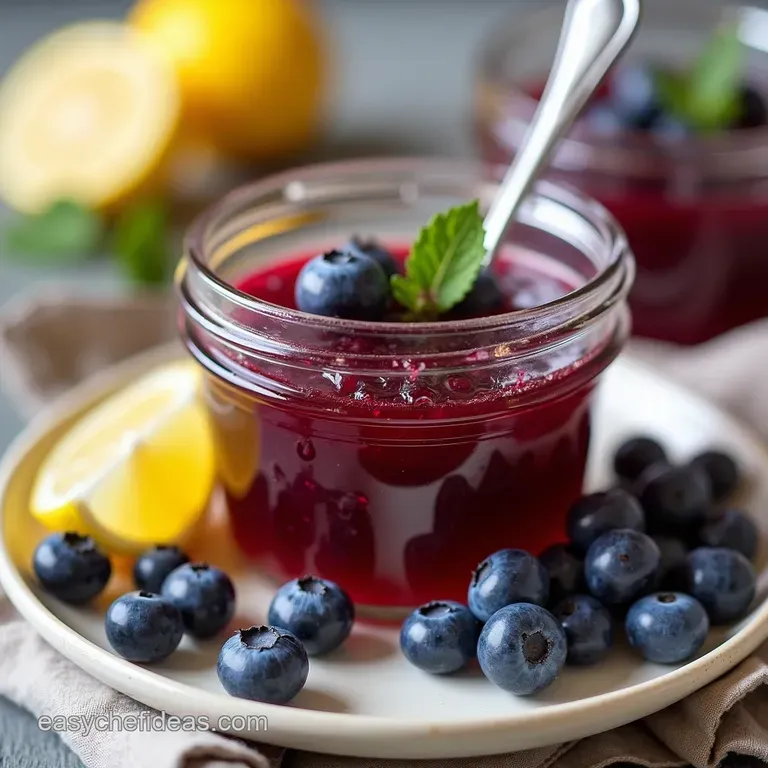
- The Ultimate Comfort: Crafting Zesty Lemon Blueberry Jam
- Why This Recipe Outshines Traditional Methods
- Assembling Your Blueberry-Lemon Pantry Essentials
- Required Equipment for Bottling Success
- The Step-by-Step Journey to Finished Lemon Blueberry Jam
- Maximizing Shelf Life and Enjoyment
- Creative Ways to Use Your Homemade Preserve
- Recipe FAQs
- 📝 Recipe Card
The Ultimate Comfort: Crafting Zesty Lemon Blueberry Jam
There’s nothing quite like the scent of fruit bubbling away on the hob; it’s pure culinary comfort, like putting the kettle on when the drizzle starts. Bringing the vibrant taste of a summer meadow right into your kitchen, this blend of tart citrus and sweet, bursting berries creates an unforgettable preserve.
Crafting a truly exceptional Lemon Blueberry Jam is easier than you might think, especially when we focus on techniques that maximize flavour while minimizing cooking time.
This guide will walk you through creating that perfect textural set, yielding a jam that is both bright on the palate and beautifully stable on the shelf. Forget the complicated all-day simmering projects; we are aiming for sunshine in a jar, ready in under an hour.
Why This Recipe Outshines Traditional Methods
Many traditional preserves demand lengthy cooking times and often rely heavily on added commercial pectin. Our approach streamlines this process beautifully. The goal here is to achieve that ideal, slightly yielding set while retaining the fresh, distinct flavour of both the blueberry and the lemon, resulting in what many call the best lemon blueberry jam experience.
Capturing the Essence of Summer Berries
The magic in this particular blueberry lemon jam lies in swift cooking. By using a high, rolling boil for a relatively short period around 15 to 20 minutes once boiling commences we concentrate the natural sugars and volatile oils before the fruit degrades.
This technique ensures that the blueberries remain plump enough to provide lovely texture while their essence is fully suspended in the sweet syrup.
Speedy Setting Secrets for Perfect Texture
We achieve a marvelous set not through heavy commercial additives, but by relying on the natural pectin inherent in the citrus. When we incorporate freshly squeezed lemon juice, the acid reacts with the pectin present in the fruit solids and the sugar, initiating the gelling process rapidly.
This means that for those worried about runny results, this lemon blueberry jam without pectin method, properly executed, yields a beautifully spreadable consistency every time.
A Bright Counterpoint to Savory Breakfasts
While glorious on toast, this preserve elevates far beyond the breakfast plate. The sharp acidity of the lemon acts as a foil to richness, making it an outstanding accompaniment to soft cheeses or even alongside roasted poultry.
Its vibrant colour and clean taste make this fresh blueberry lemon jam versatile enough for desserts and charcuterie boards alike.
Assembling Your Blueberry Lemon Pantry Essentials
Successful jam-making hinges on having everything measured and ready before the heat goes on. Our recipe is designed to yield approximately 3 to 4 standard small jars, meaning you won't be dealing with overwhelming quantities of fruit.
For the base, we call for 4 cups (500g) of fresh blueberries, meticulously rinsed and picked over to remove any errant stems. Sweetness and structure come from 3 cups (600g) of granulated sugar.
To provide the critical acidity for setting, we need 1/3 cup (80ml) of freshly squeezed lemon juice and 1 tablespoon of zest from a single, large lemon. A tiny pinch of salt is included not to make it salty, but to harmonize and deepen the fruit flavour profile.
Related Recipes Worth Trying
- Proper British Summer Blueberry Jam Recipe Thick Fruity Set — Skip the supermarket shelf This easy Blueberry Jam recipe guarantees a vibrant thick set perfect for scones or crumpets Learn the secret to flawless...
- Flaky Baked Cod in Coconut Lemon Cream Sauce Recipe — Forget dry fish This easy baked cod in coconut lemon cream sauce recipe delivers incredible flavour in under 40 minutes Perfect for a light seafood dinner
- Easy Mediterranean Baked Fish with Lemon Olives — Looking for healthy Mediterranean fish dinner ideas This Baked Fish with Tomatoes and Olives is simple healthy and ready in 40 minutes Perfect for a weeknight
Required Equipment for Bottling Success
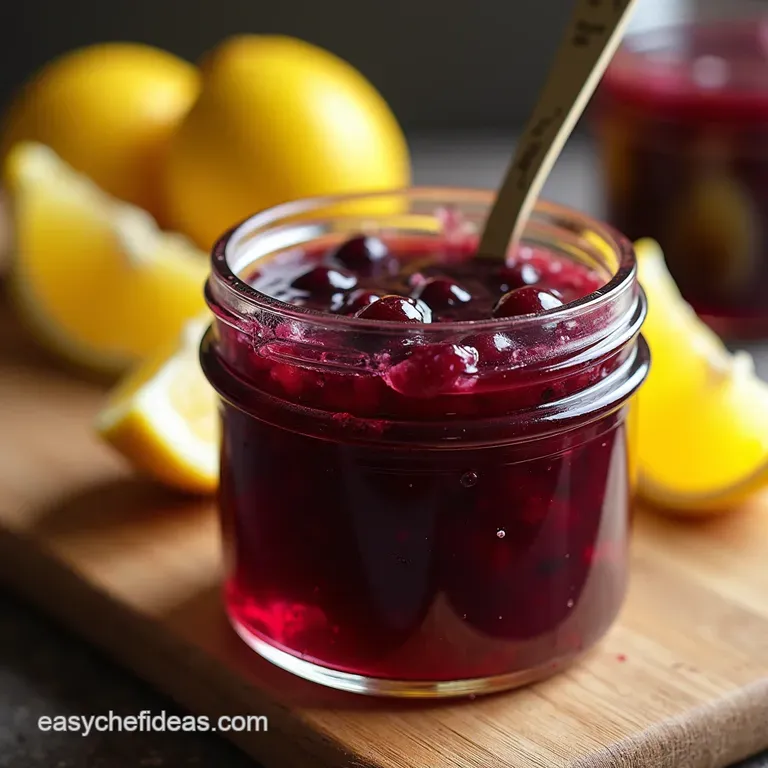
While complex temperature checks are often feared by new preservers, this easy lemon blueberry jam recipe keeps the equipment list minimal but essential. You will need a large, heavy bottomed stainless steel saucepan.
A heavy base is crucial for even heat distribution, preventing those frustrating hot spots that cause scorching. A sturdy wooden spoon or heat proof spatula is needed for stirring.
Most importantly for testing the set, place a small ceramic plate in your freezer before you begin cooking; this chilled surface is our secret weapon for testing consistency. Finally, if you plan to store your homemade lemon blueberry jam for long periods, ensure you have sterilized jars and lids ready to go.
The Exact Ratio of Blueberries to Sweetener
In this specific recipe, we use a slightly higher ratio of sugar to fruit (600g sugar to 500g blueberries). This isn't just for sweetness; the sugar acts as a preservative and is vital for bonding with the naturally released pectin to create that signature gel structure.
Sticking closely to the 3 cups of sugar ensures the chemical reaction required for a reliable set occurs correctly.
Sourcing Premium Citrus Zest and Juice
Do not underestimate the power of fresh citrus here. Bottled juice simply cannot deliver the bright, volatile oils necessary for the flavour and gelling. When zesting your lemon, be precise: aim only for the bright yellow outer layer.
The white pith directly beneath the skin is bitter and will impart an unwelcome harshness to your otherwise delicate lemon blueberry jam recipe .
Pectin Preparation: A Crucial Pre-Step
Since we are relying on natural pectin activation rather than adding commercial powders, the primary preparation involves ensuring the lemon juice is fresh and ready, and that the fruit is clean. If you opt for frozen blueberries, there is no need to thaw them first; they can go straight into the sugar mixture.
The step-by-step Journey to Finished Lemon Blueberry Jam
The process begins by gently combining the rinsed blueberries, the sugar, the lemon zest, and the pinch of salt in your cold saucepan. Allowing this mixture to sit for about ten minutes a process called maceration helps draw the juice out of the berries even before the heat is applied.
Following this rest, place the pan over medium high heat. Stir continuously until you can no longer feel any grittiness on the bottom of the pan, indicating the sugar has fully dissolved.
Maceration and Initial Fruit Breakdown
Once the sugar is dissolved, the initial cooking phase focuses on softening the berries. Keep the heat steady. As the fruit heats through, it will start to release its own juices, creating a liquid base for the sugar syrup.
This gentle breakdown prevents the berries from bursting too aggressively right at the start of the hard boil.
The Critical Boil: Activating the Pectin
Once the mixture is simmering, it’s time to introduce the freshly squeezed lemon juice. Immediately increase the heat to high and bring the entire contents to a rolling boil —this is the most crucial stage.
A rolling boil is one so vigorous that stirring it down does not stop it from bubbling furiously. This high temperature is necessary to fully activate the natural pectin/acid/sugar reaction.
Jar Sterilization: Ensuring Long Term Freshness
While the jam is aggressively boiling, take a moment to ensure your jars are ready. For a truly shelf stable product suitable for lemon blueberry jam canning , jars should be sterilized either by simmering them in water or running them through a hot dishwasher cycle just before filling.
Wipe the rims completely clean before sealing.
Floating the Flavour: Incorporating Lemon Last
Wait until the jam has reached its setting point before you stop stirring and remove it from the heat. If you introduce the lemon juice too early, you risk losing some of its bright, fresh aromatic quality during the prolonged, hard boil.
Adding it just before the vigorous boil ensures maximum zest and tang permeate the final product.
Maximizing Shelf Life and Enjoyment
Once the setting point is confirmed, remove the pan from the heat immediately. Allow the frantic bubbling to subside for just two minutes; this calms the mixture slightly, reducing splashing when ladling.
Use a ladle and funnel (if you have one) to carefully fill your sterilized jars, leaving about 1/4 inch of headspace at the top. Wipe the rims meticulously with a clean cloth dipped in hot water, apply the lids tightly, and allow them to cool undisturbed on a counter.
You should hear the satisfying pop as the vacuum seals, signifying a successful batch of lemon blueberry jam canning .
Creative Ways to Use Your Homemade Preserve
The applications for this bright preserve extend well beyond the breakfast table. Try pairing a spoonful with strong, aged white cheddar or a mild goat cheese. It’s wonderful layered into a simple vanilla cheesecake or used as a vibrant filling between the layers of a sponge cake.
Troubleshooting: Why Isn't My Jam Setting?
The most common reason jam fails to set is an inadequate boil or insufficient acid (lemon juice). If your jam seems too runny after cooling completely, don't despair! Simply pour it back into the saucepan, add another tablespoon of lemon juice, and bring it back to a rapid, rolling boil for another five minutes before retesting.
For future batches aiming for a thicker set, ensure you are not reducing the sugar measurement.
Storing Your Jarred Culinary Treasure
Sealed jars, stored in a cool, dark pantry, will maintain peak quality for at least a year. Once opened, however, the blueberry lemon jam should be refrigerated and consumed within three to four weeks to maintain its freshest taste.
Flavour Twists: Pairing with Basil or Spice
To elevate this already excellent preserve, consider experimenting with aromatics. Adding a few torn basil leaves during the initial simmer will introduce an unexpected, herbaceous lift that pairs brilliantly with blueberry.
Alternatively, a small piece of fresh ginger added at the beginning can lend a gentle warmth to the finish.
Nutritional Snapshot: Lightening the Load
While any preserve featuring a significant amount of fruit and sugar will naturally be higher in carbohydrates, remember that the portion size is small a tablespoon or two at a time.
Because this recipe is so flavourful and tart from the lemon, you often find yourself using slightly less jam per serving compared to overly sweet alternatives, allowing you to enjoy the bright flavour without overindulging in sweetness.
Recipe FAQs
How do I know if my Lemon Blueberry Jam has actually set properly?
The best trick, like the one in the recipe, is the freezer plate test! Drop a tiny bit of hot jam onto a chilled plate and wait a minute. If you push it with your finger and the surface wrinkles nicely, you've hit the setting point it’s ready to come off the heat.
If it’s still liquid, give it another few minutes of vigorous boiling and test again.
Can I use frozen blueberries instead of fresh for this Lemon Blueberry Jam recipe?
Absolutely, frozen blueberries work a treat, especially when fresh ones are out of season or too pricey. Just add them straight from the freezer into the pot without thawing them first. You might need to boil the mixture for an extra five minutes or so to cook them down completely and reach that setting point.
I skimmed the foam, but my jam still looks a bit cloudy. What gives?
Don't fret too much; a little cloudiness is totally normal, especially when using whole fruit like blueberries! The foam you skim off is mostly air and fine fruit pulp, and removing it helps clarity.
If you want it crystal clear, avoid stirring too much once it hits the boil just enough to stop it sticking to the bottom, and let the lemon juice do its clarifying work.
How long will this Lemon Blueberry Jam last if I don't process the jars for long term storage?
If you just ladle it into clean jars and keep it in the fridge without properly sealing them, it will last a good few weeks much like any fresh preserve. Treat it like fresh juice; once opened, use it up within three weeks for the best flavour, though it's usually fine longer if you’re quick!
My recipe didn't call for added pectin; is that okay, or am I going to end up with syrup?
This recipe relies on the natural pectin found in the lemon zest and juice, paired with a good, hard boil and the correct sugar ratio, so you should be fine. The high heat activates the fruit's natural gelling agents.
If you are nervous, make sure you use the full amount of lemon juice and don't stop boiling until that plate test wrinkles perfectly!
What’s the best way to store this jam so it lasts all winter long?
For long term storage, you must sterilize your jars and lids properly beforehand. After filling the jars and sealing them tightly, process them in a boiling water bath canner for about 10 minutes (adjusting for altitude if necessary).
Once cooled, a sealed jar will keep happily in a cool, dark cupboard for up to a year.
Easy Lemon Blueberry Jam

Instructions:
Nutrition Facts:
| Calories | 270 Cal |
|---|---|
| Fat | < 0.5g |
| Fiber | 1.5g |
