Lemon Asparagus Couscous Salad with Tomatoes: a Zesty Spring Essential
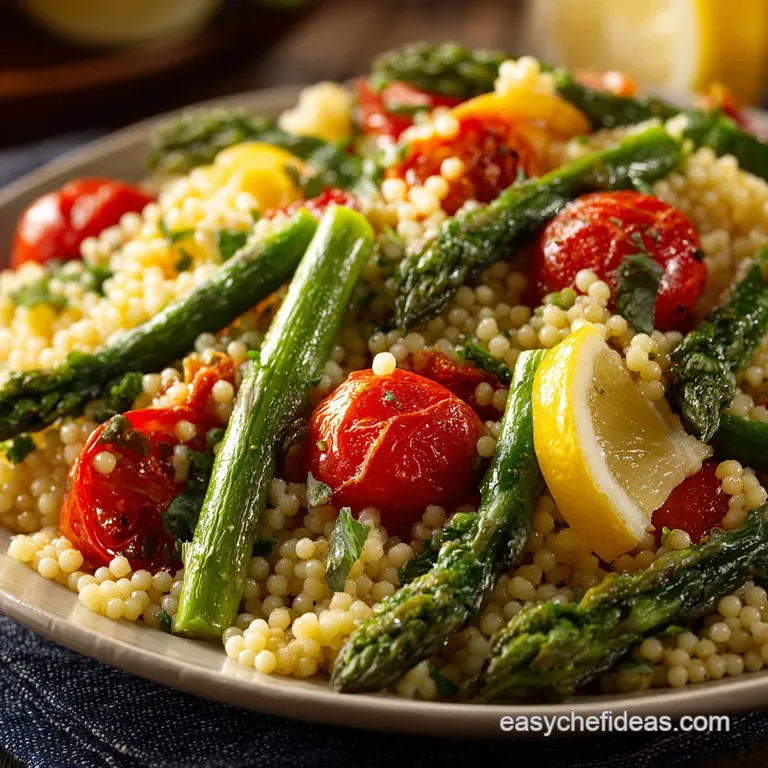
- The Ultimate Springtime Salad: Bright, Zesty, and Refreshing
- Achieving the Perfect Balance of Texture and Brightness in Your Couscous
- Essential Ingredients for Your Lemon Asparagus Couscous Salad
- Flavor Customization: Smart Ingredient Swaps
- Step-by-Step Guide: How to Assemble the Zesty Couscous Salad
- Professional Tips for a Flawless Lemon Asparagus Couscous Salad
- Making Ahead and Storing Your Couscous Salad
- Perfect Pairings: What to Serve with Lemon Asparagus Couscous Salad with Tomatoes
- Recipe FAQs
- 📝 Recipe Card
The Ultimate Springtime Salad: Bright, Zesty, and Refreshing
When you bring this salad to the table, the first thing people notice is the smell, which is pure, unadulterated spring. That punchy lemon zest and the fresh, grassy notes of the asparagus create an aroma that just screams freshness.
You get this incredible textural experience from the pearl couscous, making the dish feel hearty yet wonderfully light.
Honestly, I live for recipes that are quick to assemble but taste like you fussed over them for hours. This Lemon Asparagus Couscous Salad with Tomatoes is my absolute favorite, since it utilizes simple ingredients and is perfectly fine (actually, better) when made ahead.
It's affordable, versatile, and an ideal side for literally any summer potluck.
Stop buying those sad, soggy deli salads that sit in plastic tubs, okay? We’re going to make something genuinely vibrant and refreshing that you’ll crave all week long. Trust me, once you master the art of perfectly chewy pearl couscous and crisp asparagus, you’ll never look back.
Achieving the Perfect Balance of Texture and Brightness in Your Couscous
The logic behind this simple Mediterranean style salad isn't complicated, but the details make all the difference between "okay" and "OMG, what is this magic?" We need bold flavor, beautiful color, and, most importantly, contrast in texture.
Defining Israeli vs. Moroccan Couscous in this Salad
This recipe demands Israeli (Pearl) couscous, full stop. The tiny, quick cooking Moroccan variety just disappears in the dressing and feels mushy. The magic of pearl couscous is its fantastic, plump chewiness, which stands up beautifully to the heavy lemon dressing and the snap of the asparagus.
Why We Love Lemon Asparagus Couscous Salad with Tomatoes
It’s all about the seasonal synergy. Asparagus is at its best in spring, the lemon cuts through everything perfectly, and the tomatoes add that burst of juicy sweetness we desperately need. Plus, it only requires one pot and about ten minutes of active cooking time, so it's a huge time saver.
Serving Crowd Pleasing Flavor Without the Fuss
Because this salad improves as it sits in the fridge, it's the ultimate make-ahead side dish. You can assemble everything hours before your event, meaning you aren't stressing in the kitchen when guests arrive. It’s perfect when you are already juggling a main course, like my Salad Platter: Ultimate Summer Feast Easy Entertaining Recipe , and just need a reliable, bright side.
The Power of the Lemon Vinaigrette Emulsion
We aren't just dumping oil and lemon together; we are creating a quick, loose emulsion using a tiny bit of Dijon mustard. This emulsification process binds the oil and acid, ensuring the vinaigrette coats the couscous evenly instead of sinking straight to the bottom of the bowl.
Maximizing Crunch: Blanching Asparagus for Optimal Texture
Don't roast or steam the asparagus for this salad, please! We need that snap . Quick blanching followed by an immediate plunge into an ice bath called "shocking" stops the cooking process instantly.
This sets the vibrant green color and ensures your asparagus stays tender crisp, never soft.
The Role of Burst Tomatoes for Essential Sweetness
Cherry or grape tomatoes are non-negotiable here. When sliced, they release their sweet, slightly acidic juice into the salad base, which mixes wonderfully with the lemon vinaigrette. This tiny step adds essential moisture and prevents the final dish from tasting too sharp.
Essential Ingredients for Your Lemon Asparagus Couscous Salad
| Ingredient | Why We Use It |
|---|---|
| Israeli (Pearl) Couscous | Provides a lovely, chewy, substantial texture. |
| Vegetable or Chicken Stock | Critical: Imparts flavor into the couscous base; water makes it bland. |
| Fresh Asparagus | Adds earthy flavor and necessary crunch. |
| Cherry/Grape Tomatoes | Brings essential sweetness and juiciness. |
| Fresh Lemon Juice & Zest | The defining, bright acidity of the entire dish. |
| Dijon Mustard | Acts as an emulsifier for a stable vinaigrette. |
Flavor Customization: Smart Ingredient Swaps
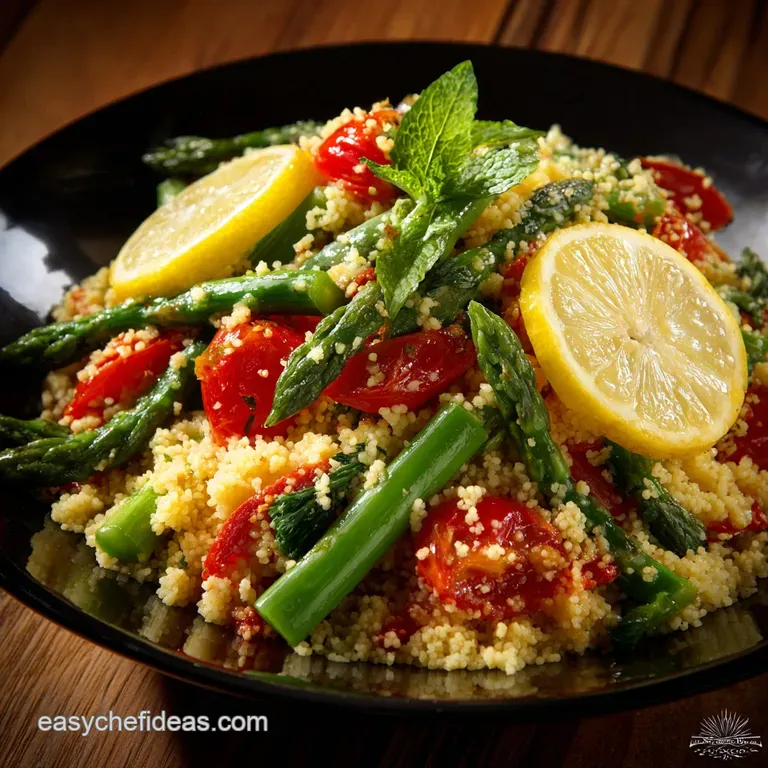
If you don’t have exactly what the recipe calls for, don’t panic! There’s always a good substitute.
Choosing the Right Pearl Couscous
If Israeli couscous is impossible to find, orzo pasta is your next best bet. It has a similar small, oval shape that holds up well. You could also use quinoa, but note that quinoa will absorb much more dressing, so you might need to increase the vinaigrette ingredients slightly.
Selecting and Preparing Asparagus (Snap vs. Peel)
Always snap the woody end off the asparagus spears; they break naturally right where the tender part begins. If you only have thick asparagus, you might want to use a vegetable peeler to gently shave the exterior of the stalk before cutting and blanching.
Sourcing the Best Fresh Herbs and Quality Olive Oil
The fresh herbs truly bring the brightness, so don't skip them! Parsley is a must, but if you don't love mint, basil is a fantastic alternative that brings a slightly sweeter, aromatic lift. Use a decent Extra Virgin Olive Oil for the vinaigrette; you can truly taste the quality here.
Dairy and Vegan Alternatives for Creaminess
This recipe is naturally dairy-free (unless you use chicken stock). If you want a slight creamy richness, consider folding in a handful of crumbled vegan feta or, if dairy isn’t an issue, actual high-quality sheep’s milk feta.
Smart Substitutions for the Vinaigrette Base
No fresh lemon juice? That's a tragedy, but we can manage. White wine vinegar or champagne vinegar can offer a similar sharpness, but you might need to add a pinch of sugar to balance the lack of natural citrus sweetness.
step-by-step Guide: How to Assemble the Zesty Couscous Salad
Follow these steps exactly to ensure perfect texture and seasoning.
- Prepare the Vinaigrette: Whisk the lemon juice, lemon zest, garlic, and Dijon mustard in a small bowl. Slowly, drizzle in the olive oil while whisking constantly until the mixture thickens slightly. Season heavily with salt and pepper now it needs to be punchy!
- Cook the Couscous: Bring the stock (not water!) and salt to a boil. Add the couscous, reduce the heat, cover, and simmer for 10– 12 minutes until tender but still chewy (al dente). Turn off the heat and let it steam, covered, for 5 minutes.
- Chill the Couscous: Transfer the cooked couscous to your large mixing bowl and spread it out slightly. This helps it cool quickly so it doesn’t continue steaming and turn mushy.
- Blanch the Asparagus: While the couscous cools, boil a pot of water and prepare a large ice bath. Drop the cut asparagus pieces in the boiling water for 2– 3 minutes until they are a vivid green. Immediately drain and plunge them into the ice bath for 2 minutes. Drain them very, very well.
- Combine and Dress: Add the shocked asparagus, halved tomatoes, and minced red onion to the slightly cooled couscous. Pour about three quarters of the vinaigrette over the top.
- Finish and Rest: Gently fold everything together. Stir in the fresh parsley and mint/basil last. Taste and adjust seasoning; add more dressing, salt, or pepper until it tastes bright and delicious. Cover and chill for at least 30 minutes.
Chef’s Note: Do not skip the chilling time! The couscous needs time to fully absorb the dressing, which mutes the raw garlic/lemon sharpness and fully infuses the grains with flavor.
Professional Tips for a Flawless Lemon Asparagus Couscous Salad
These are the tiny details I learned the hard way, usually by ruining an entire bowl of perfectly good ingredients.
Preparation: Cooking the Couscous and Asparagus to Al Dente
"Al dente" is your mantra here. For the couscous, that means it should be tender but still have a firm resistance when you bite down a pleasant chew, not a soft pillow. The asparagus should maintain a visible snap; if it bends easily, you’ve cooked it too long.
Mixing the Fresh Lemon Dressing and Seasoning
Make sure your dressing tastes strong before you add it to the salad. It should taste slightly too salty and too tart when tasted alone. Remember, when you coat bland couscous, those strong flavors will instantly dilute, so you need the intensity up front.
Combining and Resting the Salad for Optimal Flavor Infusion
Resting is mandatory. Think of it like marinating. The longer it rests, the deeper the flavors penetrate. If you are serving this for a dinner party, making it 2– 4 hours ahead of time is ideal.
Troubleshooting Overcooked or Mushy Couscous
If your couscous is soft and sticky, you either used too much liquid or cooked it for too long while covered. My classic rookie mistake was using plain water; water boils hotter and faster than stock, leading to mushy results.
If you end up with mush, all is not lost add some fresh herbs and a big splash of lemon juice to try and brighten it up, then serve immediately.
How to Prevent a Soggy Salad (The Dressing Timing Trick)
Never dump all the dressing in at once. Use three quarters of the dressing before chilling, then reserve the rest. Right before serving, give the salad a good fluff and taste it. If it seems dry, toss in the final reserved dressing.
This prevents the dressing from making the tomatoes weep excessively while chilling.
Enhancing Seasonality: Adding Fresh Herb Notes
Want to mix it up? Try a handful of fresh dill or tarragon; they pair beautifully with both lemon and asparagus. This simple change is a great way to transition this from a spring salad into a perfect summer side.
Making Ahead and Storing Your Couscous Salad
This salad is truly spectacular because it holds up so well. It’s perfect for packing lunch boxes and avoiding mid-day cafeteria sadness.
Safe Refrigerator Storage Guidelines
Store the Lemon Asparagus Couscous Salad in an airtight container on a middle shelf in the refrigerator. It is best eaten within 3 to 4 days of preparation. I find the texture is best on Day 2, once the couscous has fully absorbed all that beautiful dressing.
Tips for Revitalizing Leftovers
Couscous, like most grains, tends to dry out slightly in the fridge. To revitalize leftovers, give the salad a good stir, and if it seems stiff, toss in a tiny splash (maybe 1 teaspoon) of fresh lemon juice or a light drizzle of olive oil.
Can You Freeze Couscous Salad? (Storage Breakdown)
Can you freeze it? Technically, yes, but please don't. The fresh vegetables especially the tomatoes and asparagus will completely lose their texture when thawed, turning watery and mushy. This salad relies on crispness, so stick to the 3 4 day fridge window.
Perfect Pairings: What to Serve with Lemon Asparagus Couscous Salad with Tomatoes
This zesty, clean salad is incredibly versatile and plays well with rich flavors.
Ideal Main Dishes for Summer BBQs
Because the salad is so bright and acidic, it acts as a wonderful counterpoint to anything grilled and smoky. I love serving it next to Greek Turkey Meatballs: Easy Baked Keftedakia with Feta or simple grilled salmon or chicken skewers.
Transforming the Salad into a Complete Vegetarian Meal
To make this a full, satisfying vegetarian main dish, stir in one can of drained and rinsed chickpeas or white beans (cannellini are perfect). The protein adds bulk and absorbs the dressing nicely.
Wine and Beverage Recommendations
For wine lovers, reach for a crisp, high acidity white that complements the lemon Sauvignon Blanc from the Loire Valley (Sancerre!) or New Zealand is spot on. If you want a non-alcoholic option, an iced green tea or a simple sparkling water infused with mint and cucumber slices is wonderfully refreshing. If you want a full meal based around spring produce and lemon, check out my recipe for Spring Asparagus Risotto: The Perfect Creamy Recipe for the Season .

Recipe FAQs
How far in advance can I prepare this Lemon Asparagus Couscous Salad?
You can prepare the couscous and vegetables up to 24 hours in advance, but for the best texture, always store the dressing separately. Combining the dressing immediately before serving prevents the couscous from soaking up too much liquid and becoming overly soggy.
If you do combine it ahead of time, a light stir and a quick taste test for seasoning might be required before presentation.
Why is my Israeli (Pearl) couscous mushy instead of having a nice al dente chew?
The mushy texture usually indicates that too much liquid was used or the couscous was cooked for too long past the point of absorption. Pearl couscous acts like a pasta; ensure you measure the water precisely and stop cooking immediately once the grains are tender but still firm in the center.
Draining any residual liquid, similar to pasta, can also help maintain structure.
Can I substitute a different grain to make this salad gluten-free?
Absolutely. Since Israeli couscous is a wheat based product, you can easily substitute it with an equal volume of cooked quinoa, brown rice, or even a small gluten-free orzo. Remember to adjust your cooking time and liquid ratios according to the specific requirements of your chosen grain.
Quinoa provides a particularly nice, light alternative.
What is the best way to blanch the asparagus so it remains crisp and vibrant green?
To achieve the perfect crisp tender snap, boil the asparagus spears for just 2 to 3 minutes, then immediately plunge them into an ice bath this process is called shocking. The cold water stops the cooking process instantly, preserving the vibrant green chlorophyll and ensuring a lovely, crunchy texture within the salad.
Make sure the spears are completely dry before tossing them with the couscous.
My lemon dressing tastes too sharp. How can I balance the acidity?
Acidity in dressings is best balanced with sweetness or additional fat. Try adding a pinch of sugar, a teaspoon of maple syrup, or a touch of honey to cut the sharpness of the lemon. Alternatively, incorporate a tablespoon more high-quality olive oil to round out the flavors and emulsify the dressing further.
What if asparagus isn’t in season? What vegetables are suitable substitutes?
If asparagus is unavailable, you can substitute it with other seasonal vegetables that offer a pleasant crunch. Excellent alternatives include blanched green beans, fresh sugar snap peas, or small diced zucchini (added raw or lightly roasted).
If you opt for peas or green beans, treat them the same way as the asparagus by blanching and shocking them quickly.
Is this salad best served warm, chilled, or at room temperature?
This salad truly shines when served chilled or allowed to come to cool room temperature. Serving it chilled allows the bright, zesty lemon dressing to properly infuse the couscous and vegetables without the heat dominating the fresh flavor profiles.
If it has been refrigerated for a long time, let it sit out for 15 minutes before serving for optimal flavor enjoyment.
Easy Lemon Asparagus Couscous Salad
Ingredients:
Instructions:
Nutrition Facts:
| Calories | 435 kcal |
|---|---|
| Protein | 7.0 g |
| Fat | 28.8 g |
| Carbs | 25.6 g |
