Mastering the Glaze the Ultimate Homemade Teriyaki Sauce
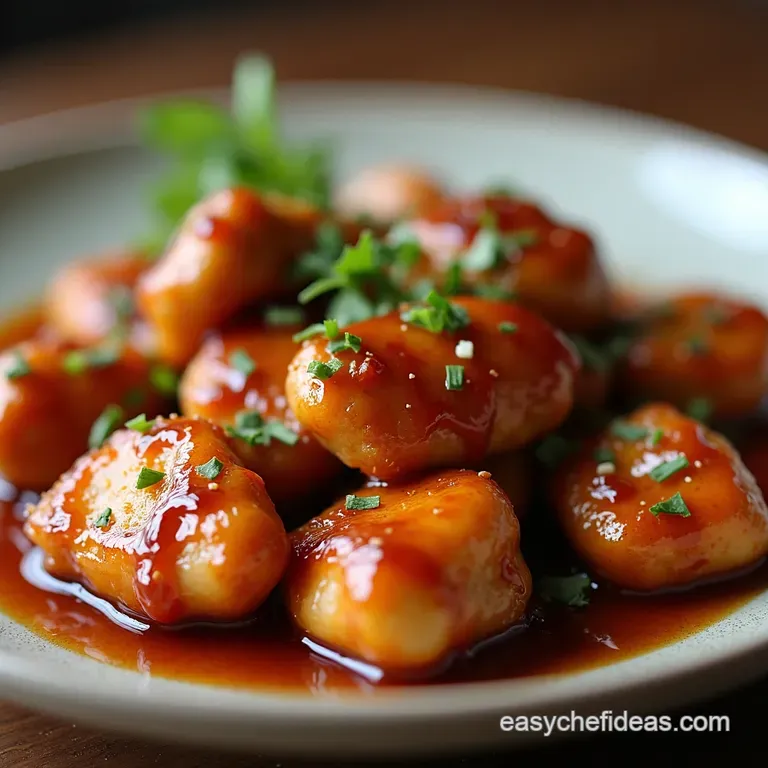
- Ditching the Jar: Why Homemade Teriyaki Sauce Reigns Supreme
- Curating Your Culinary Components for Perfect Teriyaki Sauce
- The Alchemy of Reduction: Step-by-Step Sauce Construction
- Longevity & Preservation: Storing Your Freshly Made Teriyaki Sauce
- Achieving That Signature Nori-Infused Depth (Optional)
- Recipe FAQs
- 📝 Recipe Card
Ditching the Jar: Why Homemade Teriyaki Sauce Reigns Supreme
Right then, pull up a stool! As a chef, there's nothing I enjoy more than demystifying those iconic takeaway flavours and bringing them right into your kitchen. Forget that overly sweet, gloopy stuff you get in a bottle; we’re going to make a proper Homemade Teriyaki Sauce —deep, glossy, balanced, and miles better than anything you’ll find down at the local chippy after 9 pm.
Teriyaki, which literally means "glaze broil," relies on a beautiful balance of sweet mirin, salty soy, and aromatic ginger. We are creating a rich, deep mahogany sauce that perfectly coats chicken, salmon, or even roasted vegetables. It’s incredibly quick to make, yet tastes like it simmered all day.
This recipe, which takes about 15 minutes from start to finish, is our passport to authentic Japanese flavour.
Why Bottled Glazes Can't Compete With This Recipe
Most commercial glazes rely heavily on high fructose corn syrup and preservatives to maintain shelf stability and consistency. The result is often one-dimensional sweetness that lacks the necessary complexity.
When you Make Teriyaki Sauce From Scratch , you gain complete control over the balance. You are introducing fresh aromatics real grated ginger and minced garlic which boil down to release volatile oils that bottled sauces simply cannot replicate.
This process ensures the resulting Teriyaki Sauce is nuanced, salty, sweet, and savory (umami rich) in all the right places.
Setting the Stage: What Makes This Recipe Unique
This specific Teriyaki Sauce Recipe is categorized as easy, requiring only about 5 minutes of prep and 8– 10 minutes of active cooking time. It yields approximately 1 cup, which is perfect for generously coating 1.5 lbs of protein.
What sets this apart is the precise inclusion of sake alongside mirin. While some recipes skip the sake, its presence helps cut through the richness and adds a depth of flavour that elevates the entire experience, moving it beyond a simple sweet glaze.
A Quick Peek at the Final Flavor Profile
When you finish constructing this sauce, you should expect a liquid that coats the back of a spoon beautifully a hallmark of quality glazing. The flavour profile is inherently balanced: the saltiness comes immediately from the soy, followed by the gentle, round sweetness contributed primarily by the mirin, underpinned by the sharp warmth of fresh ginger and garlic.
This rich, mahogany coloured sauce is what you want when creating the absolute Best Homemade Teriyaki Sauce .
Curating Your Culinary Components for Perfect Teriyaki Sauce
To achieve success in this quick culinary alchemy, selecting the correct Teriyaki Sauce Ingredients is non-negotiable. We rely on a foundation of four key elements: liquids, sweeteners, aromatics, and a thickener.
For this recipe, we use 1/2 cup of low-sodium soy sauce (120 ml), which keeps the salinity manageable, 1/2 cup of mirin (120 ml), and 1/4 cup of sake (60 ml). If you happen to be completely out of sake, you can substitute it with water combined with an extra teaspoon of sugar to mimic the sweetness, though the traditional flavour will be slightly muted.
The Power Trio: Soy, Sweeteners, and Mirin Explained
Mirin is the non-negotiable star here; it’s a sweet Japanese rice wine that provides essential sugars and that signature, mirror like shine often missing from inferior versions. We balance this with two tablespoons of granulated sugar (or brown sugar for a richer colour).
If you need to adapt this for dietary restrictions, rest assured this recipe can easily become a gluten-free Teriyaki Sauce by simply substituting the regular soy sauce with tamari, which is naturally gluten-free.
Selecting the Right Thickener for Maximum Gloss
The secret to transforming this liquid into a true glaze lies in the thickener. We call for 1 tablespoon of cornflour (cornstarch). This starch is neutral in flavour and activates quickly upon heating, providing the desired viscosity without clouding the beautiful mahogany colour.
It’s crucial never to add the cornflour directly to the hot liquid; instead, we prepare a separate slurry.
Necessary Equipment for Precise Flavor Balancing
Fortunately, this Easy Teriyaki Sauce Recipe requires minimal gear: a small saucepan, a whisk, measuring implements, and a very small bowl for mixing the slurry.
You'll need the whisk constantly during the heating process to ensure the sugar dissolves evenly and the starch incorporates without clumping. A fine mesh sieve is recommended if you prefer a perfectly smooth consistency, allowing you to easily remove the ginger and garlic solids before serving.
Related Recipes Worth Trying
- Best Homemade Teriyaki Sauce Recipe Sticky Glossy Glaze — Ditch the jar This easy teriyaki sauce recipe creates a deeply savoury perfectly balanced and sticky glaze from scratch in under 20 minutes
- Easy Homemade Teriyaki Sauce Recipe Better Than Takeaway — Tired of sugary glazes Master this easy Teriyaki Sauce recipe in 15 minutes Perfect for salmon or chickenits glossy savoury and foolproof
- The Best Garlic Butter Noodles Browned Butter Sauce in 25 Mins — This foolproof Garlic Butter Noodles Recipe uses browned butter and starchy pasta water to create a restaurantquality Garlic Butter Sauce Ready fast
The Alchemy of Reduction: step-by-step Sauce Construction

Creating the final product is incredibly fast, focusing primarily on controlled heating to activate the thickening agent. Before we start, remember that this sauce serves beautifully as a Teriyaki Sauce Marinade as well as a finishing glaze.
Phase One: Combining Liquids and Initial Simmer
First, prepare your slurry: in a small bowl, whisk together the 1 tablespoon of cornflour with 2 tablespoons of cold water until the mixture is entirely smooth and lump free. Set this aside.
Next, combine the soy sauce, mirin, sake, sugar, 1 teaspoon of finely grated fresh ginger, and 1 minced clove of garlic directly into your saucepan. Place this over medium heat. Whisk gently until the sugar is completely dissolved and the mixture reaches a gentle simmer.
The Crucial Moment: Introducing the Starch Slurry
Once simmering, give your cornflour slurry one final, vigorous whisk it settles very fast and slowly pour it into the simmering liquid while maintaining a steady, continuous whisking motion in the pan. This slow introduction prevents shocking the starch granules.
Testing for Viscosity: How to Know When It's Ready
After incorporating the slurry, continue to whisk gently over medium heat. You will notice a visible change within one to two minutes as the sauce begins to transform from thin liquid to a glossy coating. The sauce is ready when it thickens enough to coat the back of your spoon evenly.
Remove it from the heat immediately at this stage; remember, it thickens further upon cooling.
Cooling Protocol for Ultimate Glazing Texture
Once off the heat, if you are aiming for a silky smooth presentation perfect for coating Teriyaki Sauce for Chicken breasts pour the sauce through a fine mesh sieve into a clean bowl. Allow it to cool for about ten minutes.
This cooling period is essential because the final texture, which should resemble thin syrup, sets as the temperature drops.
Longevity & Preservation: Storing Your Freshly Made Teriyaki Sauce
Because this sauce uses fresh aromatics and relies on natural reduction rather than heavy preservatives, its lifespan is shorter than the bottled variety, but infinitely superior in flavour. Once cooled completely, transfer the Teriyaki Sauce into an airtight jar.
Stored correctly in the refrigerator, this homemade sauce will maintain peak freshness for up to two weeks.
Troubleshooting: Fixing a Sauce That’s Too Thick or Too Thin
Should your sauce end up too thick after cooling, don’t despair! Simply return it to a low heat and whisk in a teaspoon of water (or dashi, for extra flavour) at a time until you reach your desired consistency.
If, conversely, it remains too thin, create a tiny new batch of slurry (about 1/4 teaspoon cornflour with 1 teaspoon cold water) and whisk it in slowly while simmering, just until it thickens slightly.
Freezing Secrets: Maintaining Flavor Integrity Over Time
For longer storage, this sauce freezes exceptionally well. Pour the cooled sauce into a freezer safe bag or small container, leaving about half an inch of headspace for expansion. Frozen homemade Teriyaki Sauce can retain excellent quality for up to three months, making batch cooking incredibly convenient for future weekly meals.
Pairing Perfection: What to Glaze Next with This Teriyaki Sauce
The versatility of this sauce is one of its greatest assets. Beyond the classic grilled salmon or chicken, try using it as a powerful Teriyaki Sauce Marinade for pork belly before roasting, or toss steamed edamame in it for a flavour packed snack.
It’s phenomenal drizzled over stir fried noodles or tossed with crispy pan-fried tofu.
Spice Level Adjustments for a Kick
If you prefer a little heat alongside your sweet and savory notes, this recipe handles spice beautifully. You can incorporate 1/2 teaspoon of Sriracha or a pinch of Togarashi (Japanese seven spice blend) along with the other liquids in Phase One.
This subtle addition provides complexity without overwhelming the classic teriyaki profile.
Achieving That Signature Nori Infused Depth (Optional)
For those seeking a truly profound, restaurant level depth, consider introducing an optional, subtle oceanic note using toasted seaweed.
The Power of Nori
To integrate this flavour, take a small square (about 2x2 inches) of toasted nori seaweed. While the sauce is simmering in Phase One (before adding the slurry), crumble the nori directly into the saucepan. Allow it to simmer for two full minutes. The flavour will infuse gently.
If you choose to strain the sauce later, the nori particles will be removed, leaving behind only the subtle, savory undertone that makes this Teriyaki Sauce truly memorable.

Recipe FAQs
How thick should my homemade Teriyaki Sauce be when I take it off the heat?
You’re looking for a syrupy consistency it should easily coat the back of a spoon, but still flow slowly. Don't worry if it seems a little thin in the pan; the sauce will thicken up considerably as it cools down to room temperature, much like gravy does after the Sunday roast.
Can I use this Teriyaki Sauce recipe as a marinade, or is it just for glazing?
It works brilliantly as both! For a marinade, use about half the batch and let your chicken or tofu sit for at least 30 minutes. For glazing, use the full batch toward the end of cooking so the sugars caramelise without burning.
I can’t find Mirin anywhere; what’s the best substitute for this Teriyaki Sauce recipe?
Mirin provides essential sweetness and shine, so a direct replacement is tricky. The best substitute is dry sherry or a dry white wine mixed with an extra teaspoon of granulated sugar to mimic the sweetness. You’ll lose a tiny bit of that authentic Japanese character, but it will still be cracking!
How long can I keep leftover Teriyaki Sauce in the fridge?
Because this sauce is primarily made of sugar, soy sauce, and alcohol (sake), it keeps very well. Stored in an airtight container, it should last a good two to three weeks in the fridge. If it thickens too much upon chilling, just add a teaspoon of warm water and whisk it through.
My sauce went lumpy after I added the cornflour is it ruined?
Not at all! Lumps mean the cornflour wasn't fully suspended in the cold water slurry before hitting the heat, which is a common slip-up. Simply remove the pan from the heat and use an immersion blender if you have one, or pour the mixture through a fine mesh sieve to strain out those pesky lumps.
Is this Teriyaki Sauce recipe very high in salt? I'm trying to watch my sodium intake.
Soy sauce is the main sodium contributor, so yes, it can be quite salty! To easily manage this, always opt for a low-sodium soy sauce when making this recipe. You can also slightly reduce the amount of soy sauce and make up the difference with water or extra mirin.
Easy Homemade Teriyaki Sauce 2

Ingredients:
Instructions:
Nutrition Facts:
| Calories | 3778 kcal |
|---|---|
| Protein | 22.4 g |
| Fat | 114.3 g |
| Carbs | 320.4 g |
| Fiber | 39.8 g |
| Sodium | 4551 mg |
