The Ultimate Kitchen Secret Real Homemade Teriyaki Sauce
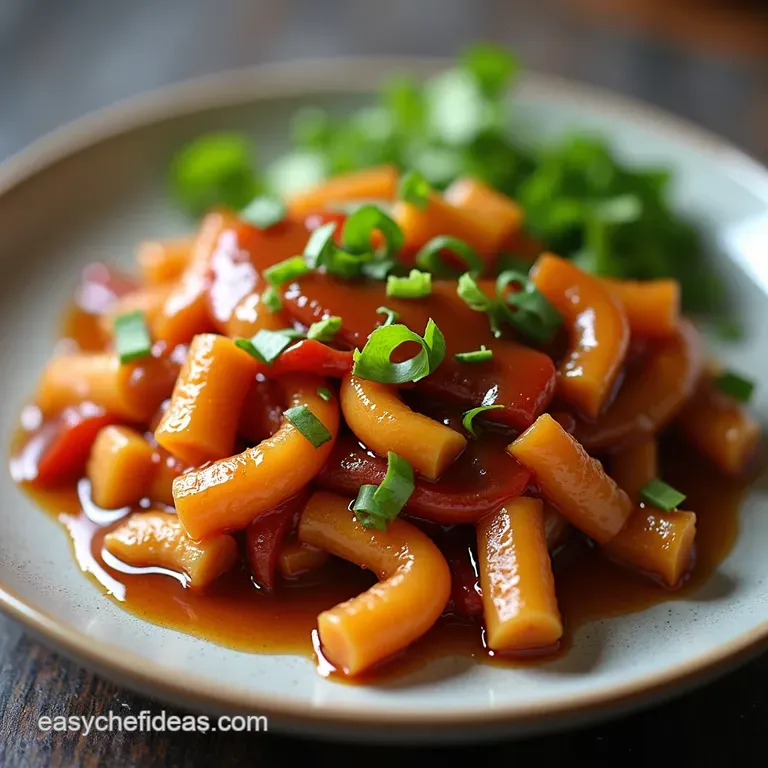
Ditch the Bottle: Unlocking Restaurant Quality Flavor at Home
There’s a moment every home cook experiences when they realize that the pre-bottled sauce languishing in the fridge door just isn't cutting it. It’s often too thick, strangely sweet, or overwhelmingly salty.
If you’ve ever craved that deep, authentic, glossy glaze you find on perfectly grilled skewers or succulent salmon at a great Japanese restaurant, then you've come to the right place.
Forget reliance on store-bought options; we are unlocking the secret to truly memorable flavor today with our robust, deeply satisfying Homemade Teriyaki Sauce Recipe .
This isn't just a passable substitute; it’s the real deal a powerhouse glaze ready in under 20 minutes.
The Secret to Authentic Umami Balance
What separates an exceptional Teriyaki from a mediocre one? It’s the careful management of savory depth umami balanced against sweetness. Many commercial brands lean too heavily on high fructose corn syrup, resulting in a flat taste.
Our approach focuses on using high-quality soy sauce as the savory foundation, complemented by the subtle, fermented sweetness found only in Mirin (sweet rice wine). This combination creates a complex, savory foundation that clings beautifully to proteins.
A Simple Sauce That Elevates Every Meal
One of the greatest advantages of mastering this sauce is its sheer versatility. Are you looking for a fantastic Teriyaki Sauce Marinade ? This recipe doubles perfectly as one, soaking beautifully into chicken overnight. Need a glaze for fish?
This consistency is ideal for finishing Teriyaki Sauce for Salmon , creating that enviable lacquered look without burning. From weeknight tofu stir fries to weekend grilling projects, this Easy Teriyaki Sauce Recipe is destined to become your kitchen staple.
From Zero to Hero: Quick Flavor Transformation
The beauty of this particular recipe lies in its speed. We are aiming for a total time commitment of under 20 minutes. This means that even when inspiration strikes for a last minute dinner, you aren’t forced to compromise on quality.
In fact, the entire process from measuring to simmering is designed to be incredibly streamlined, proving that homemade excellence doesn't require an afternoon of dedication.
Mastering the Foundation: Essential Components for Perfect Teriyaki
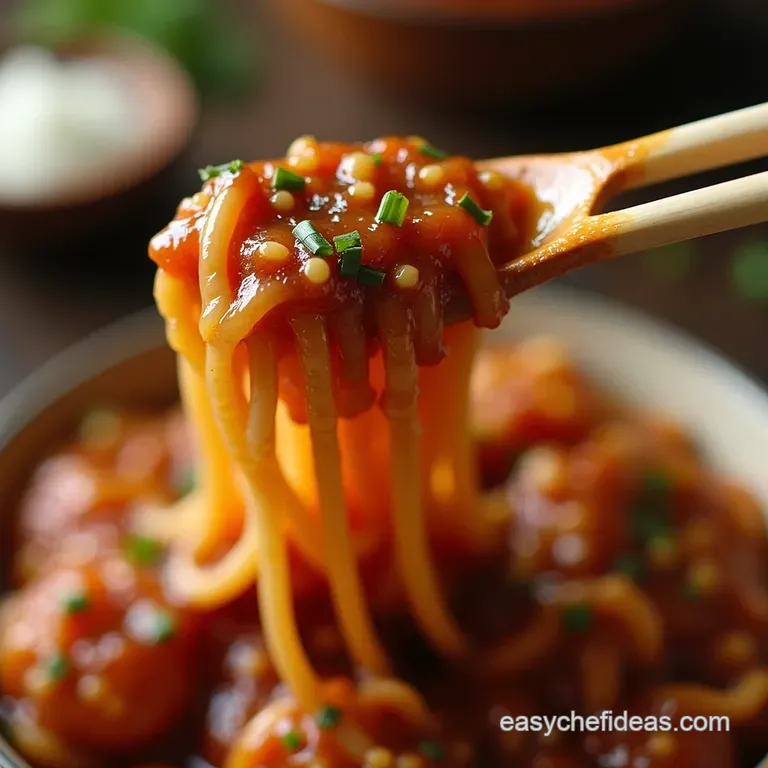
Creating truly great Homemade Teriyaki Sauce relies on selecting ingredients that bring authentic depth. While you can certainly adjust sweetness levels, we must establish a strong base before getting creative.
Using the correct ratios of salty, sweet, and savory agents is paramount to achieving that authentic, mouth watering finish.
Sourcing Smarter: Tips for Choosing Premium Sauce Ingredients
Don't skimp on the liquids here; they form 90% of the flavor profile. If you are worried about making a Healthy Homemade Teriyaki Sauce , remember that using high-quality ingredients often means fewer preservatives and less unnecessary filler found in budget options.
The Non-Negotiable Core Four Ingredients
To craft this glaze, you must secure four key components: A quality low-sodium soy sauce (providing salinity and umami), Mirin (essential for traditional sweetness and sheen), Sake (which adds a layer of subtle alcoholic depth that evaporates during cooking), and Brown Sugar (for molasses notes that white sugar lacks).
These four elements interact to create the rich, balanced flavor profile necessary for this Homemade Teriyaki Sauce for Chicken or any other dish.
Choosing Your Sweetener: Maple vs. Brown Sugar Showdown
While many people substitute honey, our go-to recommendation for the most traditional result is packed light brown sugar. It melts beautifully and infuses a deeper, caramel like background note.
If you are specifically looking for a Teriyaki Sauce without Honey , brown sugar is the perfect analogue. For a strictly refined sugar-free approach, pure maple syrup works well, though the final product will have a slightly thinner texture and a distinct maple aroma.
Essential Equipment for Flawless Sauce Creation
Fortunately, no specialized tools are required. A small, heavy bottomed saucepan is ideal, as it distributes heat evenly, preventing the sugars from scorching. You will also need a whisk this is your best friend when integrating the thickener later on and a fine mesh sieve if you prefer a perfectly smooth, restaurant quality glaze.
Related Recipes Worth Trying
- Easy Homemade Soft Pretzel Bites Recipe Better Than the Pub — Forget those shopbought excuses Master Easy Homemade Soft Pretzel Bites with this foolproof recipe featuring the perfect chewy crust Dip them in gooey...
- The Best Garlic Butter Noodles Browned Butter Sauce in 25 Mins — This foolproof Garlic Butter Noodles Recipe uses browned butter and starchy pasta water to create a restaurantquality Garlic Butter Sauce Ready fast
- The Ultimate Bright Zesty Chimichurri Sauce Recipe — Stop buying bottled stuff Learn how to make authentic Chimichurri Sauce with fresh herbs and the perfect vinegar tang Essential for your next skirt steak
The Quick Fire Method: Crafting Your Homemade Teriyaki Sauce in Minutes
Let’s dive into the simple mechanics of bringing these ingredients together. This recipe manages to achieve complexity through rapid infusion and reduction, resulting in a brilliant sauce perfect for drizzling over just about anything.
This whole process clocks in at roughly 17 minutes total.
To begin, we first address the crucial thickening agent. In a separate small bowl, whisk together 3 tablespoons of cold water and 1 tablespoon of cornstarch until the mixture is utterly smooth this is your slurry. It is absolutely vital that this is lump free before it ever meets heat!
Next, into your saucepan go the primary flavor components: 1/2 cup of low-sodium soy sauce, 1/4 cup of Mirin, 2 tablespoons of Sake, 1/4 cup of packed light brown sugar, 1 teaspoon of finely grated fresh ginger, and 1 minced garlic clove. Place this mixture over medium heat.
Whisk gently until the brown sugar has fully dissolved and the liquids are steaming hot but do not let it boil aggressively yet.
step-by-step Simmering: Ensuring Deep Flavor Infusion
Once the base is heated through, it’s time for activation. Give your prepared cornstarch slurry one final, quick whisk (as the starch settles fast) and slowly pour it into the simmering liquid while continuously whisking the sauce. This constant movement prevents clumps from forming around the starch molecules.
When to Thicken: Monitoring the Reduction Process
As soon as the slurry enters the liquid, you will notice the transition immediately. Bring the mixture up to a gentle, steady simmer. Continue whisking gently for about 1 to 2 minutes. You are waiting for the sauce to visibly thicken and achieve a lovely sheen that coats the back of a spoon.
This short cooking time ensures that the flavor of the aromatics is present but not harsh, and it results in a Homemade Teriyaki Sauce without Cornstarch seeming necessary, as the finish is so professional.
Cooling Down: Preparing the Sauce for Storage and Immediate Use
Remove the pan from the heat immediately once thickened. If you are using this as a beautiful glazing agent, I highly recommend pouring the finished sauce through a fine mesh sieve to catch the bits of ginger and garlic.
While you can use it warm, note that the sauce will thicken substantially more as it cools down to room temperature and beyond.
Beyond Basic: Delicious Twists and Uses for Your Teriyaki Creation
While the basic formula provides unparalleled flavor, the true joy of making Homemade Teriyaki Sauce is the potential for customization. This sauce is robust enough to stand up to bold additions without losing its essential character.
Spice It Up: Creative Flavor Variations on Classic Teriyaki
For those who crave heat with their sweet and savory, consider adding a teaspoon of Sriracha or a pinch of red pepper flakes during the initial heating phase. If you're aiming for a smoky finish, a few drops of liquid smoke can add an unexpected layer, particularly when using this as a Teriyaki Sauce Marinade for beef.
A fantastic alternative for a lighter, brighter taste is substituting half the soy sauce with fresh orange juice, making it an instant hit for summer grilling.
Storage Guidelines for Optimal Homemade Teriyaki Sauce Freshness
This sauce keeps incredibly well, primarily due to the high sugar and salt content. Store your completely cooled Homemade Teriyaki Sauce in a sealed, airtight glass jar in the refrigerator.
It will maintain peak flavor for up to two weeks, possibly longer if you were meticulous about cleanliness during preparation. Remember, it will thicken further when chilled, so you might need to warm it briefly or thin it with a tiny splash of water before using it as a finishing drizzle.
Pairing Perfection: What Dishes Beg for This Rich Glaze?
While this sauce excels as a Teriyaki Sauce for Chicken —think grilled skewers or baked wings it’s phenomenal with fatty fish like salmon or mackerel.
For those embracing plant based meals, this is the perfect Vegan Teriyaki Sauce base when paired with extra firm tofu or seitan. Don't forget simpler applications: toss roasted broccoli in it, use it as a dressing for a warm grain bowl, or simply keep it on hand for dipping crispy homemade potato wedges.
Nutritional Snapshot: Understanding What’s In Your Bowl
By controlling the ingredients, you gain total control over the nutrition. We’ve consciously chosen a low-sodium soy sauce to keep the salt in check, and by skipping artificial additives, we create a much Healthy Homemade Teriyaki Sauce .
While any sauce containing sugar will have carbohydrates, using measured amounts of brown sugar ensures that the flavor payoff outweighs the caloric contribution. This level of transparency is impossible with bottled alternatives.
If you are avoiding sugar entirely, you could explore making a Teriyaki Sauce without Honey or refined sugar by using a zero calorie natural sweetener, though the texture and caramelization will differ slightly.

Recipe FAQs
How long will my Homemade Teriyaki Sauce last in the fridge, and can I freeze it?
Stored properly in an airtight container, this sauce will keep beautifully in the fridge for up to two weeks much longer than you’ll need to resist eating it, mind you! While you technically can freeze it, the texture might separate a bit when thawing due to the cornstarch thickener.
If you do freeze it, plan to whisk it vigorously after thawing.
My sauce didn't get glossy and thick; what went wrong? Did I mess up the cornstarch?
Ah, the classic cornstarch conundrum! You probably forgot the golden rule: always mix the cornstarch (or cornflour) with cold water first to make a smooth slurry, and then pour that slurry into the sauce while it’s simmering, whisking constantly.
If it didn't thicken, it likely needs just another minute or two simmering after the slurry goes in to fully activate.
Can I make this Homemade Teriyaki Sauce recipe gluten-free?
Absolutely, swapping out the soy sauce is the only change needed! Simply substitute your standard low-sodium soy sauce with Tamari, which is naturally brewed without wheat. The flavour profile will be very similar, perhaps even a tad deeper, so it’s a brilliant adaptation.
It tastes a bit too salty/sweet for my liking; how do I adjust the flavour balance?
That’s the beauty of making it yourself you’re the boss! If it's too salty, add a tiny splash more water or mirin next time; if it's too sweet, add a squeeze of fresh lemon juice (though this deviates from tradition) or simply reduce the brown sugar slightly next time you brew a batch.
Always taste before adding the thickener!
I don't have Mirin or Sake; what are the best substitutes for my Teriyaki sauce?
Mirin is key for that authentic sheen, but you can substitute it with a similar volume of dry white wine mixed with a teaspoon of sugar if you’re in a pinch. For the Sake, an equal part of dry sherry or even apple juice works well to provide that necessary depth without relying on the specific alcohol.
Easy Homemade Teriyaki Sauce
Ingredients:
Instructions:
Nutrition Facts:
| Calories | 4857 kcal |
|---|---|
| Protein | 19.2 g |
| Fat | 114.0 g |
| Carbs | 298.1 g |
| Fiber | 37.1 g |
| Sodium | 3920 mg |
