The Perfect Pico-Style Guacamole: Creamy, Zesty, and Spot on
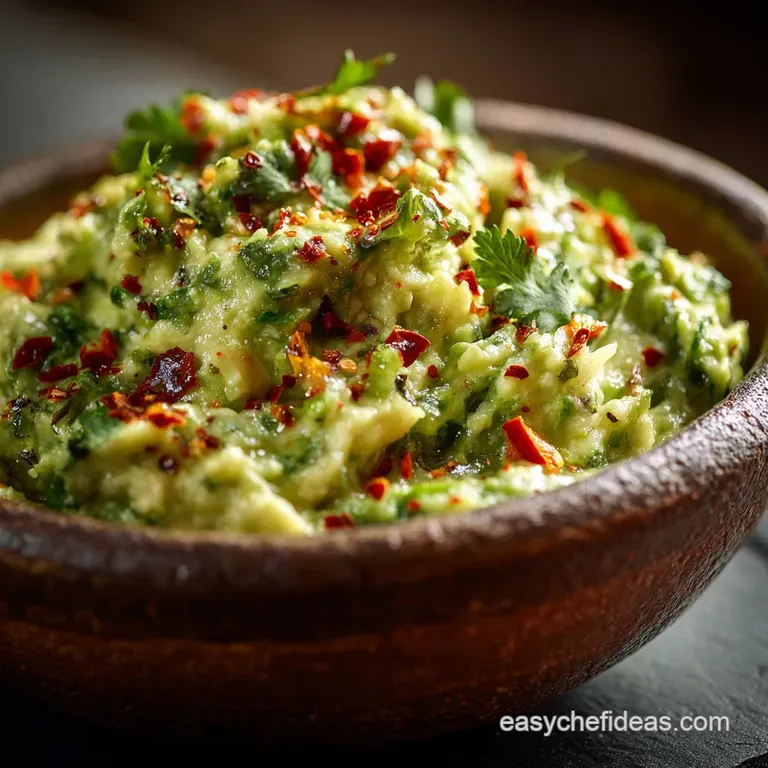
- The Undisputed King of Dips: A Pico-Style Guacamole Primer
- The Science of Perfect Texture and Zest
- Essential Ingredients for Flawless Guacamole
- The Recipe Method: Building Your Perfect Pico Guacamole
- Elevating Your Guacamole: Expert Tips and Troubleshooting
- Preservation Hacks: Keeping Guacamole Green and Fresh
- The Best Pairings and Presentation for Your Guacamole Dish
- Recipe FAQs
- 📝 Recipe Card
The Undisputed King of Dips: A Pico Style Guacamole Primer
That smell when you first cut into a ripe avocado and mix it with fresh lime is honestly intoxicating. This dip should be chunky, vibrant green, and taste like sunshine mixed with salt. Forget smooth, brown paste; we are aiming for textural heaven here.
It’s the ultimate party trick because it takes about ten minutes, start to finish, and costs next to nothing compared to buying the sad tubs at the store. Honestly, if you can chop a tomato, you can master this [Easy Guacamole Recipe].
This quick fix magic makes it my go-to when friends suddenly show up and need feeding immediately.
I've made all the common mistakes, like using bottled lime juice or over mashing it until it looks like baby food. We're going pico style today, which means maximizing texture and flavor brightness, creating that perfect Homemade Guacamole Recipe .
Let’s crack on and make the best Guacamole you’ve ever scooped.
The Science of Perfect Texture and Zest
Defining "Pico Style" Guacamole vs. Traditional Blends
Pico style simply means we’re keeping structure in the mix. Traditional guac is often mashed into submission, but we want distinct chunks of tomato, onion, and jalapeño visible in the vibrant green base. It’s about layers of texture that make the dip satisfying, not just one smooth creamy experience.
A Brief History: Tracing Guacamole Back to the Aztecs
Avocados, or āhuacatl , were a staple for the Aztecs way back when, who called their version āhuacamōlli . Think of how amazing it is that we’re still enjoying this exact combination of fruit, salt, and chile peppers centuries later.
It’s a timeless classic, proven by history and beloved globally today.
Achieving the Ideal Chunky Creamy Ratio
The secret here is mashing the avocado before you add the chunky veg. Mash about 80% of the avocado until creamy, leaving the remaining 20% in small chunks for bite. This technique gives you that silky base while ensuring satisfying texture contrast throughout the dip.
The Role of Acidity (Lime Juice) in Preventing Oxidation
Lime juice does two crucial jobs for Guacamole. First, it sharpens and brightens the flavor, making the avocado taste less heavy and more vibrant. Second, and maybe most importantly, the acid dramatically slows the enzymatic browning process, keeping your dip beautifully green for longer.
Always use fresh lime juice; never bottled.
Balancing Salt and Heat for Maximum Flavor Depth
Salt is what awakens the fat in the avocado; without enough, the dip tastes flat and boring, which is the mark of a poor Basic Guacamole Recipe . You need way more salt than you think, so taste, add a pinch, stir, and taste again until it truly pops.
Heat, usually from jalapeño, provides that subtle kick that cuts through the creaminess delightfully, creating the perfect Spicy Guacamole .
Essential Ingredients for Flawless Guacamole
Choosing and Ripe Testing Hass Avocados
Look for Hass avocados that are deep purple green and yield slightly when you cup them in your palm, not mushy, just yielding. If the little nub on top (the stem) comes off easily and is green underneath, you’ve hit the jackpot.
Avoid any that look bruised or overly soft, as they’ll often be sadly brown inside.
Pico Essentials: Selecting the Best Onion and Tomato
I always use red onion because it has a sharper flavor that stands up well to the richness of the avocado. When you chop the tomato, absolutely make sure you deseed it first, otherwise, you introduce too much water, which ruins the texture and makes the guac watery.
Roma tomatoes are usually the best choice for this purpose because they’re dense and less watery.
Heat Control: Mastering Jalapeño and Serrano Peppers
We use jalapeño here, and how much heat you get depends entirely on whether you leave the seeds and the white membrane in. For a milder Guacamole, remove them completely, which takes away most of the spice, focusing instead on the green flavor.
If you want serious fire, switch to a serrano pepper, which is significantly hotter, but handle them with caution and maybe wear gloves!
Ingredient Swaps and Allergy Alternatives
Sometimes you’re missing that one key ingredient, but don’t panic! This is a simple dish, so simple swaps can keep you on track. Here’s a quick guide if you’re in a pinch or need to avoid an allergen:
| Ingredient | Why We Use It | The Viable Substitute |
|---|---|---|
| Lime Juice | Acidity & Oxidation Control | Lemon juice (less tangy, but saves the color) |
| Red Onion | Sharpness and Crunch | Finely chopped shallots or mild sweet onion |
| Coriander (Cilantro) | Fresh, herby finish | Chives or flat leaf parsley (if you’re one of the 'soap tasting' crew) |
| Jalapeño | Required heat kick | A pinch of cayenne pepper or a few drops of hot sauce (use sparingly!) |
The Recipe Method: Building Your Perfect Pico Guacamole
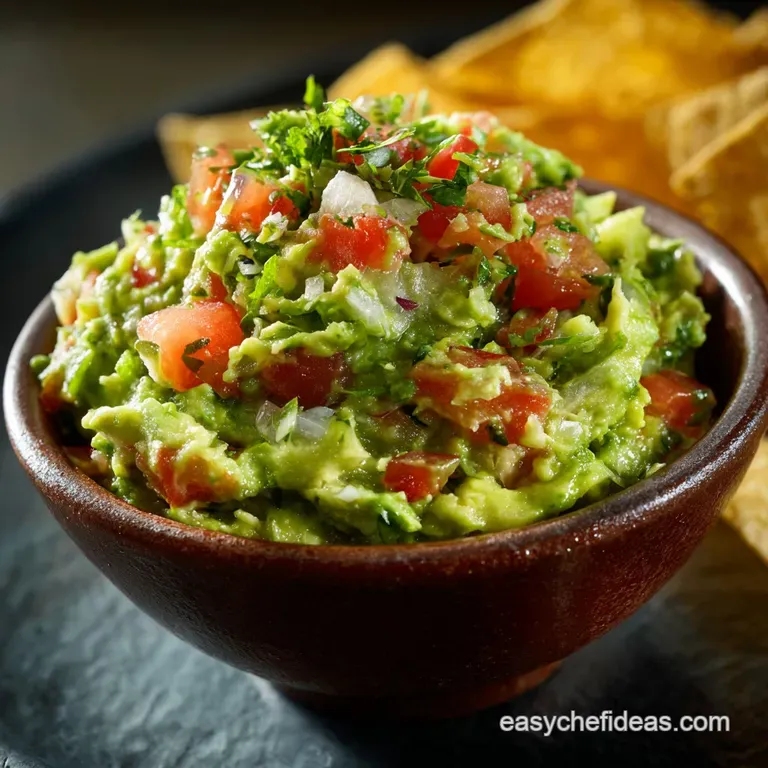
Preparing the Pico Base (Dicing and Combining)
Get all your chopping done first: onion, deseeded tomato, minced jalapeño, and coriander. Put these together in a small bowl, letting them sit for a minute while you tackle the avocado.
This helps them slightly release their flavors before mixing them into the base, which is crucial for maximizing that "pico" fresh taste.
The Art of Mashing: Achieving the Desired Texture
Scoop the avocado into a big bowl and immediately hit it with half your salt and half your lime juice. Use a fork or a sturdy potato masher to mash until you reach that 80% creamy/20% chunky ideal, being careful not to turn it into baby food.
That early splash of lime stops browning instantly and seals in the fresh color.
Integrating Citrus and Seasoning
Now, gently fold in your diced vegetables and chopped coriander using a spatula. We fold everything in slowly so we don't accidentally mash the perfect pico chunks we just prepared. Finish by adding the remaining lime juice and salt, tasting meticulously to check the balance of acidity and savoriness.
Final Flavor Checks and Resting the Dip
This is where you become the flavor commander: taste it, does it need more salt to truly shine, or a little more lime for brightness? Once perfectly seasoned, cover the Guacamole tightly, pressing the plastic wrap directly onto the surface of the dip to block air (this is key!).
Letting it rest for 30 minutes in the fridge lets the flavors truly marry up, which makes a huge difference in the final product.
Chef’s Note: Remember, salt is the great unifier. If your Guacamole tastes "off" but you followed all the steps, it almost certainly needs more salt. Don't be shy!
Elevating Your Guacamole: Expert Tips and Troubleshooting
How to Rescue Overly Salty or Bland Guac
If your guac is bland, you missed the salt step; just add more until it snaps to attention. If you accidentally went overboard on the salt, mash in another quarter of an avocado or add a tablespoon of finely diced, bland tomato flesh (no seeds!) to absorb the excess sodium. Too much lime?
A tiny drizzle of high-quality olive oil can help round out the sharp edges.
Common Preparation Pitfalls to Avoid
One major mistake is over mashing everything into a homogenous paste; remember, we want texture for this Best Guacamole Recipe . Another huge fail is using refrigerated, hard avocados, which taste grassy and often have brown spots you can’t hide.
Also, never substitute dried onion or garlic powder for the fresh ingredients; it totally ruins the vibrancy of this dish.
Preservation Hacks: Keeping Guacamole Green and Fresh
Short Term Storage Solutions (The Water/Oil Barrier Method)
Guacamole hates oxygen, so we need a barrier to store it up to 24 hours. Smooth the top surface in an airtight container, then pour a very thin layer of cool water or olive oil over the top.
When you’re ready to eat, simply pour off the liquid and stir the dip gently, and it will be shockingly green underneath, ready to serve again.
Is Freezing Guacamole Ever a Good Idea? (Texture Changes)
But does it freeze well? You bet, but with a HUGE asterisk attached. Freezing drastically changes the texture, making it much softer and slightly mushy upon thawing, so I only recommend freezing the pure avocado base (without the pico ingredients).
When thawed, stir in the fresh onion, tomato, and lime juice it works okay for baking or blending into a sauce, but maybe not for dipping chips.
The Best Pairings and Presentation for Your Guacamole Dish
Beyond Chips: Creative Dippers and Accompaniments
Tortilla chips are the classic, but let's get creative; try dipping jicama sticks, radishes, or even crispy plantain chips for a change. For a spectacular party platter, surround your guac bowl with colorful bell pepper strips and thin carrot slices. If you have leftovers , I highly recommend trying this recipe for Guacamole Deviled Eggs: Vibrant, creamy, and healthy party appetizers — it’s a total game changer.
Integrating Guacamole into Main Meals
Guacamole isn't just a side dish; it makes a brilliant topping for almost anything. Dollop a generous spoonful onto simple grilled fish or smear it inside your favorite lunchtime wrap for instant flavor.
It also provides the perfect creamy, rich texture needed for layering authentic nachos or making a stellar taco night even better.
Recipe FAQs
How do I prevent my guacamole from turning brown when storing leftovers?
The key to stopping oxidation is limiting oxygen exposure. The most effective method is to press plastic wrap directly onto the surface of the guacamole before refrigerating it. Alternatively, pour a thin layer of cold water or lime juice over the surface, which acts as a protective seal you can gently drain off before serving.
How do I ensure my avocados are perfectly ripe for this recipe?
A ripe avocado should yield gently to firm, light pressure when cradled in your palm; avoid using any that feel squishy or hard like a rock. Another reliable indicator is checking under the small stem cap: if it reveals bright green underneath, the avocado is ready to use, but if it's brown, it is likely past its prime.
My guacamole seems too runny or watery; how can I fix the consistency?
Runniness is often caused by improperly deseeded tomatoes or very watery avocados. To thicken the batch, gently mash in a small piece of firm, previously unused avocado to absorb moisture and add body.
You can also mix in a tablespoon of finely minced red onion or chopped cilantro, which add necessary bulk without changing the core flavor.
Can I make this Pico Style guacamole spicier, and what ingredients should I use?
Absolutely; to increase the heat, make sure to incorporate the seeds and white membranes when dicing your jalapeño, as this pith holds most of the capsaicin. For a deeper, smoky heat that complements the avocado beautifully, try mixing in a small amount of finely minced chipotle pepper in adobo sauce.
I don't have fresh lime juice; can I substitute it with lemon juice?
While fresh lime juice provides the traditional zesty flavor and crucial acidity needed for preservation, lemon juice is an acceptable substitute in a pinch. However, lemon flavor can sometimes be stronger and slightly bitter, so start by adding only half the amount the recipe calls for, tasting as you go.
Should I mash the avocado first, or mix all the ingredients at once?
For this "Pico Style" guacamole, you should always mash the avocado first to control the base consistency aiming for creamy yet still chunky. Once the base is perfect, gently fold in the finely diced Pico ingredients (tomatoes, onion, cilantro) to ensure they maintain their distinct structure and crunch.
How long does homemade guacamole last in the refrigerator?
When properly stored in an airtight container with minimal air exposure, homemade guacamole remains safe to eat for 2 to 3 days. That being said, the vibrant color and peak fresh flavor are best enjoyed within the first 12 to 24 hours of preparation.
The lime juice helps prolong its life, but the flavors mellow quickly.
Easy Homemade Guacamole Recipe
Ingredients:
Instructions:
Nutrition Facts:
| Calories | 595 kcal |
|---|---|
| Protein | 15.0 g |
| Fat | 26.0 g |
| Carbs | 74.0 g |
