Crock Pot Baked Potatoes: the Fluffy Five-Hour Spud That Saves Your Oven
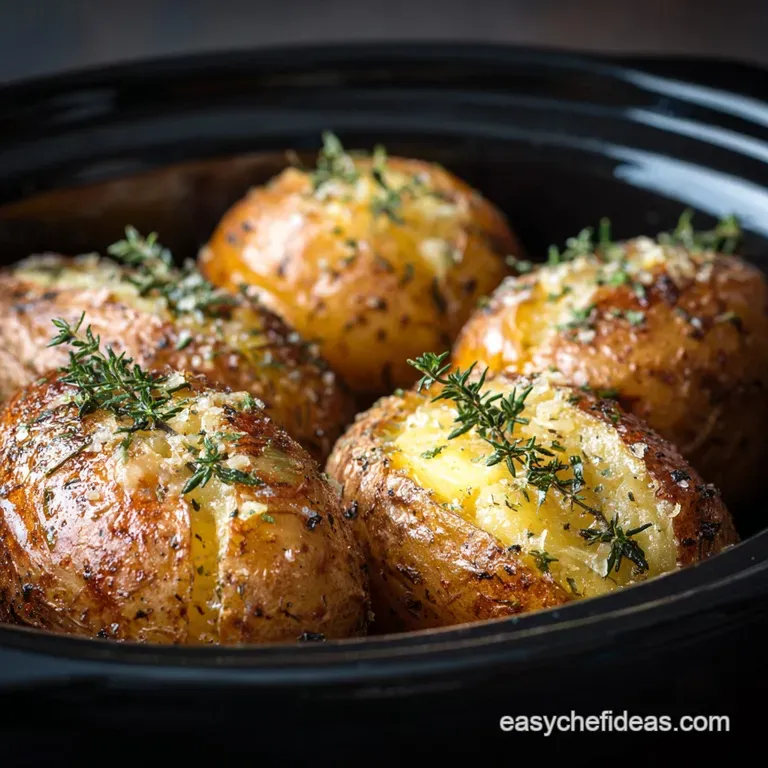
- Ditching the Oven: The Case for Slow Cooker Spuds
- The Science of Fluff: Why Moist Heat Creates Superior Interiors
- Essential Ingredients for the Best Crock Pot Baked Potatoes
- Step-by-Step: From Prep to Perfect Slow Cooked Spud
- Troubleshooting and Pro-Tips for Crock Pot Baked Potatoes
- Storing Leftovers: Keeping Baked Potatoes Fresh and Safe
- Building the Ultimate Baked Potato Bar: Serving Suggestions
- Recipe FAQs
- 📝 Recipe Card
Ditching the Oven: The Case for Slow Cooker Spuds
Remember that perfect, fluffy, cloud like potato interior? It’s pure comfort food, isn't it? When you slide your fork in, the steam billows out with that wonderfully earthy, slightly nutty potato smell. It’s honestly one of the most satisfying sounds in the kitchen, signaling dinner perfection.
Baking potatoes traditionally takes up serious oven space, uses a lot of energy, and requires about an hour of anxious waiting. This crock pot baked potatoes trick is a total game changer for busy weeknights or when you’re planning a big barbecue and need your oven clear.
It’s cheap, incredibly easy, and allows you to completely set-it and forget-it.
I've tried so many methods that promised "oven results" but delivered soggy, sad interiors. Trust me, the secret to proper slow cooker baked potatoes is understanding the steam.
This technique focuses on maximizing internal moisture retention to create that amazing fluff without turning the skin to mush. Let’s crack on and get these spuds sorted.
The Science of Fluff: Why Moist Heat Creates Superior Interiors
Most people think a baked potato needs dry, scorching heat, but that's only true if you are chasing a skin that could crack glass. If you prioritize the interior that cloud of fluffy white goodness the slow cooker is actually superior.
It provides gentle, consistent, moist heat, essentially wrapping the potato in a steamy sauna.
This consistent, low temperature causes the starches inside the potato cells to swell fully without dehydrating, which is the key to fluffiness. When you eventually pierce the skin, that steam immediately rushes out, leaving behind a light, airy, deeply satisfying texture.
This method guarantees success for large batches too, which is brilliant if you're feeding a crowd.
Why the Slow Cooker is the Ultimate Spud Setter
The slow cooker controls the ambient moisture in a way a conventional oven cannot. The heavy lid locks in steam released from the potato itself, acting as a natural buffer against drying out. This means no more tough, chewy internal spots that ovens often leave behind.
Comparing Cook Times: Oven vs. Crock Pot Efficiency
Yes, the oven is faster, generally taking 60 to 75 minutes. However, the slow cooker offers unbeatable flexibility. You can cook crock pot baked potatoes on High in 4 to 5 hours or on Low in 7 to 8 hours .
This huge window means you can toss them in before work and they’ll be ready exactly when you walk through the door, perfect for the ultimate lazy meal.
What Defines a Perfectly 'Baked' Potato?
For me, perfection means a crispy, salty exterior cradling an impossibly light, dry, and fluffy interior. While the slow cooker sacrifices a little crispness (we have a hack for that later), it absolutely nails the internal dryness and fluff factor. It’s all about the texture contrast.
Achieving Maximum Internal Steam Retention
We only pierce the skin before cooking to prevent explosions, not to dry the potato out. The oil rub and the salt act like a very thin seal, helping to hold in the majority of the moisture as steam. The internal steam pressure is what expands those starch cells so beautifully.
The Role of Low and Slow Heat on Starch Structure
Cooking slowly ensures that the potato heats evenly all the way through, from the very center to the skin. Rapid heating in an oven can scorch the outside before the interior starch has fully gelatinized. Low and slow heat gives the starch ample time to convert into that light, creamy structure we crave.
Solving the Dry Potato Problem Forever
The biggest culprit for dry, gummy baked potatoes is rapid dehydration. Because the slow cooker recirculates moisture, it is nearly impossible to dry these out unless you leave the lid off for hours. You are guaranteed a moist result every single time.
Essential Ingredients for the Best Crock Pot Baked Potatoes
We keep it simple, because the Russet potato is the star of this show. You really only need four things to achieve perfection, so make sure they are high-quality.
Selecting the Right Potato Variety (Russet vs. Yukon Gold)
You must use Russet potatoes for slow cooker baking. Why? Russets are high in starch and low in moisture. They break down beautifully when cooked, yielding that desired flaky, airy texture.
Yukon Golds, while buttery and delicious, have higher moisture content and tend to become dense and waxy in the slow cooker. Stick to the classic baking potato!
The Importance of Oil and Salt Prep for Flavor
Oil is crucial. It acts as a heat conductor, helps the salt stick, and slightly shields the skin from turning totally gummy. The coarse sea salt is non-negotiable; it seasons the skin deeply, adding that lovely savory layer that plain potatoes often miss.
Adjusting Quantities for Small and Large Slow Cookers
The recipe is written for a 6 quart cooker (4 large spuds). You can easily double this if your cooker is 8 quarts or larger, provided the potatoes fit in a single layer or are stacked no more than two deep.
If stacking, simply add 30– 60 minutes to the cook time and check for tenderness often.
| Ingredient | Recipe Amount (4 large) | Viable Substitution |
|---|---|---|
| Russet Potatoes | 4 large | Sweet Potatoes (Adjust time slightly) |
| Olive Oil | 2 tbsp | Melted clarified butter or avocado oil |
| Coarse Sea Salt | 1 tsp | Flaky Kosher salt or smoked salt |
| Black Pepper | 1/2 tsp | White pepper for a cleaner look |
step-by-step: From Prep to Perfect Slow Cooked Spud
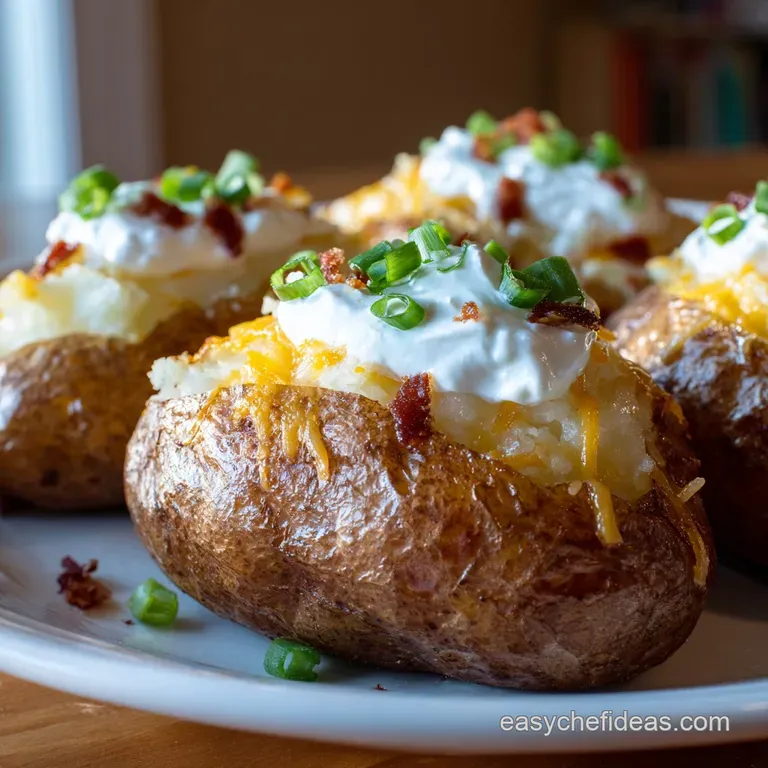
This is where the magic happens, but careful prep is everything.
Preparing the Skin: Washing and Piercing Techniques
First, scrub those spuds hard under cold water using a vegetable brush. Then, and this is critical , dry them completely with a clean kitchen towel. Any moisture left on the skin invites sogginess. Using a fork or a metal skewer, pierce each potato 6 to 8 times all over.
You are simply giving the steam a safety valve.
Setting Up the Slow Cooker Environment: Liner or Rack?
I often use a simple, crumpled-up strip of aluminum foil placed on the bottom to create a small rack. This elevates the potatoes slightly, preventing them from sitting directly in any condensed moisture. Do not line the pot entirely ; just lift them off the base.
Alternatively, you can use a few crumpled balls of parchment paper.
The Critical Turning Point: Maximizing Even Cooking
You don't have to flip them, but if you're around, flipping the potatoes halfway through the cook time (at the 2 hour mark on High, or 4 hour mark on Low) will ensure perfect, even tenderness. This prevents a slightly tougher bottom layer.
Use tongs so you don’t pierce the skin further and lose precious moisture.
Testing for Doneness: The Internal Temperature Check
The quickest way to know if your crock pot baked potatoes are done is the old fork test; the utensil should slide in with no resistance whatsoever. For those who are technical (I am one of you!), the internal temperature should register between 205°F and 212°F (96 100° C) .
Chef's Note: If you find the potatoes are done earlier than anticipated, simply switch the slow cooker to the "Keep Warm" setting. They can hold here happily for up to two hours without turning mushy. This is one of the greatest benefits of slow cooker baking!
Troubleshooting and Pro-Tips for Crock Pot Baked Potatoes
We all make mistakes, believe me. I once forgot to dry the potatoes and they came out like sad, wet sponges. Learn from my errors!
Common Mistakes
- Forgetting to Pierce: This causes the potatoes to build up excessive steam, often resulting in small explosions or skins tearing open unevenly. Always pierce the skin.
- Using Small Potatoes with Large Ones: This results in smaller potatoes that are mushy and overcooked, while the large ones are just right. Stick to potatoes of uniform size for slow cooker cooking.
- Lifting the Lid Too Often: Every time you lift the lid, you lose crucial heat and moisture, potentially extending the cook time by 30 minutes. Be patient!
The Secret to Crisping Up the Skin Post Cook
If you absolutely must have that traditional, crispy skin (and I often do), this is the hack: Preheat your main oven or toaster oven to 450°F (230°C). After the slow cooker time is complete, transfer the finished crock pot baked potatoes to a baking sheet.
Bake for 5 to 10 minutes until the skin is beautifully golden and crunchy.
Avoiding the Soggy Bottom Syndrome
Sogginess happens when the potato sits directly on the damp, hot stoneware base. Use that crumpled foil rack I mentioned earlier! This allows air and moisture to circulate freely beneath the potato, stopping the bottom from boiling.
Can I Use Aluminum Foil? A Look at Wrapping Methods
I strongly advise against wrapping the whole potato in foil inside the slow cooker. Foil traps every single drop of steam, guaranteeing a boiled texture. We want baking, not boiling. Only use foil to create a makeshift rack beneath the potatoes.
Adjusting Cook Time for Larger or Smaller Potatoes
If your potatoes are extra large (over 12 oz each), add about an hour to the cook time on either setting. If they are smaller (under 8 oz), reduce the time by 30– 45 minutes. Again, the fork test is your absolute best friend here.
Storing Leftovers: Keeping Baked Potatoes Fresh and Safe
Properly cooling potatoes is crucial due to potential bacterial growth (Clostridium botulinum). Don't panic, but be smart.
Refrigeration Safety: Cooling Cooked Potatoes Quickly
Once cooked, do not leave the crock pot baked potatoes at room temperature for longer than two hours. The residual heat is a breeding ground for nasty things. Immediately transfer them to the fridge, ideally uncovered initially so they cool rapidly.
They will keep perfectly fine in an airtight container for up to 4 days.
Reheating Methods That Maintain Fluffiness
- Oven: This is the best choice for reheating. Wrap the cold potatoes loosely in foil and reheat at 350°F (175°C) for 15– 20 minutes until piping hot throughout. This prevents them from drying out.
- Air Fryer: For speed and crispiness, use the air fryer at 400°F (200°C) for 8– 10 minutes.
Building the Ultimate Baked Potato Bar: Serving Suggestions
Crock pot baked potatoes are phenomenal because they are the perfect blank canvas for whatever you want to throw on them. This makes them ideal for potlucks or game days!
If I’m making a huge batch of these, I usually pair them with a hearty, comforting main course. They soak up the rich sauce beautifully when served alongside my proper Crockpot Sesame Chicken: Sticky, Tender, and The Easiest Weeknight Fakeaway .
For a proper, cozy meal, cut them open and load them up with sour cream, chives, cheese, and crumbled bacon bits. Or, why not split the potato open and ladle on a serving of my creamy Broccoli Cheese and Potato Soup: Velvety Cheddar Chowder Recipe for a double carb delight?
Topping Ideas for Your Baked Potato Bar
- Shredded sharp cheddar cheese (the stronger the better!)
- Chili con carne or hearty beef stew
- Smoked salmon and dill cream cheese
- Sautéed spring onions and melted butter
- Plain cottage cheese with freshly ground black pepper

Recipe FAQs
Why are my potatoes tough or chewy after the required cooking time?
This issue often arises from non-uniform potato sizes or an overly hot slow cooker. Ensure your potatoes are thoroughly pierced and of similar weight so they cook evenly; alternatively, reduce your cook time slightly if you suspect your appliance runs hot.
Should I wrap the potatoes in foil when using the slow cooker?
No, wrapping them in foil is unnecessary and can be counterproductive in a slow cooker. The consistent, moist heat of the crock pot ensures a tender interior, and wrapping them may trap too much moisture, leading to an overly wet or steamed result.
How do I achieve crispy skin, as the slow cooker makes them soft?
Since the slow cooker creates a moist environment, the skin will naturally remain soft. To crisp the skin, transfer the fully cooked potatoes to a baking tray and place them under a hot broiler (grill) for 3 5 minutes, after rubbing them lightly with oil and salt.
What is the ideal cooking time difference between Low and High settings?
For the best, fluffiest texture, cooking on LOW for 5 6 hours is recommended. If you need to accelerate the process, cooking on HIGH will take approximately 2.5 to 3.5 hours, depending on the size and density of the potatoes.
Do I need to add water or any liquid to the bottom of the slow cooker?
Absolutely not. The potatoes must be placed directly onto the dry base of the crock pot insert, as they release enough natural moisture during cooking to prevent burning and ensure even cooking without steaming them.
Which type of potato works best for this slow cooker method?
High starch varieties like Russets (Idaho) or baking King Edward potatoes are the optimal choices for achieving a light and fluffy interior. Avoid waxy potatoes, such as red or new potatoes, which will maintain their structure and result in a denser, sometimes gummy texture when slow cooked.
Can I freeze leftover crock pot baked potatoes?
While freezing whole baked potatoes is generally not advisable due to significant textural changes upon thawing, you can easily freeze the cooked, scooped potato filling. This filling freezes beautifully and can be used later in casseroles, potato soups, or as a base for mashed potatoes.
Crock Pot Baked Potatoes Easy Hands Off Spuds
Ingredients:
Instructions:
Nutrition Facts:
| Calories | 300 kcal |
|---|---|
| Protein | 6.0 g |
| Fat | 7.5 g |
| Carbs | 53.6 g |
