Fried Fish: Classic Crispy Beer Battered Recipe
- Classic Crispy Beer-Battered Fish: The Ultimate Fish Supper
- Achieving the Perfect English Pub-Style Fried Fish
- Securing Your Catch: Ingredients for the Ultimate Fish Supper
- Mastering the Technique: How to Fry the Fish
- Troubleshooting Your Batter: Tips from the Fryer
- Storage Solutions for Cooked Crispy Fried Fish
- Completing the Chipper Tea: Essential Sides and Sauces
- Recipe FAQs
- 📝 Recipe Card
Classic Crispy Beer Battered Fish: The Ultimate Fish Supper
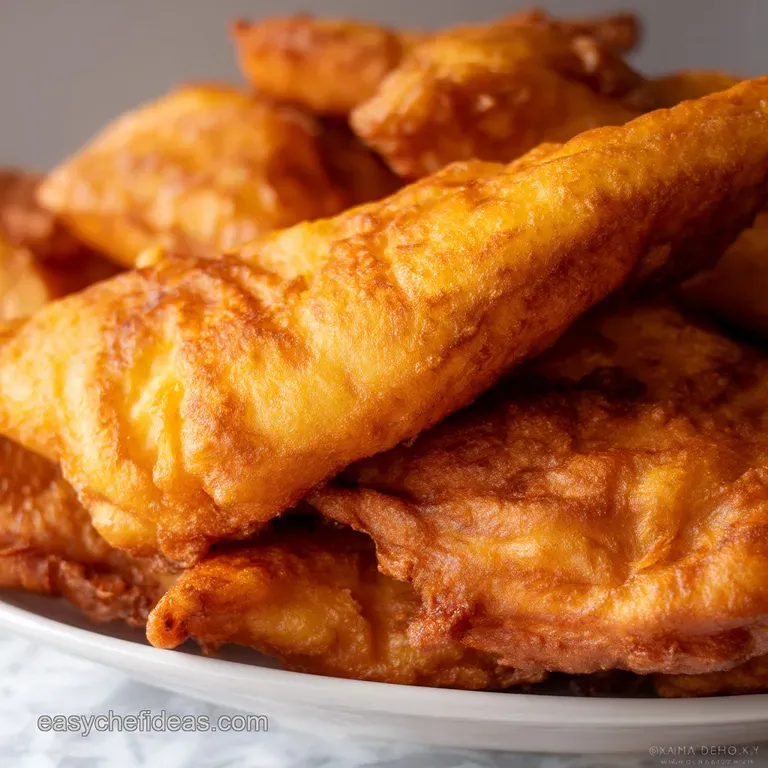
That incredible sound the distinct, high pitched crackle when your fork hits the perfect crispy shell. That, my friends, is the sound of truly spectacular Fried Fish .
If you’ve ever had greasy, dense batter that peels right off the fillet, then you know the tragedy we are avoiding today. We are aiming for light, airy architecture that holds the perfectly flaky fish beneath.
This Fried Fish recipe is an absolute lifesaver. It’s fast, incredibly cheap when compared to ordering takeout, and surprisingly simple once you master the single most important element: temperature.
Forget those thick, soggy sponges you’ve suffered through; we are making the gold standard of coastal comfort food right in your own kitchen. It is totally doable, I promise.
This isn't just a recipe; it’s a detailed breakdown of the why behind the how , explaining all the little tricks I learned through trial and error (and a few grease fires, okay, just one).
Get ready to serve up the best English pub-style Fried Fish of your life. Let’s crack on.
Achieving the Perfect English Pub-Style Fried Fish
If you want those beautiful, bubbly crags on your batter the kind that look like tiny, deep fried clouds you need to understand the physics of deep frying. This isn't witchcraft; it's basic temperature shock, and it’s the key to making glorious Crispy Fried Fish .
Our mission is to create a perfect seal around the fish instantly so the steam puffs the batter without letting the oil soak in.
The Science of Superior Crunch: Temperature Shock Explained
Temperature shock is exactly what it sounds like. We are taking ice-cold batter and plunging it directly into smoking hot oil. This radical contrast causes the moisture (the beer) in the batter to vaporize instantly, forming millions of tiny steam pockets.
Because the outside of the batter sets immediately, these pockets are trapped, giving you that wonderfully airy, hollow crunch that defines the best Fried Fish .
What Makes Beer Batter Superior?
Beer batter works magic for two reasons: carbonation and alcohol. The carbon dioxide provides immediate lift, making the batter lighter than water based alternatives, and the alcohol evaporates faster than water, which helps the crust dry out and crisp up more quickly.
Choosing a light lager or pale ale keeps the flavour neutral, ensuring the fish remains the star of your plate.
Essential Equipment Check: Preparing for Deep Frying
You absolutely must have the right gear for successful deep frying, and I cannot stress this enough: invest in a deep fry thermometer. Guessing the oil temperature is the number one reason people end up with greasy Fried Fish .
You also need a deep, heavy bottomed pot (like a Dutch oven) to manage the heat safely and prevent major splatter incidents. A slotted spider or long handled tongs are crucial for safe handling.
Understanding the Medium Difficulty Rating
I label this recipe 'Medium' not because the steps are complicated, but purely because deep frying demands respect and constant temperature monitoring. If you’re used to baking or simple sautéing, the jump to deep frying requires a heightened level of focus.
However, once you learn to manage the oil, the process itself is simple and repeatable, leading to perfect Fried Fish every time.
The Role of Ice-Cold Beer in Batter Aeration
We use ice-cold beer specifically to maximize the temperature shock discussed earlier. If you use room temperature beer, the shock is minimized, and the batter absorbs more oil before it sets, resulting in a heavier, sadder crust.
Keep that beer chilling in the freezer for 15 minutes before mixing!
Why Frying Oil Temperature is Non-Negotiable
We target 180°C (350°F) for our frying oil. If the oil dips below 170°C (340°F), the batter becomes porous, absorbing excess grease and turning your glorious Fried Fish into a heavy, oily mess.
If the oil gets too hot, say above 195°C (380°F), the batter will burn and darken before the centre of the fish is properly cooked through. Stay vigilant and adjust the heat constantly.
Selecting the Right Fillet Thickness for Flakiness
The ideal thickness for your fish fillet is around 1.5 to 2 inches (3.5 5 cm). Thinner fillets cook too quickly and risk drying out before the batter can fully crisp up. Thicker fillets ensure that by the time the batter is golden brown, the interior is perfectly steamed and flaky.
Securing Your Catch: Ingredients for the Ultimate Fish Supper
Simple ingredients are best here, but the quality and preparation are everything. Always start by patting your fish dry; this is non-negotiable for crispy results. This recipe for Crispy Fried Fish relies on a dry surface before the wet batter goes on.
Choosing the Best White Fish for Battering (Cod vs. Haddock)
Both Cod and Haddock are stellar choices for this recipe. Cod is slightly milder and often flakes into larger pieces, offering a beautiful, moist texture. Haddock tends to have a slightly sweeter flavour and holds its structure beautifully, making it perfect for thick portions.
Really, either will give you exceptional Fried Fish . If you can only find Tilapia, ensure the pieces are thick enough, or pan-fry them gently instead.
Flour Guide: Self Rising vs. All-Purpose Ratios
I prefer a blend of self raising flour and cornflour (corn starch). The self raising flour provides the initial puff and rise, and the cornflour is my secret weapon for ultimate crispness. Cornflour significantly reduces gluten development and prevents the batter from becoming dense or chewy.
If you only have plain (all-purpose) flour, simply add 1 teaspoon of baking powder per cup of flour to replicate the self raising effect.
Non-Alcoholic Beer Batter Alternatives
If you are avoiding alcohol but still want that incredible airy texture for your Fried Fish , chilled sparkling water is your best friend. Choose highly carbonated soda water or seltzer. The carbonation provides the same lifting effect as beer, yielding a beautifully light batter.
Ginger beer also works and adds a subtle, pleasant spice note.
Salt and Seasoning Adjustments
We season the fish lightly before dusting, but the most important seasoning happens after the fish comes out of the oil. Always have a bowl of fine sea salt ready to sprinkle over the hot batter immediately.
This draws out any residual moisture and locks in the flavour while the batter is still highly porous.
| Ingredient | Substitution Tip | Rationale |
|---|---|---|
| Lager/Ale | Chilled Soda Water or Ginger Beer | Maintain high carbonation for lift. |
| Cod/Haddock | Pollock, Halibut, or thick Tilapia | Needs a firm, mild white fish structure. |
| Self Raising Flour | Plain Flour + Baking Powder (1 tsp per cup) | Ensures the necessary rise and puffiness. |
| Cornflour (Corn Starch) | Potato Starch or Rice Flour | Essential for reducing gluten and maximizing crispness. |
Mastering the Technique: How to Fry the Fish
Let's dive into the process. The preparation steps for this Fried Fish recipe are just as important as the actual cooking time.
Preparing the Batter: Ensuring the Ideal Consistency
Mix your dry ingredients first flour, cornflour, salt, and paprika. Then, pour the ice-cold beer in gradually, whisking gently until just combined. The mixture should be thick enough to coat the back of a spoon but still slightly runny, like thin pancake batter. Do not overmix.
A few lumps are fine; you want minimal gluten development to keep the batter light and crisp. Immediately chill the batter for at least 30 minutes.
Oil Setup: Achieving and Maintaining 375°F (190°C)
Set your heavy pot on medium high heat with your oil, ensuring the pot is only one-third full to allow for bubbling and expansion once the fish is introduced. Heat the oil slowly until it reaches the target temperature of 180°C (350°F). Keep your thermometer in the oil at all times. Once you add the cold fish, the temperature will drop dramatically, so be ready to adjust the heat to bring it back up quickly. If you are also making something else deep fried, like my Oven Fried Pickles with Herb Ranch Dip Ultra Crispy Baked (though we are baking those), you’d follow similar temperature rules.
Dipping and Dripping: Coating the Fillets Properly
Take your chilled, dried, and lightly floured fish fillet. Dip it fully into the cold batter, ensuring every surface is covered. Lift the fillet out and hold it over the bowl for a few seconds, letting the excess batter drip off. This step prevents thick, heavy spots on your Fried Fish .
Too much batter leads to a gummy interior.
Frying the Battered Fillets Safely
Gently slide the battered fish into the hot oil, dropping it away from you to prevent splattering. Work in batches of two fillets only. Overcrowding the pot causes the oil temperature to crash, which ruins the crispness and extends the cooking time.
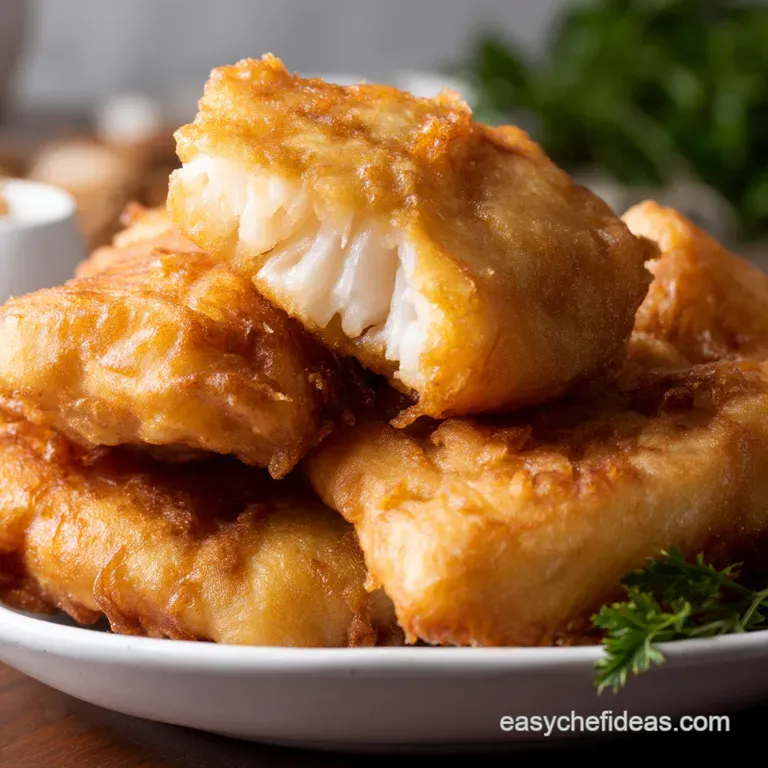
Fry each batch for a total of 10– 12 minutes, turning halfway through, until the batter is a beautiful, deep golden brown and exceptionally puffy.
Troubleshooting Your Batter: Tips from the Fryer
I have made every mistake in the book when learning how to make truly great Fried Fish . I once used warm, flat beer, and the result was so dense and greasy it tasted like a sponge full of engine oil. Learning from those failures is how we perfect the process.
Preventing Soggy Batter: Overcoming Common Mistakes
Soggy batter usually results from one of two culprits: oil that is too cold, or fish that wasn't patted dry first. Always check your temperature. If the oil is below 170°C (340°F), it’s not hot enough to flash set the crust, meaning the oil soaks right in.
Next,, if there is moisture on the fish before it hits the flour, the batter won't adhere properly, and steam trapped beneath the coating will make it soggy instead of flaky.
How to Avoid the Fish Sticking to the Basket
If you use a deep fry basket, the battered fish tends to stick immediately upon entry. To prevent this, hold the fish just above the oil for about 10 seconds before fully submerging it. This initial exposure to the heat helps the exterior set just enough to prevent welding itself to the metal basket.
Alternatively, simply lower it carefully with tongs and ensure you gently nudge it immediately after placing it in the oil to prevent sticking to the bottom of the pot.
When is the Beer Battered Fish Done? (Visual cues)
Visually, the Fried Fish is ready when the batter is a deep, burnished gold, puffy, and stops bubbling vigorously. Fewer bubbles indicate the moisture inside has mostly evaporated. For absolute certainty, the internal temperature of the fish should reach 63°C (145°F).
You can use an instant read thermometer for the fillet center, but honestly, if the batter looks perfectly golden and crisp, the fish inside will be perfectly cooked.
Chef’s Note: The moment the fish leaves the oil, place it on a wire rack, not paper towels. Placing hot, crispy items on paper towels only encourages condensation, which is a fast track to soggy bottoms. The rack allows air to circulate fully, maintaining maximum crunch.
Storage Solutions for Cooked Crispy Fried Fish
Reheating Leftovers: Restoring the Crunch Factor
You can save leftover Fried Fish , but forget the microwave it’s the death of crispness. The absolute best way to reheat is in the oven or air fryer. Preheat your oven to 180°C (350°F).
Place the fish directly on a wire rack over a baking sheet (again, avoiding direct contact with metal or foil). Bake for 10– 12 minutes, or until the batter is sizzling hot and restored to its crunchy glory.
The slightly lower temperature allows the heat to penetrate without burning the delicate coating.
Freezing Uncooked Fish and Batter Components
You should never freeze the mixed beer batter; the leavening agents will lose their power. However, you can freeze uncooked fish fillets easily. Pat them dry, wrap them tightly, and use them within three months.
Thaw them completely in the refrigerator before preparing them for the Fried Fish recipe.
Shelf Life and Safety Guidelines
Cooked Fried Fish is best consumed immediately. If you have leftovers, store them in an airtight container in the fridge for up to 3 days. Always ensure you reheat them thoroughly to a minimum internal temperature of 74°C (165°F) before eating.
Completing the Chipper Tea: Essential Sides and Sauces
What is perfectly Crispy Fried Fish without the proper entourage? Don't skimp on the sides; they complete the traditional English experience.
We need proper chunky chips (fries), of course. Make them homemade for maximum authenticity. Mushy peas the bright green, minty kind are also mandatory. I love serving this with a great homemade tartar sauce filled with capers and fresh dill. For a lighter touch, a refreshing slaw is fantastic; it’s similar to the tangy slaw I use for my Cilantro Lime Fish Tacos: Easy Seared Recipe with Chipotle Crème Slaw .
Finally, serve plenty of lemon wedges and malt vinegar. A dash of malt vinegar is the perfect tangy counterpoint to the rich, savoury Fried Fish batter. This entire meal, prepared correctly, is an absolute showstopper. Enjoy every delicious, flaky bite!
Recipe FAQs
Why is my beer batter soggy or greasy instead of perfectly crispy?
This common issue is nearly always caused by oil temperature that is too low (below 350°F / 175°C). Low heat allows the batter to absorb oil instead of flash cooking and crisping up quickly.
To prevent overcrowding the fryer, ensure you cook the fish in small batches, which helps the oil recover its temperature rapidly between additions.
What is the ideal frying temperature for the crispiest fish?
The optimal temperature range is between 350°F and 375°F (175°C and 190°C), which is hot enough to set the batter instantly but cool enough to prevent the exterior from burning before the fish is cooked.
Use a reliable deep fry thermometer to monitor this range constantly, adjusting the heat source as needed to prevent drastic fluctuations.
What type of fish is best for beer battering and deep frying?
Firm, white fleshed fish works best, such as Cod, Haddock, or Pollock, due to their sturdy texture and clean, mild flavor. These fish hold their shape reliably under high heat and provide an excellent contrast to the light, airy batter.
Avoid overly oily fish, as they can result in a heavier, less desirable final product.
Can I substitute something non-alcoholic for the beer in the batter?
Absolutely; the key element the beer provides is carbonation, not the alcohol content. You can substitute an equal amount of ice-cold club soda or sparkling water to achieve the necessary aeration. Always ensure the substitute liquid is thoroughly chilled to maximize the temperature shock upon hitting the hot oil.
How should I store and reheat leftover fried fish to keep it crispy?
Store cooled leftovers in an airtight container in the refrigerator for up to two days, placing a paper towel beneath the fish to absorb residual moisture. To restore maximum crispness, reheat the fish in a 350°F (175°C) oven or toaster oven for 8 10 minutes, avoiding the microwave entirely, which will steam the batter.
Can I prepare the battered fish ahead of time and freeze it uncooked?
Freezing raw, battered fish is strongly discouraged because the water content in the batter will form ice crystals, resulting in a watery, poor texture upon thawing and frying. For best results, freeze the plain fish fillets and mix the fresh batter immediately before you plan to cook them.
Why does my fish curl up tightly when I drop it into the oil?
If you are using fillets with the skin still attached, the curling is caused by the rapid shrinking of the skin side when exposed to the high heat. To prevent this, make a few shallow, diagonal scores (cuts) on the skin side of the fillet before you dredge and batter it.
This releases tension and allows the fish to remain flat.
Crispy Beer Battered Fried Fish
Ingredients:
Instructions:
Nutrition Facts:
| Calories | 475 kcal |
|---|---|
| Fat | 27.5 g |
| Fiber | 1 g |
