Slow Cooker Chicken: Creamy Ranch and Potatoes
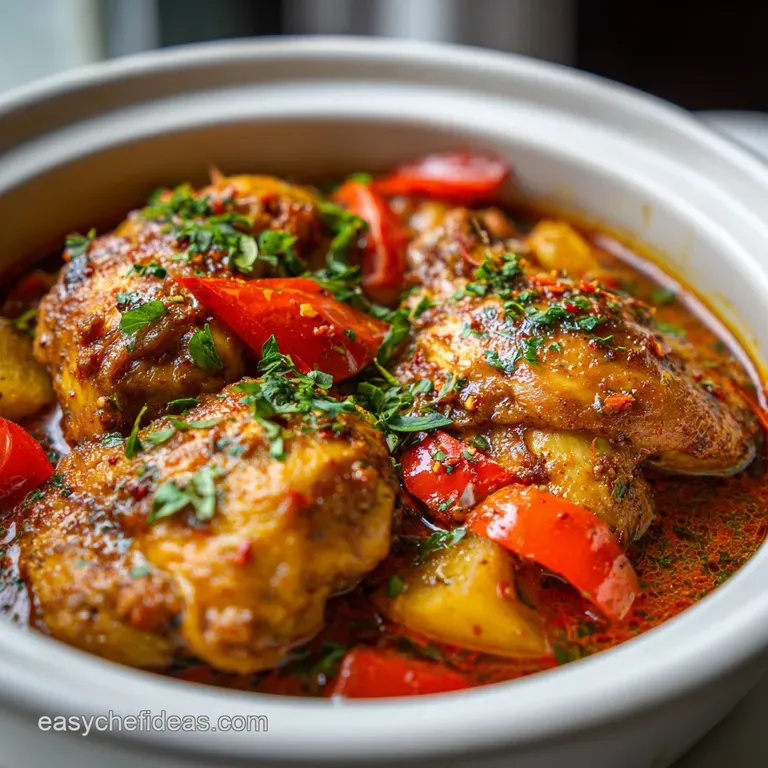
- Time: Active 15 minutes, Passive 6 hours, Total 6 hours 15 mins
- Flavor/Texture Hook: Velvety cream sauce paired with fall off-the bone tender meat and buttery Yukon Gold potatoes.
- Perfect for: Stress free Sunday family dinners or nourishing meal prep that tastes even better the next day.
- Developing Deep Flavor Layers in Slow Cooker Chicken
- Essential Preparation Benchmarks
- Sourcing and Adapting Your Component List
- Analyzing the Elements for Better Results
- The Equipment for Efficient Cooking
- How Low Heat Transforms Tough Cuts
- A Step by Step Guide to Perfect Results
- Overcoming Common Slow Cooking Texture Challenges
- Adjusting Quantities for Small or Large Crowds
- Debunking Misconceptions About Slow Heat Methods
- Managing Leftovers and Minimizing Food Waste
- Serving Suggestions for a Beautiful Family Meal
- High in Sodium
- Recipe FAQs
- 📝 Recipe Card
Developing Deep Flavor Layers in Slow Cooker Chicken
Close your eyes and imagine the sound of a heavy cast iron skillet meeting a cold drop of oil. That sharp, rhythmic sizzle is the first step toward a meal that feels like a warm hug for your soul.
I remember the first time I realized that "slow" didn't have to mean "bland." I used to just toss everything into the pot and hope for the best, but the house would smell like boiled cardboard, and the textures were always... well, sad.
Then, I discovered the power of the sear and the magic of the "vegetable rack," and everything changed.
This specific way of making Slow Cooker Chicken is all about the ingredient hero: the bone in, skin on chicken thigh. In our modern, fast paced world, we often reach for the leanest cuts, but the thigh is where the true nourishment and flavor live.
The bone acts as a thermal conductor, cooking the meat from the inside out, while the skin provides the fat necessary to keep the dish from drying out over a 6 hour stretch. It is a lesson in patience and cultural appreciation for the cuts of meat that require a little more time but offer a much deeper reward.
We are building community through food here, my friend. When you set this pot to simmer, you aren't just making a meal; you're creating an aroma that anchors your home for the day.
This recipe isn't about convenience though it is incredibly hands off once it starts it is about the diversity of textures we can achieve with a single appliance. From the shatter of the mahogany skin to the velvety finish of the ranch infused sauce, we are exploring how a few simple ingredients can create a complex, layered experience that nourishes both the body and the spirit.
Essential Preparation Benchmarks
Understanding the timeline and the visual cues is the first step toward a successful cook. When we talk about "low and slow," we are really talking about a controlled environment where the internal temperature of the meat slowly climbs, allowing the connective tissues to soften without the protein fibers seizing up.
If you've ever had chicken that felt "stringy" or "woody," it's likely because it was cooked too fast at too high a heat.
| Method | Time | Texture | Visual Cue |
|---|---|---|---|
| Slow Cooker (Low) | 6 hours | Fall off-the bone tender | Bone pulls away easily |
| Slow Cooker (High) | 3 hours | Sliceable but firm | Meat is opaque and white |
| Stovetop Simmer | 45 minutes | Juicy but requires attention | Liquid reduces significantly |
Choosing the "Low" setting for 6 hours is non negotiable for this particular cut. Thighs contain a significant amount of collagen, which only begins to transform into silky gelatin when held at a steady, gentle temperature for an extended period.
This is the secret to that "melt in-your mouth" quality we all crave. If you try to rush it on the high setting, you'll still get a cooked meal, but you'll miss out on that luxurious, velvety mouthfeel that defines a truly great slow cooked dish.
For those of you who love the deep, concentrated flavors of a long simmer, you might also enjoy exploring my Slow Cooker Bolognese Sauce. It uses a similar logic of building flavor through time and high-quality fats to create a sauce that feels far more expensive than it actually is.
Sourcing and Adapting Your Component List
The beauty of this recipe lies in the specific choices we make for the foundation. We are using 3 lbs of bone in, skin on chicken thighs because they are nearly impossible to overcook.
Unlike the breast, which can turn into dry sawdust if left in the heat for an extra 20 minutes, the thigh only gets better as the clock ticks. The Yukon Gold potatoes are another intentional choice; their waxy texture means they hold their shape even after hours of bathing in chicken broth, whereas a starchy Russet would simply dissolve into the sauce.
The Foundation: 3 lbs bone in, skin on chicken thighs Why this? Essential fat content and bone in structure prevent the meat from drying out. 1 lb baby Yukon Gold potatoes, halved Why this? Waxy texture holds up under long heat without becoming
grainy. 2 large carrots, cut into 2 inch chunks Why this? Provides natural sweetness and a sturdy base for the meat. 1 yellow onion, quartered Why this? Melts into the sauce to provide a deep, aromatic umami base.
The Signature Rub: 1 tbsp smoked paprika 1 tsp garlic powder 1 tsp onion powder 1 tsp dried oregano 1.5 tsp kosher salt 0.5 tsp cracked black pepper 1 tbsp olive oil (for searing)
The Velvet Sauce: 0.5 cup low sodium chicken broth 4 oz cream cheese Why this? Adds the body and tang needed for a luxurious finish. 1 packet dry ranch seasoning Why this? A concentrated blend of herbs and buttermilk for instant depth.
| Original Ingredient | Substitute | Why It Works |
|---|---|---|
| Chicken Thighs | Chicken Drumsticks | Similar fat and bone structure; meat is slightly firmer. |
| Yukon Gold Potatoes | Red Bliss Potatoes | Both are waxy varieties that won't turn to mush during the 6 hours. |
| Chicken Broth | Vegetable Stock | Provides the necessary moisture with a lighter, earthier flavor profile. |
| Cream Cheese | Heavy Cream (1/2 cup) | Offers a similar fat content but the sauce will be thinner. |
The choice of smoked paprika over regular sweet paprika is a small but vital detail. It introduces a subtle, wood fired quality that mimics the flavor of a rotisserie or a grill, even though we’re using a countertop appliance.
This creates a sense of diversity in the flavor profile bridging the gap between the indoor kitchen and the outdoor hearth.
Analyzing the Elements for Better Results
To truly understand why this Slow Cooker Chicken recipe stands out, we have to look at the role each major player contributes to the pot. It isn't just about putting food in a box and turning it on; it is about the chemistry of heat and the interaction of fats.
| Ingredient | Science Role | Pro Secret |
|---|---|---|
| Bone in Thighs | Collagen Source | Leave the skin on during the sear to render out fat for the sauce. |
| Yukon Gold Potatoes | Starch Stabilizer | Keep the skins on to prevent the potato from absorbing too much water. |
| Cream Cheese | Emulsification Agent | Let it sit at room temperature before adding to prevent curdling in the heat. |
| Smoked Paprika | Oil Soluble Pigment | Rubbing it directly onto the skin allows the color to "bloom" during the sear. |
The interaction between the chicken's natural juices and the starch from the potatoes creates a self thickening environment. Even before we add the cream cheese, the liquid in the pot begins to take on a slightly more viscous quality. This is why we only use 0.5 cup of chicken broth.
It might seem like too little liquid, but remember: the onions, carrots, and chicken will all release their own moisture as they cook. If we added more, we would end up with a soup rather than a succulent dish with a velvety sauce.
The Equipment for Efficient Cooking
You don't need a pantry full of gadgets, but a few specific tools will make the process much smoother and the results more consistent.
- 6 Quart Slow Cooker: This size allows the 3 lbs of chicken to sit in a single layer (or close to it) on top of the vegetables. Overcrowding a smaller pot can lead to uneven cooking.
- 12 inch Cast Iron Skillet: For that mahogany sear. Cast iron holds heat better than stainless steel, which is crucial when you're searing 3 lbs of cold meat.
- Long Handled Tongs: Essential for flipping the chicken without tearing the delicate skin.
- Meat Thermometer: The only way to know for sure that your chicken has hit the safe 165°F (74°C) mark without cutting into it and losing those precious juices.
If you find yourself enjoying the "set it and forget it" lifestyle, you might want to try another variation of this method. My Crockpot Tuscan Chicken uses a similar base but pivots toward sun dried tomatoes and spinach for a completely different cultural flair.
How Low Heat Transforms Tough Cuts
Many people think of the slow cooker as a way to "boil" meat, but that is the wrong mindset. Think of it instead as a gentle transformation chamber.
- The Collagen Transformation: At around 160°F, the tough connective tissue in the thighs (collagen) begins to break down into gelatin. This process is slow, which is why we need the full 6 hours to achieve that silky, luxurious texture.
- The Aromatic Bed: By placing the onions and carrots at the bottom, we prevent the chicken from sitting directly on the heating element. This creates a "steam roasting" effect rather than a braise, keeping the top of the chicken from getting soggy.
- The Maillard Barrier: The initial sear in the skillet isn't just for color. It creates a complex layer of flavor compounds that the slow cooker simply cannot produce on its own. These compounds then dissolve into the sauce, giving it a rich, roasted depth.
The sear is the one step most people skip because they want to save time. Trust me, don't do that. That 4 minute investment in the skillet is what separates a "good" crockpot meal from a "legendary" one.
It locks in the seasoning rub and ensures that the fat under the skin starts to render, which prevents the final sauce from being overly greasy.
A step-by-step Guide to Perfect Results
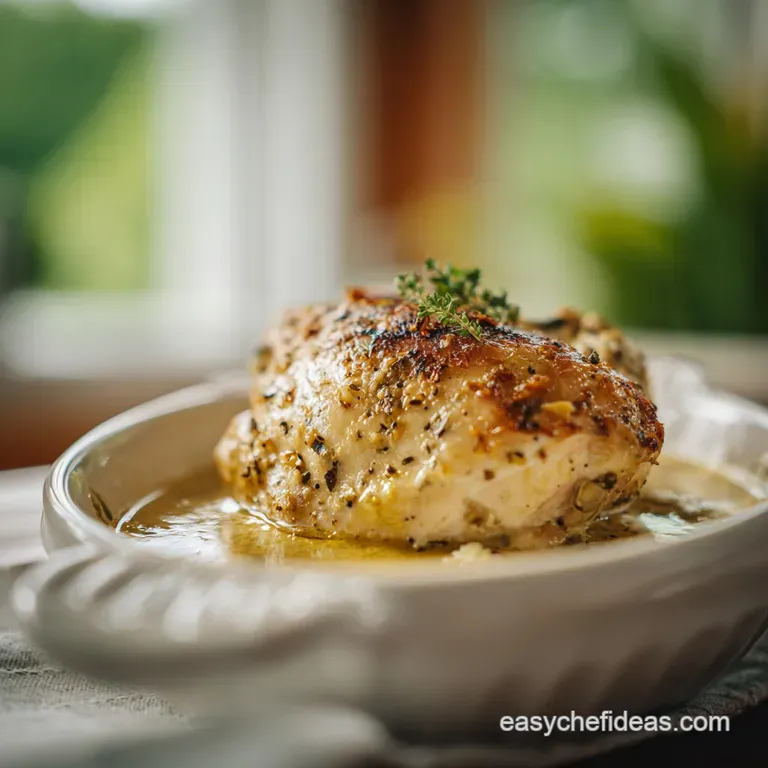
- Place the quartered onions, carrots, and halved baby Yukon Gold potatoes at the bottom of the slow cooker. Note: This creates a natural rack that allows heat to circulate under the chicken.
- Pat the 3 lbs of chicken thighs completely dry with paper towels. Note: Moisture is the enemy of a good sear; if the skin is wet, it will steam instead of crusting.
- Combine the smoked paprika, garlic powder, onion powder, oregano, salt, and pepper. Rub this blend aggressively into the skin and underside of each thigh.
- Heat 1 tablespoon of olive oil in your cast iron skillet over high heat until it shimmering but not smoking.
- Sear the chicken skin side down for 3-4 minutes until a deep mahogany crust forms and the skin releases easily from the pan.
- Transfer the seared chicken to the slow cooker, nesting it on top of the vegetable bed.
- Pour the 0.5 cup chicken broth around the sides (not over the top, or you'll wash off the spices) and sprinkle the ranch seasoning over the meat.
- Place the 4 oz of cream cheese in small dollops around the chicken.
- Cover and cook on LOW for 6 hours until the meat is tender and the aroma fills your entire kitchen.
- Whisk the cornstarch with a tablespoon of cold water and stir it into the liquid 30 minutes before serving if you prefer an even thicker, more velvety sauce.
Chef's Note: If you want the skin to stay extra crispy after the slow cooking process, you can pop the finished chicken under a broiler for 2 minutes right before serving. Just watch it like a hawk so it doesn't burn!
Overcoming Common Slow Cooking Texture Challenges
Even with the best intentions, slow cooking can sometimes go sideways. The most common complaint is a sauce that ends up too thin. This usually happens because the vegetables released more water than expected. Don't panic it's an easy fix.
1. Why is my chicken stringy?
If the meat feels dry and separates into long, tough strings, it was likely cooked for too long or at too high a temperature. This is more common with breast meat, but even thighs can suffer if left for 10+ hours. The solution is to stick strictly to the 6 hour LOW setting.
If you need to leave it longer, ensure the pot is full, as a half empty slow cooker runs hotter.
2. The sauce is too watery
This happens when the lid doesn't have a tight seal or the vegetables were particularly high in moisture. You can fix this by removing the lid for the last 45 minutes of cooking to allow some evaporation, or by using the cornstarch slurry mentioned in the steps.
| Problem | Root Cause | Solution |
|---|---|---|
| Bland Sauce | Not enough salt or spices during the sear. | Stir in an extra teaspoon of ranch seasoning at the very end. |
| Mushy Vegetables | Vegetables were cut too small. | Ensure carrots are at least 2 inches long and potatoes are only halved. |
| Greasy Surface | Skin wasn't seared well enough to render fat. | Skim the top with a wide spoon or a piece of bread before serving. |
Common Mistakes Checklist:
- ✓ Pat chicken completely dry before searing (prevents steaming and gray meat).
- ✓ Preheat your skillet for at least 3 minutes before adding the oil and chicken.
- ✓ Don't overcrowding the skillet; sear in batches if necessary to maintain high heat.
- ✓ Resist the urge to lift the lid! Every time you "peek," you lose 15-20 minutes of heat.
- ✓ Let the chicken rest for 5 minutes after removing it from the pot to keep it juicy.
Adjusting Quantities for Small or Large Crowds
Scaling a Slow Cooker Chicken recipe requires a bit of math to ensure the liquid ratios stay balanced.
Downscaling (For 2-3 people): If you are cutting the recipe in half, use a smaller 3.5 quart slow cooker. If you use a large 6 quart pot for a small amount of food, the liquid will evaporate too quickly and the chicken will burn. Reduce the broth to 1/4 cup.
Keep the cook time the same, as the thickness of the chicken thighs remains constant.
Upscaling (For 10-12 people): When doubling the recipe, you will likely need two slow cookers. Do not simply pile 6 lbs of chicken into one pot, as the middle layers will not reach a safe temperature quickly enough.
For the spices, only increase the salt and pepper by 1.5x rather than 2x to avoid over seasoning. You should also reduce the total liquid (broth) by about 10% because the large volume of meat will release a significant amount of its own moisture.
Debunking Misconceptions About Slow Heat Methods
Myth: You must brown the meat to "seal in the juices." Truth: Searing does not create a waterproof barrier. In fact, seared meat loses slightly more moisture during cooking.
However, we do it for the Maillard reaction the chemical reaction between amino acids and reducing sugars that gives browned food its distinctive, savory flavor. Without it, your Slow Cooker Chicken will taste "flat."
Myth: Everything should be covered in liquid. Truth: Unlike a stovetop stew, a slow cooker is a closed system with almost zero evaporation. If you cover the chicken in broth, you will end up with boiled meat and a very diluted sauce.
The 0.5 cup of broth is plenty to create the steam needed to start the cooking process.
Managing Leftovers and Minimizing Food Waste
One of the best things about this recipe is how it fits into a nourishing, zero waste lifestyle. The leftovers are incredibly versatile and arguably taste better the next day as the flavors have more time to meld.
- Storage: Keep the chicken and vegetables in an airtight container in the fridge for up to 4 days. Store the sauce in the same container to keep the meat moist.
- Freezing: This dish freezes beautifully. Place the chicken and sauce in a freezer safe bag, removing as much air as possible. It will stay fresh for up to 3 months. To reheat, thaw overnight in the fridge and warm gently on the stove or in the microwave.
- Zero Waste Tip: Don't throw away the onion skins or carrot peels! Toss them into a bag in your freezer. Once you have a full bag, boil them with the leftover chicken bones to make a rich, homemade stock for your next meal.
Serving Suggestions for a Beautiful Family Meal
Presentation is the final layer of flavor. It signals to your family and community that this meal was made with care.
The "Better Than Dining Out" Garnish: Don't just scoop it out of the pot. Place the vegetables in a wide, shallow bowl first. Nest the chicken on top, and then pour the velvety sauce over the meat, leaving the crispy tops exposed. Garnish with a heavy handful of fresh parsley or chives.
The bright green color contrasts beautifully with the mahogany chicken and deep orange carrots.
The Texture Contrast: Since this dish is very soft and creamy, serve it with something that has a bit of "crunch" or "snap." A simple side of steamed green beans or a crisp green salad with a sharp vinaigrette provides the perfect balance to the rich, ranch infused sauce.
It clears the palate and makes every bite of the chicken feel as satisfying as the first.
Whether you are cooking this for a quiet night in or a bustling Sunday gathering, remember that the best ingredient is the time you've allowed it to take. Enjoy the process, breathe in the aromas, and nourish those you love with this soulful, slow cooked classic.
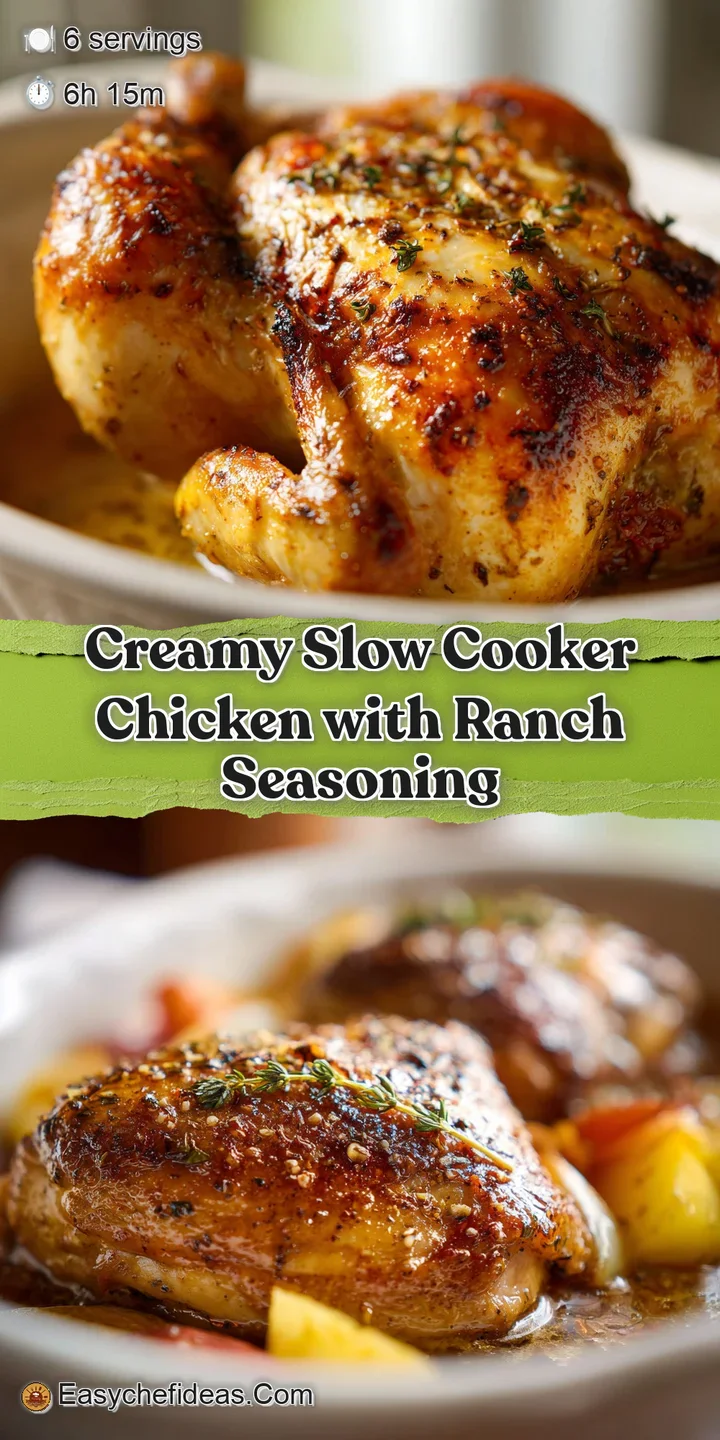
High in Sodium
940 mg of sodium per serving (41% of daily value)
The American Heart Association recommends limiting sodium intake to no more than 2,300mg per day, with an ideal limit of about 1,500mg for most adults.
Tips to Reduce Sodium
-
Use Low-Sodium Broth-30%
Switch the 0.5 cup chicken broth to a low-sodium or no-salt added version. This is a significant source of hidden sodium.
-
Halve the Kosher Salt-25%
Reduce the 1.5 tsp kosher salt to 0.75 tsp. You can always add more salt to individual plates if needed.
-
Boost Flavor with Herbs & Spices
The recipe already includes smoked paprika, garlic powder, onion powder, and oregano. Consider adding fresh herbs like parsley or thyme for added brightness without sodium.
-
Reduce Cream Cheese-15%
Lower the 4 oz cream cheese to 2 oz. This will still provide creaminess while cutting down on sodium.
-
Choose Low-Sodium Ranch Seasoning-20%
Opt for a packet of dry ranch seasoning that is specifically labeled as low-sodium or reduced sodium. Standard packets are very high in sodium.
Recipe FAQs
Can you just put raw chicken in a slow cooker?
Yes, you can, but searing provides better results. While raw chicken will cook through, taking 3-4 minutes to sear the skin in a skillet creates a deeper, more complex flavor profile that slow cooking alone cannot replicate.
Do you need to put liquid in the slow cooker when cooking chicken?
Yes, adding liquid is essential for heat distribution and moisture. Using 0.5 cup of chicken broth ensures your vegetables cook evenly and prevents the bottom of the pot from scorching, similar to how you would prepare the base for our Classic Filipino Adobo Chicken.
Is it better to cook chicken breasts on low or high in a slow cooker?
Use the LOW setting for the most consistent texture. Slow cooking on low for 6 hours ensures the meat remains tender rather than becoming stringy or dry, which is a common risk with higher heat settings.
Is it true I must cook chicken on high to ensure food safety?
No, this is a common misconception. As long as you reach an internal temperature of 165°F (74°C) as verified by a meat thermometer, the low setting is perfectly safe and yields superior, succulent results.
How to prevent the potatoes from becoming mushy during the long cook time?
Cut the Yukon Gold potatoes into large, uniform halves. Keeping the pieces substantial allows them to hold their structure while serving as a sturdy rack for the chicken during the 6-hour cook time.
How to thicken the sauce if it looks too thin at the end?
Whisk 1 tablespoon of cornstarch with cold water and stir it into the pot. Wait 30 minutes before serving to allow the heat to fully activate the starch, resulting in a perfectly velvety consistency.
How to ensure the spice rub adheres to the chicken properly?
Pat the chicken thighs completely dry with paper towels before seasoning. Removing surface moisture allows the smoked paprika, garlic powder, onion powder, and oregano to bond directly to the skin for a more intense flavor crust.
Creamy Slow Cooker Chicken
Ingredients:
Instructions:
Nutrition Facts:
| Calories | 585 kcal |
|---|---|
| Protein | 37 g |
| Fat | 39 g |
| Carbs | 21 g |
| Fiber | 3 g |
| Sugar | 4 g |
| Sodium | 940 mg |
