Cozy Crockpot Soup to Make for Fall with Chicken
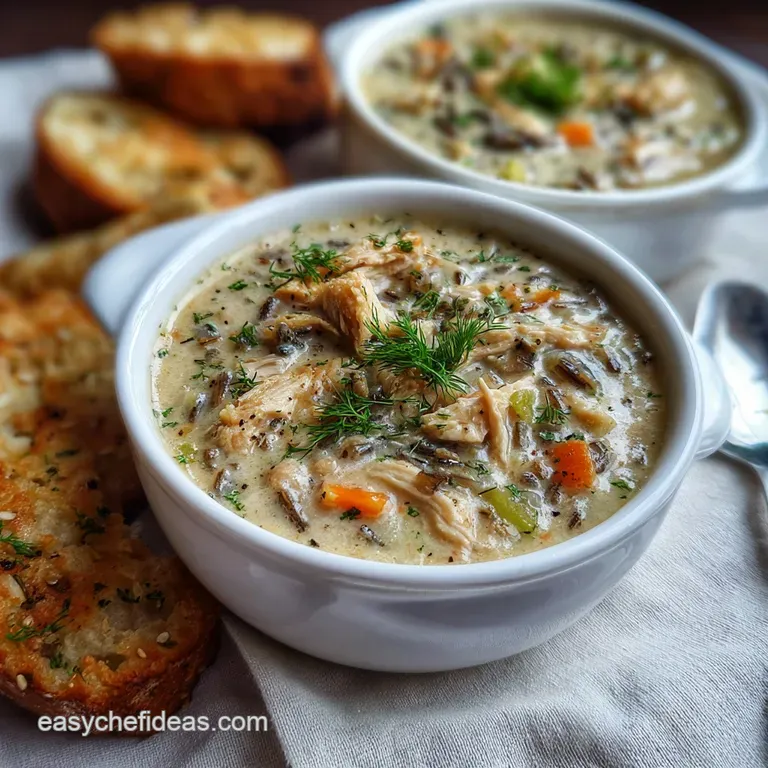
- Time: Active 15 minutes, Passive 6 hours, Total 6 hours 15 mins
- Flavor/Texture Hook: Velvety cream base contrasting with the nutty, firm pop of wild rice
- Perfect for: Sunday family gatherings, meal prep for chilly weeks, or a comforting community potluck
- Crafting the Ultimate Cozy Crockpot Soup To Make for Fall with Chicken
- The Art and Science of Slow Simmering
- Essential Metrics for This Autumnal Soup
- Sourcing Elements for Deep Nutritional Density
- Tools Required for a Perfect Batch
- Step by Step Guided Soup Preparation
- Solving Texture and Flavor Imbalances
- Personalizing the Pot for Your Table
- Maximizing Freshness and Reducing Kitchen Waste
- Elegant Pairings to Nourish the Soul
- Common Inquiries About Slow Cooked Soups
- Recipe FAQs
- 📝 Recipe Card
Have you ever walked into a house and immediately felt the weight of the day melt away just from the smell? That is exactly what happens when you have this pot simmering on the counter. There is something about the combination of woody rosemary and earthy mushrooms that signals the brain to just relax.
This cozy crockpot soup featuring chicken and wild rice is the perfect fall meal, providing a thick, hearty texture that fills you up without feeling heavy.
I remember the first time I tried to make a version of this with white rice, and let me tell you, it was a disaster. The rice turned into a mushy paste that looked more like wallpaper glue than dinner. That mistake taught me the beauty of the wild rice grain.
It holds its shape, providing a satisfying "snap" that keeps the dish interesting from the first spoonful to the last.
We are looking for that specific contrast between the silky, cream infused broth and the rustic, toothsome texture of the rice. It is about more than just getting food on the table, it is about creating a bowl that nourishes your family and brings people together.
Let’s get into how we make that happen without spending all day standing over a stove.
Crafting the Ultimate Cozy Crockpot Soup To Make for Fall with Chicken
When we talk about slow cooking, we are really talking about the gentle transformation of fibers. The science of why it works comes down to the gradual breakdown of connective tissues and the slow hydration of complex starches.
The Science of Why it WorksGelatin Extraction: Long term simmering of chicken thighs converts tough collagen into silky gelatin, adding natural body to the broth.
Starch Gelatinization: Wild rice requires extended heat to allow water to penetrate its dense outer hull, eventually causing the grain to "bloom" or burst open.
The beauty of this method is that it respects the ingredients. We are not forcing the flavors to emerge with high heat. Instead, we are inviting them to meld over several hours. This is especially important for the mushrooms, which need time to release their moisture and then soak up the savory bone broth.
If you find yourself craving a different kind of silkiness after mastering this, you might enjoy the velvety texture found in my Chicken Gnocchi Soup recipe. Both dishes rely on a rich base but use different starches to achieve their unique character.
| Ingredient | Science Role | Pro Secret |
|---|---|---|
| Chicken Thighs | Fat and Collagen Source | Keep them whole during cooking to prevent over drying before shredding |
| Wild Rice Blend | Structural Integrity | Use a blend with long grain rice to balance the "pop" with some softness |
| Bone Broth | Umami Foundation | Look for "low sodium" to control the salt concentration as it reduces |
While this soup is a meal on its own, it’s also wonderful alongside other slow cooked favorites like my Crockpot Meatballs recipe during a family gathering. Adding variety to the table nourishes not just the body, but the spirit of the community.
The Art and Science of Slow Simmering
Achieving the perfect consistency in a slow cooker requires understanding how moisture behaves. Unlike a pot on the stove, a crockpot loses very little liquid to evaporation. This means every drop of bone broth we add stays there, concentrating in flavor but not decreasing in volume.
The contrast we are aiming for is a "bright" finish against a "rich" start. We start with the heavy hitters: chicken, rice, and root vegetables. These provide the savory, deep notes. At the very end, we introduce the baby spinach and heavy cream.
This adds a flash of color and a luxurious mouthfeel that prevents the soup from feeling "muddy."
Chef's Note: Rub the dried rosemary and thyme between your palms before dropping them into the pot. The friction and warmth release the volatile oils trapped in the dried leaves, making them taste much fresher.
The mushrooms are another key player here. By using cremini mushrooms (sometimes called baby bellas), we get a deeper, more meat like flavor than standard white buttons. They act like little sponges, soaking up the salt and herbs over the six hour cook time.
Essential Metrics for This Autumnal Soup
To ensure your soup turns out exactly right, keep these three precision checkpoints in mind throughout the process.
- Uniformity: Dice your carrots into 1/2 inch rounds and your celery into similar sizes. This ensures they all soften at the same rate.
- Temperature: The chicken must reach an internal temperature of 165°F (74°C), which it will easily hit after 6 hours on low.
- The Bloom: Look for at least 50% of the wild rice grains to have curled open. This is the visual cue that they are fully hydrated.
| Feature | Fresh Method | Shortcut Method |
|---|---|---|
| Vegetables | Hand diced for varied, rustic texture | Pre cut "mirepoix" mix saves 10 mins but can be uneven |
| Chicken | Thighs offer more fat and flavor depth | Breast meat is leaner but can become stringy |
| Broth | Bone broth adds protein and thick body | Standard stock is thinner and requires more cornstarch |
Using fresh ingredients whenever possible nourishes the dish with a vibrancy that pre packaged options sometimes lack. However, the slow cooker is forgiving, so don't be afraid to adapt based on what your local market has available.
Sourcing Elements for Deep Nutritional Density
Every ingredient in this pot serves a purpose. We aren't just looking for calories; we are looking for a diversity of nutrients that support us during the change of seasons.
- 1.5 lbs chicken thighs: Skinless and boneless for easy shredding. Why this? Thighs stay juicy over long cook times compared to breasts.
- 1 cup wild rice blend: Not just black wild rice, but a mix. Why this? Provides a mix of textures and shorter cooking times.
- 3 medium carrots: Diced into 1/2 inch rounds. Why this? Adds natural sweetness and Vitamin A.
- 3 stalks celery: Diced. Why this? Provides the "aromatic base" essential for French style soups.
- 1 medium yellow onion: Finely chopped. Why this? Melts into the broth to provide a savory backbone.
- 8 oz cremini mushrooms: Sliced. Why this? Offers a deeper umami flavor than white mushrooms.
- 4 cloves garlic: Minced. Why this? Essential for depth and immune support.
- 6 cups chicken bone broth: Low sodium is best. Why this? Higher protein and collagen than standard stock.
- 1 tsp dried thyme: Earthy and floral. Why this? Thyme thrives in long, slow cooking environments.
- 1 tsp dried rosemary: Crushed. Why this? Adds a "piney" autumn aroma that defines the season.
- 2 bay leaves: Whole. Why this? Adds a subtle, herbal layer that rounds out the fats.
- 1 tsp kosher salt: Or to taste. Why this? Larger grains allow for better control over seasoning.
- 1/2 tsp black pepper: Coarse ground. Why this? Provides a gentle back of-the throat heat.
- 1 cup heavy cream: Full fat. Why this? Creates the "cozy" velvety texture we want.
- 2 tbsp cornstarch: For thickening. Why this? A slurry ensures a smooth, lump free sauce.
- 2 cups baby spinach: Fresh. Why this? Adds a pop of brightness and iron at the end.
Component Substitutions
| Original Ingredient | Substitute | Why It Works |
|---|---|---|
| Heavy Cream | Full fat Coconut Milk | Provides similar fat; adds a subtle nutty note. |
| Wild Rice Blend | Farro | Similar chewy texture and "nutty" flavor profile. |
| Chicken Thighs | Cubed Pork Shoulder | Both are rich in connective tissue for slow cooking. |
One thing to remember is that wild rice is actually a grass, not a true rice. This is why it behaves so differently. If you swap it for brown rice, be aware that the cook time might actually decrease, and the texture will be significantly softer.
Tools Required for a Perfect Batch
You don't need a professional kitchen to make a world class soup, but a few specific tools make the process much smoother.
The most important piece of equipment is, of course, a 6 quart slow cooker. Brands like Crock Pot or Hamilton Beach are reliable choices. You want a size that allows the liquid to come up about 3/4 of the way to the top.
If the pot is too large, the liquid may evaporate too quickly; if it's too small, it might boil over.
You'll also need a sharp chef's knife for all those vegetables. Since we are doing a lot of dicing, a dull knife will just make the job harder and less safe. A sturdy cutting board and a small bowl for your cornstarch slurry are the only other essentials.
For the final stage, a pair of forks is perfect for shredding the chicken right in the pot. I prefer this over taking the chicken out, as it allows the meat to immediately soak up the broth the moment the fibers are separated.
step-by-step Guided Soup Preparation
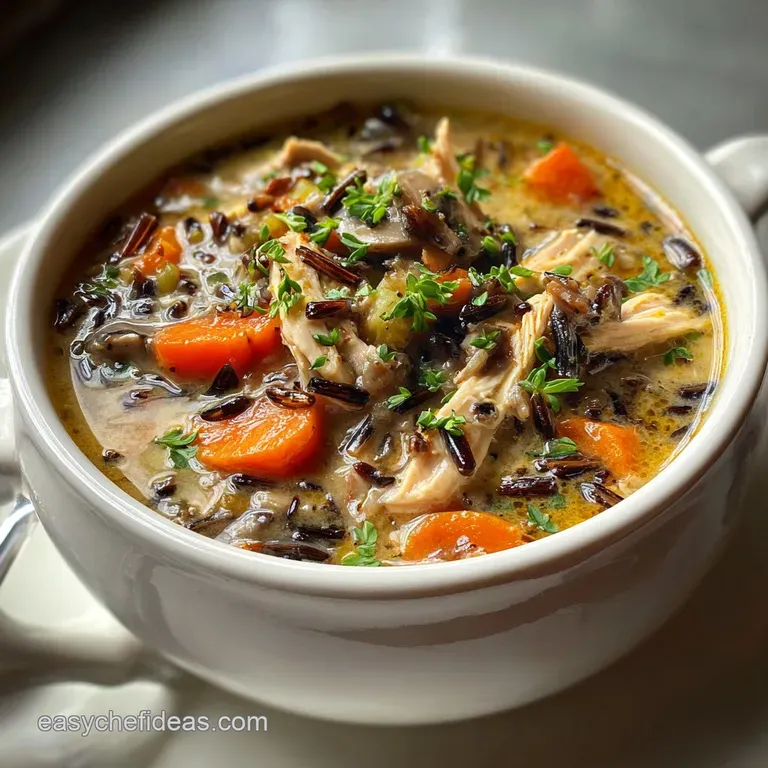
Follow these steps to ensure the flavors develop properly. The order of operations matters here, especially when it comes to the dairy and greens.
- Layer the aromatics. Place the diced onion, celery, carrots, and mushrooms at the bottom of the crockpot. Note: Placing them at the bottom subjects them to more direct heat from the element.
- Add the chicken. Lay the 1.5 lbs chicken thighs directly on top of the vegetables.
- Incorporate the rice. Sprinkle the 1 cup wild rice blend over the chicken and vegetables.
- Season the pot. Add the minced garlic, thyme, rosemary, bay leaves, salt, and pepper.
- Pour the liquid. Add the 6 cups of bone broth, ensuring everything is submerged.
- Slow cook. Cover and cook on Low for 6 hours until the chicken is tender and the rice has bloomed.
- Shred the protein. Remove the lid and use two forks to shred the chicken into bite sized pieces inside the pot.
- Thicken the broth. In a small bowl, whisk 2 tbsp cornstarch with 2 tbsp cold water. Stir this slurry and the 1 cup heavy cream into the soup.
- Wilt the greens. Fold in the 2 cups of baby spinach.
- Final simmer. Cover and cook on High for another 15 minutes until the soup has thickened and the spinach is vibrant green.
The smell at step 8 is usually when my family starts hovering around the kitchen. That's when the "Fall with Chicken" aroma really peaks as the cream hits the hot broth and releases the scent of the herbs.
Solving Texture and Flavor Imbalances
Even with the best instructions, slow cookers can sometimes be unpredictable based on their age or how well the lid seals.
The Rice is Still Crunchy
If your rice isn't soft after 6 hours, it usually means the liquid wasn't hot enough or the rice was particularly old. Wild rice can vary wildly in age, and older grains take longer to hydrate.
| Problem | Root Cause | Solution |
|---|---|---|
| Crunchy Rice | Insufficient Hydration | Add 1/2 cup hot broth, switch to HIGH for 30 mins. |
| Thin Broth | Not enough starch | Increase cornstarch slurry by 1 tbsp and simmer longer. |
| Bland Flavor | Salt suppressed by fat | Add 1 tsp of lemon juice or apple cider vinegar. |
The Broth is Too Thin
Sometimes the vegetables release more water than expected, leading to a thinner base. Don't panic. The cornstarch slurry is your best friend here. If the first round doesn't get it to your preferred "velvety" stage, repeat the process with one more tablespoon of cornstarch.
Just remember that the soup will naturally thicken as it cools.
The Flavor is "Flat"
If the soup tastes "gray" meaning it's salty but doesn't have "pop" it usually needs acid. A tiny splash of lemon juice or even a teaspoon of Dijon mustard can brighten the whole pot without making it taste like lemon or mustard.
It’s a trick I use to balance the richness of the heavy cream and chicken fat.
Personalizing the Pot for Your Table
Food is a language, and you should feel free to speak it your way. While the base recipe is a classic "Cozy Crockpot Soup," there are ways to adjust it for different dietary needs or flavor preferences.
Decision Shortcut: If you want more smoke, add 1/2 cup of diced smoked ham or a dash of liquid smoke. If you want a dairy-free version, swap the cream for full fat canned coconut milk and use a gluten-free flour for the slurry.
If you want extra nutrition, add 1 cup of cubed butternut squash at the beginning of the cook time.
Achieving a "Marry Me" Flavor Twist
To give this soup a trendy, sundried tomato flavor profile, add 1/4 cup of chopped sundried tomatoes (the kind packed in oil) and increase the garlic to 6 cloves. This creates a sweet tart contrast that pairs beautifully with the earthy wild rice.
The Low Carb Swap
If you are looking for a version with Chicken and lower carbohydrates, you can replace the wild rice with cauliflower rice. However, do not add the cauliflower rice at the beginning.
Stir it in during the last 20 minutes of cooking so it retains some texture and doesn't dissolve completely.
Maximizing Freshness and Reducing Kitchen Waste
This recipe is fantastic for "Zero Waste" cooking. Don't throw away the mushroom stems or the ends of the carrots! You can toss those into a freezer bag and use them to make your own bone broth next time.
Storage: This soup stays fresh in the fridge for up to 4 days. In fact, many people (myself included) think it tastes better on day two because the rice continues to absorb the flavors of the herbs.
Freezing: You can freeze this soup for up to 3 months. However, be aware that dairy based soups can sometimes separate when thawed. Pro Tip: If you plan to freeze a big batch, consider freezing it before adding the cream and spinach.
Add those fresh when you reheat the soup for the best texture.
Reheating: Reheat gently on the stovetop over medium low heat. If the soup has thickened too much in the fridge (which the rice will cause it to do), just stir in a splash of broth or water to loosen it up.
Elegant Pairings to Nourish the Soul
How you serve this Cozy Crockpot Soup can turn a simple meal into a cultural experience. I love serving this in wide, shallow bowls which allow the colors of the carrots and spinach to really shine.
A thick slice of crusty sourdough bread is almost mandatory here. You need something to soak up that last bit of creamy broth at the bottom of the bowl. If you want to keep the meal lighter, a crisp arugula salad with a simple lemon vinaigrette provides a "bright" contrast to the "rich" and "savory" soup.
For a community dinner, I often set out a "topping bar." Bowls of fresh parsley, extra cracked black pepper, and some freshly grated Parmesan cheese allow everyone to nourish themselves according to their own taste. It’s a small touch that makes a big difference in how the meal is received.
Common Inquiries About Slow Cooked Soups
Many people ask about the safety and timing of slow cooking, especially when it comes to "Fall with Chicken" recipes.
One big myth is that you must sear the chicken before putting it in the crockpot to "lock in the juices." This simply isn't true. While searing does add a bit of Maillard reaction flavor, the slow cooker's moist environment will result in tender meat regardless.
In a soup, the liquid captures all the flavor anyway, so skipping the sear is a perfectly fine trade off.
Another myth is that you can't overcook food in a slow cooker. While it's hard to "burn" soup, you can definitely overcook the chicken until it becomes mushy and loses its structural integrity. Six hours on low is the "sweet spot" for thighs.
If you go 10 or 12 hours, the meat will eventually turn into a texture that isn't as pleasant to eat.
Finally, regarding the rice: people often wonder if they can use a "quick" wild rice. I strongly advise against it. Quick rice is par boiled and will completely disintegrate over a 6 hour cook time. Stick to the authentic, long grain wild rice blend for that signature snap and pop that makes this recipe so special.

Recipe FAQs
What is the best type of chicken to use for this crockpot soup?
Chicken thighs are best. They contain more fat and collagen, which break down during slow cooking to create a more tender and flavorful soup compared to chicken breasts.
Can I use a different type of rice besides a wild rice blend?
Stick with a wild rice blend or whole grains like farro. Standard white rice will turn mushy. If you need a lower carb option, consider adding cauliflower rice in the last 20 minutes of cooking, similar to how you might handle it in other recipes to avoid overcooking.
How do I thicken the soup if it’s too thin?
Make a cornstarch slurry. Whisk 2 tablespoons of cornstarch with 2 tablespoons of cold water in a small bowl, then stir it into the soup and let it simmer for a few minutes until thickened. You can repeat this if needed for desired consistency.
How long should I cook the soup on low?
Cook on low for 6 hours. This duration allows the chicken to become tender and the wild rice to fully hydrate and "bloom" to its optimal texture.
Can I make this soup dairy-free?
Yes, use full fat canned coconut milk. Swap the heavy cream for coconut milk and ensure any thickener used is gluten-free if needed. This provides a similar rich mouthfeel without dairy.
What’s the best way to store leftovers?
Refrigerate for up to 4 days, or freeze for up to 3 months. The soup often tastes even better on the second day as flavors meld. If freezing, consider adding the cream and spinach upon reheating to maintain best texture.
Is it necessary to sear the chicken before adding it to the crockpot?
No, searing is not necessary for this soup. While searing adds flavor through the Maillard reaction, the moist environment of the slow cooker will tenderize the chicken effectively without this extra step. The flavors will meld into the broth anyway.
Cozy Crockpot Chicken Soup
Ingredients:
Instructions:
Nutrition Facts:
| Calories | 430 kcal |
|---|---|
| Protein | 36.2 g |
| Fat | 18.9 g |
| Carbs | 28.3 g |
| Fiber | 3.1 g |
| Sugar | 4.8 g |
| Sodium | 883 mg |
