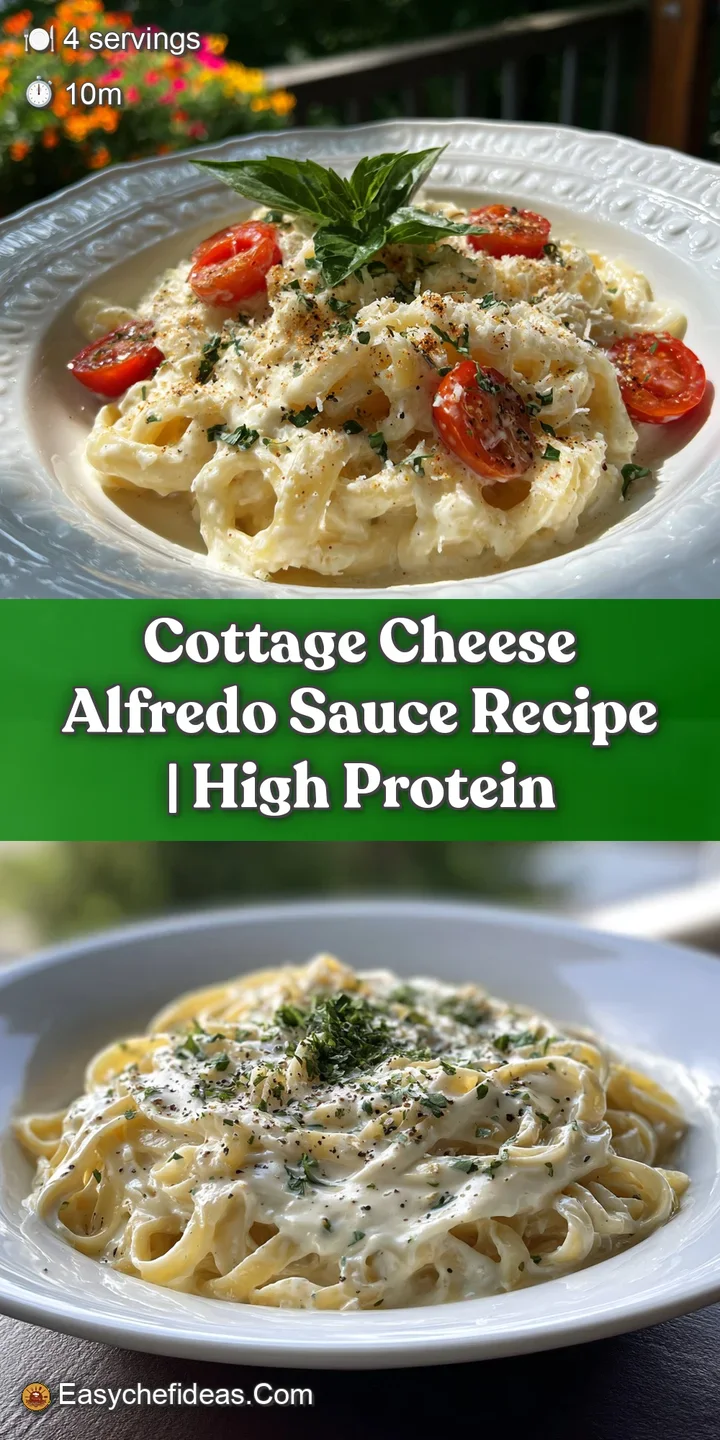
Cottage Cheese Alfredo: Silky Protein Sauce
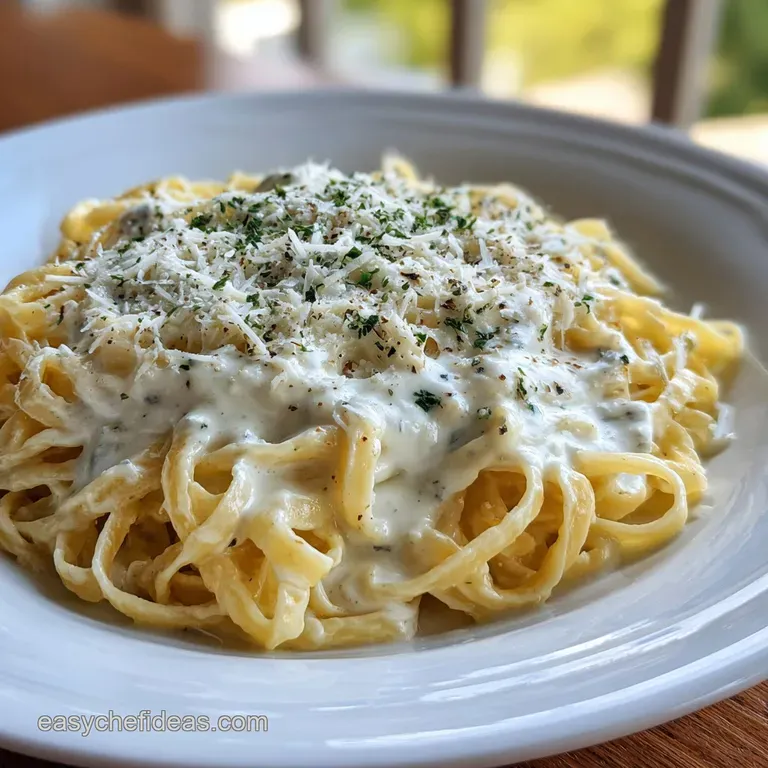
- Time: Active 5 minutes, Passive 5 minutes, Total 10 minutes
- Flavor/Texture Hook: Silky, garlic forward, and surprisingly rich
- Perfect for: High protein weeknight dinners and meal prep
- Silky Smooth High Protein Cottage Cheese Alfredo
- Why This Creamy Sauce Actually Works
- Checkpoints for a Velvety Result
- The Elements of a Better Sauce
- Essential Tools for Smooth Texture
- Steps to Saucery Success
- Avoiding Common Alfredo Mistakes
- Creative Ways to Swap Flavors
- Storing and Reheating Your Leftovers
- Dishes That Pair Well
- Flavor Profile Map
- Frequently Debunked Kitchen Myths
- High in Sodium
- Recipe FAQs
- 📝 Recipe Card
Silky Smooth High Protein Cottage Cheese Alfredo
I remember the first time I tried to make a "healthy" pasta sauce. I just threw some cold cottage cheese onto hot noodles and hoped for the best. It was a disaster, the cheese turned into rubbery little clumps, and I ended up eating a bowl of watery, sad pasta.
I almost gave up on the idea entirely until I realized the secret wasn't in the heat, but in the prep.
Now, when I hear the blender start to whirl, I know something special is happening. The lumpy curds disappear, replaced by a thick, shimmering liquid that looks exactly like heavy cream. When that sauce hits the pan and you smell the fresh garlic sizzle in the butter, you'll forget this started in a plastic tub.
It is pure comfort in a bowl, but it leaves you feeling nourished rather than weighed down.
This Cottage Cheese Alfredo is all about the contrast between the tangy, light base and the deep, salty punch of the Parmesan. It's a bit of a kitchen miracle how something so simple can feel so indulgent.
We are going to use a few tricks to make sure it stays velvety and never gets grainy, because you deserve a sauce that actually works.
Why This Creamy Sauce Actually Works
The science here is all about managing proteins and moisture to prevent the sauce from breaking.
- Emulsification Stability: Blending the 1.5 cups low-fat cottage cheese at high speed breaks down the casein curds into tiny particles that stay suspended in the 0.25 cup unsweetened almond milk.
- Starch Binding: The 0.25 cup reserved starchy pasta water acts as a bridge, using long chain carbohydrates to glue the water based sauce to the fat rich cheese.
- Low Heat Protection: Keeping the pan on low prevents the proteins in the cottage cheese alfredo sauce from tightening and squeezing out moisture, which is what causes graininess.
- Fat Distribution: The 1 tbsp salted butter provides a small amount of saturated fat that coats the tongue, mimicking the mouthfeel of traditional cream.
Quick Decision Cook Method
| Method | Time | Texture | Best For |
|---|---|---|---|
| Stovetop | 5 minutes | Silky and light | Immediate serving |
| Baked (Casserole) | 20 minutes | Thick and bubbly | Meal prep/Leftovers |
| No Cook (Blender Only) | 2 minutes | Thin and fresh | Cold pasta salads |
Whether you want a quick fix or a bubbly bake, this cheese alfredo sauce adapts easily to your schedule.
Checkpoints for a Velvety Result
Getting the texture right requires a few specific sensory cues and numeric targets to ensure success every single time.
- Blender Speed: Run your blender or food processor on the highest setting for at least 45 seconds until no visible curds remain.
- Sauce Temperature: Never let the sauce exceed 160°F (71°C) in the pan, or the cheese will begin to "scramble" and lose its smooth finish.
- Visual Coating: The sauce is ready when it coats the back of a metal spoon and you can draw a clear line through it with your finger.
The Elements of a Better Sauce
Understanding what each component brings to the table helps you master the balance of this high protein cottage cheese alfredo sauce.
| Component | Science Role | Pro Secret |
|---|---|---|
| low-fat Cottage Cheese | Protein Base | Use room temperature cheese to prevent the sauce from breaking when hitting the pan. |
| Freshly Grated Parmesan | Flavor & Friction | Grate it yourself; pre shredded cheese has potato starch that makes this sauce gritty. |
| Starchy Pasta Water | Emulsifier | Save the water right before draining the pasta for the highest starch concentration. |
| Fresh Garlic | Aromatic Depth | Mince it finely so it dissolves into the butter rather than leaving chunky bits. |
Ingredient List and Substitutions
- 1.5 cups low-fat cottage cheese: You can use full fat for a richer result. Why this? Provides the high protein, creamy structure without the heavy fat of cream.
- 0.5 cup freshly grated Parmesan cheese: Pecorino Romano is a great salty alternative. Why this? Adds the essential umami and saltiness required for an authentic Alfredo flavor.
- 0.25 cup unsweetened almond milk: Any neutral milk (skim, soy, or cashew) works perfectly here. Why this? Thins the thick cheese base to a pourable, saucy consistency.
- 1 tsp garlic powder: Onion powder can be used if you want a milder profile.
- 2 cloves fresh garlic, minced: Use 1 tsp of jarred minced garlic if you're in a rush.
- 1 tbsp salted butter: Olive oil works, but you'll lose that classic buttery finish.
- 0.5 tsp sea salt: Adjust to taste, especially since Parmesan is naturally salty.
- 0.25 tsp freshly cracked black pepper: White pepper is a great swap for a cleaner look.
- 1 pinch ground nutmeg: A tiny dash of mace or even cinnamon provides similar warmth.
- 0.25 cup reserved starchy pasta water: If you forgot to save it, use a splash more almond milk.
Essential Tools for Smooth Texture
You don't need a professional kitchen, but a high speed blender or a very good food processor is non negotiable for this recipe. If you try to whisk it by hand, you will end up with a lumpy mess that won't satisfy that Alfredo craving.
I also recommend a wide, non stick skillet which helps the sauce heat evenly without scorching the delicate proteins.
A microplane is your best friend here too. Using it to grate the 0.5 cup Parmesan ensures the cheese is light and airy, allowing it to melt into the sauce almost instantly. This is a technique I often use for my Creamy Shrimp Alfredo recipe because it prevents clumping.
Steps to Saucery Success
- Blend the base. Combine 1.5 cups cottage cheese, 0.25 cup almond milk, 1 tsp garlic powder, salt, pepper, and nutmeg in a blender. Process until completely smooth and shimmering.
- Sizzle the aromatics. Melt 1 tbsp butter in a large skillet over medium low heat. Add 2 cloves minced garlic and cook until heady and fragrant but not browned.
- Temper the sauce. Lower the heat to the lowest setting. Slowly pour the blended mixture into the skillet.Note: Rapid temperature changes can cause the proteins to seize.
- Incorporate the Parmesan. Sprinkle in 0.5 cup freshly grated Parmesan. Whisk gently until the cheese has fully melted into the sauce.
- Adjust the consistency. Pour in the 0.25 cup reserved pasta water. Stir until the sauce looks glossy and velvety.
- Toss with pasta. Add your cooked noodles directly to the pan. Fold gently until every strand is coated in the cheese alfredo sauce.
- Final seasoning check. Taste a noodle. Add a pinch more salt or pepper if the flavors don't pop.
- Serve immediately. Plate the pasta while it's hot. The sauce will thicken significantly as it sits.
Chef's Tip: Freeze your block of Parmesan for 10 minutes before grating. It makes the cheese firmer and prevents it from clumping or melting from the heat of your hands while you grate it.
Avoiding Common Alfredo Mistakes
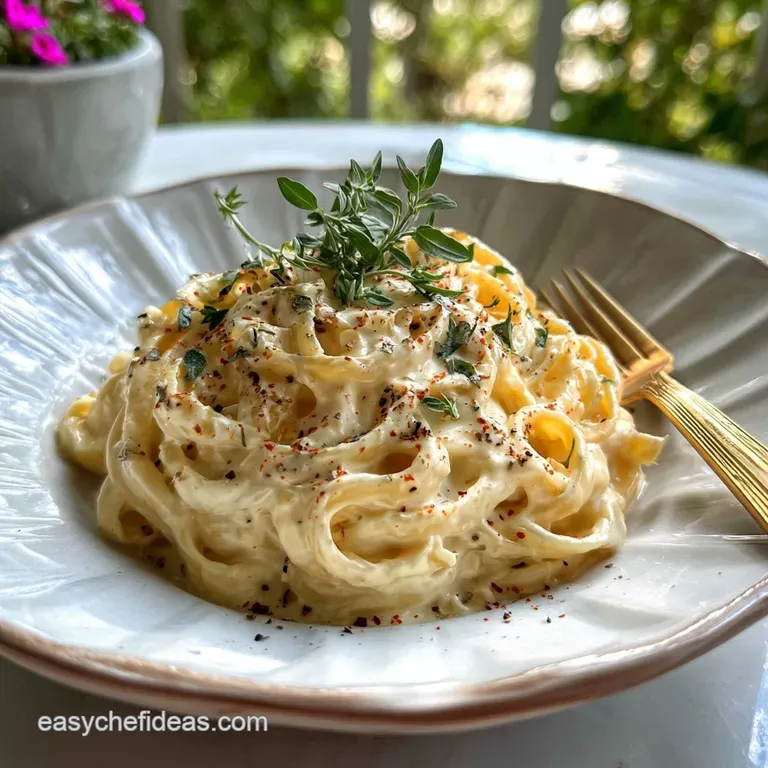
The biggest hurdle with any cottage cheese alfredo sauce recipe is the heat. If you treat this like a traditional cream sauce and let it boil, you'll end up with "scrambled" cheese.
Why Your Sauce Is Grainy
If your sauce looks like wet sand, it's likely because the heat was too high or the cottage cheese wasn't blended long enough. High heat causes the proteins to denature and clump together.
| Problem | Root Cause | Solution |
|---|---|---|
| Grainy texture | Excess heat | Remove from heat and whisk in 1 tbsp cold milk immediately. |
| Too watery | Not enough cheese | Simmer on VERY low or add an extra tablespoon of Parmesan. |
| Bland flavor | Lack of acidity/salt | Add a squeeze of lemon juice or another pinch of sea salt. |
Common Mistakes Checklist
- ✓ Never let the sauce reach a rolling boil (it will curdle).
- ✓ Use a high speed blender rather than just a whisk.
- ✓ Save your pasta water before draining the pot.
- ✓ Add the Parmesan last to ensure it melts smoothly.
- ✓ Warm your serving bowls to keep the sauce silky for longer.
Creative Ways to Swap Flavors
If you want to change things up, this base is incredibly forgiving. For a Keto cottage cheese alfredo sauce, simply swap the pasta for zucchini noodles or spaghetti squash and skip the starchy water.
Boosting the Protein with Chicken
Add 200g of sliced grilled chicken breast to the final toss. This doubles down on the "healthy cottage cheese alfredo sauce" theme and makes it a complete, filling meal for athletes or meal preppers.
Creating a Zesty Lemon Herb Twist
Whisk in 1 tsp of fresh lemon zest and a tablespoon of chopped parsley right before serving. The acidity of the lemon cuts through the richness of the 1.5 cups cottage cheese and brightens the entire dish.
Storing and Reheating Your Leftovers
This sauce is best fresh, but you can keep it in an airtight container in the fridge for up to 3 days. Because it's high in protein, it will firm up quite a bit when cold.
To reheat, don't use the microwave if you can avoid it. Instead, put the pasta and sauce back into a skillet with a splash of milk or water. Heat it over low, stirring constantly, until it becomes velvety again. If you must microwave, do it in 30 second bursts at 50% power, stirring in between.
I don't recommend freezing this sauce, as the emulsion often breaks during the thawing process, leaving you with a watery mess.
Zero Waste Tip: If you have leftover sauce but no pasta, use it as a dip for roasted broccoli or as a creamy base for a white pizza.
Dishes That Pair Well
This sauce is a canvas for global diversity in your kitchen. While it's perfect on fettuccine, it also shines when served with different textures.
- Roasted Vegetables: Toss some crispy roasted cauliflower or asparagus in the sauce for a low carb treat.
- Garlic Bread: A crusty baguette is essential for swiping up every last drop of that easy cottage cheese alfredo sauce.
- Side Salad: A bright arugula salad with a balsamic vinaigrette provides a sharp contrast to the creamy, rich pasta.
If you are looking for more comfort, this sauce also works beautifully as a shortcut for the creamy layers in a Pasticcio recipe, adding a massive protein boost to a classic baked dish.
Making the Recipe Smaller or Larger
- To halve it: Use 0.75 cups cottage cheese and 2 tablespoons of milk. Keep the garlic at 1 clove to ensure the flavor isn't overpowering in a smaller batch.
- To double it: Use 3 cups of cottage cheese, but only increase the salt and spices by 1.5x. You may need to blend in two batches to ensure the texture stays perfectly smooth. Reduce the total liquid by about 10% to keep the sauce from becoming too thin.
Flavor Profile Map
- Richness: High (from Parmesan and butter)
- Saltiness: Moderate (from sea salt and cheese)
- Aromatics: Sharp (fresh garlic)
- Warmth: Subtle (ground nutmeg)
Frequently Debunked Kitchen Myths
One common myth is that you need heavy cream to make a "real" Alfredo. In reality, the original Roman Alfredo was just butter and cheese. By using cottage cheese, we are actually closer to the spirit of the original than many jarred sauces filled with thickeners.
Another misconception is that cottage cheese is always healthy. While it is high in protein, some brands are very high in sodium. Always check your labels if you are watching your salt intake, and adjust the added sea salt accordingly.
Finally,, don't believe that "low-fat" means "no flavor." When you emulsify the 1.5 cups cottage cheese properly, the texture provides all the satisfaction your brain needs.
High in Sodium
810 mg mg of sodium per serving (35% % of daily value)
The American Heart Association recommends limiting sodium intake to no more than 2,300mg per day for most adults.
Tips to Reduce Sodium in Your Recipe
-
Reduce Parmesan-15%
Parmesan cheese is a significant source of sodium. Reduce the amount by half (0.25 cup) and consider using a low-sodium Parmesan alternative, if available, to further decrease sodium intake. Use nutritional yeast for more cheesy flavor!
-
Eliminate Added Salt-25%
Remove the added sea salt (0.5 tsp) entirely. You might not even notice it, especially if you are adding salt to your pasta water. The other ingredients provide sufficient flavor.
-
Unsalted Butter-10%
Switch to unsalted butter (1 tbsp). This simple swap can significantly reduce the overall sodium content. Salted butter contains more sodium than unsalted.
-
Low Sodium Cottage Cheese-10%
Ensure you are using a low-sodium cottage cheese. Some cottage cheese brands are significantly higher in sodium than others. Check the label and choose the lowest sodium option!
-
Flavor Boost
Experiment with sodium free herbs and spices to enhance the flavor of your dish without adding sodium. Consider adding more fresh garlic, black pepper, and nutmeg!
Recipe FAQs
Can you use cottage cheese for alfredo sauce?
Yes, absolutely. Blending cottage cheese on high speed breaks down the curds into a smooth, high protein base that mimics the texture of heavy cream when combined with starchy pasta water.
How does cottage cheese affect Alfredo's taste?
It adds a slight, pleasant tanginess. The tang is easily masked by robust aromatics like garlic and Parmesan, resulting in a rich flavor profile that is lighter than traditional cream based sauces.
Can I use cottage cheese instead of heavy cream for a sauce?
Yes, as a direct substitution for richness, but you must blend it first. Unlike cream which pours smoothly, the cottage cheese curds require high speed blending to achieve a stable emulsion before heating; if you skip this, the sauce will clump.
Can you put cottage cheese in pasta to make it creamy?
Yes, but only after blending it smooth with liquid. Adding unblended cottage cheese to hot pasta will cause the proteins to seize and result in rubbery chunks rather than a creamy coating.
What is the best way to ensure the cottage cheese Alfredo sauce stays smooth and not grainy?
Blend the base until shimmering smooth and avoid high heat. Never let the sauce boil after the cheese mixture is added, as temperatures above 160°F cause the milk proteins to tighten and expel water, creating a grainy texture.
How do I adjust the consistency if my cottage cheese sauce is too thick?
Whisk in reserved, hot starchy pasta water slowly. The starch molecules in the water help suspend the cheese proteins, creating a glossier, thinner sauce without compromising the emulsion quality, similar to how starch helps thicken sauces in our Homemade Manicotti recipe.
Should I add the Parmesan cheese before or after blending the cottage cheese?
Add the Parmesan after blending the base, directly into the warm skillet. Grating the cheese yourself and whisking it in off the heat ensures the cheese melts evenly, preventing any granular texture that pre-shredded cheese starch might cause.
Cottage Cheese Alfredo Sauce
Ingredients:
Instructions:
Nutrition Facts:
| Calories | 155 kcal |
|---|---|
| Protein | 14.3 g |
| Fat | 8.6 g |
| Carbs | 4.9 g |
| Fiber | 0.2 g |
| Sugar | 2.8 g |
| Sodium | 810 mg |
