Corned Beef and Cabbage Soup: a Proper Hearty Bowl of Brisket Broth
- The Ultimate Comfort Bowl: Introducing Corned Beef and Cabbage Soup
- Why This Brisket Broth Delivers Superior Flavor
- Key Ingredients for Authentic Corned Beef and Cabbage Soup
- Step-by-Step Cooking Guide: Preparing Your Hearty Soup
- Achieving Perfection: Chef's Tips and Troubleshooting Corned Beef Soup
- Storing and Reheating Your Leftover Comfort Food
- Optimal Pairings: What to Serve Alongside Corned Beef and Cabbage Soup
- Recipe FAQs
- 📝 Recipe Card
The Ultimate Comfort Bowl: Introducing Corned Beef and Cabbage Soup
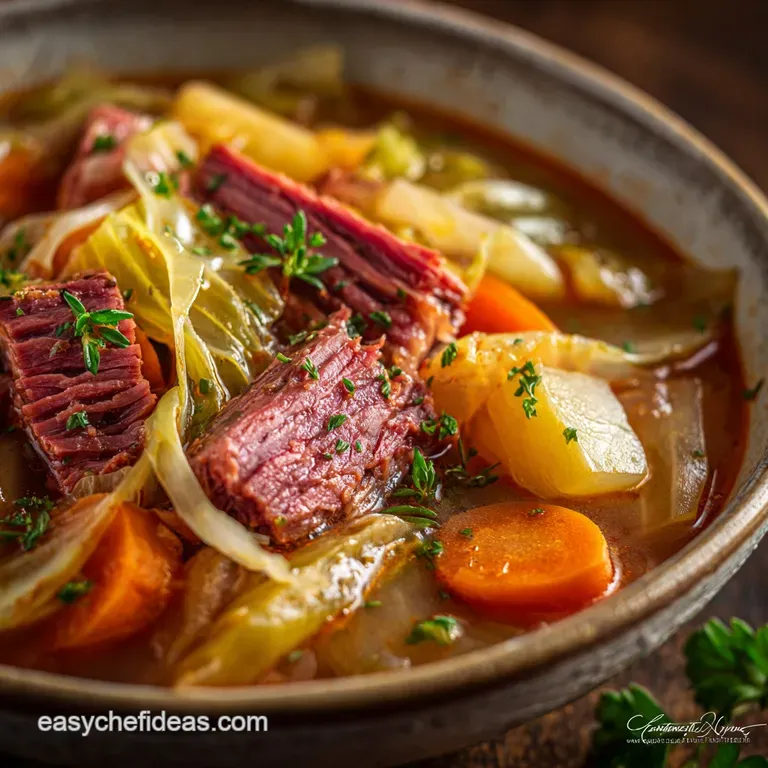
When that first big bowl hits the table, filling the kitchen with the smell of sweet spices, tender beef, and savory broth, you know you’re home. This Corned Beef and Cabbage Soup isn't just dinner; it’s an absolute flavor explosion of tradition.
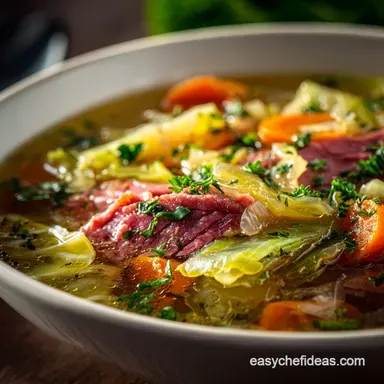
The rich, ruby hued broth is deeply complex, but the texture of the tender crisp cabbage and soft potatoes is what seals the deal.
Honestly, transforming the standard, often dry boiled dinner into a soup is the smartest thing I ever did in my kitchen. It’s significantly less effort than wrestling a whole boiled brisket, and the resulting savory broth carries the flavor so much better.
You get all the comfort and robust seasoning without the heaviness. It's affordable, incredibly comforting, and makes killer leftovers.
I wasted too many years serving mushy vegetables and impossibly salty broth, but I learned the tricks. We’re going to nail the texture and control the salt level perfectly this time. Forget everything you thought you knew about corned beef dinner; this soup recipe is the undisputed champion.
Why This Brisket Broth Delivers Superior Flavor
This soup works beautifully because we treat the corned beef brisket less like a main course and more like a flavor generator. The secret is that initial long simmer in plain water, which draws out the spices and some of the curing salt, creating a rich, tangy foundation.
We then strain that liquid, add fresh stock, and then introduce the vegetables. This is crucial. It ensures the vegetables cook in a clean, perfectly flavored liquid, not in a scummy, overly salted brine.
Transitioning the Boiled Dinner to a Broth
The traditional boiled dinner often leaves the meat feeling heavy and the liquid greasy. By cooking the brisket separately, resting it, and then straining and skimming the liquid, we eliminate all the bad stuff. We isolate the good parts: the intense savory flavor and the delicious, clarified broth.
It sounds fancy, but really, you’re just pouring the liquid through a sieve.
When to Serve This Hearty Corned Beef Soup
Everyone thinks of this dish only around March, but honestly, it’s a killer fall and winter staple. It's fantastic for meal prepping because it tastes even better the next day once the flavors have truly married together. I love making a batch on Sunday; it’s perfect fuel for the busy week ahead, almost as easily done as those quick High Protein Egg White Cups with Veggies and Turke Easy 35 Min Meal Prep .
Kitchen Gear: Essential Tools for Soup Making
You really only need two things for success: a massive stockpot and a good skimmer. The stockpot is non-negotiable because you’re dealing with a large piece of meat and a lot of liquid.
The skimmer, or even a large slotted spoon, allows you to meticulously remove impurities that float up during the initial simmer. That skimming process is the difference between a murky broth and a beautifully clear one.
The Magic of Low and Slow Corned Beef Brisket
Brisket is tough, fibrous meat that needs time to break down its connective tissues. You must keep the liquid at a bare, barely moving simmer we are not aiming for a rolling boil here.
That low temperature allows the fat and collagen to slowly melt, which results in the incredibly tender, fork shreddable corned beef we want for the soup.
Balancing the Brine: Controlling the Salt Level
This is where I failed for years! Because corned beef is pre-salted, if you use stock from the beginning or try to salt your soup halfway through, it will be inedible. We cook the meat initially in unsalted water to leach out some of the excess curing salt.
Then, we use low-sodium beef stock to supplement the flavor. You should not add any actual salt until the soup is completely finished and you’ve tasted it. Always taste first!
Maximizing Tenderness in Root Vegetables and Cabbage
We add the potatoes and carrots first because they need the longest time to soften. They must be tender enough but still hold their shape, giving the soup a great, sturdy texture. The cabbage goes in right at the very end it should be tender crisp, holding its bright color, not cooked until it’s transparent and bitter. This staggered addition is key, similar to how we manage vegetables when making a proper Stuffed Cabbage Casserole: Baked, Un-stuffed, Totally Fuss Free .
Key Ingredients for Authentic Corned Beef and Cabbage Soup
Selecting the Right Corned Beef Cut and Preparation
I prefer the flat cut (the "flat" or "side") for soup because it’s leaner and slices beautifully. The point cut is fattier and shreds better, but the flat cut keeps the soup lighter.
Make sure you leave the fat cap on during the cooking process; that fat melts down and contributes hugely to the broth’s richness.
Must Have Root Vegetables and Aromatics (Potatoes, Carrots, Onions)
These are the non-negotiables. Russet potatoes give the soup body as they release a bit of starch, and the carrots and celery provide the essential, grounding sweetness. Don't dice them too small; we want nice chunky vegetables that stand up to the brisket.
Handling the Spices and Seasoning Packet
Every corned beef brisket comes with that little spice packet, and you must use it. It usually contains mustard seeds, peppercorns, coriander, and sometimes cloves these are the heart of the flavor profile. Just dump the whole thing into the cooking liquid with your bay leaves and whole onions.
Smart Substitutions for Dietary Needs
| Ingredient | Why We Use It | The Viable Substitute |
|---|---|---|
| Green Cabbage | Classic structure and mild sweetness. | Napa or Savoy Cabbage (Milder flavor, quicker cooking) |
| Russet Potatoes | Starch for body and hearty texture. | Parsnips or Sweet Potatoes (Adds natural sweetness) |
| Apple Cider Vinegar | Essential brightness and acidity. | Fresh Lemon Juice or White Wine Vinegar |
| Low-Sodium Beef Stock | Depth of flavor without excess salt. | Water + 1 Tbsp Beef Bouillon Base (Check salt levels!) |
step-by-step Cooking Guide: Preparing Your Hearty Soup

Building the Flavor Base (Initial Searing and Deglazing)
Wait, don’t sear the corned beef! Unlike traditional beef stews, we want to cook the corned beef slowly in water to draw out the salt, not seal the juices in. Just place the brisket (fat cap up) right into the cold water along with your seasoning packet. Bring it up to a boil, then immediately turn it down.
The Brisket Simmer: Achieving Perfect Tenderness
This takes patience. The liquid should only be softly bubbling; we want minimal agitation. Simmer that brisket for about 2 hours, or until a fork slides in easily with almost no resistance.
Pro Tip: Keep the pot partially covered to prevent excessive liquid evaporation, but leave a gap so you can check on the scum that rises.
Adding the Vegetables and Finishing the Broth
Once the brisket is resting, strain all the cooking liquid and put it back on the heat. This strained liquid, now your primary broth, is joined by the low-sodium beef stock. Add the carrots, celery, and potatoes, cooking until they are firm tender (about 15- 20 minutes).
Stir in the shredded cabbage last, cooking for maybe five minutes max.
Slicing and Serving the Corned Beef Brisket
Never skip the rest period; resting is what keeps the meat tender and juicy. After 15 minutes, slice the corned beef against the grain if you want slices, or just coarsely shred it directly into the soup pot.
I prefer shredding because it distributes the meat more evenly in every single spoonful.
Chef’s Note: The final flavor adjustment using vinegar is non-negotiable. The acidity cuts through the richness of the corned beef beautifully and makes the whole dish taste fresh, bright, and vibrant.
Achieving Perfection: Chef's Tips and Troubleshooting Corned Beef Soup
The Broth is Too Salty: Quick Fixes
You taste it and immediately regret your life choices because it’s too salty. Don't panic! The easiest fix is adding more liquid, either water or more low-sodium stock. If you don't want a thinner soup, you can try simmering a few peeled, large chunks of potato in the broth for 15 minutes and then removing them.
They absorb a surprising amount of excess salt.
Ensuring the Brisket Doesn't Dry Out During Simmering
The only way your brisket dries out is if you boil it rapidly or don't let it rest. Keep the heat incredibly low, and ensure the brisket is submerged for the entire cooking time. If you need to add water, make sure it’s hot, so you don’t interrupt the gentle simmering process.
Timing the Cabbage Addition for Maximum Crispness
Adding the cabbage in the last five minutes is critical. We want it bright green and slightly resistant to the bite, not translucent and limp. Overcooked cabbage tastes sulfurous and smells terrible, which ruins the whole soup experience.
Storing and Reheating Your Leftover Comfort Food
Refrigerating and Shelf Life Guidelines
This soup is a superstar when it comes to leftovers. It keeps wonderfully in an airtight container in the refrigerator for about 4 to 5 days. You will notice the fat solidifying on top; this is normal, just scoop it off and discard it before reheating if you prefer a leaner broth.
Freezing the Soup: Best Practices for Texture Retention
But does it freeze well? You bet. Soups with starchy components (like the potatoes here) sometimes suffer textural changes, becoming slightly grainy when frozen, but this is minor. Freeze the cooled soup in individual servings in freezer safe bags or containers for up to 3 months.
Thaw it overnight in the fridge before reheating.
Tips for Reheating Without Overcooking Vegetables
Reheat gently over medium low heat on the stovetop. Avoid a rapid boil! If the soup seems a little thick upon reheating, stir in a splash of water or extra stock. If you plan ahead, you can actually slightly undercook the cabbage before serving the first time, ensuring it retains perfect crispness when you reheat the leftovers later in the week.
Optimal Pairings: What to Serve Alongside Corned Beef and Cabbage Soup
This is a complete meal on its own, honestly, but a little something extra for dipping is always appreciated. A hearty, crusty loaf of artisanal bread is perfect for soaking up every drop of that rich broth. I love serving this soup with a side of warm Irish Soda Bread or a sturdy sourdough; it's the same philosophy behind pairing great bread with our Crock Pot Tuscan White Bean and Garlic Soup: Effortless, Creamy Healthy .
For those who love a kick, serving a dish of strong Dijon or whole grain mustard on the side is essential. A small smear of mustard on the shredded corned beef before eating adds a sharp, pungent contrast that is just divine. Seriously, try it.

Recipe FAQs
Why is my Corned Beef and Cabbage Soup broth too salty?
Corned beef brisket is cured heavily in salt and this salt leaches into the broth during cooking. To avoid excessive saltiness, you must initially rinse the brisket thoroughly and taste the broth before adding any extra seasoning or bouillon.
If the soup is already too salty, add a few raw potato halves during simmering; they will absorb some of the excess salt.
Can I use leftover cooked corned beef brisket instead of starting with raw meat?
Yes, but you will need to establish a flavorful broth base first, as the cooked beef won't render the required savory juices. Use high-quality beef stock (not just water) and simmer the vegetables and spices for at least an hour before adding the diced, cooked corned beef near the end of the cooking process.
This ensures the beef is heated through without becoming dry.
How do I prevent the cabbage from getting mushy or overly soft?
The secret is timing; cabbage cooks very quickly and should be added only during the last 15 to 20 minutes of simmering. If you add the cabbage too early, the residual heat will continue to break down the leaves long after you turn off the heat, resulting in an unpleasant texture.
Ensure the other root vegetables are nearly tender before introducing the cabbage.
I don't like parsnips or rutabaga. What root vegetables can I substitute?
Excellent substitutes include regular turnips, celery root (celeriac), or even sweet potatoes, which add a delightful depth of flavor. If replacing the parsnips, consider adding a teaspoon of brown sugar or maple syrup with the carrots to replicate the subtle sweetness they provide to the broth.
Is it safe to freeze Corned Beef and Cabbage Soup?
Yes, this soup freezes well, though the potatoes may become slightly granular or mealy upon thawing due to their high water content. Cool the soup completely before transferring it to freezer safe containers, leaving a little headspace for expansion, and it will keep for up to 3 months.
Thaw overnight in the refrigerator before reheating gently.
What is the best way to store and reheat the soup?
Store the soup in an airtight container in the refrigerator for up to 4 days, ensuring it cools quickly after cooking. When reheating, simmer gently on the stovetop over low heat, stirring occasionally. Avoid boiling aggressively, as rapid heating can toughen the meat and further break down the vegetables.
How can I slightly thicken the broth without adding flour or cornstarch?
The easiest way to naturally thicken this broth is to remove about one cup of the soup’s cooked potatoes and carrots and thoroughly mash them. Return the mashed mixture to the pot and stir until dissolved; the starch from the vegetables will add body to the liquid.
Alternatively, stir in a spoonful of instant potato flakes for a similar effect.
Corned Beef Cabbage Soup Recipe
Ingredients:
Instructions:
Nutrition Facts:
| Calories | 543 kcal |
|---|---|
| Protein | 29.7 g |
| Fat | 22.9 g |
| Carbs | 52.4 g |
