Cooked Artichokes: Two-Stage Flavor
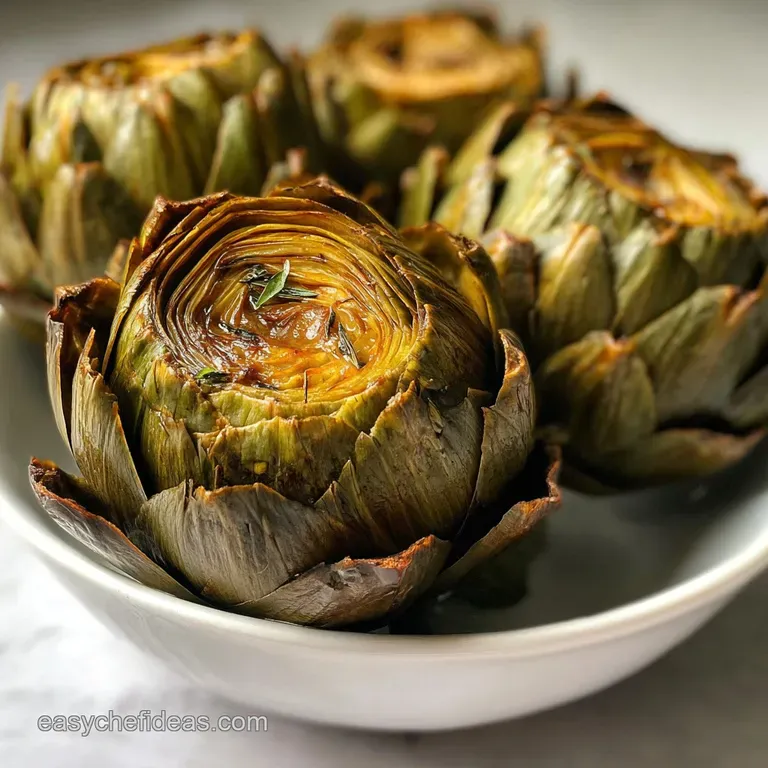
- Time: Active 15 minutes, Passive 30 minutes, Total 45 minutes
- Flavor/Texture Hook: Nutty, velvety hearts with a zesty, smoked paprika finish
- Perfect for: Slow weekend lunches or an impressive, communal appetizer
- The Physics of the Steam Bath
- Component Analysis and Shopping List
- Necessary Gear and Kitchen Tools
- Step-By-Step Flavor Layering Process
- Solving Common Preparation Mistakes
- Dietary Adaptations and Nutritious Swaps
- Preservation Methods and Zero Waste
- Sensory Plating and Cultural Context
- Common Preparation Myths
- Very High in Sodium
- Cooked Artichokes FAQ
- 📝 Recipe Card
The Physics of the Steam Bath
Atmospheric Infusion: The bay leaf and garlic in the simmering liquid release volatile oils that penetrate the porous fibers of the artichoke as it softens. Enzymatic Inhibition: Using lemon halves in the water lowers the pH, which prevents the phenolic compounds in the vegetable from oxidizing and turning an unappetizing brown.
| Artichoke Size | Boiling Time | Internal Texture | Visual Success Cue |
|---|---|---|---|
| Small (Baby) | 15-20 minutes | Snap tender | Knife slides through base easily |
| Medium (250g) | 25-30 minutes | Creamy edges | Lower leaves pull away with zero resistance |
| Large (350g+) | 35-45 minutes | Silky and rich | The "choke" center feels soft when pierced |
When deciding on your method, consider the density of the heart. A larger globe needs that extra time for the heat to migrate through the dense, fibrous base without overcooking the delicate outer tips. This timing ensures the edible portion of the leaf is soft enough to scrape off easily but hasn't turned into mush. It's a similar balance to what I look for in a Hot and Cheesy recipe where the artichoke must hold its shape against the heavy cream.
Component Analysis and Shopping List
| Ingredient | Science Role | Pro Secret |
|---|---|---|
| Globe Artichokes | Structural base | Choose ones that "squeak" when squeezed for freshness |
| Fresh Lemon | pH regulator | Rub the cut edges immediately after trimming to stop browning |
| Smoked Paprika | Flavor contrast | Adds a woody depth that mimics a charcoal grill finish |
| Unsalted Butter | Emulsion carrier | Grate cold butter into the lemon juice to create a thicker sauce |
To prepare artichokes correctly, you will need the following items from your pantry and local market. Ensure the vegetables are heavy for their size, as this indicates high moisture content and a meaty heart.
- 2 Large Globe Artichokes (approx. 350g each): Why this? The globe variety has the largest, leafiest "meat" for dipping.
- 1 Large Lemon, halved: Why this? Essential for acidity and bright floral notes.
- 2 cloves Garlic, smashed: Why this? Smashed garlic releases allicin slowly into the boiling liquid.
- 1 Bay Leaf: Why this? Provides a subtle herbal backbone to the earthy vegetable.
- 1 tsp (6g) Sea salt: Why this? Seasons the water so the salt penetrates the heart.
- 4 tbsp (56g) Unsalted butter: Why this? high-quality fat carries the paprika and lemon flavors.
- 1 tsp (5ml) Fresh lemon juice: Why this? Added at the end to brighten the heavy butter sauce.
- 1/4 tsp (1.5g) Smoked paprika: Why this? Gives a subtle "sizzle" of spice to the palate.
- 1 tbsp Fresh parsley, finely chopped: Why this? Adds a necessary grassy freshness to the finish.
- 1/2 cup (115g) high-quality mayonnaise: Why this? The base for a creamy alternative dip.
- 1 clove Garlic, grated: Why this? Grating provides a more intense punch than mincing.
- Zest of half a lemon: Why this? Contains essential oils that lemon juice lacks.
Necessary Gear and Kitchen Tools
You don't need a professional kitchen, but a few specific tools make the surgical prep much safer. A serrated knife is actually your best friend here because it "saws" through the tough, fibrous tips without slipping.
If you’ve ever tried to use a dull chef's knife on a raw artichoke, you know it's a recipe for a band aid.
A large, heavy bottomed pot (like a Dutch oven) is helpful because it holds heat more consistently than thin aluminum. This ensures the water stays at a steady simmer rather than a violent boil, which can shatter the outer leaves before the heart is done.
You will also want a pair of sturdy tongs to flip them halfway through, as they tend to float like little green buoys.
- Serrated Knife: For the initial "head" trim and stem removal.
- Kitchen Shears: To snip the thorny points off the remaining leaves.
- Large Pot (5-6 quart): Deep enough to submerge the vegetables.
- Small Saucepan: For melting the flavored butter.
- Microplane: To grate the garlic and zest the lemon finely.
step-by-step Flavor Layering Process
- Trim the stem. Cut off the bottom inch of the stem using a serrated knife. Note: This allows the flavored water to enter the core.
- Slice the crown. Remove the top 1.5 inches of the artichoke to reveal the internal layers. until you see the purple tinged inner leaves.
- Snip the thorns. Use shears to cut the sharp tips off every remaining outer leaf. Note: This prevents painful pokes while eating.
- Rub with lemon. Immediately rub all cut surfaces with a lemon half. until the white flesh is fully coated.
- Prepare the bath. Fill the pot with water, add the sea salt, smashed garlic, bay leaf, and the used lemon halves.
- Simmer the globes. Place the artichokes in the water and weigh them down with a plate. until a knife easily pierces the base (about 30-40 minutes).
- Drain thoroughly. Remove with tongs and rest them upside down on a rack. Note: Trapped water will dilute your dipping sauce later.
- Melt the butter. In a small pan, combine the butter, smoked paprika, and lemon juice. until the butter is foaming and fragrant.
- Whisk the aioli. Mix the mayonnaise, grated garlic, and lemon zest in a bowl. until the texture is silky and pale.
- Serve immediately. Arrange the warm globes with the butter and aioli for dipping.
Solving Common Preparation Mistakes
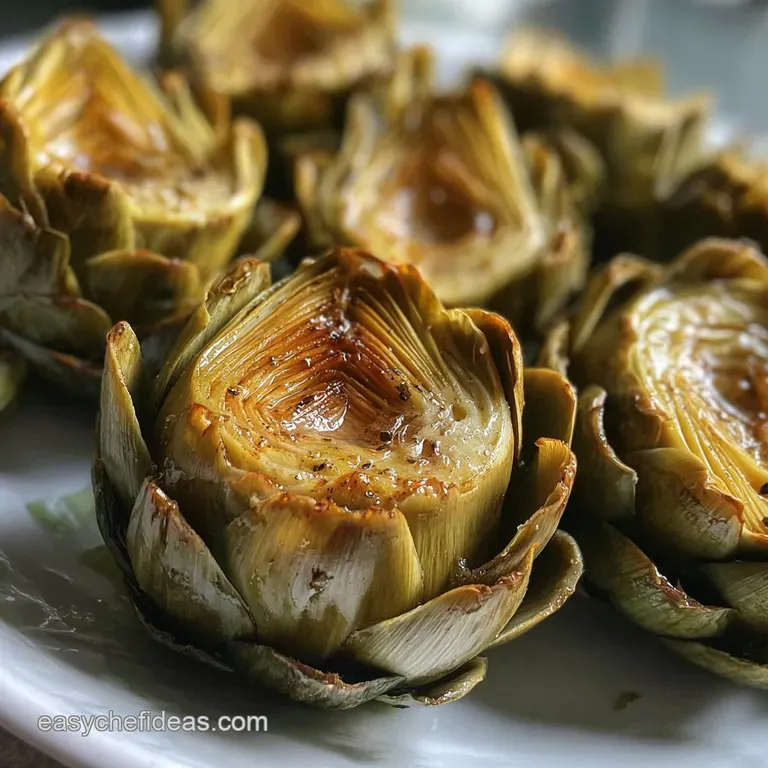
The Base is Tough or Woody
This usually happens when the outer fibrous skin of the stem isn't peeled, or the artichoke was simply too old when purchased. When you learn how to clean artichokes, remember to use a vegetable peeler on the stem to reach the pale, tender center.
If it's already cooked and tough, there isn't much to do but focus on the leaves and skip the stem this time.
The Flavor Feels Flat
Artichokes are naturally quite mild and earthy. If they taste bland, the water wasn't salted enough, or you skipped the aromatics. The bay leaf and garlic are non negotiable for that "bistro" quality. You can fix this at the table by adding a pinch of flaky sea salt directly into your dipping butter.
| Problem | Root Cause | Solution |
|---|---|---|
| Leaves are soggy | Artichoke sat in water too long after cooking | Drain upside down on a wire rack for 5 minutes |
| Discoloration | Lack of acid or iron pot reaction | Use a stainless steel pot and double the lemon |
| Bitter aftertaste | Inner "choke" fuzz was eaten | Remove the hairy center with a spoon before serving |
The key to avoiding a "kitchen fail" is the common mistakes checklist below. These small steps are what separate a home cook from a pro.
- ✓ Use a stainless steel or enameled pot (aluminum causes darkening)
- ✓ Keep the artichokes submerged using a heavy lid or plate
- ✓ Check the water level every 15 minutes to prevent scorching
- ✓ Test doneness by pulling an outer leaf - it should "pop" off easily
- ✓ Let them rest! A 5 minute rest helps the internal moisture redistribute
Dietary Adaptations and Nutritious Swaps
If you are looking for easy artichoke recipes that fit a specific lifestyle, this dish is incredibly flexible. For those following a plant based diet, the buttery dip is the only hurdle.
Replacing it with a high-quality olive oil infused with garlic and red pepper flakes creates a beautiful, Mediterranean style experience that highlights the vegetable's natural diversity.
Those on a low FODMAP path need to be careful with the garlic. You can still get that savory depth by using garlic infused oil instead of whole cloves in the water and the sauce. The artichoke itself is a powerhouse of nourishment, packed with fiber and antioxidants, making it a fantastic addition to a community meal where everyone has different needs.
| Original Ingredient | Substitute | Why It Works |
|---|---|---|
| Unsalted Butter | Extra Virgin Olive Oil | Provides healthy fats. Note: Lacks the creamy mouthfeel of butter |
| Mayonnaise | Greek Yogurt (full fat) | Higher protein and tangy. Note: Increases the acidity of the dip |
| Garlic Cloves | Garlic Infused Oil | Provides flavor without the fructans. Note: Use sparingly as the flavor is concentrated |
Preservation Methods and Zero Waste
You can keep these in the fridge for up to 3 days. I find they are actually quite lovely served cold the next day with a sharper vinaigrette. If you want to freeze them, you must blanch them first. Uncooked artichokes do not freeze well because the cell walls shatter, leaving you with a mushy mess when thawed.
To freeze, cook them about 80% of the way, pat dry, and seal in an airtight bag for up to 2 months.
To reheat, I recommend steaming for 5-10 minutes rather than microwaving. A microwave will make the leaves rubbery. If you have leftover leaves but no heart left, scrape the meat off the leaves with a spoon and stir it into a pasta sauce or use it in a Passion Flakies Homemade recipe as a savory filling twist! The tough stems you trimmed off? If you peel them deeply, the inner core is delicious when diced and sautéed with eggs.
Sensory Plating and Cultural Context
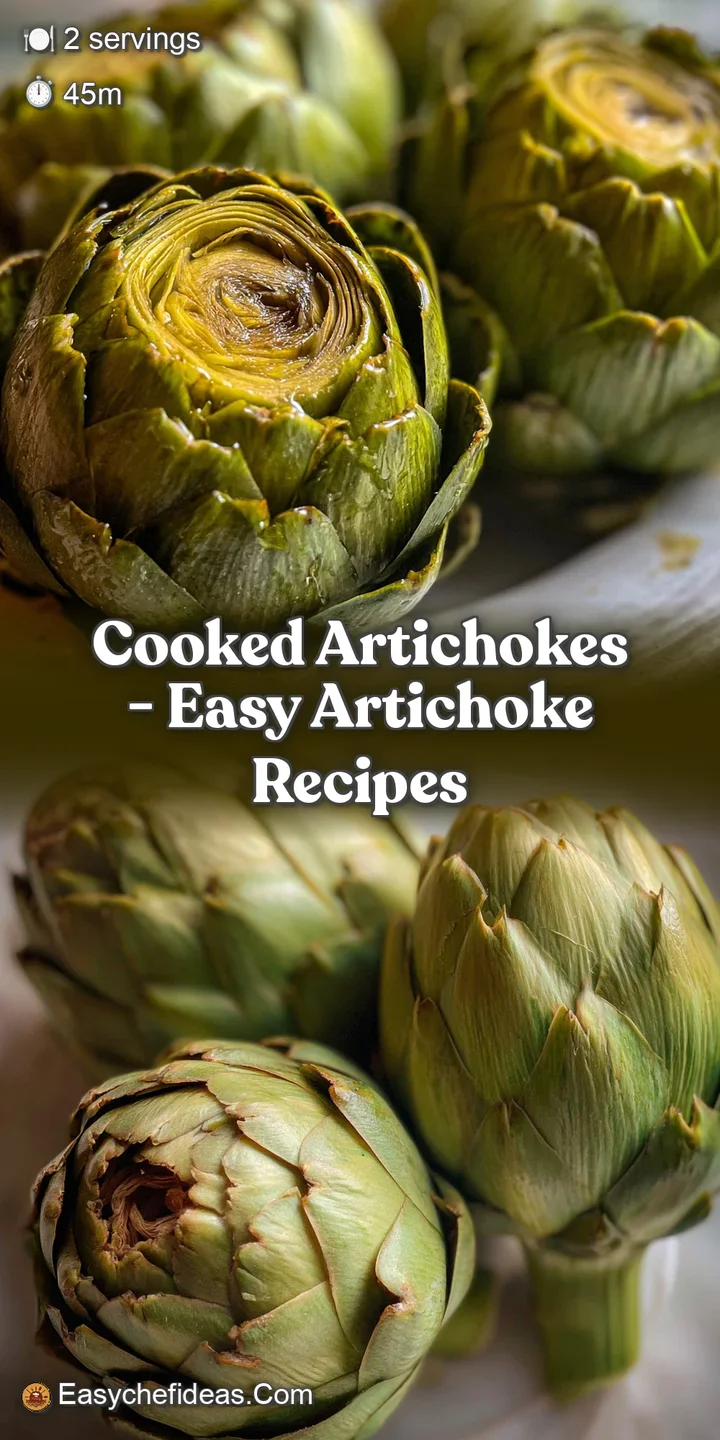
In many Mediterranean cultures, the artichoke represents the heart of the home. It takes time to eat, which encourages people to sit and talk. When plating, I like to open the leaves slightly to make it look like a blooming flower.
Placing the dipping sauces in small, colorful ceramic bowls next to the globe creates a visual contrast between the deep green of the vegetable and the golden butter.
Don't be afraid to get messy. Part of the culture of eating cooked artichokes is using your hands. Provide a "discard bowl" for the scraped leaves so the table stays tidy, but let the process be informal. Sprinkle some extra parsley and lemon zest over the top right before serving to give that final hit of aroma.
Common Preparation Myths
Myth: Artichokes make everything taste sweet. This is actually true! Artichokes contain a compound called cynarin. When you eat them, it inhibits your sweet receptors. The next sip of water or wine you take will wash the cynarin away, making your taste buds "rebound" and perceive a sudden sweetness.
It’s a cool bit of biology, not a flaw in the cooking.
Myth: You have to remove the "choke" before cooking. You definitely don't have to. While some fancy recipes have you scoop out the fuzzy center before boiling, it's much easier to do it at the table. Once you've eaten the leaves, the fuzzy part sits right on top of the heart.
Just scrape it away with a spoon to reveal the prize at the bottom.
Myth: Boiling is the only way to prepare them. While we focused on a boil and steam hybrid here, you can also roast or grill them. However, boiling is the best way for beginners because it ensures the heart is cooked through without burning the delicate leaves.
It provides the most consistent, velvety texture every single time.
Very High in Sodium
1542 mg mg of sodium per serving (67% of daily value)
The American Heart Association recommends limiting sodium intake to about 2,300mg per day.
Tips to Reduce Sodium in Your Artichoke Recipe:
-
Reduce Added Salt-25%
The recipe includes 1 tsp (6g) of sea salt. Try reducing this amount by half, or even eliminating it altogether. Taste and adjust accordingly. This could reduce sodium significantly.
-
Lemon Power-10%
Enhance the flavor with more lemon juice and zest! The acidity will brighten the dish and can help compensate for less salt. Increase the fresh lemon juice from 1 tsp to 1 tbsp and increase the zest to a full lemon.
-
Unsalted is Key
You're already using unsalted butter, which is excellent! Be sure to double check labels to confirm that the butter you're using truly contains 0mg sodium.
-
Spice It Up-5%
Increase the amount of smoked paprika. This will enhance the smoky flavor and allow you to cut down on the salt.
-
Herb Boost
Use more fresh parsley. This will add freshness and flavor, allowing for less reliance on sodium.
-
Fresh Garlic Focus
Garlic provides excellent flavor. Ensure you are using fresh garlic and experiment with roasting it for a deeper, sweeter flavor. Use more than 1 clove in the aioli.
Cooked Artichokes FAQ
How do you prepare artichokes for eating?
Trim, snip thorns, and cook until tender. First, cut off the top 1.5 inches and the bottom inch of the stem. Then, use kitchen shears to snip the sharp points off the remaining outer leaves. Finally, boil or steam them until a knife easily pierces the base, typically 25-45 minutes depending on size.
Is it better to boil or steam an artichoke?
Both methods yield excellent results; steaming is slightly more forgiving. Boiling ensures even cooking throughout, while steaming gently softens the leaves and preserves more of the vegetable's natural flavor. If you're worried about overcooking, steaming is a safer bet for beginners.
What part of the artichoke do you not eat?
You do not eat the fuzzy "choke" and the thorny outer leaf tips. The choke is the fibrous, hairy part found in the center of the artichoke, located just above the heart. The very tips of the outer leaves are too tough and thorny to consume.
How to cut an artichoke?
Cut off the top and trim the stem. To prepare an artichoke for cooking, first, use a serrated knife to remove the top 1.5 inches. Then, cut off the bottom inch of the stem, and optionally peel the stem to expose the tender core.
For eating, you typically don't "cut" it into pieces, but rather pull off leaves to dip.
Can I eat the stem of an artichoke?
Yes, the stem is edible and quite delicious when prepared correctly. The key is to peel away the tough, fibrous outer layer of the stem to reveal the tender, pale green core beneath, which has a flavor similar to the artichoke heart.
Why do my cooked artichokes turn brown?
Lack of acid causes browning due to oxidation. Artichokes contain phenolic compounds that turn brown when exposed to air. Adding lemon juice or halves to the cooking water, as is common practice, lowers the pH and prevents this enzymatic browning, keeping them vibrant green.
How long do cooked artichokes last in the refrigerator?
Cooked artichokes will last for up to 3-4 days in the refrigerator. Store them in an airtight container or wrap them tightly in plastic wrap to prevent them from drying out. They can be enjoyed cold or gently reheated.
Cooked Artichokes
Ingredients:
Instructions:
Nutrition Facts:
| Calories | 678 kcal |
|---|---|
| Protein | 5.3 g |
| Fat | 67.8 g |
| Carbs | 20.2 g |
| Fiber | 10.1 g |
| Sugar | 2.1 g |
| Sodium | 1542 mg |
