Classic Steak Diane Sauce Flambéed Perfection in Minutes
- Unlocking the Glamour: Why This Steak Diane Sauce Reigns Supreme
- The Theatre of Flambé: A Brief History of This Iconic Condiment
- Gathering Your Arsenal: Essential Components for Rich Flavor Depth
- Step-by-Step Mastery: Building Your Incredible Diane Sauce
- The Moment of Truth: Mastering the Brandy Flambé Safely
- Elevating Your Steak Experience: Serving Suggestions and Pairings
- Keeping the Magic Alive: Storage and Reheating Tips
- Recipe FAQs
- 📝 Recipe Card
Unlocking the Glamour: Why This Steak Diane Sauce Reigns Supreme
There are certain dishes that evoke an immediate sense of occasion, a throwback to glamorous dining rooms where tableside theatrics were just as important as the ingredients themselves.
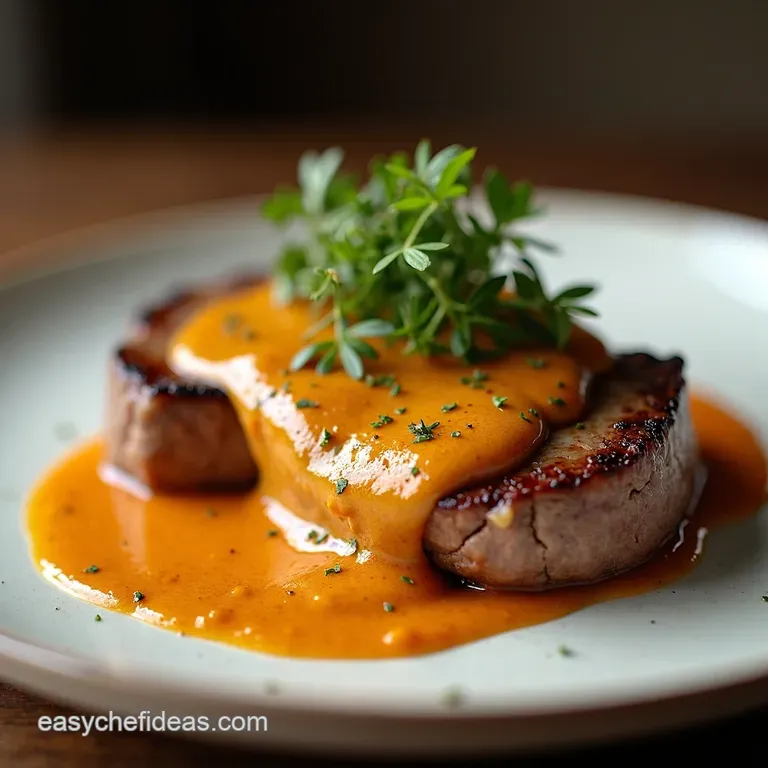
Among these culinary legends, Steak Diane stands tall, and the secret weapon that elevates this dish from simple seared beef to an experience is its accompanying sauce. Forget mass produced jarred condiments; we are diving deep into crafting the authentic Diane Sauce , a rich, complex pan sauce that sings with umami and the distinct warmth of flambéed brandy.
This isn't merely a topping; it's the heart of the entire preparation, providing a velvety counterbalance to a perfectly cooked cut of beef.
The Theatre of Flambé: A Brief History of This Iconic Condiment
The history of Steak Diane is wonderfully shrouded in slight mystery, often attributed to a 1940s or 50s New York or London hotspot catering to sophisticated palates. What we know for certain is that the preparation was always intended to be showy.
The process involves searing a tender cut of steak traditionally fillet or sirloin and then, right there in the same pan, constructing a dazzling sauce. The defining moment, the signature flair that makes this dish unforgettable, is the flambé —the controlled ignition of high proof spirit which cooks off the harsh alcohol while leaving behind an unparalleled aromatic depth.
Mastering How to Make Diane Sauce means respecting this tradition.
Beyond the Packet: The True Essence of Authentic Diane Sauce
Many modern interpretations lean heavily on pre-made mixes or rely too much on cream, resulting in a heavy, one-note sauce. The authentic Classic Diane Sauce , however, is built on a foundation of savoury depth.
It is a pan sauce, meaning its soul resides in the fond —those browned, flavourful bits left stuck to the bottom of the skillet after searing the meat. We aim for a balance: richness from the cream, tang from mustard and lemon, and that unmistakable savoury punch provided by ingredients like Worcestershire sauce.
This intricate balance is what separates a good steak experience from a legendary one.
Setting the Stage: What Makes This Sauce Unforgettably Savoury
The depth of flavour in this sauce is achieved through a strategic layering of bold components. Central to the flavour profile is the umami trinity we will explore shortly: Dijon mustard, Worcestershire sauce, and the browned steak drippings themselves.
When developing our Diane Sauce Recipe , we incorporate finely minced shallots which caramelize beautifully and dissolve subtly into the sauce base, adding sweetness without overpowering the savoury notes.
The goal is a sauce so deeply flavourful that a small drizzle is sufficient to transform your meal.
Is This Recipe Easy? Achieving Gourmet Results Quickly
While the technique requires precision, the overall process for this remarkable Diane Sauce for Steak is surprisingly fast. Once your steak is rested and ready for plating, the sauce comes together in under 15 minutes.
The main complexity arises from the flambé element, which demands attention and adherence to safety protocols. However, even if you choose to skip the actual flame (a perfectly acceptable alternative!), the flavour base is built so efficiently that you can achieve gourmet results without an extensive kitchen timeline, making it ideal for an impressive weeknight indulgence or a weekend feast.
Gathering Your Arsenal: Essential Components for Rich Flavor Depth
To achieve the complexity associated with this iconic condiment, careful selection of each component is non-negotiable. Since this is a pan sauce, almost every ingredient added serves a specific purpose in deglazing, thickening, or amplifying flavour.
We are aiming for a concentration of taste, meaning the quality of your base liquids matters immensely for the final result of your Diane Sauce .
Crucial Tools for Perfect Pan Sauce Execution
Before we even touch the ingredients, we need the right hardware. A heavy bottomed skillet, preferably stainless steel or cast iron, is crucial. Non-stick surfaces inhibit the creation of the flavourful fond we rely on, and they are often advised against when working with an open flame during the flambé process.
You will also require a wooden spoon for scraping and a small snifter or ladle for safely measuring and pouring the brandy never pour alcohol directly from the bottle over a hot pan.
The Umami Trinity: Mustard, Worcestershire, and Secret Seasonings
The backbone of any superior Steak Diane Sauce relies on three key players. First, high-quality Dijon mustard, which provides a sharp, vinegary tang that cuts through the richness of the cream and butter.
Second, Worcestershire sauce; its complex blend of fermented ingredients adds that deep, savoury, almost smoky note essential to the Diane Sauce Ingredients .
Finally, we use a generous amount of freshly cracked black pepper more than you might think necessary which adds a necessary layer of spice and aroma that complements the richness.
Selecting Your Liquids: Brandy Choice and Stock Essentials
The spirit used for the flambé is critical. While many chefs, including those famed like Gordon Ramsay Diane Sauce tutorials often suggest, opt for Cognac or good quality Brandy, the goal is simple: use something you’d be happy to sip.
This ensures the residual flavour notes are pleasant, not harsh. For the stock, low-sodium beef stock or high-quality beef broth is preferred. Since we are concentrating the sauce significantly, using a high salt stock can easily result in an over salted final product.
Fresh lemon juice, added near the end, brightens the entire profile.
Prepping the Aromatics: Finely Diced Shallots vs. Onion
For the aromatic base, shallots are the superior choice over standard yellow onions. Shallots possess a milder, sweeter, and more delicate flavour profile. When finely minced, they break down beautifully during the simmering process, essentially dissolving into the sauce to provide body and a background sweetness without leaving behind chewy pieces.
This finesse is key to achieving that smooth, professional texture in your Diane Sauce .
Related Recipes Worth Trying
- The Butchers Best Rich Tangy Homemade Steak Sauce — Ditch the bottle This easy Homemade Steak Sauce Recipe delivers a rich tangy flavour profile perfect for elevating any cut of beef Ready in under 40 minutes
- Flaky Baked Cod in Coconut Lemon Cream Sauce Recipe — Forget dry fish This easy baked cod in coconut lemon cream sauce recipe delivers incredible flavour in under 40 minutes Perfect for a light seafood dinner
- Foolproof Crockpot Beef Short Ribs with Red Wine Sauce — The best way to cook beef short ribs slow cooker style These falloffthebone gems feature a rich red wine gravy ready for your Sunday supper
step-by-step Mastery: Building Your Incredible Diane Sauce
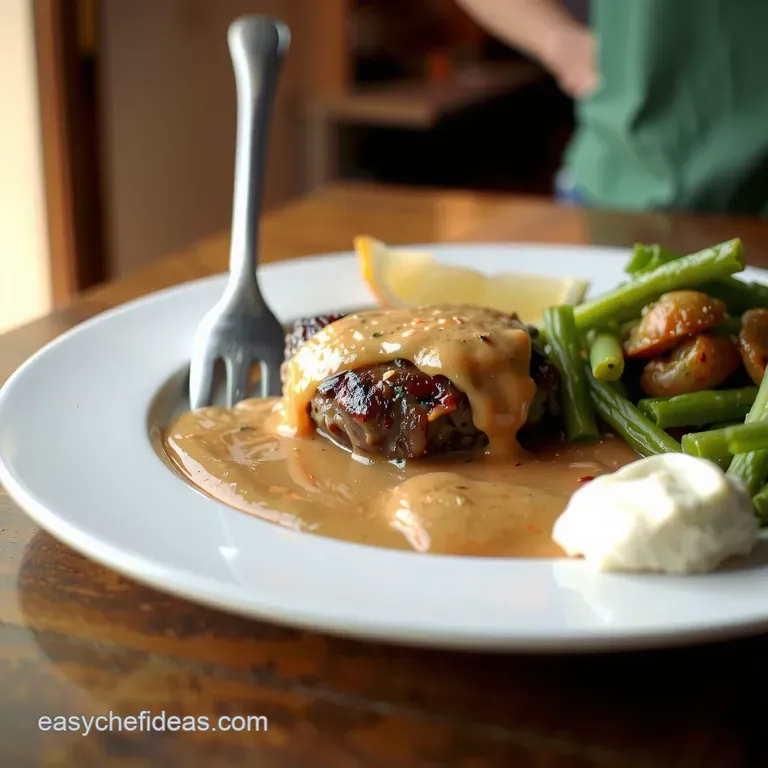
Creating this magnificent sauce is a process of building flavours in sequence, ensuring each layer has a moment to cook down and meld before the next is introduced. Remember, the foundation of this entire operation is the pan that just cooked your steak; those residual juices are pure gold.
The Moment of Truth: Mastering the Brandy Flambé Safely
This is the most exciting step in How to Make Diane Sauce . Once your shallots and any optional mushrooms are softened in butter, you push them aside, add the remaining butter, and whisk in a tablespoon of flour to create a very light, blonde roux, followed by the Dijon mustard.
Now, pour in the measured brandy or Cognac. Crucially, ensure your overhead range hood or extractor fan is off —it can pull the flame down dangerously. Using a long match or lighter held away from the pan, gently ignite the alcohol vapours.
The flames will rise, burn off the alcohol content, and subside within seconds. If you are nervous, simply simmer the brandy for 2– 3 minutes to reduce it before proceeding.
Searing Success: Capturing Maximum Flavor from Steak Drippings
If you are preparing the sauce immediately after removing your steak, the residual fat and brown bits ( fond ) in the pan are your first flavour addition. If your pan seems dry after cooking the steak, add a tablespoon of butter before softening the aromatics, but always ensure those browned bits remain intact.
The incorporation of the Diane Sauce Ingredients must start by interacting with these concentrated juices.
Deglazing Secrets: Infusing Depth into the Sauce Base
After the flambé has burned out, immediately introduce the Worcestershire sauce and a splash of fresh lemon juice. This halts any residual harshness from the spirit and begins the deglazing process. Next, whisk in the beef stock slowly, scraping the bottom of the pan vigorously with your spatula.
This scraping action releases all the caramelized steak proteins and flavour particles, incorporating them seamlessly into the liquid this is the defining moment where the sauce earns its savouriness.
The Final Swirl: Achieving Silky Smooth Texture in Your Diane Sauce
Once the stock has simmered slightly and reduced, lower the heat to its lowest setting and stir in the heavy cream. This step requires patience; you are gently warming the cream and allowing it to emulsify and thicken the sauce, not boil it aggressively.
The sauce should thicken just enough to coat the back of a spoon a perfect consistency for draping over meat. Taste it now, and season judiciously with salt and plenty of freshly cracked pepper before stirring in the fresh parsley finish.
Elevating Your Steak Experience: Serving Suggestions and Pairings
The true magic of a perfect Diane Sauce for Steak is how it transforms the entire plate. This sauce demands accompaniments that can stand up to its rich profile without competing.
Think about classic French bistro sides: creamy, luxurious mashed potatoes (Pommes Purée) are the quintessential partner, soaking up every last drop of the sauce. Simple steamed green beans or perfectly crisp, slender asparagus spears provide the necessary fresh, green contrast.
Keeping the Magic Alive: Storage and Reheating Tips
If you happen to have leftover Diane Sauce , it stores beautifully. Once cooled completely, transfer it to an airtight container and refrigerate for up to three days. When reheating, do so very gently over low heat, stirring constantly.
Cream based sauces can sometimes "break" (separate) if overheated too quickly. If this happens, simply remove it from the heat and whisk in a tiny splash of cold water or milk to help bring the emulsion back together.
Beyond Beef: Adapting This Sauce for Chicken or Pork
While engineered specifically for steak, this magnificent sauce adapts wonderfully to other proteins. If using pork chops or thick cut chicken breasts, sear them first, remove them to rest, and proceed with the Diane Sauce Recipe using the pan drippings.
Because chicken and pork are milder than beef, you might consider slightly reducing the amount of Worcestershire sauce to allow the subtle brandy notes to shine through more prominently.
Troubleshooting Your Sauce: Fixing Thickness and Flavor Imbalances
Should your sauce turn out too thin, the fix is straightforward: create a small slurry by mixing a teaspoon of cornflour or arrowroot powder with an equal amount of cold water until smooth, then whisk it into the simmering sauce until the desired thickness is achieved.
If the flavour is too sharp (often after flambéing), stir in a touch more heavy cream or a pinch of sugar to balance the acidity. If it tastes flat, more black pepper and a final squeeze of lemon juice will usually revitalize it.
Nutritional Snapshot: Understanding the Richness of This Classic Sauce
Because this Classic Diane Sauce relies on butter, cream, and spirit, it naturally leans toward richness, which contributes to its decadent mouthfeel. It is important to note that while the calories are concentrated, the portion size used per person is typically small a generous drizzle rather than a massive pool.
When enjoyed in moderation alongside a lean protein, it remains a fantastic way to indulge in culinary history without overdoing the macros, offering unparalleled flavour density per spoonful.

Recipe FAQs
Béarnaise sauce Peppercorn sauce Chimichurri Steak au poivre
For the most authentic flavour, ensure you use high-quality brandy or cognac for the flambé step; if avoiding alcohol, substitute with extra beef stock and a splash of sherry vinegar for acidity.
After cooking, this rich sauce is best enjoyed immediately, but leftovers can be refrigerated for up to three days and gently reheated on the stovetop, whisking in a touch of water or stock if it thickens too much.
Remember to always turn off the heat before adding the alcohol for the flambé and stand back slightly when igniting the vapours.
Diane sauce recipe
For authentic flavour in this classic Steak Diane Sauce, be sure to properly sauté the shallots and mushrooms until golden before adding the flour to create a smooth roux. Always use high-quality brandy or cognac for the flambé, ensuring the heat source is off the stove before carefully igniting the alcohol.
Store any leftover sauce in an airtight container in the refrigerator for up to three days, reheating gently on the stovetop.
Diane sauce ingredients
The foundational ingredients for a classic Steak Diane Sauce include butter, minced shallots, mushrooms (optional), flour for thickening, Dijon mustard, Worcestershire sauce, lemon juice, brandy or cognac for the crucial flambé, beef stock, and heavy cream.
For the best flavour, ensure your brandy is of good quality as it significantly impacts the final sauce. Any leftovers should be refrigerated promptly and will keep well for up to three days, reheating gently on the stovetop.
Traditional steak Diane sauce
For authentic Steak Diane flavour, ensure your pan has plenty of rich fond after searing the steaks, as this forms the backbone of the sauce. When flambéing, always remove the pan from the heat first, then carefully add the brandy, tilting the pan slightly to ignite, or use a long match, keeping your face clear of the rising flame.
Any leftover sauce should be stored in an airtight container in the refrigerator for up to three days and reheated gently on the stovetop.
Mushroom Diane sauce
For a truly authentic Diane Sauce, do not skip the flambé step with brandy or cognac, as this deepens the flavour considerably; ensure your pan is completely dry before adding the alcohol for safety.
If you absolutely must substitute the alcohol, a splash of dry sherry or Madeira can provide some necessary acidity and depth, though the classic character will shift slightly. Leftover sauce keeps beautifully in an airtight container in the refrigerator for up to three days, reheating gently on the stovetop.
Steak Diane for two
For a truly exceptional Diane Sauce, ensure your pan is hot enough before adding the brandy for the flambé; tilt the pan slightly toward the flame (or use a long lighter) and stand back.
If you prefer not to flambé, simply let the alcohol bubble and reduce by half before adding the stock to cook off the raw flavour. This rich sauce keeps beautifully in an airtight container in the refrigerator for up to three days, perfect for a quick meal later.
Classic Diane Sauce Recipe
Instructions:
Nutrition Facts:
| Calories | 170 |
|---|---|
| Fat | 15g |
| Fiber | 0.5g |
