Cuban Style Black Beans: the Ultimate Silky Frijoles Negros Recipe
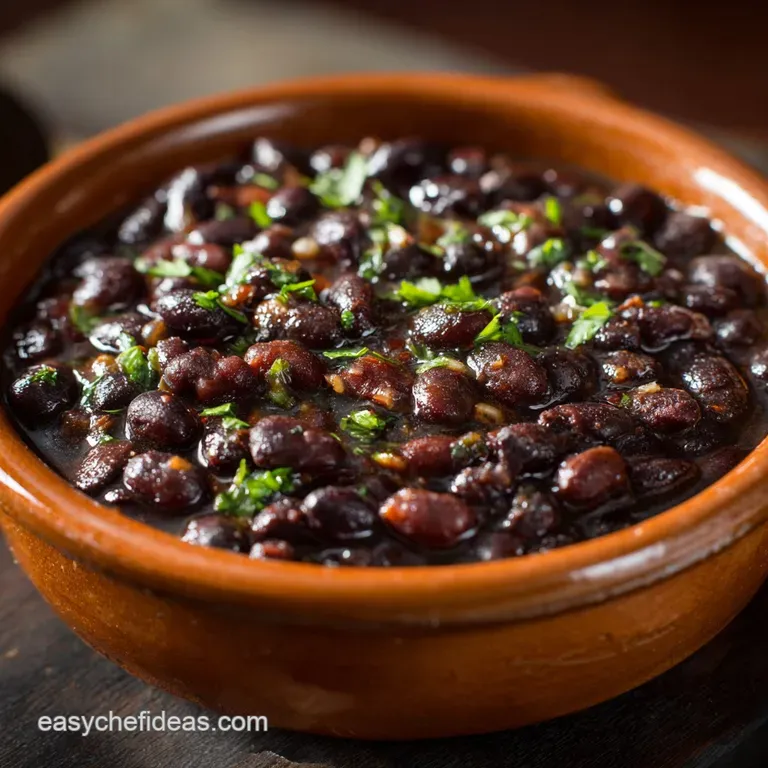
- The Chef's Classic Frijoles Negros: Silky Cuban Black Beans
- Unlocking the Depth of Flavor in Authentic Frijoles Negros
- Mastering the Perfect Texture: The Science Behind Silky Black Beans
- Essential Ingredients for Authentic Cuban Style Black Beans
- Detailed Step-by-Step Guide: Cooking Frijoles Negros
- Troubleshooting and Expert Tips for Deep Flavor
- Maximizing Shelf Life: Storing Your Batch of Cuban Black Beans
- Perfect Pairings: What to Serve With Cuban Black Beans
- Recipe FAQs
- 📝 Recipe Card
The Chef's Classic Frijoles Negros: Silky Cuban Black Beans
When a pot of Frijoles Negros starts bubbling gently, the whole house smells like warm cumin and deep, sweet earthiness. These aren't just side dish beans; they are Cuban magic, transforming something humble into an unbelievably silky, dark, and utterly flavour packed experience.
Seriously, the contrast between the tender interior and the rich, starchy sauce is what we are aiming for here.
Look, we all need cheap, reliable dinner components that actually taste incredible, right? A huge batch of these Cuban Style Black Beans costs almost nothing, making it the perfect meal prep staple that only gets better as the week goes on.
They save my sanity when I need a foundational recipe for quick weeknight meals.
Forget quick and easy hacks for a moment, because the real depth comes from patience and perfecting the sofrito base. Trust me, learning the classic, slow simmered method for these incredible Frijoles Negros means you will never buy the canned stuff again.
Let’s crack on and get this done properly.
Unlocking the Depth of Flavor in Authentic Frijoles Negros
The Cultural Significance of Cuban Style Black Beans
Frijoles Negros are foundational, truly the bedrock of the Cuban table. They typically accompany almost every main meal alongside rice, forming the classic dish known as Moros y Cristianos (Moors and Christians). This dish is comfort food defined, linking families and history across generations.
It’s simple, essential, and beautiful.
Why the Sofrito is Non-Negotiable for Complexity
The sofrito is the absolute core flavour engine of this dish; it’s not just a quick sauté, but a meditative process. Melting the finely diced onion and green bell pepper slowly in good olive oil releases their natural sugars, creating a sweet and aromatic foundation.
This ensures that the final bean dish is complex and savoury, not just bland or watery.
What Makes This Recipe Stand Out from the Rest
Many recipes skip the essential step of mashing or thickening the beans, resulting in a thin, watery sauce. We fix this by deliberately integrating starch back into the liquid, ensuring a truly velvety texture.
On top of that,, this recipe highlights the crucial finishing touches the vinegar and sugar that most Americanized versions ignore.
Mastering the Perfect Texture: The Science Behind Silky Black Beans
Achieving the Crucial Thickness (Pot Liquor Management)
The liquid the beans cook in, known as the caldo , is where the magic happens. As the beans cook low and slow, they release starches into this liquid, gradually thickening it into a rich sauce. If your beans look too soupy even after hours of simmering, you need to manually intervene.
Gently mash about a quarter of the beans against the side of the pot using a wooden spoon; this releases concentrated starch instantly.
The Magic of the Vinegar Finish (El Toque de Vinagre)
This step is the secret weapon for authentic Cuban Style Black Beans . Adding red wine vinegar right at the end doesn't just make the dish sour; it cuts through the earthiness of the beans and the richness of the cumin, adding a necessary brightness.
The small touch of sugar balances this acid, creating a perfect, addictive sweet and sour finish.
Low and Slow: Why Patience Pays Off
Simmering the beans gently for a long time allows the aromatics from the sofrito to fully permeate every bean. If you rush and boil them too hard, the skins will break prematurely, but the insides will remain frustratingly tough.
Remember, you are cooking until the beans are completely tender and melting, which takes a good two hours, easy.
Chef's Note: I once tried to fast track the soaking process, and my beans cooked unevenly, resulting in a gritty mess. You absolutely must give the dried beans the full 8- 12 hours of soaking time for optimal, creamy texture.
Essential Ingredients for Authentic Cuban Style Black Beans
Canned vs. Dried: Selecting and Preparing Your Black Beans
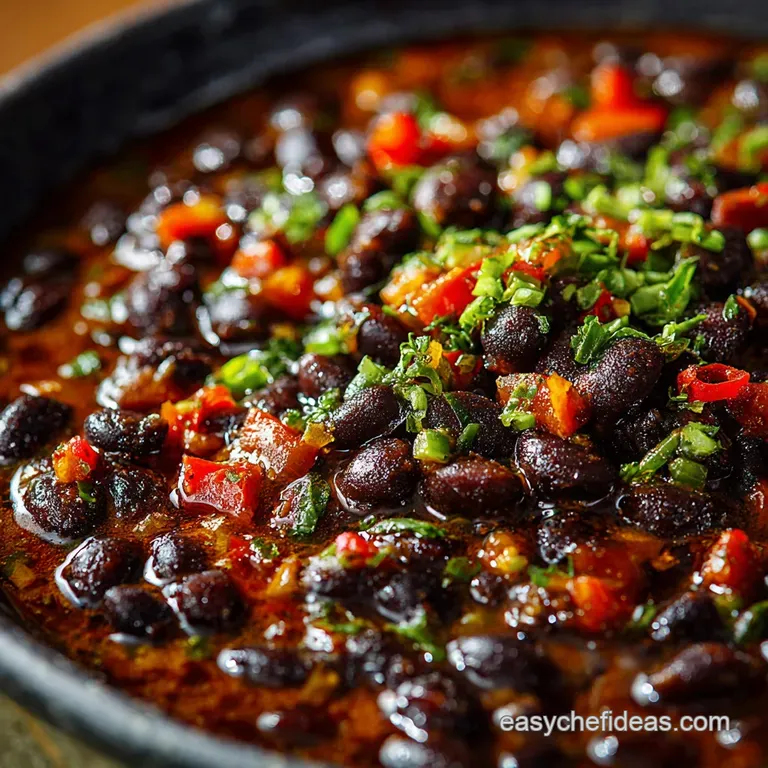
I am a dried bean loyalist for this recipe because they develop a depth of flavour and a texture that canned beans simply cannot replicate. You must rinse your dried black beans, pick out any small stones, and soak them overnight before cooking. If you are truly strapped for time and need a speedier version, my recipe for Quick and Easy Black Beans Recipe: Max Flavor in 25 Minutes uses the canned variety, but this long simmered method is superior.
The Aromatic Foundation: Onion, Pepper, and Garlic Ratios
The ratio here is key: equal parts onion and green bell pepper, and a generous amount of garlic. Don’t skimp on the garlic; six large cloves sound like a lot, but they mellow beautifully during the cooking process. Using green bell pepper is traditional and adds a slight vegetal bitterness that grounds the dish.
The Role of Cumin and Oregano in Frijoles Negros
Cumin provides that smoky, savory depth we associate with Latin cooking, while dried oregano (preferably Mexican oregano, which is more citrusy) adds herbal complexity. We always toast these spices briefly in the oil with the garlic ; this wakes up their essential oils and prevents a raw, powdery taste in the finished product.
Ingredient Swaps for When You're Short on Time
| Ingredient | Substitute | Why it Works |
|---|---|---|
| Dried Black Beans | 4 (15oz) cans, rinsed | Major time saver (cook time drops to 30 mins). |
| Red Wine Vinegar | Sherry or Apple Cider Vinegar | Provides the necessary brightness and acid finish. |
| Granulated Sugar | Molasses or Brown Sugar | Adds richness and deeper sweetness to balance the acid. |
| Fresh Garlic | Powdered Garlic (2 tsp) | Use only if desperate; the fresh flavour is much better. |
Detailed step-by-step Guide: Cooking Frijoles Negros
Prepping the Beans and Sofrito Components
First, remember that overnight soak we talked about. Drain those soaked beans and rinse them well. Next, dice your onion and green pepper incredibly fine; you don’t want chunks, you want them to virtually disappear into the sauce. Mince or crush your 6 cloves of garlic so they are ready to go.
Building the Flavor Base: Sautéing the Aromatics
In a separate skillet, heat the olive oil over medium low heat. Add the diced onion and pepper and sauté until they are very soft and translucent, which takes a solid 8 to 10 minutes. This cannot be rushed.
Now, toss in the minced garlic, cumin, and oregano, and cook for just 60 seconds until a nutty aroma hits you.
Simmering for Depth: Bringing the Beans and Sofrito Together
Add your soaked beans, fresh water or stock, and the two bay leaves to your main pot. Bring it all to a boil, then immediately turn the heat down to a low simmer. Simmer, partially covered, for 45 minutes until the beans are softening.
Now, ladle about a cup of that bean liquid into your sofrito skillet, scrape up all the flavour, and pour the entire contents into the main bean pot. Add your initial salt and pepper now.
The Final Seasoning and Vinegary Kick
Continue simmering for another 45 minutes to an hour, or until the beans are fully tender and the caldo has visibly thickened. Mash a quarter of the beans now for guaranteed creaminess! Remove the bay leaves. Finally, stir in the red wine vinegar and the sugar.
Taste, taste, taste! Adjust salt and pepper until the flavour pops it needs to be savoury, earthy, and brightly acidic.
Troubleshooting and Expert Tips for Deep Flavor
When to Add Salt: Preventing Tough Beans
This is the mistake I made the first time and ruined a pound of perfect beans. Never salt your cooking water at the beginning when using dried beans. The presence of salt or acid prevents the bean skins from properly hydrating and softening, leaving you with a delicious but rock hard exterior.
Add the bulk of your salt only after the beans are at least halfway cooked and starting to feel tender (Stage 3, Step 7).
Why Your Beans Aren't Thickening (Common Errors)
If your sauce is still thin after the full cooking time, you probably didn't mash enough of the beans. Use a potato masher or the back of a wooden spoon and really break down about 1/4 of the cooked beans right into the sauce.
If you want a restaurant quality silkiness, you can use an immersion blender for just 10 seconds. Another common error is using too much liquid; if it looks soupy, simply simmer uncovered for the last 30 minutes to reduce the sauce.
Maximizing Shelf Life: Storing Your Batch of Cuban Black Beans
Best Practices for day-to-day Refrigeration
These are a dream for meal prep because they taste even better the next day! Once cooled, store your Frijoles Negros in an airtight container in the refrigerator. They will easily last for 5 to 6 days. The sauce will thicken considerably as they cool, so don’t worry if it looks dense when you pull it out.
Freezing Frijoles Negros for Meal Prep
But does it freeze well? You bet it does. Black beans freeze beautifully without losing their texture or flavour. I like to freeze them in 2 cup portions (the perfect serving size for my family) in heavy duty freezer bags or plastic containers.
Leave about an inch of headspace if using containers , as the liquid will expand. They are good in the deep freeze for up to 4 months.
How to Reheat Without Losing Texture
To reheat, thaw them overnight in the fridge if possible. Place the beans in a saucepan over medium low heat and add a splash of water or stock about 1/4 cup per 2 cups of beans. Stir gently as they heat. This prevents scorching and restores that lovely, loose, silky texture we worked so hard to achieve.
Perfect Pairings: What to Serve With Cuban Black Beans
Traditional Accompaniments: White Rice and Protein
The classic way to enjoy Frijoles Negros is over a bed of fluffy white rice, creating that quintessential Black Beans And Rice combo. The rice soaks up the rich, vinegary sauce and it’s heaven. They are also incredible piled high on a Loaded Vegetarian Baked Sweet Potato: Smoky Chipotle Black Bean Meal .
For heartier meals, these beans are the ultimate side dish to classic Cuban roasted pork or plantains. They also make a fantastic, flavourful base if you are building something like our satisfying Spicy Black Bean Burgers with Chipotle Mayonnaise: Never Mushy Recipe . Don’t forget a drizzle of good olive oil and fresh cilantro right before serving!

Recipe FAQs
Can I use canned black beans instead of dried?
While dried beans offer superior texture and flavor, you can use canned beans for a quicker meal. Drain and rinse the canned beans, then reduce the water or broth added to the recipe, as they only need to simmer long enough to absorb the intense sofrito flavor (about 30-45 minutes).
Why are my beans watery instead of thick and silky?
Your beans likely need more simmering time, or you didn't incorporate enough starch. To thicken, scoop out about 1/2 cup of cooked beans, mash them into a smooth paste, and stir them back into the pot; this is the traditional thickening method.
Alternatively, remove the lid for the last 30 minutes of cooking to allow excess liquid to evaporate.
Can I make this recipe completely vegan or vegetarian?
Absolutely. Traditional Cuban recipes sometimes use ham hock or bacon for depth, but you can substitute this by ensuring you use vegetable broth and maximizing the smoky flavor. Use a generous pinch of smoked paprika and sauté the sofrito until it is richly caramelized to build savory umami.
How important is the vinegar added at the end?
The splash of vinegar (typically red wine or apple cider) added right before serving is essential for authenticity and balance. This crucial acidity cuts through the richness of the smoky, savory base. It provides the signature bright, tangy finish that prevents the dish from tasting flat.
My beans lack depth; did I cook the sofrito correctly?
The sofrito is the foundational flavor of the dish; rushing this step is the most common error. You must sauté the onions and green peppers until they are very soft and translucent, almost caramelized, before adding the garlic and spices. This slow, patient process ensures maximum flavor release.
How long do leftovers last, and can I freeze them?
Leftovers store excellently in the refrigerator for up to 5 days when kept in an airtight container. Cuban black beans freeze remarkably well; cool them completely, portion them into freezer safe bags or containers, and they will remain good quality for up to 3 months.
Do I have to soak the black beans overnight?
While soaking is traditional and reduces the overall cooking time by roughly an hour, it is not strictly mandatory. If you forgot to soak, you can use the "quick soak" method: boil the beans vigorously for 10 minutes, remove from heat, cover, and let stand for one hour before proceeding with the recipe.
Classic Cuban Style Black Beans Recipe
Ingredients:
Instructions:
Nutrition Facts:
| Calories | 587 kcal |
|---|---|
| Protein | 29.9 g |
| Fat | 15.8 g |
| Carbs | 87.5 g |
