The Ultimate Herb Powerhouse Authentic Argentinian Chimichurri Sauce
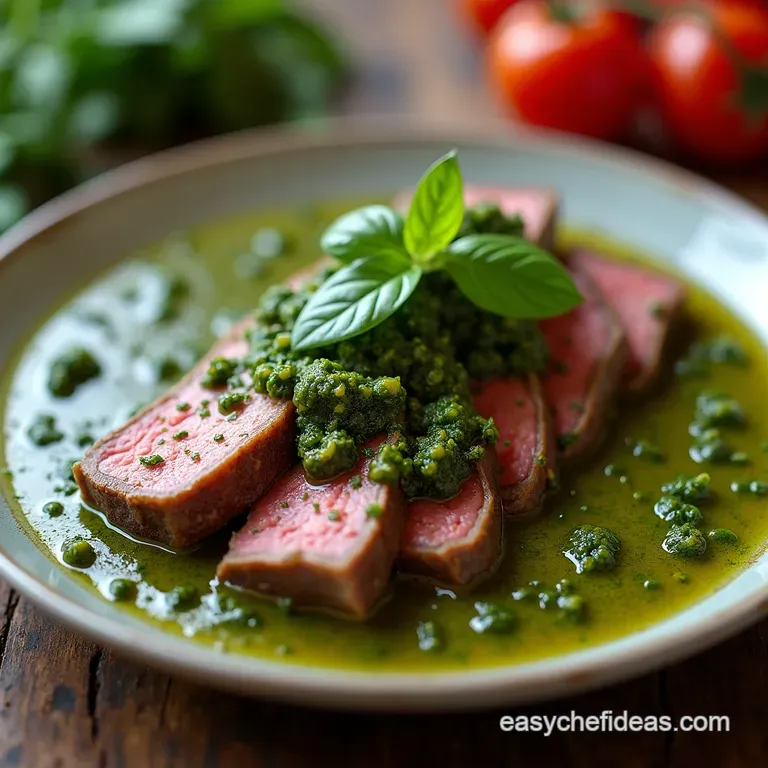
- The Ultimate Herb Powerhouse: Authentic Argentinian Chimichurri Sauce
- Why This Recipe Triumphs Over Store-Bought Spreads
- Assembling the Fresh Components for Peak Flavor
- The Core Elements That Define Quality Traditional Chimichurri Sauce
- Crafting the Perfect Consistency: Step-by-Step Assembly
- The Crucial Resting Period for Maximum Infusion
- Expert Techniques for Flavor Mastery and Longevity
- Recipe FAQs
- 📝 Recipe Card
The Ultimate Herb Powerhouse: Authentic Argentinian Chimichurri Sauce
Move over pesto, there’s a new green sauce in town! Chimichurri is the quintessential uncooked South American condiment, famed for its bright, herbaceous profile, sharp tang from red wine vinegar, and a welcome kick of garlic and chilli flake.
Traditionally served over grilled steak ( bife ), this versatile sauce cuts through richness beautifully, offering freshness that tastes like summer sunshine bottled in a jar.
This Traditional Chimichurri Sauce recipe is straightforward, taking only about 15 minutes of active preparation time, but the quality of your ingredients truly dictates the final result.
We are aiming for a robust, zesty texture that sings alongside perfectly charred meat.
Why This Recipe Triumphs Over store-bought Spreads
The difference between a homemade batch and something scooped from a plastic tub is night and day. Commercial versions often rely on stabilizers and excess oil to maintain shelf life, resulting in a dull, muted flavour.
Our Authentic Chimichurri Sauce Recipe focuses on maximising the punch of fresh herbs and high-quality acid, ensuring every spoonful delivers that vibrant Southern Cone character.
Unlocking the Secret Zest of South American Grilling
The heart of great South American grilling, or asado , isn't just the fire; it's the accompaniment that cuts through the smokiness and richness of the beef. This Zesty Chimichurri Sauce acts as the ultimate palate cleanser.
It’s uncooked, meaning the volatile, bright essential oils in the herbs remain intact, providing an immediate burst of freshness that complements the deep, savoury notes of grilled protein.
A Necessary Condiment: Defining the True Chimichurri Experience
What truly defines a Traditional Chimichurri Recipe is its texture. It should never be a smooth puree. We seek a rustic, slightly chunky consistency where you can discern the individual flecks of parsley, oregano, and garlic.
This texture allows the sauce to cling beautifully to the meat without becoming heavy or overly coating. This commitment to texture is what separates a mere herb dressing from a truly Classic Chimichurri Sauce .
Beyond the Steak: Where This Sauce Shines Brightest
While undeniably the perfect Chimichurri Sauce for Steak , limiting this vibrant creation to beef misses its full potential. Its clean acidity makes it an excellent counterpoint to almost any hearty dish.
Whether you are looking for a punchy topping for Chimichurri Sauce for Chicken , or a vibrant drizzle over grilled halloumi or roasted potatoes, this sauce elevates simple ingredients instantly.
Assembling the Fresh Components for Peak Flavor
To achieve this incredible freshness, we need to gather our core components. This Easy Chimichurri Recipe relies heavily on raw materials, so quality matters immensely.
We will use two packed cups of fresh flat leaf parsley, roughly 1/4 cup of fresh oregano leaves remember, fresh oregano is far more potent and flavourful than dried here and four large cloves of pungent garlic.
For the liquid base, we rely on 1/3 cup of good quality red wine vinegar and a full 1/2 cup of fruity extra virgin olive oil. To provide depth, we incorporate 1 teaspoon of red pepper flakes and a background note of 1/2 teaspoon of dried ground cumin, along with salt and pepper to taste.
Related Recipes Worth Trying
- The Bright Bold Cilantro Chimichurri Recipe Steak Chicken Topper — Tired of boring sauces This easy Cilantro Chimichurri recipe brings a fiery fresh South American kick perfect for all your grilled meat recipes this summer
- The Best Easy Argentinian Chimichurri Sauce Recipe 15 Mins — Ditch the bland jarred stuff This fresh Chimichurri Sauce recipe delivers vibrant garlicky flavour perfect for steak or vegetables Try this easy Argentinian...
- The Best Homemade Hot Fudge Sauce Recipe Ready in 17 Mins — Ditch the jar This truly easy Hot Fudge Recipe makes a velvety decadent chocolate fudge sauce thats perfect for ice cream sundaes Get the foolproof steps
The Core Elements That Define Quality Traditional Chimichurri Sauce
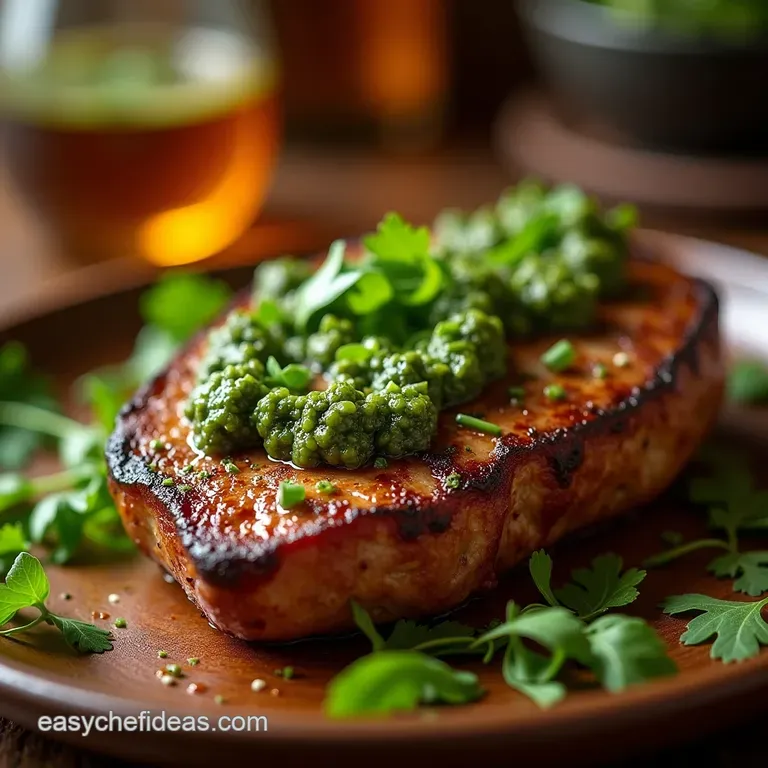
The best Argentinian Chimichurri balances the aggressive notes of acid and garlic with the refreshing bulk of the herbs. Mastering the preparation of these components is the secret to success in this Chimichurri Sauce Recipe Easy .
Parsley Perfection: Choosing and Prepping Your Herbs
Start with flat leaf (Italian) parsley, avoiding the curly variety which holds too much water and offers less flavour intensity. The goal is to use only the leaves, stripping them carefully from the thick stems.
Before chopping, ensure the leaves are perfectly dry; excess moisture dilutes the final flavour profile significantly.
Vinegar Volume: Achieving Acid Balance Without Overpowering
The red wine vinegar is crucial for that signature tang, but too much will make the sauce harsh. The ratio here 1/3 cup vinegar to 1/2 cup oil is designed to let the herbs shine while providing sufficient brightness.
If your herbs are particularly watery, you might marginally reduce the vinegar next time, but never eliminate it, as the acid helps "cook" the garlic slightly during the resting phase.
Essential Tools: From Knife Skills to Mixing Vessels
For the most authentic texture, your primary tool should be a very sharp chef’s knife and a sturdy cutting board. While a food processor is faster, it often bruises the parsley, resulting in a less vibrant green colour.
If you opt for the processor, use the pulse function sparingly we want finely chopped pieces, not a smooth paste. A simple mixing bowl and a sturdy spoon will suffice for the final assembly.
Crafting the Perfect Consistency: step-by-step Assembly
Creating this sauce is an act of layering flavours, starting with the aromatics. First, take your finely minced parsley, oregano, and garlic and place them together in your chosen mixing bowl. Add the dry elements next: the red pepper flakes, ground cumin, coarse sea salt, and freshly ground black pepper.
Stir these dry ingredients together thoroughly so the salt and spices are evenly distributed throughout the herbs and garlic.
Next, introduce the acid component. Pour in the 1/3 cup of red wine vinegar and stir. Allow this herb and-vinegar mixture to sit for about five minutes. This brief soak helps soften the garlic slightly and begins the flavour infusion process before the oil is added. Finally, the oil is incorporated.
Drizzle in the 1/2 cup of extra virgin olive oil slowly while continuously stirring. Traditional chimichurri is not a true emulsion; it should remain slightly separated, rustic, and pourable.
Finely Mincing vs. Pulsing: Texture Control Explained
Achieving the perfect texture is the defining feature of a quality sauce. If you are hand chopping, take your time until the parsley is very fine but still retains its shape. If using a food processor, pulse in very short bursts no more than five or six times total stopping frequently to scrape down the sides.
You want visible pieces of herb, not a homogenous green sludge.
Incorporating the Oil: Slow Drizzle for Emulsion
The addition of olive oil should always be done gradually while stirring vigorously. Even though this sauce doesn't fully emulsify like a mayonnaise, the slow drizzle helps the oil coat the herbs and garlic better, ensuring the final product isn't just a layer of oil floating on top of vinegar and herbs.
The Crucial Resting Period for Maximum Infusion
This step separates the amateur attempt from the truly exceptional Traditional Chimichurri Sauce . While you can eat it immediately, you absolutely should not if you want maximum flavour impact.
The Marination Window: Letting the Flavors Marry Overnight
The raw garlic needs time to mellow and infuse the oil and vinegar base, and the herbs need to release their essential oils into the liquid. Aim for a minimum rest of 30 minutes at room temperature, which is enough time for a quick lunch pairing.
However, for the absolute best results the kind that makes people ask for your Traditional Chimichurri Recipe —let it rest, covered, for at least two hours, or even gently in the refrigerator overnight.
The flavour deepens, the sharpness of the vinegar integrates, and the result is a far more complex and satisfying sauce.
Expert Techniques for Flavor Mastery and Longevity
Mastering this Classic Chimichurri Sauce involves understanding how to manage its intensity and how to keep it bright.
Troubleshooting: How to Adjust Thin or Overly Sharp Batches
If your sauce seems too thin (usually due to overly wet herbs or too much vinegar), you can incorporate an extra tablespoon of oil and whisk hard to bind it slightly, or simply let it rest longer; sometimes the herbs will hydrate and thicken the mixture over time.
If the sauce is too sharp or acidic right after mixing, add a tiny pinch of sugar (just a few grains) or a touch more oil to balance the tartness before letting it rest.
Preserving the Brightness: Storing Your Traditional Chimichurri Sauce Safely
This sauce keeps remarkably well due to the high acid content of the vinegar. Store any leftovers in an airtight glass jar in the refrigerator for up to two weeks. The flavour will slightly deepen over this time. If you notice the colour dulling, give it a fresh splash of red wine vinegar before serving.
Flavor Variations: Incorporating Oregano and Red Pepper Flakes
While our base recipe uses minimal cumin for background complexity, feel free to play. If you enjoy heat, increase the red pepper flakes or add a finely minced fresh jalapeño for a more immediate burn.
Some regional variations call for a higher proportion of dried oregano, which provides an earthier, warmer note compared to the bright freshness of the parsley dominant version we have perfected here.
Pairing Perfection: What Meats (and Non-Meats) Demand This Sauce
This vibrant sauce is phenomenal over skirt steak or entraña (hanger steak). However, do not overlook its versatility. It’s incredible brushed onto pork chops, spooned over grilled shrimp, or even used as a marinade base for firm white fish.
For a vegetarian option, serve this Chimichurri Sauce for Chicken replacement over roasted cauliflower steaks or large Portobello mushrooms the acidity perfectly balances the char.
Recipe FAQs
Can I make this Traditional Chimichurri Sauce ahead of time, and how long will it last in the fridge?
Absolutely! In fact, letting it rest for a few hours is highly recommended for the flavours to properly marry. Store your finished chimichurri in an airtight container in the fridge for up to two weeks.
Just remember that the olive oil might firm up a bit when chilled, so let it sit on the counter for 20 minutes before serving to bring those lovely herbs back to life.
My chimichurri looks a bit watery; did I mess up the proportions or miss a step?
It happens to the best of us, usually if the herbs weren't dried properly after washing excess water is the enemy here! Traditional chimichurri should be rustic and oil-heavy, but not thin like dressing.
If it’s too watery, try stirring in an extra half teaspoon of minced garlic and letting it sit longer, or add a touch more salt to help draw out any excess moisture from the herbs.
What's the secret to getting the right texture should I use a food processor?
For the most authentic, punchy flavour and texture, skip the food processor and use a very sharp knife to hand chop everything as finely as you can. A processor tends to 'bruise' the parsley, which can dull the bright green colour and make the sauce taste slightly bitter.
We're aiming for texture, not a smooth paste, so keep those ingredients chunky!
I don't have fresh oregano; can I use dried in this Traditional Chimichurri Sauce?
While fresh is always king for this recipe, you can substitute dried oregano in a pinch just remember that dried herbs are much more potent. Use about one-third of the fresh amount listed (around 1.5 teaspoons of dried oregano).
Since dried herbs don't release as much oil, you might want to let the sauce rest for an extra hour to ensure the flavour really infuses into the vinegar and oil base.
What is the best use for chimichurri besides pouring it over steak?
Oh, it’s brilliant beyond the asado! Think of it as an all-purpose flavour bomb. It’s fantastic drizzled over roasted potatoes or sweet potato wedges, mixed into mayonnaise for an instant gourmet sandwich spread, or spooned over grilled halloumi cheese.
It really perks up anything that needs a zing, cutting through fat like a hot knife through butter!
Classic Chimichurri Sauce
Ingredients:
Instructions:
Nutrition Facts:
| Calories | 2720 kcal |
|---|---|
| Protein | 20.3 g |
| Fat | 17.2 g |
| Carbs | 242.8 g |
| Fiber | 144.9 g |
| Sodium | 42061 mg |
