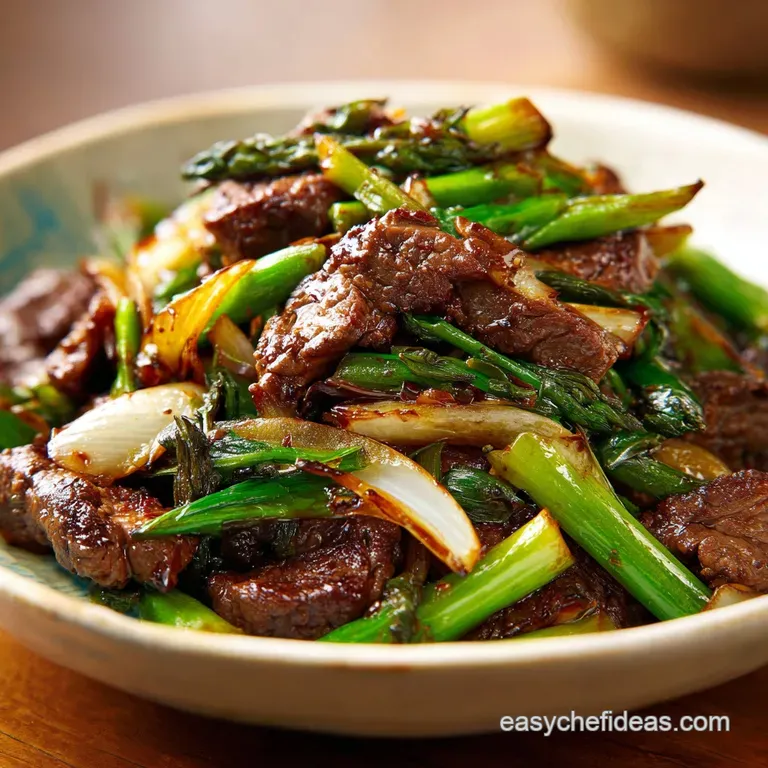
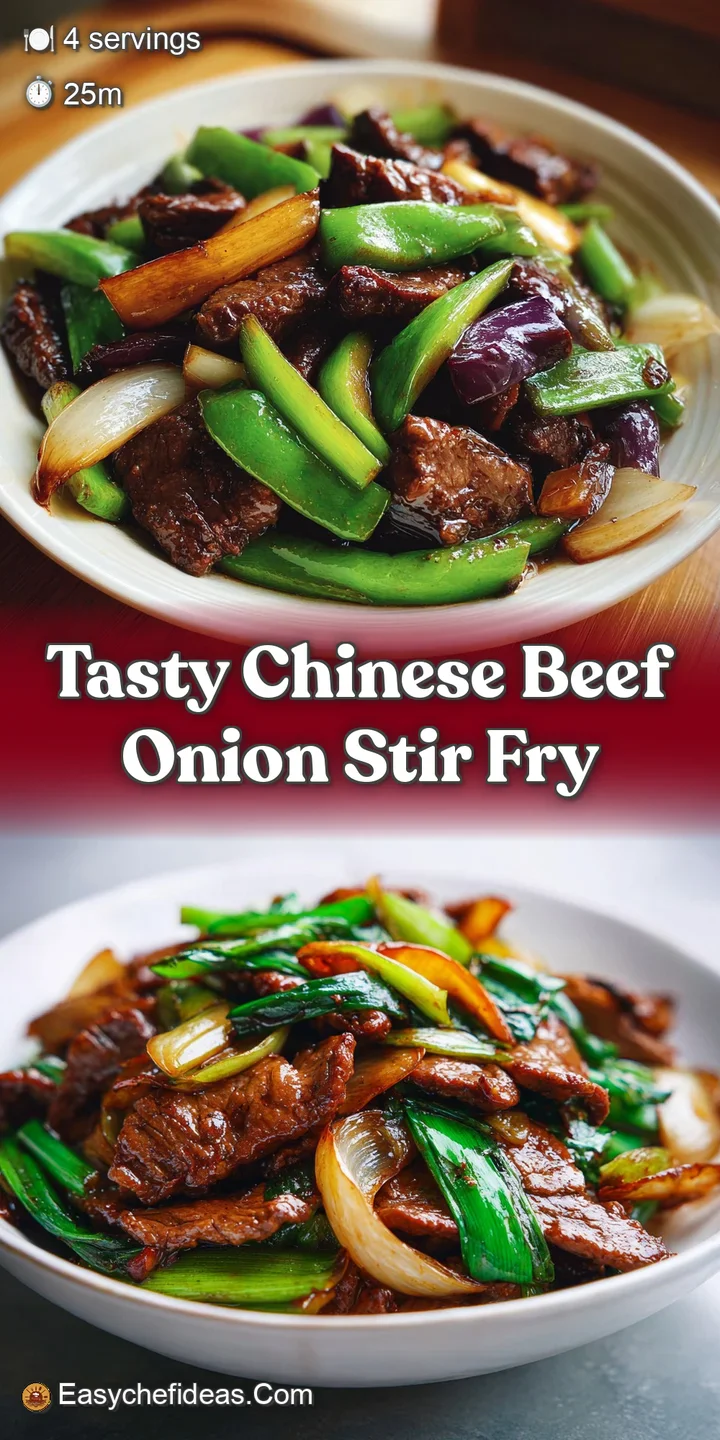
Tasty Chinese Beef Onion Stir Fry: Silky & Snappy
- Time: Active 15 minutes, Passive 10 minutes, Total 25 minutes
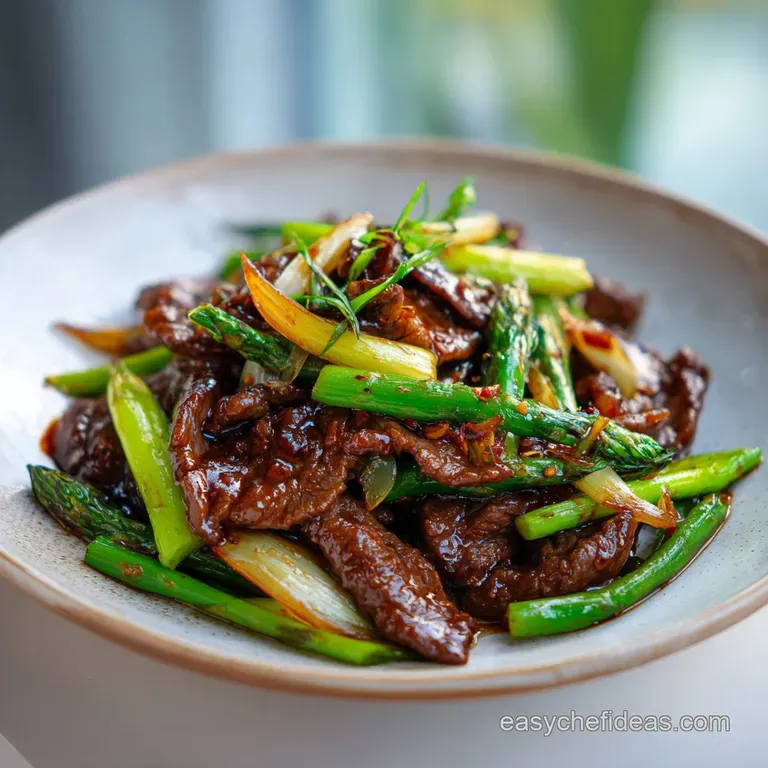
- Flavor/Texture Hook: Silky, tender beef paired with snappy, charred yellow onions
- Perfect for: A high protein weeknight dinner that feels like a weekend treat
- Experience the Soul of a Tasty Chinese Beef Onion Stir Fry
- Deciphering the Culinary Magic Behind This Sizzling Classic
- Handpicking the Elements for a Harmonious Umami Balance
- Equipping Your Kitchen for High Heat Cooking Success
- Mastering the Choreography from Prep to the Final Sizzle
- Navigating the Challenges of High Heat Wok Cooking
- Troubleshooting Common Issues
- Adapting the Flavor Profile to Suit Your Unique Palate
- Preserving the Integrity of Your Homemade Cantonese Feast
- Elevating the Visual Appeal for a Truly Immersive Meal
- High in Sodium
- Recipe FAQs
- 📝 Recipe Card
Experience the Soul of a Tasty Chinese Beef Onion Stir Fry
The first time I really heard a wok breathe, I was standing in a tiny kitchen in San Francisco’s Chinatown. It wasn't just a sizzle; it was a rhythmic, aggressive roar that smelled like toasted sugar and singed garlic.
The chef moved with a grace that made the heavy iron pan look weightless, and when he slid a plate of beef and onions in front of me, the aroma was so intense it felt like a physical hug.
That specific scent a mix of dark soy, charred alliums, and nutty sesame is what I’ve spent years trying to replicate in my own kitchen.
We've all had those stir fries that end up more like a soggy stew than a crisp, vibrant meal. I’ve made the mistake of overcrowding the pan more times than I’d like to admit, resulting in grey, boiled beef instead of those beautiful browned edges.
But through trial and error, I learned that the secret isn't just in the heat; it's in the preparation of the beef itself. This recipe is my love letter to those bustling kitchens, designed to give you that same "wok hei" or "breath of the wok" flavor using a standard stovetop.
What we are making here is a balanced, nutrient dense meal that celebrates the diversity of Chinese flavors. It’s about more than just filling a plate; it’s about the community that forms when you share a hot, fragrant meal. You’ll notice we use two types of onions and a specific marinating technique.
These aren't just extra steps they are the building blocks of a dish that nourishes both your body and your curiosity about global flavors.
Deciphering the Culinary Magic Behind This Sizzling Classic
The Alkaline Softener: Baking soda raises the pH level on the surface of the meat, which physically prevents the proteins from bonding too tightly when they hit the heat. This results in a velvety, tender texture that mimics the most expensive cuts of steak even when using leaner, tougher flank.
Starch Suspension: Cornstarch creates a thin, protective barrier around the beef fibers, which locks in internal juices while providing a microscopic "crust" for the sauce to cling to. This ensures the beef stays succulent rather than drying out during the over high heat searing process.
The Allium Maillard Effect: Onions contain high levels of natural sugars that, when subjected to intense heat, undergo complex chemical changes. This creates the deep brown color and savory sweet aroma that defines the backbone of the stir fry's flavor profile.
| Meat Thickness | Internal Temp | Rest Time | Visual Cue |
|---|---|---|---|
| 1/8 inch strips | 145°F | 2 minutes | No visible pink in the center |
| 1/4 inch strips | 150°F | 3 minutes | Edges start to curl and darken |
| 1/2 inch strips | 155°F | 5 minutes | Surface is deeply browned and glossy |
Achieving the right texture depends heavily on how you handle the heat and the timing of your ingredients. Much like the precision needed for a Pepper Steak recipe, the goal here is to sear the exterior of the beef quickly to preserve the tender interior.
Handpicking the Elements for a Harmonious Umami Balance
Component Analysis
| Ingredient | Science Role | Pro Secret |
|---|---|---|
| Flank Steak | Primary Protein | Slice against the grain to break up tough fibers for maximum tenderness |
| Baking Soda | pH Modifier | A tiny amount goes a long way; too much will leave a metallic aftertaste |
| Oyster Sauce | Umami Base | Provides the glossy sheen and savory depth that bridges the beef and onions |
| Shaoxing Wine | Aroma Catalyst | The alcohol burns off, leaving behind a subtle, vinegary sweetness that cuts through the fat |
To get the best results, you'll need the following quantities as specified in our kitchen tests. These ingredients work in tandem to create a sauce that is thick enough to coat a spoon but light enough to not feel heavy on the palate.
- 1 lb flank steak: Thinly sliced against the grain. Why this? It has a deep beefy flavor that stands up to strong aromatics.
- 1 tbsp light soy sauce: Adds salt and subtle soy notes without darkening the meat too much.
- 1 tsp cornstarch: The key to that "velvet" coating.
- 1/4 tsp baking soda: Our secret weapon for breaking down tough protein bonds.
- 1 tsp toasted sesame oil: Provides a nutty aroma that lingers.
- 3 tbsp oyster sauce: The heavy lifter for the sauce's body and flavor.
- 1 tbsp dark soy sauce: Primarily for that deep, mahogany color.
- 1 tbsp Shaoxing wine: Adds complexity; dry sherry is a great backup.
- 1 tsp sugar: Balances the salt and aids in the caramelization of the onions.
- 1/2 tsp ground white pepper: Provides a floral, sharp heat that's distinct from black pepper.
- 1/2 cup low sodium beef broth: The liquid base for our glossy sauce.
- 2 large yellow onions: Cut into 1 inch wedges. Why this? Yellow onions have the highest sugar content for caramelizing.
- 3 cloves garlic: Minced finely.
- 1 tbsp fresh ginger: Grated.
- 3 stalks green onions: Cut into 2 inch segments for freshness.
- 3 tbsp neutral oil: Like canola or grapeseed, which have high smoke points.
Equipping Your Kitchen for High Heat Cooking Success
While a traditional carbon steel wok is the gold standard for this dish because of its ability to retain and distribute heat, don't let the lack of one stop you. A large cast iron skillet or a heavy bottomed stainless steel pan will also do the trick.
The most important thing is surface area; you want the beef to have enough room to sear rather than steam.
You'll also need a sharp chef's knife. Slicing the flank steak into consistent 1/8 inch strips is much easier if your blade is honed. If you find the meat too slippery, try popping it in the freezer for about 20 minutes before you start.
This firms up the fat and muscle, allowing you to get those paper thin, restaurant style slices that cook in seconds.
Finally,, have all your bowls ready. Stir frying is a fast paced dance. Once the heat is on, you won't have time to mince garlic or measure out oyster sauce. This "mise en place" (everything in its place) approach is the difference between a relaxing cooking experience and a frantic one.
Chef's Tip: If using a stainless steel pan, wait until the oil "shimmers" and a tiny drop of water flicked onto the surface dances and evaporates instantly. This prevents the cornstarch coated beef from sticking to the bottom.
Mastering the Choreography from Prep to the Final Sizzle
- Prepare the beef. Combine the 1 lb sliced flank steak with light soy sauce, cornstarch, baking soda, and sesame oil. Note: This creates the "velvet" coating that keeps the meat tender.
- Whisk the sauce. In a small bowl, mix the oyster sauce, dark soy sauce, Shaoxing wine, sugar, white pepper, and beef broth.
- Heat the pan. Set your wok or skillet over high heat and add 1 tbsp of neutral oil until it barely starts to smoke.
- Sear the beef. Add the beef in a single layer and let it sit for 1 minute until a dark, savory crust forms.
- Flip and finish. Stir the beef for another 2 minutes until the pink disappears, then remove it from the pan and set aside.
- Sauté the aromatics. Add another tbsp of oil and toss in the yellow onions. Cook for 3 minutes until the edges are charred but the centers remain snappy.
- Add the flavor. Push the onions to the side and add the garlic and ginger. Stir for 30 seconds until the sharp scent of ginger fills the kitchen.
- Combine the dish. Return the beef to the pan and pour in the sauce mixture.
- Thicken the sauce. Toss everything together for 1-2 minutes until the sauce bubbles and turns into a thick, glossy glaze.
- Final garnish. Throw in the green onion segments and give it one last toss until the greens wilt slightly and turn vibrant.
| Cooking Method | Time | Texture | Best For |
|---|---|---|---|
| Traditional Wok | 8 minutes | Maximum char and smoky flavor | Experienced cooks with high output burners |
| Cast Iron Skillet | 12 minutes | Even browning and consistent heat | Home cooks looking for reliable results |
| Non Stick Pan | 15 minutes | Softer texture with less oil needed | Beginners or those prioritizing easy cleanup |
The timing of this dish is crucial. Just like when preparing a Beef Lo Mein recipe, the goal is to keep the heat high enough so that the sauce reduces quickly without overcooking the meat. You want the beef to be velvety and the onions to still have a bit of their structural integrity.
Navigating the Challenges of High Heat Wok Cooking
Troubleshooting Common Issues
| Issue | Solution |
|---|---|
| Beef tough and chewy | If the beef feels like rubber, it’s usually because it was sliced with the grain or the pan wasn't hot enough. Slicing with the grain means you're leaving long protein fibers intact, which are hard fo |
| Why did the sauce turn into a thick glob | The cornstarch in the marinade and the heat of the pan act as thickeners. If the sauce becomes too thick too quickly, it’s likely that the liquid evaporated too fast or there was too much cornstarch o |
| Get that "Smoky" restaurant flavor | True "wok hei" requires a specialized high BTU burner that most home kitchens don't have. However, you can cheat this by letting the onions sit undisturbed in the hot pan for an extra 30 seconds to ge |
Adapting the Flavor Profile to Suit Your Unique Palate
If you're cooking for a smaller household, you can easily halve this recipe. When scaling down, use a smaller pan to ensure the sauce doesn't evaporate instantly. If you're doubling the recipe for a larger gathering, the most important rule is to work in batches.
If you try to cook 2 lbs of beef at once, you will lose all your heat, and the meat will steam.
How can I make this gluten-free?
To make a gluten-free version, swap the soy sauces for Tamari and ensure your oyster sauce is specifically labeled gluten-free (some brands use wheat flour as a thickener). For the Shaoxing wine, a dry sherry or even a splash of apple cider vinegar works well as a substitute.
Can I make this a Spicy Beef and Onion Stir Fry?
Absolutely. While the white pepper provides a mild, back of-the throat heat, you can add 1 tablespoon of chili garlic sauce or 1 teaspoon of red pepper flakes to the sauce mixture if you want a more aggressive kick.
| Original Ingredient | Substitute | Why It Works |
|---|---|---|
| Shaoxing Wine | Dry Sherry | Similar alcohol content and acidic profile |
| Flank Steak | Sirloin Tip | Lean and tender, though slightly less beefy flavor |
| Oyster Sauce | Hoisin Sauce | Provides thickness and sweetness. Note: Lacks the salty brine of oyster sauce |
Preserving the Integrity of Your Homemade Cantonese Feast
This stir fry is best enjoyed immediately while the onions are still crisp and the beef is piping hot. However, if you have leftovers, they store remarkably well. Put them in an airtight container in the fridge for up to 4 days.
The flavors actually deepen as the onions continue to melc with the sauce, though they will lose their snappy texture.
To reheat, avoid the microwave if possible, as it tends to make the beef rubbery. Instead, flash fry the leftovers in a hot pan with a tablespoon of water for about 2 minutes. This restores the silkiness of the sauce and warms the meat through without overcooking it.
Zero Waste Tip: Don't throw away those green onion roots! You can place them in a small jar of water on your windowsill, and they will regrow in about a week. Also, any leftover onion scraps or ginger peels can be frozen and used later to make a rich, aromatic beef or vegetable broth.
Elevating the Visual Appeal for a Truly Immersive Meal
Presentation is a huge part of the dining experience, especially in a dish that is as mahogany rich as this one. Serve the stir fry in a shallow bowl to show off the glossy sauce. The contrast between the dark beef and the bright white of steamed jasmine rice is classic.
If you want to get fancy, sprinkle a few fresh sesame seeds over the top right before serving.
The aroma of the toasted sesame oil and the sharp ginger should hit your guests before they even see the plate. I like to serve this alongside a simple side of blanched bok choy or gai lan (Chinese broccoli) to add some vibrant green to the table and provide a fresh, crunchy counterpoint to the savory, velvety beef.
Myths About Stir Frying
Myth: You need a professional wok burner to make good stir fry. Truth: While high heat helps, you can achieve incredible results in a cast iron skillet by cooking in batches and allowing the pan to preheat thoroughly.
Myth: Marinating for hours makes the beef more tender. Truth: Because we use baking soda, a 15 minute marinade is more than enough. If you leave it for too long, the texture can become mushy rather than velvety.
Myth: Stir frying is always unhealthy because of the oil. Truth: Because the cooking time is so fast, the ingredients actually absorb very little oil. It’s a over high heat sear, not a deep fry, making it a relatively lean way to enjoy protein and vegetables.
High in Sodium
945 mg mg of sodium per serving (41% % of daily value)
American Heart Association recommendation about 2,300mg limit
Tips to Reduce Sodium
-
Low-Sodium Broth-30%
Substitute the regular beef broth with a low-sodium or sodium free version. This can significantly cut down on the sodium content of the dish.
-
Reduce Oyster Sauce-20%
Oyster sauce is a significant source of sodium. Reduce the amount by half (1.5 tbsp) or use a low-sodium alternative, or try a mixture of mushroom and soy sauce.
-
Light Soy Swap-20%
Even light soy sauce contains sodium. Reduce the amount further by using half the amount of low-sodium soy sauce or coconut aminos for the marinade.
-
Dark Soy Moderation-15%
Dark soy sauce has higher sodium levels than other varieties. Reduce the quantity to half a tablespoon, or omit it entirely for a smaller color difference.
-
Flavor with Herbs & Spices
Enhance the flavor of the dish with fresh herbs and spices like black pepper, garlic powder, onion powder, or red pepper flakes instead of relying on salt. These add flavor without adding sodium.
Recipe FAQs
What is the secret to making the beef unbelievably tender?
Use baking soda. Applying a small amount of baking soda to the marinade raises the pH, which physically prevents the muscle proteins from seizing up when they hit high heat.
How to slice the flank steak correctly for stir fry?
Slice thinly against the grain. If the meat is too pliable, place it in the freezer for 20 minutes to firm up before slicing into 1/8 inch strips.
Do I need a traditional wok for this recipe to succeed?
No, a heavy skillet works fine. A large cast iron or heavy bottomed stainless steel pan will hold heat well enough if you cook the beef in single layers.
How long should I marinate the beef after adding the baking soda?
Marinate for exactly 15 minutes. Because the baking soda is so effective, leaving it on longer than 15 minutes can result in an overly soft or slightly mushy texture.
How to avoid overcrowding the pan during the sear?
Cook the beef in multiple small batches. Ensure each batch sits undisturbed for about one minute to achieve a proper sear before stirring, similar to the technique needed for our Broccoli Beef Recipe.
Is it true that brown sugar is a necessary ingredient in the sauce?
No, but it is highly recommended for color. The sugar balances the saltiness of the soy and oyster sauces while helping the onions caramelize beautifully during the high heat toss.
How can I substitute the Shaoxing wine if I don't have any?
Substitute with dry sherry or dry vermouth. These alternatives provide a similar subtle, acidic complexity needed to cut through the savory depth of the oyster sauce.
Chinese Beef Onion Stir Fry
Ingredients:
Instructions:
Nutrition Facts:
| Calories | 384 kcal |
|---|---|
| Protein | 32.1 g |
| Fat | 21.2 g |
| Carbs | 15.8 g |
| Fiber | 2.1 g |
| Sugar | 6.4 g |
| Sodium | 945 mg |
