Spaghetti with Sauteed Chicken and Grape Tomatoes: Weeknight Meal
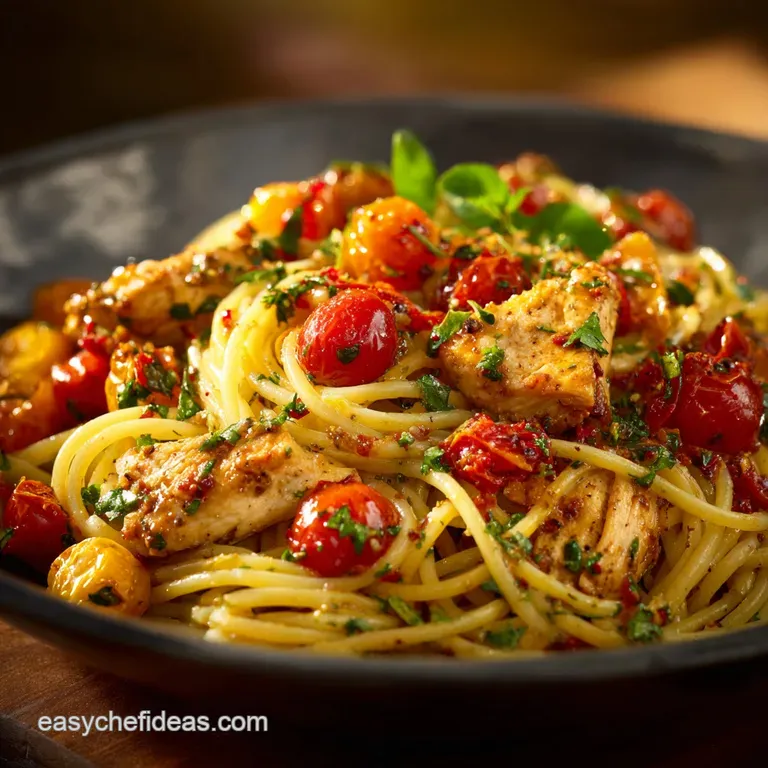
- Chicken and Burst Tomato Spaghetti: Maximum Flavor, Minimum Fuss
- The Culinary Magic Behind This 30 Minute Italian Dish
- Essential Pantry List and Pro Ingredient Notes
- Sauteing and Simmering: Step-by-Step Guide to Making the Perfect Spaghetti
- Mastering the Sauce: Chef Tips and Troubleshooting Common Errors
- Prep Ahead, Store Later: Keeping Your Chicken and Tomato Pasta Fresh
- What to Serve Alongside Your Vibrant Spaghetti Dish
- Recipe FAQs
- 📝 Recipe Card
Chicken and Burst Tomato Spaghetti: Maximum Flavor, Minimum Fuss
Picture this: the kitchen smells intensely of sizzling garlic and sweet, sunny basil. That rich aroma is quickly followed by the sight of bright red, plump grape tomatoes popping open right in the pan, instantly creating a vibrant, rustic sauce.
Forget heavy cream or hours of simmering; this dish is pure, concentrated Italian summer flavor, and the texture is just lovely.
This "Spaghetti with Sauteed Chicken and Grape Tomatoes" is my absolute weeknight lifesaver. It’s light, it’s fast, and it only requires about 30 minutes of real hands-on cooking time, which is exactly what I need after a long day.
Plus, it uses fresh, cheap ingredients that you probably already have lurking in the pantry. It delivers a massive flavor payoff for such minimal effort.
If you’ve ever tried making a simple tomato sauce and found it lacking oomph , this recipe is your solution. We’re going to layer flavors perfectly, from searing the chicken to building the sauce using that crucial, starchy pasta water.
Let's get cracking and make a killer bowl of "Sauteed Chicken Pasta."
The Culinary Magic Behind This 30 Minute Italian Dish
This isn't just throwing things in a pot; there is a method to the madness that ensures a restaurant quality meal. If you understand these three critical techniques, you will always nail this "Easy Chicken Spaghetti Recipe."
Why This Dish Is Your New Weeknight Staple
It boils down to efficiency and balance. We’re cooking the chicken and the sauce simultaneously with the pasta water boiling, cutting down the total time dramatically. The acidity of the tomatoes and lemon juice perfectly balances the savory richness from the seared chicken and Parmesan cheese.
This whole meal is done before you’d finish ordering takeout. That’s how we handle "Weeknight Chicken Pasta."
The Power of Burst Tomatoes in Quick Sauces
This is the secret weapon of any great "Grape Tomato Pasta Recipe." When you heat whole grape tomatoes, they don't just soften they literally burst, releasing a potent shot of sweet, concentrated juice. This juice, coupled with olive oil and garlic, immediately forms a rustic, fragrant sauce base.
It’s far quicker and fresher tasting than using canned tomatoes, trust me.
The Importance of the Lemon Garlic Finish
Garlic provides the crucial aromatic depth, but it must be sautéed carefully to avoid bitterness. The lemon juice, added right at the end, is non-negotiable. It brightens the entire dish, cutting through the starchiness and richness, making the whole meal feel light and zesty.
Achieving Perfect Chicken Sauté: The Maillard Reaction
We aren’t just cooking the chicken until it’s white; we are aiming for serious golden brown color on the outside. This browning process the Maillard Reaction builds complexity and depth.
Those browned bits left in the pan (the fond ) are pure flavor gold that we scrape up later when building the sauce.
Creating the Velvety Sauce Texture (Without Cream)
The key to a beautiful, glossy sauce texture is reserved pasta water. That starchy, cloudy water is the emulsifier. When you whisk it vigorously with the melted butter and the tomato juices, it creates a shiny, velvety cloak that clings perfectly to the spaghetti strands. No heavy cream needed!
Why Grape Tomatoes Are Superior to Canned
While canned tomatoes have their place in winter stews, this recipe demands the fresh sweetness of grape tomatoes. They have higher sugar content and thinner skins than many other varieties, allowing them to burst easily and release a less watery, more concentrated flavor.
If you want truly vibrant "Spaghetti Sauce with Grape Tomatoes," skip the can.
Essential Pantry List and Pro Ingredient Notes
The beauty of this dish lies in using high-quality basics. Don’t skimp on the olive oil or the fresh ingredients.
| Ingredient | Substitute/Alternative | Pro Tip |
|---|---|---|
| Spaghetti | Linguine or Fettuccine | Bronze die cut pasta holds the sauce better! |
| Grape Tomatoes | Cherry Tomatoes (halved if large) | Use the reddest, plumpest ones you can find. |
| Fresh Basil | Fresh Parsley or Dried Oregano | Add dried herbs earlier; add fresh herbs later. |
| Dry White Wine | Low-sodium Chicken Stock | The wine deglazes better, but stock works just fine. |
Detailed Notes on Choosing Your Chicken Cut
I prefer boneless, skinless chicken breast here because it cooks quickly and keeps the dish light. Just ensure your cubes are uniform about 1 inch pieces to guarantee even cooking.
If you prefer a richer flavor and a more tender result, you could absolutely use boneless, skinless chicken thighs, which are more forgiving if you cook them a minute too long.
Selecting the Right Pasta Shape (Beyond Spaghetti)
While the recipe calls for spaghetti, almost any long, thin pasta works perfectly. "Linguine with Grape Tomatoes" is fantastic because the flat surface helps scoop up the tiny tomato pieces. Even bucatini, with its hollow center, would be wonderful for trapping the sauce.
Smart Substitutions for the Basil and Garlic
Please, please use fresh garlic. If you must use dried garlic powder, reduce the amount drastically and add it with the oregano. For the basil, if it’s out of season or unavailable, fresh flat leaf parsley is a wonderful substitute, offering a clean, peppery lift.
Nutritional Breakdown of the Sauteed Chicken and Tomato Dish
Because we skip heavy cream and rely solely on olive oil, butter, and pasta water for the sauce base, this is a relatively light meal. You get a fantastic hit of lean protein from the chicken, plus all the antioxidants and vitamins from the fresh tomatoes.
It’s guilt free comfort food, perfect for your mid-week "Chicken Pasta Dinner."
Sauteing and Simmering: step-by-step Guide to Making the Perfect Spaghetti
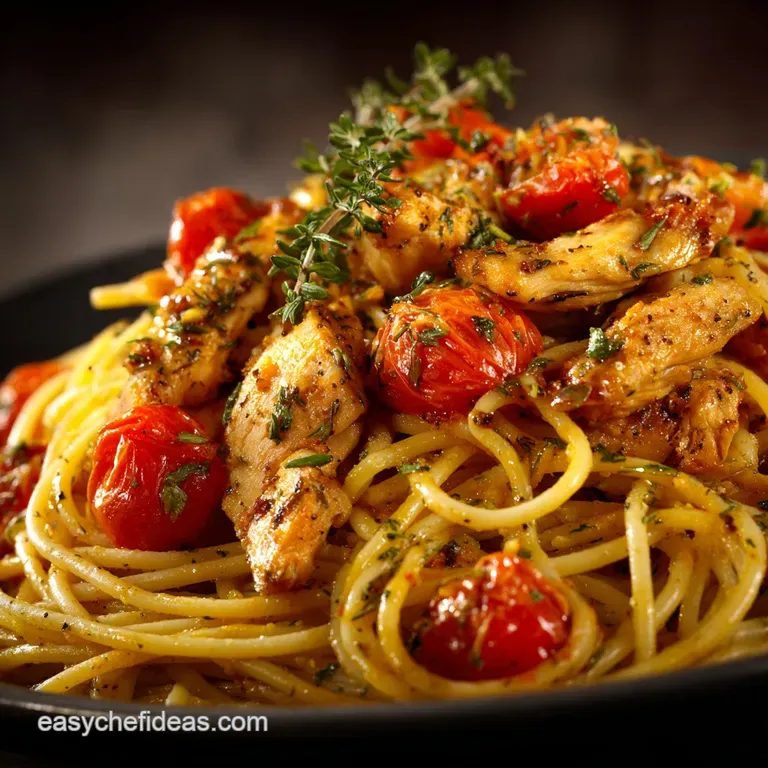
This process is highly efficient. Read through it once, and then tackle the steps; you’ll find that Phase 1 and the pasta cooking can happen simultaneously.
Phase 1: Prepping and Sautéing the Chicken Breast
- Dice your chicken into even 1 inch pieces and season them generously with salt and pepper. I mean generously .
- Heat 2 Tbsp of olive oil in your large skillet over medium high heat until shimmering. Add the chicken in a single layer. Rookie mistake alert: I used to overcrowd the pan, and the chicken would steam instead of sear. Work in batches if necessary!
- Sear for 3– 4 minutes per side until beautifully golden brown and cooked through (165°F internal temp). Remove the chicken to a clean bowl and reserve it. Keep that delicious browned fond in the pan.
Phase 2: Building the Burst Tomato Sauce Base
- Reduce the heat to medium. Add the remaining 3 Tbsp of olive oil, then toss in the minced garlic and oregano. Cook for 30 60 seconds only until fragrant. If the garlic smells acrid or burns, stop and start over! Burnt garlic ruins everything.
- Add the whole grape tomatoes and a small pinch of salt. Cook, stirring, for about 5– 7 minutes. Use the back of a wooden spoon to gently press down on the tomatoes until most have burst open, releasing their sauce.
- Pour in the white wine (or stock) and scrape up all those browned bits from the pan bottom (the fond ). Simmer for 2 minutes to reduce the liquid slightly.
Phase 3: The Crucial Pasta Water Integration
- While the sauce simmers, ensure your spaghetti is cooking in heavily salted water (it should taste like the sea!). Pull the pasta out 1- 2 minutes before it’s fully cooked (it needs to be very al dente ).
- CRITICAL STEP: Before draining, scoop out and reserve at least 1 cup of the cloudy, starchy pasta water.
- Return the seared chicken and any accumulated juices to the skillet. Now, add ½ cup of the reserved pasta water and the 1 Tbsp of butter. Shake the pan and stir vigorously. Watch the sauce transform into a luxurious, slightly thick, glossy emulsion.
Phase 4: Final Toss and Plating
- Add the al dente spaghetti directly into the sauce. Using tongs, toss everything vigorously for 1– 2 minutes, allowing the pasta to absorb the rich sauce and finish cooking. Add more pasta water, a tablespoon at a time, if the sauce seems dry.
- Remove the skillet from the heat. Stir in the freshly grated Parmesan, chopped fresh basil, and that vibrant lemon juice.
- Serve immediately in warm bowls, maybe with a slice of crusty bread. Job done!
Chef's Note: Tossing the pasta in the sauce is non-negotiable. This step fuses the ingredients together, ensuring every single strand of spaghetti is completely coated and flavored.
Mastering the Sauce: Chef Tips and Troubleshooting Common Errors
Even simple dishes can have pitfalls. Here are the issues I used to run into and how to fix them instantly.
Preventing Dry or Rubbery Chicken
The biggest culprit here is uneven cutting and overcrowding the pan, which we addressed above. If your chicken looks dry after searing, immediately transfer it to the bowl. Once you return it to the sauce, make sure that step is brief just enough time for it to warm through, not cook further. If you like quick chicken dishes, you should also check out my recipe for Chicken and Asparagus Lemon Stir Fry: Speedy Weeknight Meal .
The Secret to Properly 'Bursting' Tomatoes
Don't panic if they don't pop instantly. They need medium heat (not blazing high) and a little patience. If you stir too often, they won't sit still long enough to build pressure and burst. Give them a few minutes between stirs, then use firm, gentle pressure with your spatula.
Fixing a Sauce That Tastes Too Acidic
If your tomatoes were particularly tart, or you got a little heavy handed with the lemon, the sauce might taste too sharp. The quick fix? Stir in a tiny pinch (about ¼ teaspoon) of granulated sugar. If that doesn't work, melt in another half tablespoon of butter to mellow the acidity and add richness.
Prep Ahead, Store Later: Keeping Your Chicken and Tomato Pasta Fresh
This dish is best eaten fresh the moment it leaves the skillet. But does it store? Yes, absolutely, with a few caveats.
Optimal Refrigerator Storage Methods
Store leftovers in an airtight container in the refrigerator for 3 to 4 days. Because the spaghetti continues to absorb moisture, it will be much thicker the next day. This is fine, but you’ll need liquid when reheating.
Freezing Cooked Spaghetti: What to Expect
You can freeze this, but be warned: cooked pasta texture deteriorates in the freezer. It becomes mushy or brittle when thawed. If you must freeze, I recommend freezing the chicken and tomato sauce without the pasta.
You can freeze the sauce in a freezer safe container for up to 3 months, then cook fresh pasta when you’re ready to eat.
The Best Way to Reheat Leftovers
Never use the microwave, which dries out the chicken terribly. The best method is stovetop reheating. Place the leftovers in a skillet over low heat and add a splash of water, chicken stock, or even reserved pasta water (if you still have some).
Stir until the sauce is creamy again, about 5 minutes.
What to Serve Alongside Your Vibrant Spaghetti Dish
Since this dish is so bright and flavorful, you don't need heavy sides.
I love a simple, crisp side salad dressed with a very light vinaigrette. Alternatively, for a slightly richer vegetarian dish to round out the table, something like Summer Cavatelli with Corn Tomatoes and Zucchini 40 Minute Fresh Dish provides a nice variety of fresh vegetables. A loaf of warm, crusty bread to sop up the leftover sauce is mandatory.
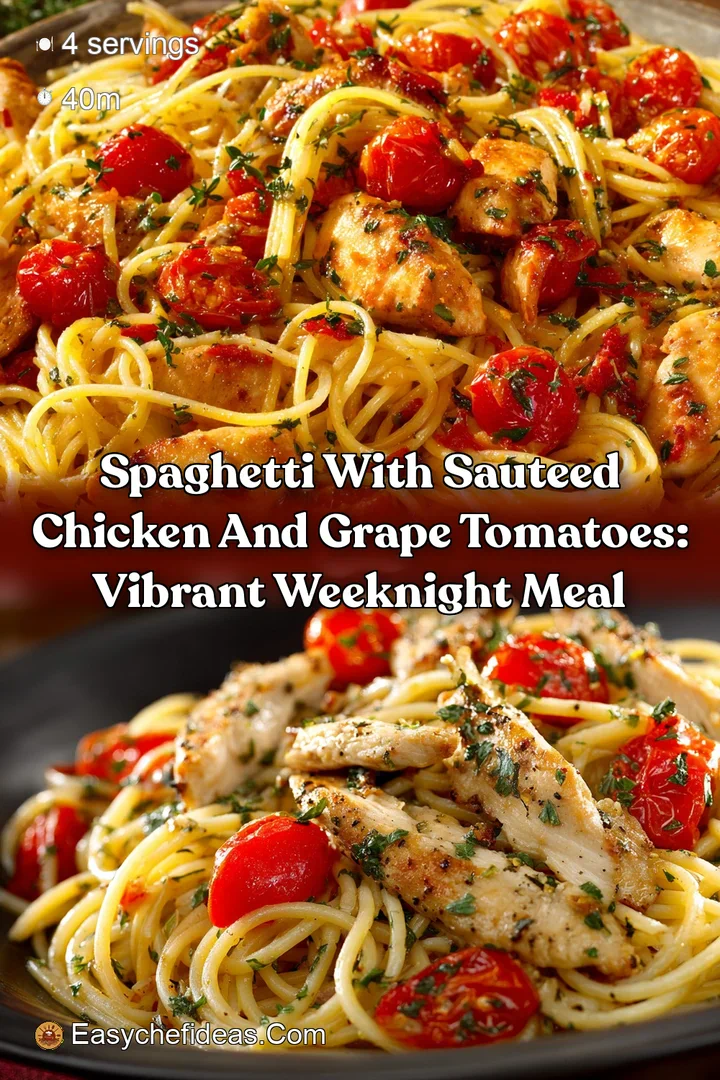
Recipe FAQs
Why did my sautéed chicken turn out dry and tough?
Chicken dries out when it is overcooked or sliced into pieces that are too thin. Ensure your chicken pieces are cut uniformly (about 1 inch thick chunks) and cook them quickly over high heat until they are just opaque in the center.
Remove the chicken from the pan temporarily before building the sauce base to avoid overcooking.
Can I use different types of tomatoes instead of grape tomatoes?
Yes, but the rapid "burst" of sweet grape or cherry tomatoes is key to creating the fast sauce base. If substituting, use very small, high-quality Roma tomatoes diced finely, or high grade canned cherry tomatoes. Avoid large, watery tomatoes, as they will dilute the sauce and prevent proper emulsification.
My sauce looks oily and won't properly cling to the spaghetti. What did I do wrong?
This usually indicates that the sauce failed to emulsify and bind the fat with the water. The crucial step is adding a good half cup of reserved starchy pasta water to the sauce during the final minutes of cooking.
Stirring vigorously helps the starch activate and create a glossy, binding sauce that coats the pasta beautifully.
How can I make this recipe vegetarian or vegan?
To make the dish vegetarian, simply omit the chicken and sauté seasonal vegetables like zucchini, mushrooms, or artichoke hearts until tender. For a vegan version, ensure you are using vegetable broth instead of chicken broth and substitute the finishing Parmesan cheese with a tablespoon of nutritional yeast for a cheesy, savory flavor boost.
What is the best way to store and reheat leftovers?
Store leftovers in an airtight container in the refrigerator for up to 3 days. When reheating, the pasta tends to absorb moisture and become sticky, so always add a small splash of water or broth to the dish before microwaving or heating gently on the stovetop.
This helps rehydrate the starches and restores a creamy texture.
I don't have spaghetti. What other pasta shapes work well?
Long, thin pasta shapes are ideal for this light sauce, so linguine, fettuccine, or bucatini are excellent alternatives. Avoid very small shapes like orzo or large hollow shapes like penne, as they do not capture the small tomato pieces and chicken bits effectively.
The final dish tastes a little bland. How do I enhance the flavor?
Blandness often means the dish is under salted or lacks acidity. Ensure your pasta water is salted generously, and always finish the dish with a final squeeze of fresh lemon juice right before serving.
A pinch of red pepper flakes added with the garlic can also provide a subtle, warming heat that brightens the overall flavor profile.
Chicken Grape Tomato Spaghetti Recipe
Ingredients:
Instructions:
Nutrition Facts:
| Calories | 620 calories |
|---|---|
| Fat | 25 g |
| Fiber | 4 g |
