Basil Oil Achieve the Brightest Emerald Green with This Pro Technique
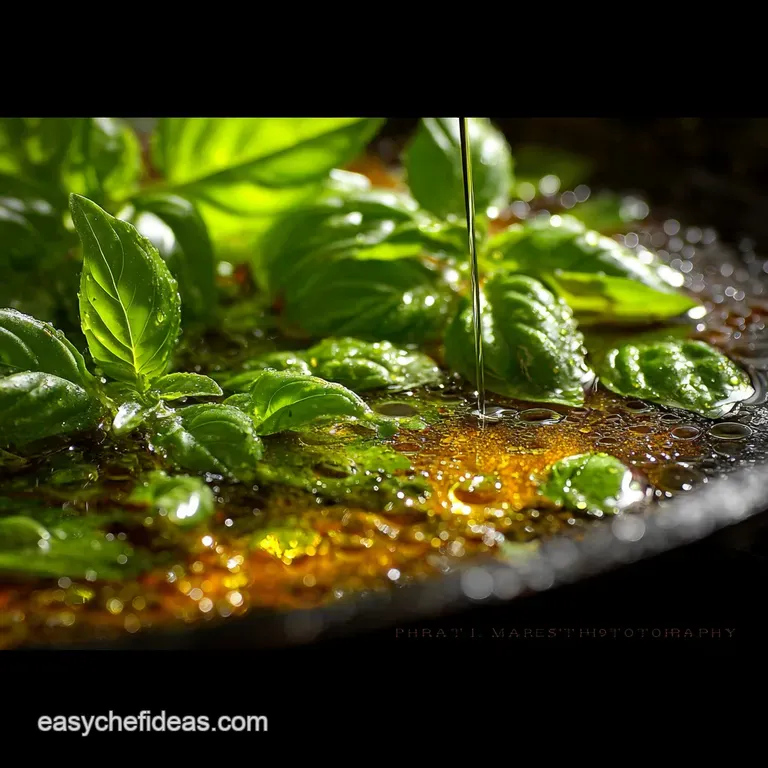
Achieving Culinary Alchemy: Why Blanching Is Non and Negotiable
Remember that time you tried making basil oil just by blending raw leaves with olive oil? Yeah. It started out bright green for maybe ten minutes, then turned this awful, muddy, pond and scum brown by the next morning. I’ve been there. It’s depressing. We are ditching that sad, brown method forever.
The secret to the vibrant, almost fluorescent emerald green basil oil you see dripping off burrata at fancy restaurants is 10 seconds of pure, dramatic heat. It’s a trick I learned years ago, and it makes all the difference. It’s culinary alchemy, honestly.
The Science of Color: Stabilizing Chlorophyll
Think of chlorophyll (the green pigment in basil) as a super moody teenager. It looks gorgeous when you first pick it, but the minute you bruise it (by blending), internal enzymes start eating away at the colour, turning it khaki.
When we dunk the basil in boiling water (the blanching step) we instantly kill those colour and destroying enzymes. The pigment stabilizes immediately. Then, the ice bath locks it in, preventing it from cooking any further. It is a very fast process, maybe 15 seconds total. It’s brilliant.
The Difference Between Muddy Brown and Vibrant Green Basil Oil
The difference isn't just aesthetic, though let’s be real, no one wants brown oil on their white mozzarella. It’s about purity of flavour. Raw basil oil tastes peppery and slightly grassy. Blanched Basil Oil, however, tastes sweeter, cleaner, and intensely fresh, without that overwhelming raw flavor note.
We are maximizing the good stuff while neutralizing the enzyme activity that causes rapid oxidation. Brown oil signals old flavor. Green oil screams freshness. This is the only way to make Basil Oil that actually lasts more than a day without oxidizing.
Beyond Pesto: What Makes This Recipe Essential
Pesto is fantastic, but it's a thick, heavy sauce built around cheese and nuts. This Basil Oil Recipe? It's a finishing flourish. It is light, intensely aromatic, and pours like liquid glass. It gives you the full, fresh flavour profile of summer basil without the weight.
Use it when you want that gorgeous pop of emerald colour, like a chef painting on a plate. It’s the easiest way to make a simple tomato soup look like it came from a five and star kitchen. It's a staple everyone who cooks Italian food needs in their repertoire.
Essential Elements for Luminous Basil Oil
Selecting the Perfect Basil (Sweet vs. Genovese)
Go for the big, classic Genovese or Sweet Basil. Those large leaves have the highest concentration of chlorophyll, which means maximum colour extraction for your Basil Oil How to Make project. Thai basil or lemon basil? Save those for stir and fries.
They introduce different flavor notes we don’t want here, plus their leaves are often smaller and yield less brilliant colour. When buying, make sure the leaves are dark green and unblemished. Only use the leaves; the stems are too fibrous and dilute the flavor.
Choosing Your Carrier Oil (Neutrality is Key)
Please, for the love of flavour, resist the urge to use heavy, powerful Extra Virgin Olive Oil. That peppery, sometimes bitter taste will totally drown out the delicate basil. We want a neutral canvas.
I personally favor grapeseed oil because it is light and holds up well when blended, but a refined light olive oil or sunflower oil works well too.
Trust me on this: If you use strong olive oil, your final product will taste like strong olive oil with a hint of basil, not pure, vibrant Basil Olive Oil.
| Best Choices (Neutral) | Avoid (Too Flavorful) |
|---|---|
| Grapeseed Oil | Heavy Extra Virgin Olive Oil |
| Canola or Sunflower Oil | Unrefined Nut Oils (Walnut, Pecan) |
Necessary Kitchen Gear: Fine Mesh Sieves and Ice Baths
You need a high and speed blender, period. If your machine isn't powerful enough to liquefy the basil into a smooth, slightly warm sludge, you won’t extract enough colour. Also, let's talk straining. A fine mesh sieve alone isn't enough for true clarity.
You absolutely need cheesecloth or muslin (or even a coffee filter if you're desperate) to catch the microscopic solids. Clarity is everything here; it's what separates homemade from professional.
Related Recipes Worth Trying
- Air Fryer Tortilla Chips PubCrisp Quick Low Oil Recipe — Achieve the perfect sharp crunch with these Air Fryer Tortilla Chips from corn tortillas Low oil ridiculously quick and ready for your next football gathering
- Crispy Parmesan Basil Air Fryer Salmon Ready in Under 20 Minutes — This ParmesanBasil Air Fryer Salmon is smashing Get the most beautifully crispy Parmesan Crusted Salmon in under 20 minutes A healthy foolproof weeknight winner
- Proper New York Style Bagels Chewy Boiled and ColdFermented — Stop buying airy rubbish Learn to make authentic dense New York Style Bagels This homemade recipe uses cold fermentation and boiling for that perfect chewy...
Mastering the Blanching and Shocking Technique
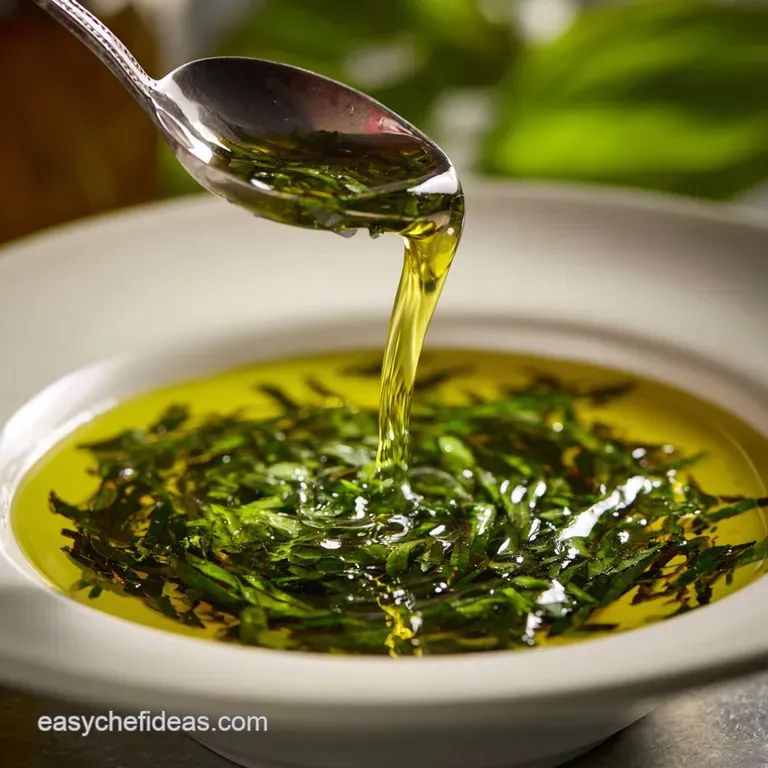
This is the moment of truth. Boil water like you mean it. Have your ice bath with plenty of ice right next to the stove. Plunge the basil for 10 seconds. Fifteen max. Scoop it out and immediately dump it into the ice bath. The cooling stops the cooking process.
Now, the absolute, most crucial tip: get the basil dry. I mean, aggressively dry. Squeeze it, then lay it out on a clean tea towel and roll it up. Wring it out hard. Water equals spoilage, and watery oil will eventually sputter when you try to use your Basil Oil for Cooking.
Step and by-Step Basil Oil Recipe Guide
The Hot Plunge: Preparing the Herb for Immersion
Right then, let's crack on with the recipe flow. We’ve done the blanching and shocking, and we have bone and dry, vividly green basil. This stage is all about maximizing flavor extraction and setting up for the filtration. You should have already added the salt to your dried basil and carrier oil in the blender.
The basil should feel almost papery dry to the touch before it hits the blender jug.
Precision Blending: Maximizing Flavor and Texture
Drop the dried basil, your chosen neutral oil, and the pinch of sea salt into the blender. That salt isn't just for flavour, it actually helps break down the cell structure slightly during the high and speed blitzing. Blend on high for a full minute, maybe 90 seconds.
You’ll notice the oil starts to warm up from the blender’s friction (that’s normal). That warmth is exactly what we want. It helps the oil accept and hold the basil flavour better than a cold blend.
Filtering the Oil: Achieving Crystal Clarity
Now comes the passive part, which requires great restraint. Set up your sieve over a clean container, lined generously with cheesecloth. Pour the green slurry in.
This is where you walk away. Seriously, go read a book or walk the dog. If you press the solids (the basil sludge) to hurry the process, you push starchy micro and particles into the finished oil. That stuff makes the oil cloudy and drastically shortens its shelf life.
Let gravity do the filtering for 30 to 60 minutes.
Extending the Life and Uses of Your Brilliant Basil Oil
Optimal Storage Practices for Maximum Freshness
Because this Basil Oil involves water in the blanching process (even if we dry it meticulously), it is safer to store it in the fridge. Don't leave it on the counter like regular olive oil; it won't last and you risk bacterial growth. This ensures a long Basil Oil Shelf Life.
- Fridge: Store in an airtight bottle for up to 10 days. The oil might solidify and look cloudy when cold, but that’s just the fat hardening. Let it sit at room temperature for 15 minutes before use.
- Freezing Hack: Pour small amounts into an ice cube tray. Once frozen solid, pop the basil oil cubes into a freezer bag. They are perfect for dropping straight into hot winter minestrone or tomato sauce for instant summer flavour.
Troubleshooting: Avoiding Water and Oxidation Issues
If your oil starts turning brown after a few days, it means either A) you didn't blanch long enough, or B) you didn't dry the basil enough, meaning enzymes are still active or water is present. If you see any cloudiness or bubbles, it means water is promoting bacterial growth. Always sterilize your storage jar first.
If you followed the steps correctly, especially the drying part, you should be fine for a week or more in the fridge.
Creative Applications: How to Drizzle Like a Pro
So, you have this gorgeous emerald Basil Oil. What now? Forget just salads. I love drizzling it over hummus when entertaining. It makes the white dip look so sharp. It's spectacular swirled into warm risotto right before serving.
It’s also incredible drizzled over scrambled eggs or used as the base for a fancy Olive Oil Dip with balsamic vinegar. Honestly, it's the ultimate secret weapon for finishing any summer dish that needs a vibrant punch of flavor and colour.
Nutritional Snapshot of Homemade Herb Oils
Look, we aren’t making kale smoothies here. This is oil. It’s mostly healthy fat. But compared to processed dressings, making homemade Basil Olive Oil dip means you control exactly what goes in.
It’s loaded with the beneficial polyphenols from the basil, and if you use a quality carrier oil, it adds beneficial monounsaturated fats to your diet. It's flavor insurance, pure and simple.
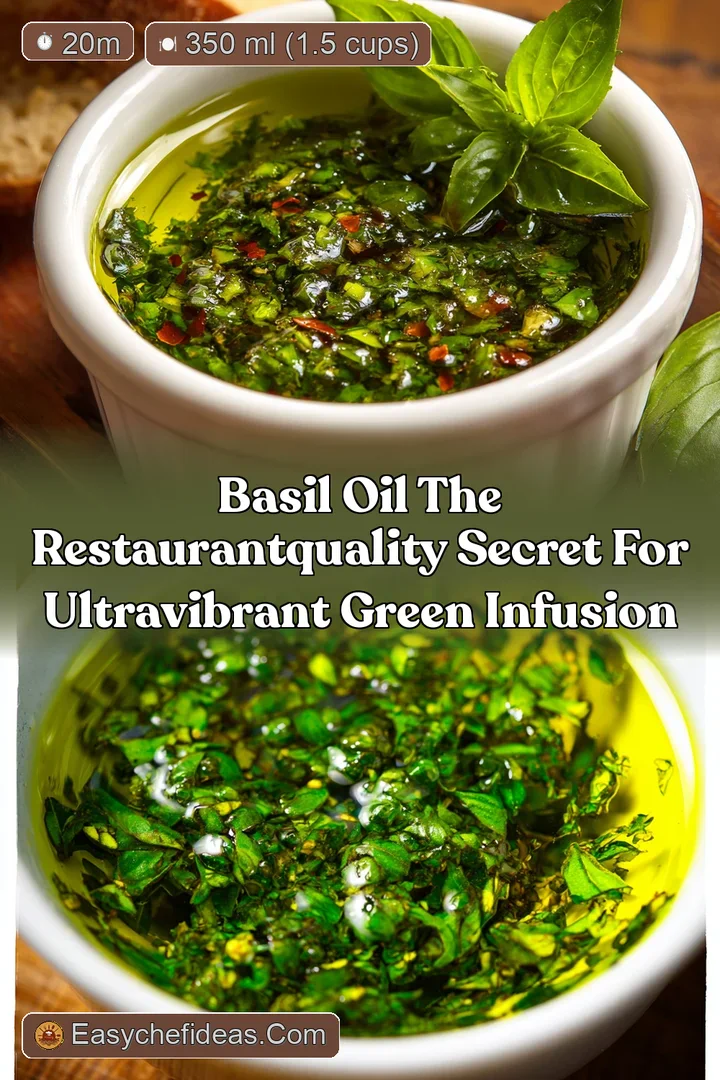
Recipe FAQs
Why do I have to blanch the basil? It seems like a bit of a faff!
It's the secret to that vibrant emerald colour! This quick ‘hot tub and cold plunge’ technique denatures the enzymes responsible for oxidation and browning, guaranteeing your oil stays a brilliant, fresh green, rather than turning muddy brown after a day or two.
How long does this homemade Basil Oil last in the fridge, and can I freeze it?
Due to the fresh ingredients, storage is key: keep your finished Basil Oil airtight in the fridge, and it should be shipshape for about 7 10 days; freezing it in ice cube trays is also a brilliant shout for long term storage, perfect for dropping into winter soups!
My oil looks cloudy and isn't that gorgeous, clear emerald colour. What did I do wrong?
Ah, the classic straining issue! Cloudiness usually happens if you press the basil solids; this forces tiny, starchy particles and moisture through the sieve, so you must let the oil drip slowly and naturally under gravity for that pristine, professional finish.
I’ve made a huge batch of this amazing green goodness what are the best ways to use it up?
It’s wonderfully versatile! Drizzle it generously over simple dishes like Caprese salad, use it to finish off creamy tomato soup, or mix it into a simple lemon vinaigrette to give your summer salads a gourmet and sophisticated pop of colour.
Can I just use regular extra virgin olive oil for this instead of grapeseed?
While EVOO is lovely for many things, we recommend sticking to neutral oils like grapeseed or sunflower here; the strong, peppery flavour of Extra Virgin Olive Oil can unfortunately overpower the delicate basil flavour we’re working so hard to showcase.
Chefs Technique Emerald Basil Oil
Ingredients:
Instructions:
Nutrition Facts:
| Calories | 670 kcal |
|---|---|
| Protein | 0.8 g |
| Fat | 75.4 g |
| Carbs | 1.1 g |
