Cheddar Bay Biscuits Recipe: Crispy Baked
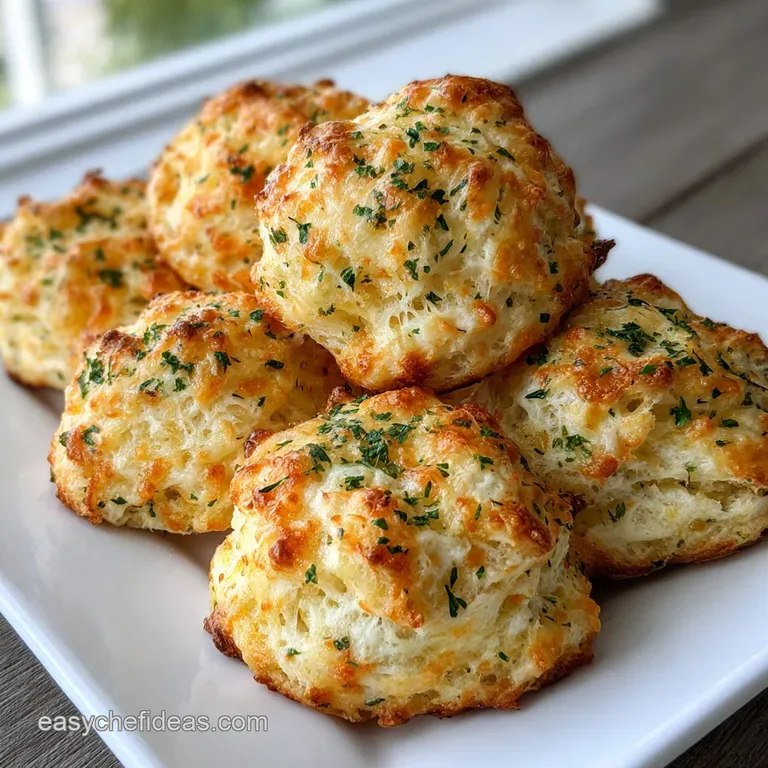
- Time: Active 10 minutes, Passive 12 minutes, Total 22 minutes
- Flavor/Texture Hook: Shatter crisp garlic crust with molten cheddar pockets
- Perfect for: Seafood nights, comforting family brunches, or a quick dinner side
- Master This Golden Cheddar Bay Biscuits Recipe
- Why This Recipe Works
- Comprehensive Ingredient Analysis
- The Essential Elements
- Critical Equipment for Success
- Step-by-Step Instructions
- Solving Common Baking Hurdles
- Flavor Profiles and Substitutions
- Scaling for Large Gatherings
- Debunking Kitchen Legends
- Proper Storage and Zero Waste
- Strategic Pairing Suggestions
- Cheddar Bay Biscuits Recipe FAQs
- 📝 Recipe Card
Master This Golden Cheddar Bay Biscuits Recipe
Imagine the kitchen filling with the heavy, unctuous scent of toasted garlic and bubbling butter. It is that specific aroma that hits you the moment you walk into a seaside steakhouse.
I remember the first time I tried to recreate this at home, I made the classic mistake of overworking the dough, resulting in hockey pucks instead of clouds. But when you get it right, the contrast between the salty, sharp cheddar and the slightly sweet, tender crumb is pure magic.
We are looking for that specific craggy, mountain like topography on top of each biscuit. Those little peaks are what catch the garlic butter glaze, creating pools of flavor in every nook. This isn't just about a quick side dish, it is about bringing a sense of shared joy to the table.
In my house, these disappear within three minutes of leaving the oven, usually accompanied by much laughter and a bit of friendly competition for the cheesiest piece.
This version is built on the philosophy of nourishing the soul through simple, high-quality components. We are going to use cold fats and high heat to achieve a texture that is both sturdy enough to swipe through a bowl of chowder and delicate enough to melt on your tongue.
Let's get into the mechanics of why this works so well.
Why This Recipe Works
- Cold Fat Suspension: Small chunks of unsalted butter remain intact within the flour, creating steam pockets during the bake for a flaky interior.
- Chemical Leavening Balance: The 1 tbsp of baking powder provides an aggressive lift, reacting instantly with the heat to prevent a dense, leaden texture.
- Sharp Contrast: 1.5 cups of freshly shredded sharp cheddar provides a high fat to protein ratio that creates crispy, lace like edges where the cheese hits the pan.
- Glaze Capillary Action: Applying melted butter to a hot biscuit allows the fat to seep into the porous structure while the garlic salt stays on the surface for immediate impact.
| Method | Time | Texture | Best For |
|---|---|---|---|
| Oven (Standard) | 12 minutes | Shatter crisp exterior, fluffy core | Traditional restaurant results |
| Stovetop (Cast Iron) | 18 minutes | Crunchy, fried bottom, denser crumb | Rustic, campfire style meals |
| Air Fryer | 8 minutes | Ultra crisp all around, smaller batches | Quick single servings |
The oven remains the gold standard for this cheddar bay biscuits recipe because the circulating dry heat is what develops that iconic crust. If you try the stovetop method, you get a beautiful toasted bottom, but you miss out on the even browning across those craggy top peaks.
Comprehensive Ingredient Analysis
| Ingredient | Science Role | Pro Secret |
|---|---|---|
| All Purpose Flour | Provides the structural framework through gluten. | Weigh your flour (approx. 312g) to avoid dry, crumbly biscuits. |
| Whole Milk | Hydrates the starches and provides natural sugars for browning. | Use it bone chilled to keep the butter from melting before it hits the oven. |
| Baking Powder | Primary leavening agent that creates the rise. | Check the expiration; old powder leads to flat, sad discs. |
| Sharp Cheddar | Adds fat, salt, and textural variety. | Grate it yourself; pre shredded cheese is coated in cellulose which prevents melting. |
I cannot stress enough how much better the texture becomes when you grate the cheese from a block. Those pre packaged bags are convenient, but the anti caking agents interfere with the way the cheese integrates into the dough. For a truly velvety interior, stick to the block.
The Essential Elements
To make this cheddar bay biscuits recipe from scratch, gather these specific items. We are looking for a balance of savory heat and creamy richness.
- 2 ½ cups all purpose flour Why this? Provides the right protein balance for a tender but stable crumb. (Substitute: Pastry flour for an even softer texture)
- 1 tbsp granulated sugar Why this? Balances the sharp salt and helps with golden browning. (Substitute: Honey, but mix it into the milk first)
- 1 tbsp baking powder Why this? Ensures a high, rapid rise in a short cook time. (Substitute: 1 tsp baking soda + 2 tsp cream of tartar)
- 1 tsp garlic powder Why this? Distributes savory flavor evenly throughout the dough base. (Substitute: Onion powder for a milder profile)
- ½ tsp kosher salt Why this? Enhances the natural flavors of the butter and wheat. (Substitute: ¼ tsp table salt)
- ¼ tsp cayenne pepper Why this? Adds a faint back end warmth without being spicy. (Substitute: Paprika for color without heat)
- ½ cup unsalted butter, cold and cubed Why this? Creates the steam necessary for a light, airy biscuit. (Substitute: Cold lard or shortening)
- 1 cup whole milk, cold Why this? Provides the fat needed for a rich, tender mouthfeel. (Substitute: Buttermilk for more tang)
- 1 ½ cups sharp cheddar cheese, freshly shredded Why this? The star flavor that provides pockets of gooey goodness. (Substitute: Gruyère for a sophisticated twist)
- 3 tbsp unsalted butter, melted (for glaze)
- 1 tsp garlic salt (for glaze)
- ½ tsp dried parsley flakes (for glaze)
Chef's Tip: Freeze your stick of butter for 10 minutes before cubing it. This ensures the fat doesn't soften while you're working it into the flour with your hands.
Critical Equipment for Success
You don't need a high tech kitchen to master this homemade cheddar bay biscuits recipe, but a few specific tools make the process much smoother. A large mixing bowl is essential to give you room to toss the cheese without smashing the dough.
I prefer using a parchment lined baking sheet to ensure the bottoms don't get too dark before the centers are done.
If you have a pastry cutter, now is the time to use it. It keeps your warm hands away from the butter, which is the secret to those flaky layers. If you don't have one, two knives or even a coarse cheese grater for the butter works brilliantly.
A standard ice cream scoop is also a secret weapon here it gives you those perfect, uniform mounds that bake evenly every single time.
step-by-step Instructions

1. The Foundation
Preheat your oven to 232°C. Line a large baking sheet with parchment paper or a silicone mat. This high temperature is non negotiable; we need the heat to hit the cold butter and turn it into steam immediately.
2. Aerating the Dry
In a large bowl, whisk together the 2 ½ cups flour, sugar, baking powder, garlic powder, salt, and cayenne. Whisking for about 30 seconds actually aerates the flour, making the final biscuits much lighter.
3. Cutting the Fat
Add the ½ cup cold, cubed butter to the dry mix. Use a pastry cutter or your fingertips to work the butter into the flour until it looks like coarse crumbs with some pea sized pieces. Do not over blend; those visible chunks of butter are your friends.
4. Cheesy Integration
Toss in the 1 ½ cups of freshly shredded cheddar. Stir it gently so every strand of cheese is coated in the flour mixture. This prevents the cheese from clumping together in one spot.
5. Hydrating the Dough
Pour in the 1 cup of cold milk. Use a large spoon or spatula to fold the mixture together until just combined and a shaggy dough forms. Stop the moment there are no more dry streaks of flour. Over mixing at this stage will make the biscuits tough.
6. The Drop Technique
Use a large spoon or an ice cream scoop to drop roughly ¼ cup portions of dough onto the prepared baking sheet. Leave about 5 centimeters between each biscuit. You should get exactly 12 servings from this batch.
7. The Golden Bake
Slide the sheet into the center of the oven. Bake for 12 minutes until the tops are golden brown and the cheese is sizzling at the edges. While they bake, prepare the finishing glaze.
8. The Finishing Glaze
In a small bowl, combine the 3 tbsp melted butter, 1 tsp garlic salt, and dried parsley. As soon as the biscuits come out of the oven, use a pastry brush to liberally coat the tops.
9. The Critical Rest
Let the biscuits sit on the pan for 3 minutes. This allows the internal structure to set and the garlic butter to fully penetrate the crust. Serve them while they are still warm enough to make the butter melt on contact.
Solving Common Baking Hurdles
Why the Biscuits Spread
If your biscuits came out flat and thin, the butter likely got too warm before hitting the oven. When butter melts into the flour rather than steaming, the structure collapses. Always keep your milk and butter in the fridge until the very second you need them.
Bottoms Browning Too Fast
If the bottoms of your biscuits are dark but the tops are pale, your oven rack might be too low. Move the rack to the upper third of the oven. You can also try "double panning" stacking one baking sheet on top of another to create an air buffer that protects the bottom of the dough from direct heat.
| Problem | Root Cause | Solution |
|---|---|---|
| Tough/Chewy Texture | Over mixing the dough | Fold until just combined; stop immediately. |
| No Rise | Expired baking powder | Replace leavener; should fizz when dropped in water. |
| Greasy Bottoms | Butter was too warm | Chill the shaped dough for 10 mins before baking. |
Common Mistakes Checklist
- ✓ Using pre shredded cheese (the starch coating ruins the melt).
- ✓ Measuring flour by scooping the cup (this packs it down; use a spoon to fill the cup).
- ✓ Waiting too long to apply the glaze (it must hit the biscuits while they are steaming).
- ✓ Over handling the dough with warm hands (the fat must stay solid).
- ✓ Peeking in the oven (opening the door drops the temp, killing the rise).
Flavor Profiles and Substitutions
If you want to deviate from the classic Red Lobster cheddar bay biscuits recipe, there are plenty of ways to nourish your creativity. This base is incredibly forgiving.
1. The Quick Bisquick Hack
If you are short on time, you can replace the flour, baking powder, and sugar with 2 ½ cups of Bisquick mix. Just keep the butter, milk, and cheese the same for that homemade feel.
2. The Smoky Jalapeño Twist
Fold in 1 finely minced jalapeño (seeds removed) and swap the sharp cheddar for Pepper Jack. This adds a beautiful brightness that pairs perfectly with a grilled steak or a hearty Broccoli Casserole recipe.
3. gluten-free Adaptation
You can use a high-quality 1:1 gluten-free flour blend. Note that gluten-free dough often requires an extra tablespoon of milk as the alternative flours tend to be more absorbent. The texture will be slightly more crumbly but still delicious.
4. The Herbaceous Garden Version
Replace the parsley in the glaze with fresh chives and thyme. This creates a much more sophisticated flavor profile that works beautifully when served alongside a refined Fish Florentine Recipe.
Scaling for Large Gatherings
Adjusting this recipe for a crowd requires a few small tweaks to ensure the texture remains consistent.
- Scaling Up (2x or 3x): When doubling the recipe, do not double the salt or cayenne immediately. Start with 1.5x the amount and taste the dough. Spices can become overwhelming when scaled linearly. Bake in batches rather than crowding one tray; airflow is essential for the "shatter" crust.
- Scaling Down: If you only need 6 biscuits, you can easily halve everything. For the most accurate results, use a kitchen scale. If you are halving an egg (though not used here), beat it first and then measure by weight.
| Servings | Flour | Cheese | Butter (Cold) | Milk |
|---|---|---|---|---|
| 6 Biscuits | 156g | 85g | 57g | 120ml |
| 12 Biscuits | 312g | 170g | 113g | 240ml |
| 24 Biscuits | 624g | 340g | 226g | 480ml |
Debunking Kitchen Legends
Myth 1: You must use buttermilk for Red Lobster style. While buttermilk is traditional in many Southern biscuits, the specific cheddar bay biscuits recipe used in restaurants actually relies on the sweetness of whole milk to contrast the sharp cheese.
Using buttermilk adds a tang that, while tasty, moves away from the authentic flavor profile.
Myth 2: Sifting flour is a waste of time. Actually, for drop biscuits, sifting or vigorous whisking is vital. Because we aren't kneading the dough (which develops gluten and air), we need to start with as much air in the dry mix as possible to achieve that velvety crumb.
Proper Storage and Zero Waste
These are undoubtedly best served within minutes of baking, but life happens. If you have leftovers, store them in an airtight container at room temperature for up to 2 days or in the fridge for 4 days. To reheat, avoid the microwave it turns them rubbery.
Instead, pop them in a 175°C oven for 5 minutes to restore the exterior crunch.
Zero Waste Tips: If you find yourself with biscuits that have gone slightly stale, don't toss them! Croutons: Tear them into chunks and toast them in a pan with a little more butter. They make the most incredible, cheesy croutons for a Caesar salad.
Breakfast Strata: Use leftover biscuits as the bread base for a savory bread pudding or egg bake. The garlic and cheese flavors will infuse the custard perfectly.
Strategic Pairing Suggestions
These biscuits are a powerhouse of flavor, so they pair best with dishes that have a bit of acidity or creaminess to balance the salt. They are the natural companion to any seafood dish, especially those with buttery sauces.
I love serving these alongside a big pot of mussels or a Foolproof Fluffy Dinner recipe spread if I'm hosting a large family gathering. The contrast of the crispy biscuit next to a soft, yeasty roll gives everyone at the table exactly what they are craving. For a simpler weeknight meal, try them with a roasted chicken and a bright green salad. The acidity of a lemon vinaigrette cuts through the richness of the cheddar beautifully, making every bite feel fresh. Regardless of how you serve them, they represent a moment of comfort and community that only home cooking can provide.

Cheddar Bay Biscuits Recipe FAQs
What is the seasoning on top of cheddar bay biscuits?
It's a garlic butter glaze. The topping is typically melted butter mixed with garlic salt and sometimes dried parsley flakes, brushed on immediately after baking to enhance the savory flavor and create a glossy finish.
What's the secret to fluffy cheddar biscuits?
Keep your butter and milk very cold. The key to fluffy biscuits is creating steam pockets within the dough; cold fat stays in small pieces, melts during baking, and generates steam for a light, airy interior, similar to how precise temperature control yields perfect layers in The Ultimate Laminated Flaky Croissant Dough Recipe for Home Bakers.
What can I substitute for cheddar bay biscuit mix?
Use a homemade flour blend. You can easily recreate the mix by combining all-purpose flour, baking powder, sugar, garlic powder, salt, and a pinch of cayenne for a similar flavor and leavening profile.
What do you need for cheddar bay biscuits?
You'll need basic baking staples plus cheese. Gather all-purpose flour, sugar, baking powder, salt, butter (cold for dough, melted for glaze), cold whole milk, and plenty of freshly shredded sharp cheddar cheese.
Can I use pre-shredded cheese in cheddar bay biscuits?
No, it's better to shred your own. Pre-shredded cheeses contain anti caking agents like cellulose, which can prevent the cheese from melting smoothly and creating those desirable gooey pockets, impacting the overall texture.
How do I prevent my cheddar bay biscuits from spreading too much?
Ensure your fat is cold and don't overmix. If the butter gets too warm before baking, it melts into the flour, reducing the steam pockets that create lift. Overmixing the dough also develops too much gluten, leading to a tougher, flatter biscuit.
How do I get the crispy, craggy top on my cheddar bay biscuits?
Bake at a high temperature and don't overcrowd the pan. A hot oven promotes rapid rising and browning, creating those desirable peaks and craggy textures. Leaving adequate space between biscuits allows hot air to circulate freely, ensuring an even crispness all around.
Cheddar Bay Biscuits

Ingredients:
Instructions:
Nutrition Facts:
| Calories | 263 kcal |
|---|---|
| Protein | 7.0 g |
| Fat | 16.1 g |
| Carbs | 22.5 g |
| Fiber | 0.8 g |
| Sugar | 1.6 g |
| Sodium | 385 mg |
