Pizza Crust Using Cauliflower
- Time: Active 20 minutes, Passive 25 minutes, Total 45 minutes
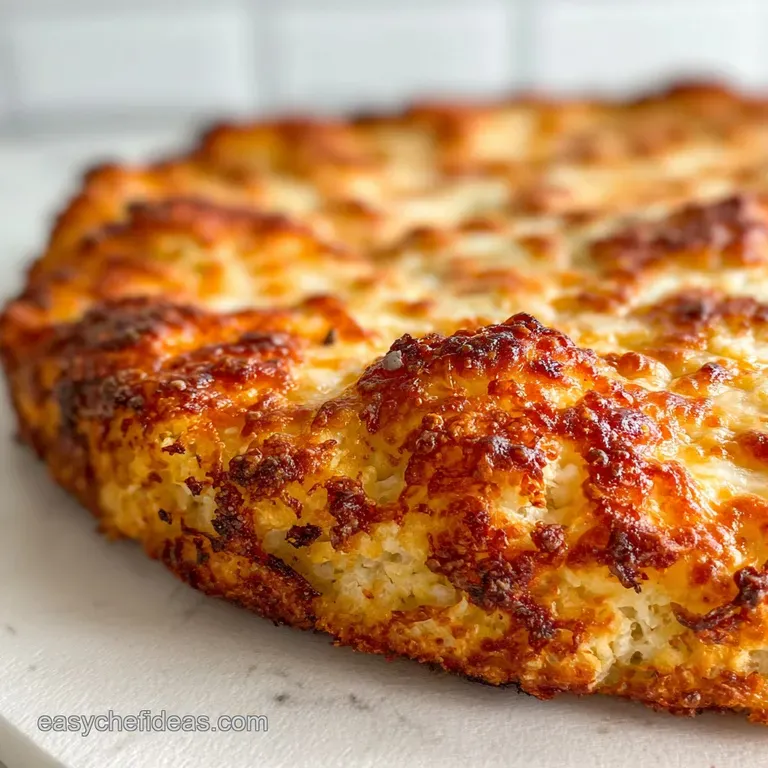
- Flavor/Texture Hook: Shatter crisp edges with a tender, savory center
- Perfect for: Wholesome weeknight dinners or a veggie filled movie night
- Mastering a Perfect Pizza Crust Using Cauliflower Tonight
- Why This Wholesome Veggie Transformation Is a Real Winner
- Essential Recipe Specifications for Your Planning and Prep
- Selecting Quality Ingredients for Your Nutrient Dense Pizza Base
- The Essential Kitchen Tools for a Crispy Crust Success
- A Detailed Step by Step Execution Guide for Perfection
- Expert Advice for Avoiding Common Soggy Crust Pitfalls
- Creative and Wholesome Flavor Variations to Try at Home
- Practical Tips to Store and Keep Your Crust Fresh
- Wholesome Serving Suggestions to Round Out Your Meal
- Debunking Common Kitchen Myths
- Scaling the Recipe for Any Crowd
- Recipe FAQs
- 📝 Recipe Card
Mastering a Perfect Pizza Crust Using Cauliflower Tonight
We’ve all been there. You see a beautiful picture of a veggie pizza, you spend an hour in the kitchen, and you end up with a soggy pile of mush that you have to eat with a spoon. It's heartbreaking, right?
Honestly, I almost gave up on the idea until I realized that the secret isn't in the ingredients themselves, but in how you treat them before they ever hit the oven.
Trust me on this one, I’ve made every mistake in the book so you don't have to. I once tried to just "pat dry" the cauliflower with a paper towel. Big mistake. Huge. You’ll end up with a puddle on your pizza stone.
This recipe is the result of years of tinkering, learning how to manipulate plant based fibers to act like dough, and finally getting that satisfying "snap" when you take a bite.
Right then, let's crack on. We’re going to turn a simple head of cauliflower into a golden, herb scented masterpiece. It’s a wholesome transformation that feels like total comfort food without the heavy, bloated feeling that usually follows a pizza binge.
Plus, it's a brilliant way to sneak extra nutrition onto the table for the pickiest eaters.
Why This Wholesome Veggie Transformation Is a Real Winner
Understanding the "how" behind this recipe changed everything for me. We aren't just making a substitute; we're engineering a new kind of structure. If you want to dive deeper into variations, you might also like this Cauliflower Crust Pizza recipe which explores different topping combinations.
- Cellular Dehydration: Microwaving the cauliflower breaks down the cell walls, releasing trapped water that would otherwise steam the crust into a soggy mess.
- Protein Matrix: The combination of egg and cheeses creates a "glue" through protein denaturation, which binds the vegetable fibers together since we lack gluten.
- Starch Free Crisp: By relying on the Maillard reaction from the parmesan and mozzarella, we get a deep brown color and savory flavor without needing traditional flour.
- Moisture Displacement: Squeezing the pulp through a cloth ensures the ratio of solids to liquids is high enough for the crust to set firmly.
The Science of Why it Works
Protein denaturation in the eggs and cheese creates a structural web that mimics gluten, while the Maillard reaction browns the vegetable sugars for deep flavor. Heat induced moisture evaporation is the secondary key to ensuring the crust holds its shape without collapsing.
| Method | Time | Texture | Best For |
|---|---|---|---|
| Fresh Head | 45 minutes | Shatter crisp edges | Ultimate flavor and texture control |
| Frozen Riced | 30 minutes | Slightly softer | Quick weeknight wholesome meals |
| store-bought | 15 minutes | Often cracker like | Extreme time saving emergencies |
While the fresh head method takes a few extra minutes of prep, the difference in the final structure is undeniable. The fresh vegetable fibers have more integrity, resulting in a pizza crust using cauliflower that doesn't flop when you pick up a slice.
Essential Recipe Specifications for Your Planning and Prep
When you're planning your kitchen flow, remember that the "squeezing" phase is where the magic happens. Don't rush it. I usually set a timer for the par bake to ensure the edges reach that beautiful golden hue before I even think about adding the sauce. If you're used to a traditional Margherita Pizza Recipe, you'll find the timing here is actually quite similar, just with different cues.
| Component | Science Role | Pro Secret |
|---|---|---|
| Riced Cauliflower | Bulk/Fiber | Microwave it first to soften cell walls |
| Beaten Egg | Structural Glue | Use a large egg for better protein binding |
| Parmesan Cheese | Moisture Absorption | Adds saltiness and helps the "crust" brown |
The parmesan is particularly important here. Because it's a dry, aged cheese, it acts almost like a flour substitute, absorbing any lingering moisture while providing the salt necessary to season the vegetable base from within.
Selecting Quality Ingredients for Your Nutrient Dense Pizza Base
You really want to look for a firm, heavy head of cauliflower. If it feels light for its size, it might be drying out. This recipe is designed to be a veggie filled comfort meal, so every ingredient serves a structural purpose.
- 1 large head of fresh cauliflower (approx. 900g): This is your foundation. Why this? Fresh cauliflower has better structure and flavor than pre frozen options.
- 1 large egg, lightly beaten: Our primary binder. Why this? The proteins in the egg set during baking to hold the crust together.
- 1/2 cup (50g) shredded low moisture mozzarella: For chew and fat content. Why this? Low moisture is key; fresh mozzarella will make the crust too wet.
- 1/4 cup (25g) freshly grated Parmesan cheese: For flavor and crispiness. Why this? Its dry texture helps absorb any remaining cauliflower moisture.
- 1/2 tsp (2.5g) fine sea salt: To draw out moisture and season.
- 1 tsp (1g) dried oregano: Classic pizza aroma.
- 1/2 tsp (1.5g) garlic powder: For savory depth.
- 1/4 tsp (0.5g) crushed red pepper flakes: For a tiny hint of heat.
The Essential Kitchen Tools for a Crispy Crust Success
You don't need a professional kitchen, but a few specific items will make your life a lot easier. I used to use a kitchen towel for the squeezing, but I've found that a dedicated nut milk bag or a high-quality cheesecloth works significantly better.
It allows you to really put some muscle into it without the fabric tearing.
Extracting Maximum Moisture
A clean, thin kitchen towel or a few layers of cheesecloth are non negotiable. If you use a thick terry cloth towel, the cauliflower will just get stuck in the loops. You want something with a fine mesh that allows water to pass through but keeps the tiny bits of vegetable inside.
For the Cauliflower Base
A food processor is the fastest way to get that "rice" consistency. If you don't have one, a box grater works perfectly fine it just takes a bit more elbow grease and you might lose a knuckle if you aren't careful! Once it's riced, a microwave safe bowl is essential for the initial softening step.
A Detailed step-by-step Execution Guide for Perfection
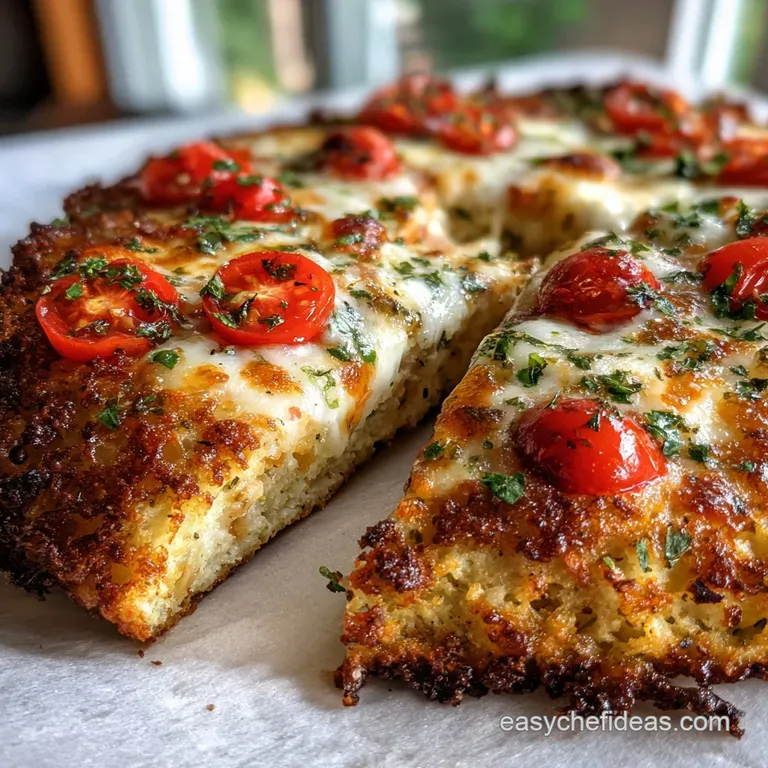
Let's get into the nitty gritty. This is where the wholesome transformation happens. Follow these steps closely, especially the cues for what to look and smell for.
- Rice the cauliflower. Cut the head into florets and pulse in a food processor until it looks like coarse grains of rice. Note: Don't over process or it will become a puree.
- Soften the grains. Place the riced cauliflower in a microwave safe bowl and heat for 8 minutes. Wait until it is steaming and tender.
- Cool completely. Spread the cauliflower on a large baking sheet. This is crucial if it's too hot, it will cook the egg instantly when you mix them.
- The Great Squeeze. Wrap the cooled cauliflower in your cloth. Squeeze until you think you can't get any more water out, then squeeze again. You should be left with a dry, dough like ball.
- Prep the oven. Preheat your oven to 400°F (200°C) and line a baking sheet with parchment paper.
- Mix the dough. In a bowl, combine the dry cauliflower pulp, beaten egg, mozzarella, parmesan, salt, oregano, garlic powder, and red pepper flakes. Mix until a cohesive ball forms.
- Shape the crust. Transfer the "dough" to the parchment paper. Pat it out into a 10-12 inch circle. Aim for about 1/4 inch thickness.
- The Par bake. Slide it into the oven for 15 minutes. Bake until the surface is dry and the edges are golden brown.
- Add toppings. Remove from the oven, add your favorite sauce and toppings, and return to the oven for another 5-10 minutes. Cook until the cheese is bubbly and charred.
- Rest and slice. Let the pizza sit for 2-3 minutes before cutting. This allows the structure to firm up one last time.
Expert Advice for Avoiding Common Soggy Crust Pitfalls
The biggest hurdle for any pizza crust using cauliflower is water. Cauliflower is about 92% water by weight. If you don't remove that liquid, your "crust" is basically just a vegetable bake.
Preventing a Soggy Bottom
Always use parchment paper. I've tried greasing the pan directly, and I've tried foil both were disasters. Parchment paper allows the bottom to breathe slightly while preventing the cheese in the dough from bonding to the metal. If you want that extra "pizzeria" feel, try adding some Rocket Man Arugula recipe greens on top after baking to add a fresh, peppery crunch that balances the savory base.
Mastering the Squeeze
Think of this as your workout for the day. I've found that twisting the cloth from the top creates more pressure than just squeezing with your hands. You want the resulting pulp to be almost crumbly, like a dry feta cheese, before you add the egg.
| Problem | Root Cause | Solution |
|---|---|---|
| Soggy Base | Excess water in veg | Squeeze through cloth until bone dry |
| Crumbly Edge | Not enough egg binder | Add one extra yolk if needed |
| Sticking to Pan | No parchment used | Always bake on high-quality parchment paper |
Common Mistakes Checklist
- ✓ Skip the microwave step: This prevents the water from being "releasable" during the squeeze.
- ✓ Use a thick towel: You’ll lose half your cauliflower to the fabric fibers.
- ✓ Overload with wet toppings: Keep the sauce light and the veggies pre sauteed to avoid adding more moisture.
- ✓ Forget the par bake: If you add toppings to raw dough, it will never get crispy.
- ✓ Slicing too early: Give it those 3 minutes to "set" or it might fall apart.
Creative and Wholesome Flavor Variations to Try at Home
Once you've mastered the basic pizza crust using cauliflower, you can start getting fancy with the "dough" itself. I love experimenting with different herbs and cheeses to match my toppings.
- Mediterranean Style: Swap the oregano for dried basil and add 1 tablespoon of sun dried tomato pesto to the dough.
- Spicy Kick: Double the red pepper flakes and add a teaspoon of smoked paprika for a deeper, earthier heat.
- dairy-free Alternative: Use a vegan parmesan substitute and swap the mozzarella for a plant based shred that melts well. Note: the texture will be slightly softer.
If you want X, do Y: If you want a thinner, cracker like crust, spread the dough to 1/8 inch and increase the par bake time by 3 minutes. If you want a chewier, bread like texture, add an extra egg yolk and 1 tablespoon of almond flour to the mix.
If you want a deeply charred finish, move the rack to the top third of the oven for the final 2 minutes of baking.
Practical Tips to Store and Keep Your Crust Fresh
This recipe is actually a meal prep dream. You can bake several crusts at once and keep them ready for a quick weeknight dinner. I often make a double batch on Sundays so I have a wholesome option ready to go when work gets crazy.
Storage: Keep the par baked (no toppings) crusts in the fridge for up to 4 days. Wrap them tightly in plastic wrap or store them in a large airtight container with parchment between the layers.
Freezing: These freeze beautifully! Wrap par baked crusts in plastic wrap, then foil, and freeze for up to 3 months. To use, don't thaw just place the frozen crust in a 400°F oven for 5 minutes before adding toppings.
Zero Waste Tip: Don't throw away those cauliflower leaves and stems! They are perfectly edible. I finely chop them and sauté them with garlic as a side dish, or toss them into a vegetable stock bag in the freezer.
Wholesome Serving Suggestions to Round Out Your Meal
Since this pizza is lighter than the traditional version, I usually pair it with a big, bright salad. A simple balsamic vinaigrette over mixed greens helps cut through the richness of the cheese.
For the ultimate dipping experience, try a side of spicy marinara or even a garlic herb yogurt dip. It adds that "pub food" feel while keeping things on the wholesome side. If you're hosting a party, serve these as small "pizzettes" alongside some Zucchini Pizza Boats recipe for a complete veggie forward spread that will impress even your most carnivorous friends.
Debunking Common Kitchen Myths
Myth: You can just use raw cauliflower without cooking it first. Truth: While you can mix raw cauliflower with egg and cheese, the resulting crust will be grainy and release a lot of water during baking.
Steaming or microwaving it first is what allows you to remove the moisture and achieve a dough like consistency.
Myth: Cauliflower crust is always "healthier" than regular crust. Truth: While it is lower in carbs and higher in fiber, many store-bought versions use heavy amounts of starches and fats to mimic bread.
This homemade recipe focuses on the vegetable and protein, making it a truly wholesome transformation.
Scaling the Recipe for Any Crowd
Scaling Down: If you're cooking for one, you can easily halve the recipe. Use half a head of cauliflower and beat one egg in a small bowl use about 2 tablespoons of that egg for the mix. Use a smaller toaster oven if you have one to save energy!
Scaling Up: When doubling for a family, I recommend ricing and squeezing the cauliflower in two separate batches. If you try to squeeze two heads at once, you won't be able to get enough pressure to remove all the water.
You can bake two crusts at once, but rotate the pans halfway through to ensure even browning. For spices, increase them to 1.5x rather than doubling to keep the flavor balanced.
Recipe FAQs
Is cauliflower pizza crust healthier than regular crust?
Yes, typically it is. Cauliflower crust is significantly lower in carbohydrates and calories, and higher in fiber and certain vitamins compared to traditional flour based crusts.
Why does my cauliflower pizza crust fall apart?
Likely due to excess moisture. The key is to remove as much water as possible from the riced cauliflower by squeezing it thoroughly through a cheesecloth or nut milk bag. Insufficient squeezing leaves too much liquid, preventing the crust from binding properly.
What are common mistakes when making cauliflower pizza?
Not squeezing out enough moisture is the biggest mistake. Other common errors include skipping the par-baking step, adding toppings before the crust is firm, or using a towel that absorbs too much of the cauliflower pulp.
Does cauliflower pizza crust get crispy?
Yes, with proper preparation. Ensure you squeeze out all excess moisture and par-bake the crust until it's golden brown and dry before adding toppings. This process helps achieve a crispy edge, similar to traditional pizza.
How do I get my cauliflower pizza crust to hold together?
Focus on removing moisture and using binders. Thoroughly squeezing the riced cauliflower is paramount. The egg and cheese in the recipe act as the "glue," and proper mixing until a cohesive ball forms is essential before shaping.
Can I substitute cheese in cauliflower pizza crust?
Yes, for dairy-free options. You can use a vegan parmesan substitute and a plant based shred that melts well, similar to how you might adapt other recipes like our Cauliflower Gnocchi Recipe: The Secret to Fluffy, Non-Gummy Dough. Keep in mind the texture might be slightly softer.
How do I make cauliflower pizza crust taste good?
Season generously and bake until golden. Don't skimp on salt, garlic powder, and herbs like oregano. The Maillard reaction during baking, especially with Parmesan cheese, develops a savory depth of flavor that makes it delicious.
Cauliflower Pizza Crust
Ingredients:
Instructions:
Nutrition Facts:
| Calories | 261 kcal |
|---|---|
| Protein | 22.2 g |
| Fat | 11.1 g |
| Carbs | 23.9 g |
| Fiber | 9.2 g |
| Sugar | 8.6 g |
| Sodium | 795 mg |
