Caprese Chicken Skillet the Best 35Minute Onepan Meal for Weeknights
- Why This Caprese Chicken Skillet is Your New Weeknight Hero
- Essential Components: What You Need for This One and Pan Caprese Chicken Skillet
- Preparing This Skillet Dinner: Step and by-Step Instructions for the Caprese Chicken
- Mastering Your Meal: Tips, Sides, and Recipe Customization
- Recipe FAQs
- 📝 Recipe Card
Why This Caprese Chicken Skillet is Your New Weeknight Hero
I get it. You’re done with work, the fridge is staring back at you menacingly, and you have exactly 35 minutes before hanger truly sets in. This is where the Caprese Chicken Skillet comes galloping in, shining and perfect.
It's the weeknight answer to that fancy Italian restaurant vibe we all desperately crave. It’s fresh, it’s vibrant, and the cleanup is minimal (thank you, one and pan life).
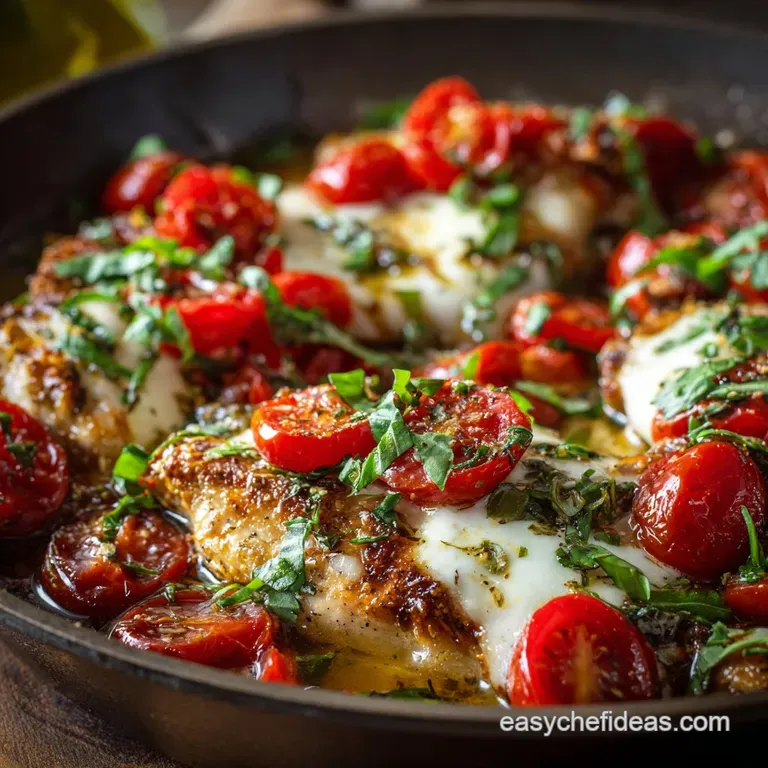
Plus, we’re talking about tender, golden and seared chicken swimming in a glossy, slightly sweet balsamic sauce, topped with melted fresh mozzarella. It feels indulgent, but it’s actually a pretty healthy Caprese Chicken Skillet when you look at the ingredients list.
We are taking the sunshine flavors of the classic salad and making them dinner and worthy.
The Secret to Perfect Pan and Seared Chicken
Listen, if you take only one piece of advice from this entire blog post, make it this: Pound your chicken thin.
If you just toss a big, fat, uneven chicken breast in the pan, two things happen. One, it takes forever to cook through. Two, by the time the middle is done, the edges are drier than the Sahara. Yuck. To make this 30 minute Caprese Chicken actually work, we need thin, uniform cutlets.
Slice those breasts horizontally (like opening a book) and then give them a gentle whacking with a meat mallet (or a rolling pin, or a sturdy wine bottle I've been there). Aim for about a quarter and inch thickness.
This ensures a blazing fast, even cook, giving us that gorgeous, golden crust before the moisture escapes.
Flavor Profile: Balancing Sweet Tomatoes and Balsamic Glaze
The Caprese combo is simple: cheese, tomato, basil. But what makes the Caprese Chicken Skillet recipe sing is the sauce . If you just rely on the chicken and the toppings, it’s dry.
We create a quick pan sauce by deglazing with chicken stock and then adding balsamic vinegar and a touch of brown sugar or honey.
The real trick here is making sure you use a decent quality balsamic vinegar for the sauce reduction. If the balsamic is too harsh or acidic, it overwhelms the subtle sweetness of the fresh tomatoes.
The sugar isn't just for sweetness; it’s there to cut the sharp acid of the vinegar and help the sauce thicken and become glossy.
When you finish the dish with that final drizzle of thick balsamic glaze, you get layers of flavor the tang from the reduction, the sticky sweetness from the glaze, and the creamy fat from the mozzarella. It’s a flavor trifecta that just works.
Is This Dish Gluten and Free and Low Carb?
Okay, let’s talk modifications. The Caprese Chicken Mediterranean Diet friendly? Absolutely. It’s lean protein, fresh vegetables, and healthy fats.
For the most part, this Skillet Chicken Caprese is already gluten and free. The only potential snag is the flour in the chicken dredging. I add just a tablespoon of flour mixed with the seasoning because it helps create a stellar crust and thickens the pan sauce ever so slightly when we deglaze.
If you need it strictly gluten and free, skip the flour entirely. Your sear won't be quite as robust, but the dish will still be delicious.
If you’re watching carbs, this is practically perfect. The bulk of the carbs comes from the added sugar in the balsamic reduction/glaze. If you need it strict keto, swap the brown sugar/honey for a tiny splash of erythritol (or similar) and use a zero and sugar balsamic glaze substitute, or simply skip the final glaze and just rely on the sauce reduction.
Protein heavy, veggie happy, win and win.
Essential Components: What You Need for This One and Pan Caprese Chicken Skillet
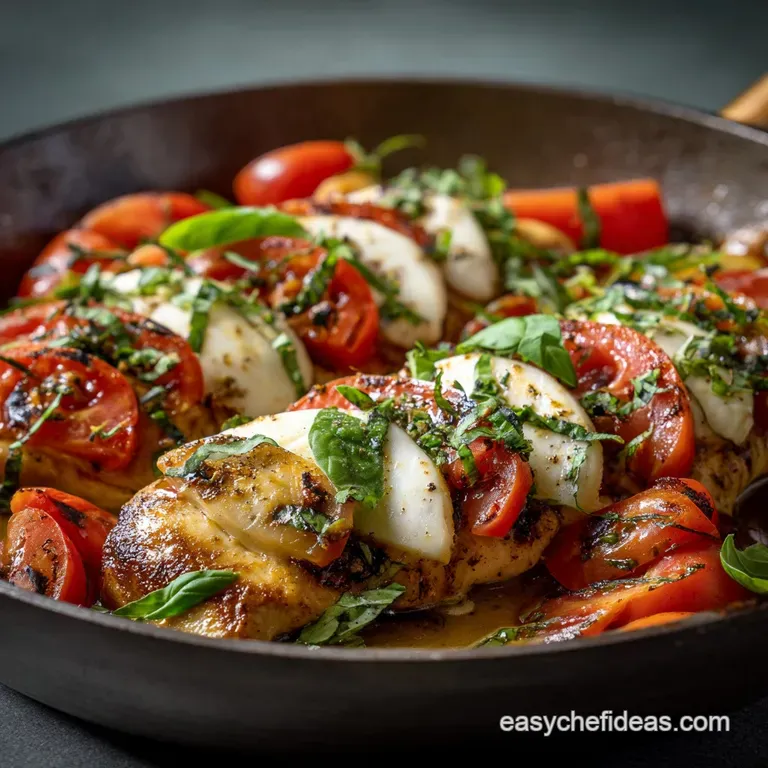
You only need a few things for this quick weeknight Chicken Skillet, but focusing on quality makes a huge difference. Since the ingredient list is short, every component has to pull its weight.
Selecting the Best Mozzarella: Fresh vs. Low and Moisture
You absolutely must use fresh mozzarella. Don't even look at that pre and shredded bag of low and moisture stuff; it tastes like rubber and won't give you that glorious, melty, creamy texture we're aiming for.
I usually opt for bocconcini (the little balls) or a large ball of fresh mozza packed in water or brine. The key, however, is draining it. The moisture in fresh mozzarella (and there is a lot of moisture) is the enemy of a thick sauce.
Tear the mozza into rough chunks and then let them sit on a few paper towels while you prep the rest of the meal. Press them gently to soak up the excess water. This step is non and negotiable if you want a sauce, not a puddle.
Tool Check: Choosing the Right Skillet Size
Since this is a proper Caprese Chicken Pan dinner, the tool matters. I recommend a heavy, 12 inch oven and safe skillet. Why 12 inches? Because we need room! Remember when I said we can’t overcrowd the chicken? If your pan is too small, you'll steam the meat instead of searing it.
Cast iron or stainless steel are the best choices here. They retain heat beautifully, which is essential for that golden sear. And since we are finishing this under the broiler (grill), make absolutely certain your handle is metal or oven and safe.
I once used a skillet with a tiny plastic thumb grip and wondered why my kitchen smelled like burning plastic for three days. Lesson learned.
Quality Basil and Tomato Varieties
This is where the freshness truly shines. When making a Caprese Chicken Bake, you need ripe, sweet tomatoes.
- Tomatoes: Go for grape or cherry tomatoes. They hold their shape better than slicing a huge field tomato, and they have a higher sugar content, which means they burst in the sauce beautifully. Halve them lengthwise just before tossing them into the skillet.
- Basil: You need fresh basil, end of story. Dried basil will not cut it here. Use it liberally I mean, a whole handful. Tear the leaves rather than chopping them; it supposedly prevents bruising and keeps the flavour brighter. (Honestly, I just tear them because I’m lazy, but the result is great.)
Related Recipes Worth Trying
- Chicken Pad Thai Meal Prep The No Soggy Noodles Healthy Lunch Recipe — This Chicken Pad Thai Meal Prep recipe uses a specific technique to guarantee no soggy noodles days after cooking Its a high protein healthy meal prep...
- Chicken Taco Poblano Rice Bowls Creamy Healthy Weeknight Dinner — Chicken Taco Poblano Rice Bowls are the ultimate easy weeknight chicken dinner Featuring smoky poblano rice and seasoned chicken this healthy chicken rice...
- Air Fryer Chicken Milanese with Mediterranean Sala UltraCrispy Healthy — Air Fryer Chicken Milanese with Mediterranean Sala is the ultimate Skinny Taste recipe upgrade Enjoy ultracrispy chicken milanese air fryer recipe served...
Preparing This Skillet Dinner: Step and by-Step Instructions for the Caprese Chicken
Right then, let's crack on with the cooking part.
Prepping the Chicken: Thinning and Seasoning Techniques
We covered the thinning part (pound it out!). Once those cutlets are thin and even, pat them down one last time with a paper towel. Dry meat sears; wet meat steams.
In a shallow dish, combine your salt, pepper, and oregano with the optional flour. Dredge the chicken lightly. You don't need a thick coating, just enough seasoning to coat the surface. Setting aside the seasoned cutlets while your pan heats is a good idea.
Achieving the Golden Sear: High Heat Cooking Strategy
This stage needs high heat and patience. Get your olive oil shimmering (not smoking, but definitely hot) over medium and high heat.
Add the chicken in batches. Seriously, do not put all four chicken breasts (or eight cutlets) in at once unless you have a commercial and sized skillet. Overcrowding drops the temperature immediately, ruining the sear and preventing the Maillard reaction.
Sear for 2– 3 minutes per side until deeply golden. They don’t have to be totally cooked through yet; they will finish cooking in the sauce and under the broiler. Set the seared pieces aside immediately.
Layering the Caprese Topping and Melting the Cheese
Once the chicken is out, you drop the heat to medium and use the leftover bits in the pan (the fond ) to start your sauce. Sauté the garlic for about 30 seconds watch it like a hawk because burnt garlic is bitter disaster and then deglaze with the stock, scraping all those sticky browned bits off the bottom.
That's pure flavor!
Reduce the liquid for a few minutes until it’s thick enough to coat the back of a spoon. Add the butter to make it glossy. Now, tuck the seared Caprese Chicken cutlets back into the pan, nestle the halved tomatoes around them, and scatter that pre and drained fresh mozza all over the top.
- Melting Method: If your skillet is oven and safe, transfer it directly under a hot broiler (grill) for 2– 3 minutes until the cheese is bubbling and just starting to turn golden brown in spots. That’s the most authentic Caprese Chicken Bake finish. If you don't have a broiler, just cover the skillet with a tight and fitting lid and cook over low heat for 4– 5 minutes until the cheese is fully melted.
Finishing Touches: Glazing and Resting
Remove the skillet from the heat, making sure the internal temperature of the chicken is 165°F (74°C). The meat needs about five minutes to rest before you dig in.
While it rests, this is your time to shine with the garnish. Drizzle the entire thing with the store and bought balsamic glaze (or your homemade reduction). Be generous. Then, sprinkle a mountain of torn fresh basil leaves over the top.
The residual heat from the dish will slightly wilt the basil, releasing its beautiful aroma. Serve it piping hot, directly from the skillet.
Mastering Your Meal: Tips, Sides, and Recipe Customization
This Caprese Chicken Skillet recipe is highly adaptable.
Creative Swaps: Variations to Customize Your Caprese Chicken
Sometimes you don't have exactly what the recipe calls for, or maybe you just want to jazz things up. Go for it.
- Pesto Boost: Spread a teaspoon of jarred basil pesto on the chicken cutlets right before topping them with the mozzarella. Instant flavor upgrade.
- Use Thighs: Don't love breasts? Use boneless, skinless chicken thighs. They are more forgiving and richer in flavor, but budget an extra 5 minutes for searing time.
- Spicy Kick: Add a pinch of crushed red pepper flakes to the garlic when sautéing for a subtle heat.
- A Different Cheese Vibe: If you don't have fresh mozzarella, try thinly sliced provolone for a sharper flavor, or even crumbled feta for a salty tang.
| Ingredient Swap | Reason |
|---|---|
| Chicken Stock | Dry white wine (Pinot Grigio or Chardonnay) adds complexity to the pan sauce. |
| Cherry Tomatoes | Halved sun and dried tomatoes (oil and packed and drained) for a deeper, sweet intensity. |
Serving Suggestions: What Pairs Best with Italian Skillet Dinners?
The most critical thing you need alongside this amazing Chicken Caprese Skillet is something to soak up that balsamic sauce. You need to capture every drop of that garlicky, vinegary goodness.
- Crusty Bread: Ciabatta, sourdough, or a French baguette. Seriously, slice it and put it on the table.
- Light Pasta: Orzo or angel hair pasta tossed simply with olive oil, salt, and maybe a little parmesan. Keep it simple; the star is the skillet.
- Simple Salad: A peppery rocket (arugula) salad with just a light lemon vinaigrette offers a fresh contrast to the rich cheese and sauce.
Storage and Reheating Guidelines for Leftovers
If you manage to have leftovers (a feat in my house), they store fine. Cool the Caprese Chicken Skillet completely and transfer the contents to an airtight container. It keeps well in the fridge for 3 4 days.
Reheating, however, requires a gentle touch. Microwaving is okay, but the fresh mozzarella tends to get rubbery. My preferred method is transferring the leftovers back into a small oven and safe dish, covering them loosely with foil, and reheating in an oven or toaster oven set to 300°F (150°C) until warmed through.
This keeps the chicken tender and prevents the cheese from turning into that weird, oily texture.

Recipe FAQs
Why do I need to pound the chicken cutlets thin for this recipe?
Pounding the chicken ensures it cooks quickly and uniformly, stopping the thin edges from drying out before the centre is done, which is absolutely key to getting wonderfully tender cutlets every time.
Can I use pre-shredded mozzarella for the Caprese Chicken Skillet, or is fresh better?
Stick to fresh mozzarella (bocconcini or a torn ball) if you can; pre-shredded varieties often contain anti caking agents that melt poorly, while fresh mozzarella delivers that signature gooey, creamy texture this Caprese Chicken Skillet needs.
My skillet isn't oven safe how can I finish the dish and melt the cheese?
No bother! Simply cover the skillet tightly with a lid after adding the mozzarella and tomatoes, then let it cook gently on the hob over low heat for about 4 5 minutes until the cheese has thoroughly melted.
I've made too much! How long will leftovers last, and can I freeze this dish?
Leftovers are generally good for up to 3 days when stored properly in the fridge, but freezing is not recommended as the fresh tomatoes and mozzarella tend to become watery and grainy upon thawing.
My balsamic sauce tastes a bit too acidic, is there a trick to balancing it out?
That’s where the touch of brown sugar or honey comes in; a small amount of sweetness is absolutely essential to round out the sharp acidity of the balsamic vinegar and create a rich, properly balanced glaze.
Caprese Chicken Skillet 35 Minute Fix
Ingredients:
Instructions:
Nutrition Facts:
| Calories | 480 calories |
|---|---|
| Fat | 24 g |
| Fiber | 2 g |
