Butternut Squash Ravioli with Sage Butter
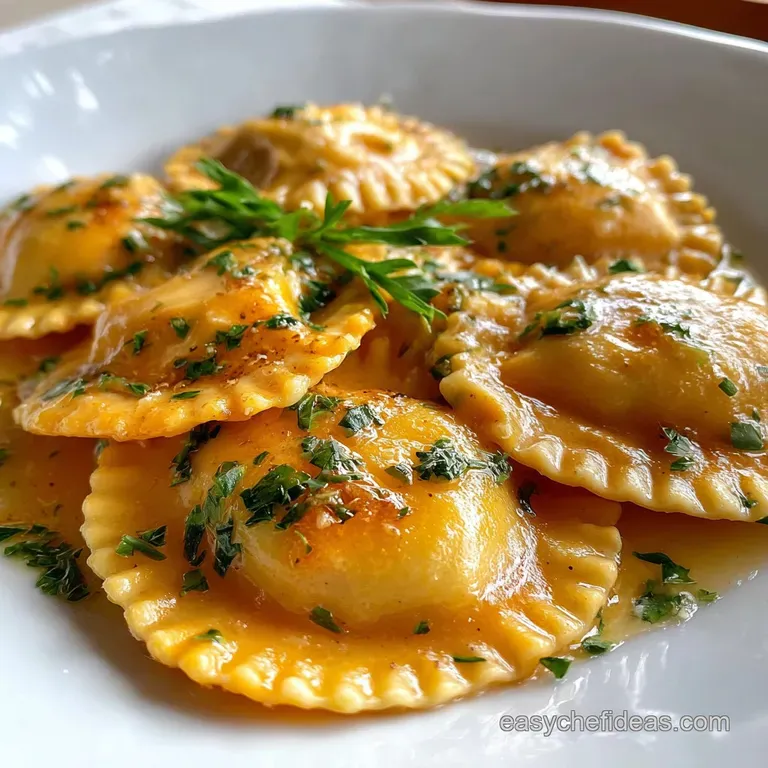
- Time: Active 45 minutes, Passive 1 hours, Total 1 hours 45 mins
- Flavor/Texture Hook: Velvety squash filling encased in tender egg pasta with a shatter crisp sage finish
- Perfect for: Slow Sunday family gatherings or a thoughtful, nourishing dinner for two
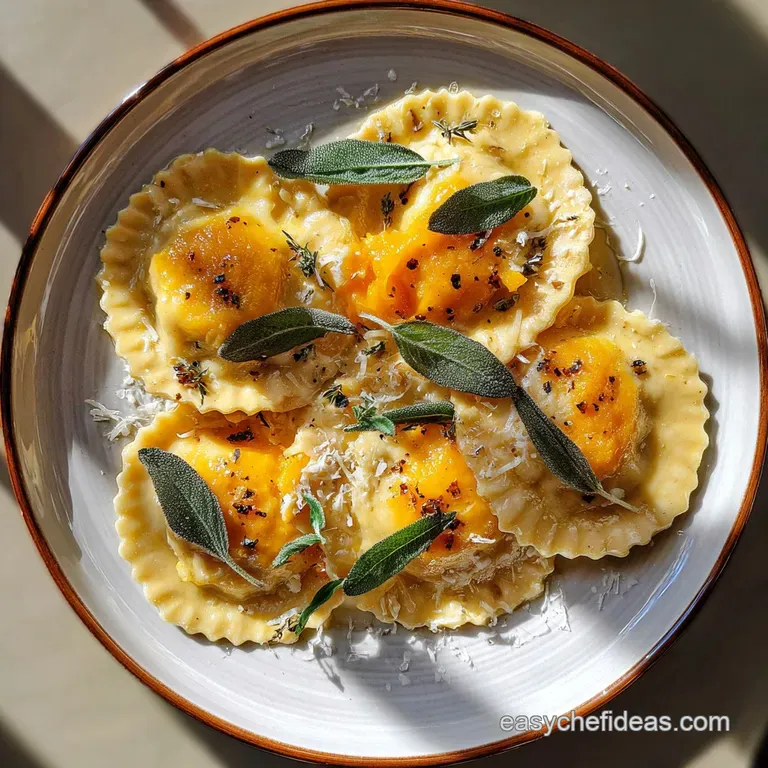
- Handmade Butternut Squash Ravioli with Sage Brown Butter
- The Science Behind Velvety Squash and Silky Pasta
- Precise Measurements for a Reliable Homemade Pasta Result
- Sourcing the Elements for a Deeply Nourishing Filling
- Tools to Shape Your Authentic Italian Pasta Creation
- Step by Step Guide to Crafting Filled Pasta
- Correcting Common Texture Issues for Better Results
- Adapting the Recipe for Different Dietary Needs
- Keeping Your Ravioli Fresh for Future Gatherings
- Thoughtful Pairings to Enrich Your Dining Experience
- Butternut Squash Ravioli FAQs
- 📝 Recipe Card
Handmade Butternut Squash Ravioli with Sage Brown Butter
The kitchen completely transforms when the scent of roasting squash begins to mingle with the woody aroma of fresh sage. I remember the first time I tried making this, I was so intimidated by the idea of "handmade" pasta, but there is something deeply meditative about the process.
You start with a pile of flour, a few eggs, and suddenly you have created a meal that feels like a warm hug. It's about more than just food, it's about the community that forms when we share something made entirely from scratch.
The real magic happens when that first batch of butter begins to foam and sizzle in the pan. The milk solids toast into tiny golden specks, and the sage leaves go from soft to crackling crisp in seconds.
When you toss the tender squash ravioli into that sauce, the contrast between the velvety filling and the nutty, salty exterior is honestly life changing. We're not looking for something basic here, we're building layers of flavor that celebrate the diversity of the season.
The Science Behind Velvety Squash and Silky Pasta
Starch Dehydration: Roasting the squash instead of boiling it removes excess water, which concentrates the natural sugars and prevents the filling from becoming a soggy mess that tears the pasta.
Gluten Relaxation: Letting the dough rest for 30 minutes allows the protein bonds to loosen, ensuring the pasta is easy to roll thin without it snapping back like a rubber band.
Emulsion Stability: Adding a splash of pasta water to the brown butter creates a light, silky glaze that clings to the ravioli rather than just coating them in grease.
| Cooking Method | Prep Time | Resulting Texture | Best For |
|---|---|---|---|
| Oven Roast | 60 minutes | Concentrated, sweet, and dry | Traditional, deep flavor |
| Stovetop Steam | 20 minutes | Mild, moist, and soft | Quicker prep (requires extra straining) |
| Pressure Cook | 10 minutes | Very soft and watery | Purees only (needs thickening agents) |
Roasting is my absolute go to because it brings out those charred, caramel notes that steaming just can't touch. If you have the time, let the oven do the heavy lifting for you while you prep the dough.
Precise Measurements for a Reliable Homemade Pasta Result
| Ingredient | Science Role | Pro Secret |
|---|---|---|
| Type 00 Flour | Provides fine protein structure | Sift it twice for a cloud like texture |
| Large Eggs | Fat and protein binder | Use room temp eggs to avoid dough "shaking" |
| Whole Milk Ricotta | Adds creamy moisture | Strain it for 2 hours to prevent leaks |
| Fresh Nutmeg | Aromatic contrast | Grate it fresh; the pre ground stuff is dull |
Chef's Tip: If your kitchen is particularly dry, keep a spray bottle of water nearby. A tiny misting on your dough as you knead can prevent it from cracking without making it sticky.
Sourcing the Elements for a Deeply Nourishing Filling
To make this Butternut Squash Ravioli truly special, we need to focus on the quality of each component. This isn't just about filling pasta, it's about choosing ingredients that nourish and delight.
- 300g Type 00 Flour: Why this? The fine grind creates a supple, silky dough that won't feel heavy.
- 3 Large Eggs: Why this? They provide the rich color and essential protein for the pasta's structure.
- 1 tsp Extra Virgin Olive Oil: Adds a hint of elasticity to the dough.
- 1/2 tsp Sea Salt: Enhances the natural flavors of the flour and squash.
- 1 medium Butternut Squash (approx. 2 lbs): The star of the show, halved and seeded.
- 125g Whole Milk Ricotta: Why this? Provides the creamy base for the squash puree.
- 50g Parmigiano Reggiano: Finely grated for a sharp, salty kick.
- 1/4 tsp Nutmeg: Freshly grated is a must for that classic earthy aroma.
- 1/2 tsp Black pepper: To balance the sweetness of the squash.
- 115g Unsalted Butter: The foundation of our golden sauce.
- 15 Fresh Sage Leaves: They will become crisp, savory chips in the butter.
- 32g Toasted Pepitas: Adds a necessary crunch and nutty finish.
| Original Ingredient | Substitute | Why It Works |
|---|---|---|
| Type 00 Flour | All Purpose Flour | Similar protein, though the texture will be slightly chewier. |
| Ricotta | Goat Cheese | Adds a tangy, creamy depth. Note: Much sharper flavor profile. |
| Sage Leaves | Fresh Rosemary | Provides a piney, earthy aroma. Note: Use much less as it's stronger. |
Tools to Shape Your Authentic Italian Pasta Creation
You don't need a professional kitchen to pull this off, but a few specific tools make the process much smoother. I personally love using a hand cranked pasta machine because it gives you total control over the thickness.
If you're feeling adventurous, a simple rolling pin works too, but be prepared for a bit of a workout.
You will also want a sharp bench scraper. It's the best tool for cleaning your work surface and cutting the dough without dragging it. For the filling, a fine mesh strainer is non negotiable for the ricotta.
If that cheese is too wet, your ravioli will literally dissolve in the pot, and we definitely want to avoid that heartbreak.
step-by-step Guide to Crafting Filled Pasta
- Roast the squash. Place the halved squash cut side down at 375°F for 1 hour until the skin is blistered and the flesh is tender.
- Strain the ricotta. Place the cheese in a fine mesh sieve for at least 30 minutes until a tablespoon of liquid has drained.
- Prepare the filling. Scoop out the roasted squash and mash with the strained ricotta, Parmigiano Reggiano, nutmeg, and pepper.
- Mix the dough. Create a well with the 300g flour, add the 3 eggs, oil, and salt, and slowly whisk with a fork.
- Knead the pasta. Work the dough for 10 minutes until the surface is smooth and bounces back when poked.
- Rest the dough. Wrap tightly in plastic and leave on the counter for 30 minutes. Note: This prevents the pasta from being tough.
- Roll the sheets. Use a pasta machine to roll the dough to the second to last setting until you can see the shadow of your hand through it.
- Assemble the ravioli. Place teaspoon sized mounds of filling 2 inches apart on one sheet, then drape the second sheet over.
- Seal and cut. Press out all air bubbles firmly and cut with a fluted wheel or knife.
- Boil and sauce. Cook in salted water for 4 minutes, then toss in the sizzled brown butter and sage until the pasta is glazed and the leaves are crisp.
If you enjoy the earthy sweetness of this dish, you might also find the flavor profile of this Autumn Comfort Butternut recipe quite interesting for your next dinner party.
Correcting Common Texture Issues for Better Results
Why Your Ravioli Are Soggy
If the filling has too much moisture, the pasta absorbs it from the inside out. This usually happens if the squash was steamed instead of roasted, or if the ricotta wasn't drained properly. The result is a gummy, unappetizing texture that falls apart.
Why the Pasta is Tough
A rubbery pasta sheet is usually the result of under resting the dough or over kneading it without giving the gluten a break. If you try to roll it and it keeps shrinking back, walk away for 15 minutes and let it sit.
| Problem | Root Cause | Solution |
|---|---|---|
| Bursting in water | Air bubbles trapped inside | Press firmly around the filling to expel all air before sealing. |
| Filling is bland | Under seasoning the squash | Add an extra pinch of salt and Parmigiano Reggiano to the puree. |
| Dough is crumbly | Not enough moisture/eggs | Add water one teaspoon at a time until the dough clings together. |
Common Mistakes Checklist
- ✓ Always salt your pasta water until it tastes like the sea; it's the only chance to season the dough itself.
- ✓ Don't skip the dough rest; 30 minutes is the difference between silky and chewy.
- ✓ Remove as much air as possible from the ravioli "pockets" to prevent them from inflating and popping.
- ✓ Use a wide, shallow pan for the brown butter so the ravioli have room to toast without crowding.
- ✓ Toast your pepitas separately to ensure they stay crunchy and don't get soggy in the sauce.
Adapting the Recipe for Different Dietary Needs
Making sure everyone at the table feels included is a big part of the culture of cooking. While this recipe is traditional, it can be adjusted to fit various lifestyles.
- For a Vegan Variation: Swap the eggs for 150ml of water mixed with 1 tbsp of olive oil. Replace the ricotta and Parmigiano with a mixture of cashew cream and nutritional yeast. Use a high-quality vegan butter for the sauce.
- For an Easy Butternut Squash Ravioli (30 Minute Shortcut): If you're short on time, use high-quality wonton wrappers instead of making the dough from scratch. They are thin, reliable, and cook in about 2 minutes.
- For a gluten-free Option: Use a 1 to-1 gluten-free flour blend and add 1 tsp of xanthan gum to help with elasticity. Be careful, as GF dough is more fragile and might require a slightly thicker roll.
Decision Shortcut If you want a richer flavor, add 1 tsp of balsamic glaze to the brown butter sauce at the very end. If you want more texture, double the amount of toasted pepitas and add some crispy pancetta bits.
If you want a lighter meal, skip the butter sauce and toss the ravioli in a simple lemon and garlic olive oil.
Keeping Your Ravioli Fresh for Future Gatherings
Homemade pasta is a gift to your future self. I almost always make a double batch because these freeze beautifully.
Storage: Keep cooked ravioli in an airtight container in the fridge for up to 3 days. To reheat, briefly sauté them in a pan with a little butter or oil to bring back that slight crispness. Avoid the microwave, as it tends to make the pasta rubbery and the filling dry.
Freezing: This is the best way to preserve them. Place uncooked ravioli on a parchment lined baking sheet in a single layer (not touching) and freeze for 2 hours. Once they are solid, transfer them to a freezer bag. They will stay fresh for up to 3 months.
When you're ready to eat, drop them straight from the freezer into boiling water no need to thaw! Just add 1-2 minutes to the cook time.
Zero Waste Tip: Don't throw away those squash seeds! Rinse them, toss with a little olive oil and salt, and roast them alongside the squash for a snack. Also, the pasta scraps can be cut into irregular shapes (maltagliati) and dried for use in a rustic soup later in the week.
Thoughtful Pairings to Enrich Your Dining Experience
The flavor map of this dish is quite specific: we have the sweetness of the squash, the saltiness of the cheese, and the earthy, nutty notes of the butter and sage. To balance this, you want something with a bit of acidity or bitterness.
- - Sweet
- Caramelized roasted squash filling
- - Savory
- Aged Parmigiano Reggiano and sea salt
- - Earthy
- Toasted sage and freshly grated nutmeg
- - Nutty
- Golden brown butter and pepitas
A crisp green salad with a sharp lemon vinaigrette is the perfect companion to cut through the richness of the brown butter. If you want something more substantial, this Garlic Roasted Cauliflower recipe provides a lovely nutty contrast that complements the pepitas perfectly. For wine, look for a dry white like a Vermentino or a lightly oaked Chardonnay. The acidity will brighten the whole meal, making every bite of your Butternut Squash Ravioli feel as fresh as the first. Trust me, when you sit down with a plate of these, you'll see exactly why the effort is worth it. It’s about more than just dinner; it’s about the joy of creating something beautiful with your own hands.
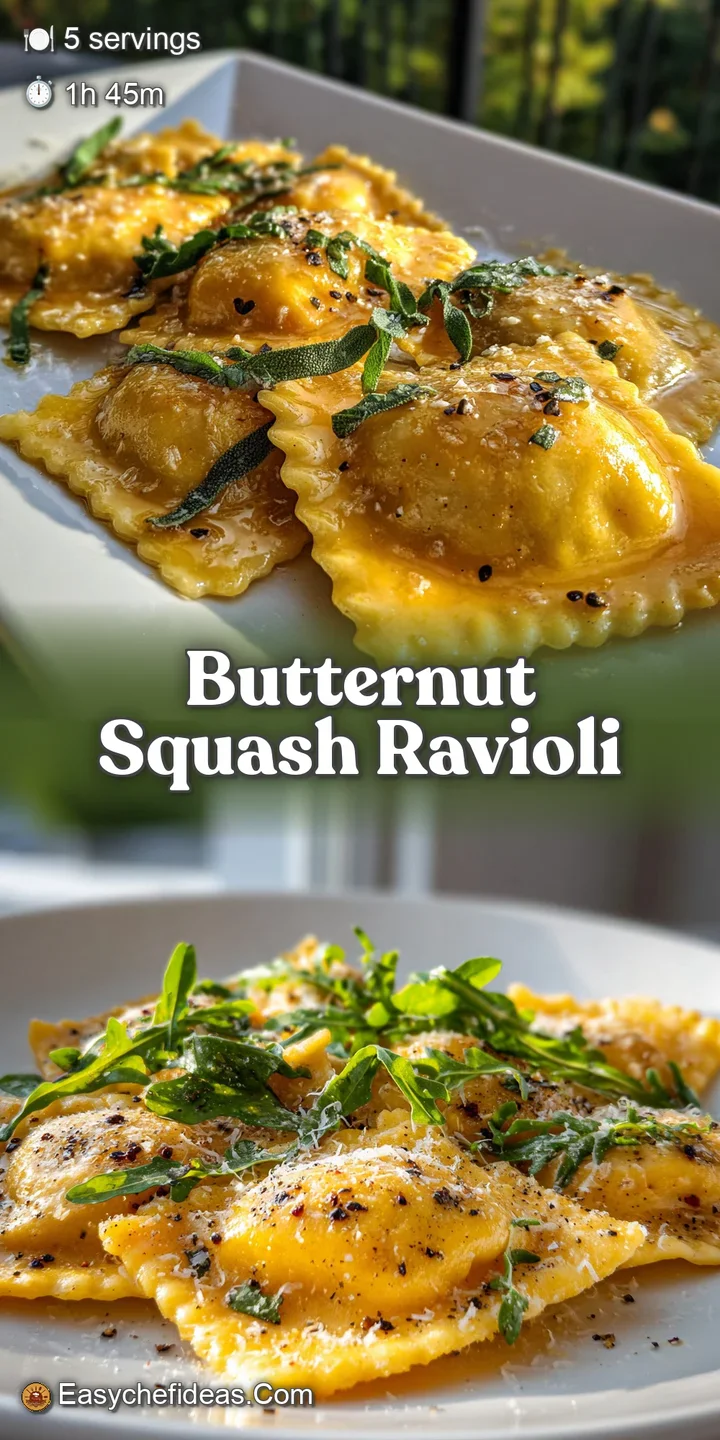
Butternut Squash Ravioli FAQs
What sauce is good for butternut squash ravioli?
Brown butter and sage. This classic pairing enhances the squash sweetness with nutty depth and herbaceous aroma. It’s simple enough not to overpower the filling, allowing the roasted flavor to shine through.
What pairs well with butternut squash ravioli?
A bright, acidic side salad. The richness of the pasta and brown butter sauce benefits greatly from something crisp to cleanse the palate. A simple mix of arugula with a sharp lemon vinaigrette is ideal.
Does alfredo sauce go with butternut squash ravioli?
No, it risks overwhelming the dish. Alfredo is very rich, and when combined with a creamy squash filling, it creates a texture that can feel too heavy. You lose the delicate flavor of the squash.
What is the best sauce to have with ravioli?
A simple, emulsified glaze is superior. The best sauces clarify and coat the pasta without drowning it, like a brown butter sauce tossed with pasta water. If you enjoyed mastering the texture control in the pasta dough, this technique of creating a light glaze is key to a restaurant quality finish.
How do I keep my homemade ravioli from bursting when boiling?
Press out all air pockets before dropping them in water. When sealing the edges, use your fingertips or the back of a fork to firmly push the air out from around the filling. Trapped air expands rapidly when heated, causing the pasta skin to rupture.
Can I substitute goat cheese for ricotta in the filling?
Yes, but expect a much tangier flavor profile. Goat cheese introduces significant acidity and sharpness compared to mild ricotta. If you prefer a less intense flavor, use only half goat cheese and half ricotta, similar to how you balance sweet and tart elements in many baked goods.
Can I use pre-made pasta sheets instead of making fresh dough?
Yes, for a quick alternative, use wonton wrappers. Wonton wrappers are thin and require minimal cooking time, offering a speed advantage. If you're new to this, mastering the technique of dough handling in this recipe will make you much more proficient for future pasta projects.
Butternut Squash Ravioli Recipe
Ingredients:
Instructions:
Nutrition Facts:
| Calories | 635 calories |
|---|---|
| Protein | 19g |
| Fat | 33g |
| Carbs | 69g |
| Fiber | 5g |
| Sugar | 5g |
| Sodium | 510mg |
