Buffalo Sauce Recipe: Silky and Tangy
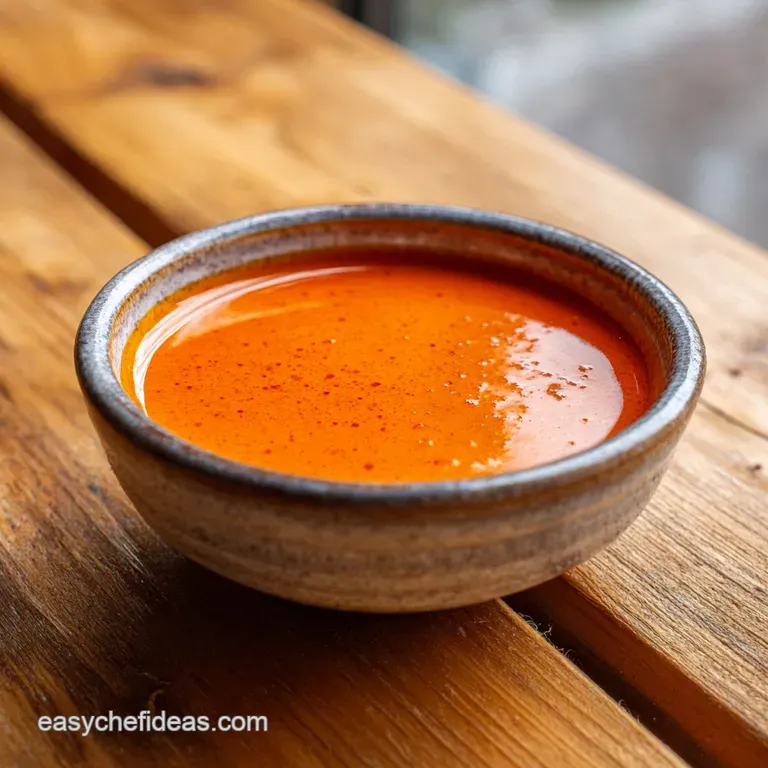
- Time: Active 2 mins, Passive 3 mins, Total 5 mins
- Flavor/Texture Hook: Silky, tangy, and subtly smoky
- Perfect for: Game day wings, spicy dipping, or a zesty salad drizzle
- Create a Perfect Buffalo Sauce Recipe
- Why This Emulsion Works Perfectly
- Decoding the Flavor Components
- The Core Flavor Building Blocks
- Simple Tools for Best Results
- Clear Step-by-Step Sauce Instructions
- Troubleshooting Your Buffalo Sauce
- Tasty Variations to Try Now
- Storage and Reheating Tips
- Delicious Ways to Serve Sauce
- Recipe FAQs
- 📝 Recipe Card
Create a Perfect Buffalo Sauce Recipe
You know that specific aroma that hits you the moment you walk into a great wing joint? It’s that sharp, vinegary sting that makes your mouth water before you even see a menu. For years, I tried to replicate it by just dumping bottled hot sauce over my chicken.
The result was always a watery, one dimensional mess that lacked that luxurious "cling" we all crave. I finally realized the mistake: I was treating it like a condiment when I should have been treating it like a classic French emulsion.
Homemade buffalo sauce is all about the contrast between the aggressive heat of cayenne and the soothing richness of fat. When you get it right, the sauce shouldn't just taste hot; it should feel like silk on your tongue.
We’re going to use cold butter to build a structure that stands up to the vinegar, creating a coating that stays put on every crispy bite. Trust me, once you see how that cold butter swirls into the simmering sauce, you’ll never go back to the pre made bottles again.
This version is specifically designed to nourish those cravings for big, bold American flavors while keeping things incredibly simple. We are combining the culture of the classic Buffalo, New York staple with a few tiny tweaks like a whisper of smoked paprika to give it more depth than your average sports bar variety.
It’s quick, but the technique is what makes it feel special. Let’s get into how we make this magic happen in just five minutes.
Why This Emulsion Works Perfectly
Kinetic Emulsification: Whisking cold butter into a hot liquid breaks the fat into tiny droplets that stay suspended rather than melting into an oily slick.
Acidity Balance: The white distilled vinegar sharpens the natural tang of the cayenne, cutting through the heavy fat of fried foods.
Flavor Layering: Smoked paprika provides an earthy baseline that complements the sharp, bright notes of the 3/4 cup cayenne pepper hot sauce.
| Method | Total Time | Texture | Best For |
|---|---|---|---|
| Stovetop | 5 minutes | Silky and Thick | Maximum Emulsion |
| Microwave | 2 minutes | Thinner/Broken | Fast Dipping |
| Small Slow Cooker | 1 hours | Deeply Infused | Large Parties |
The stovetop method remains my favorite because you have total control over the heat. When you use a microwave, the butter often melts too quickly, leading to a sauce that separates within minutes. Using a small saucepan allows the flavors to meld while you stabilize the mixture with a whisk.
Decoding the Flavor Components
| Ingredient | Science Role | Pro Secret |
|---|---|---|
| Unsalted Butter | Emulsifier & Fat | Use it straight from the fridge to control the melting rate. |
| Cayenne Hot Sauce | Acidic Base | Choose a vinegar forward brand like Frank's for the most authentic bite. |
| Worcestershire | Umami Booster | This adds a fermented, savory depth that balances the heat. |
Adding that tiny 1/2 teaspoon white distilled vinegar might seem redundant since hot sauce is already vinegary, but it provides a "top note" of brightness. It wakes up the heavy butter and ensures the sauce doesn't feel "muddy" on the palate.
The Core Flavor Building Blocks
The beauty of this buffalo sauce recipe lies in its simplicity, but the quality of your ingredients really matters here. I always reach for unsalted butter because it allows me to control the seasoning precisely with that 1/8 teaspoon fine sea salt.
- 3/4 cup cayenne pepper hot sauce: This is your foundation. Look for a sauce where cayenne and vinegar are the primary ingredients. Why this? Provides the signature "Buffalo" tang and medium level heat.
- 1/2 cup unsalted butter, cold and cubed: Don't use room temperature butter here. Why this? Cold fat incorporates more slowly, creating a stable, velvety emulsion.
- 1 teaspoon Worcestershire sauce: This is the secret to a professional flavor profile. Why this? Adds fermented complexity and a touch of savory umami.
- 1/2 teaspoon white distilled vinegar: Just a splash for extra brightness.
- 1/2 teaspoon garlic powder: For an aromatic punch without the texture of fresh garlic.
- 1/4 teaspoon onion powder: Provides a subtle, sweet savory background note.
- 1/4 teaspoon smoked paprika: Adds a very faint "grilled" aroma.
- 1/8 teaspoon fine sea salt: To sharpen all the other flavors.
- 1 pinch cayenne pepper: Optional, for those who want an extra kick of heat.
If you find yourself out of white vinegar, a splash of lemon juice is a great substitute. It brings a different kind of brightness that works well with chicken.
| Original Ingredient | Substitute | Why It Works |
|---|---|---|
| Unsalted Butter | Ghee | Note: Higher smoke point but results in a less creamy, more oily texture. |
| Garlic Powder | Fresh Minced Garlic | Adds texture and a sharper, more aggressive bite. |
| Smoked Paprika | Liquid Smoke (1 drop) | Provides the same woodsy aroma without the red color. |
Simple Tools for Best Results
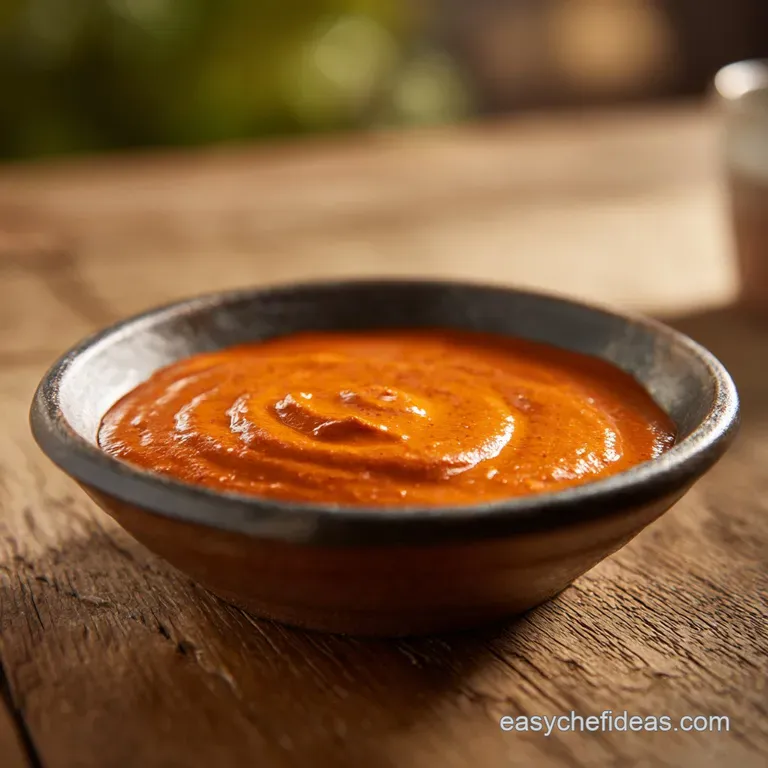
You don't need a high tech kitchen to master this sauce, but a few specific items make the process much smoother. I highly recommend using a small, heavy bottomed saucepan. This ensures the heat is distributed evenly so your 3/4 cup cayenne pepper hot sauce doesn't scorch or evaporate too quickly.
A wire whisk is your best friend for this recipe. You need something that can move quickly to incorporate the 1/2 cup unsalted butter as it melts. If you only have a fork, you'll likely end up with a broken sauce.
Finally,, a set of glass measuring cups helps you prep your spices ahead of time so you aren't fumbling with jars while the sauce is simmering.
Clear step-by-step Sauce Instructions
- Prep the butter. Slice your 1/2 cup unsalted butter into small, even cubes and place them back in the fridge until the very last second. Note: Keeping it cold is the secret to the texture.
- Combine the liquid base. Pour the 3/4 cup cayenne pepper hot sauce, 1 teaspoon Worcestershire sauce, and 1/2 teaspoon white distilled vinegar into your small saucepan.
- Add the dry seasonings. Stir in the 1/2 teaspoon garlic powder, 1/4 teaspoon onion powder, 1/4 teaspoon smoked paprika, 1/8 teaspoon fine sea salt, and a pinch of cayenne pepper.
- Heat the mixture. Place the pan over medium heat and bring the liquid to a gentle simmer until small bubbles form around the edges.
- Reduce the heat. Once simmering, turn the heat down to low. You don't want the liquid to be boiling when the butter hits the pan.
- Begin the emulsion. Add two or three cubes of the cold butter into the pan and whisk vigorously.
- Continue adding fat. Add the remaining 1/2 cup unsalted butter cubes one at a time, whisking constantly until the sauce is glossy and thick.
- Final check. Remove the pan from the heat immediately once the last bit of butter has melted.
- Rest the sauce. Let it sit for 1 minute until the surface looks velvety and opaque.
This sauce is perfect for tossing with poultry. If you're looking for a healthier lunch option, this sauce works beautifully in The Classic Buffalo recipe. The way the butter coats the chicken breast keeps the meat tender and juicy even if you're meal prepping it for later in the week.
Troubleshooting Your Buffalo Sauce
Why Your Sauce Separated
This usually happens if the sauce gets too hot after the butter is added. If you see yellow oil pooling on top of the red sauce, your emulsion has "broken." The milk solids have separated from the fat, and the sauce will feel greasy rather than creamy.
Why Your Sauce Is Thin
If the sauce feels watery, you might not have used enough butter, or the hot sauce you started with was very thin. A good buffalo sauce relies on the ratio of fat to liquid to create body. Make sure you are using the full 1/2 cup of butter for every 3/4 cup of hot sauce.
| Problem | Root Cause | Solution |
|---|---|---|
| Oily surface | Heat too high | Remove from heat and whisk in a splash of cold hot sauce. |
| Too salty | Butter choice | Note: If you used salted butter, add a pinch of sugar to balance it. |
| Muted flavor | Cold storage | Reheat gently; cold temperatures dull the perception of spice. |
Common Mistakes Checklist
- ✓ Never let the sauce come to a rolling boil after the butter is added.
- ✓ Don't skip the Worcestershire sauce; it provides the essential depth.
- ✓ Always use a whisk, not a spoon, to ensure the fat droplets are small enough.
- ✓ Avoid using low-fat butter spreads, as they contain too much water to emulsify.
- ✓ Add the butter in stages rather than dumping it all in at once.
Tasty Variations to Try Now
If you want a sweeter profile, try adding a tablespoon of honey during the simmering stage. This creates a "Hot Honey Buffalo" that is incredible on crispy cauliflower or nuggets. The honey also helps the sauce thicken even more, giving it a sticky, glaze like quality.
For a more intense garlic experience, you can sauté two cloves of fresh minced garlic in a teaspoon of butter before adding the liquid ingredients. This adds a pungent, rustic feel to the sauce. If you want to offer a variety of flavors at your next party, pair this with my Garlic Parmesan Sauce recipe. Having a creamy, garlicky option alongside the spicy buffalo makes for a legendary snack spread.
Decision Shortcut
- If you want a thicker dip, whisk in 2 tablespoons of cream cheese at the very end until smooth.
- If you want extra heat, double the pinch of cayenne pepper and add a dash of your favorite habanero sauce.
- If you want a smokier finish, increase the smoked paprika to 1/2 teaspoon and add a tiny crack of black pepper.
Storage and Reheating Tips
You can store this sauce in an airtight glass jar in the refrigerator for up to 1 week. Because of the high butter content, the sauce will solidify into a thick paste when cold. This is actually quite useful if you want to use it as a spicy spread for sandwiches or wraps.
To reheat, avoid the microwave if possible. Place the desired amount of sauce in a small pan over very low heat. Whisk it constantly as it melts to re incorporate the fat. If it looks like it’s starting to separate, just add a teaspoon of water and whisk rapidly to bring the emulsion back together.
For long term storage, you can freeze the sauce in ice cube trays for up to 3 months. Just pop out a cube whenever you need a quick flavor boost for a single serving of wings.
Delicious Ways to Serve Sauce
While wings are the obvious choice, this sauce is a total workhorse in the kitchen. I love drizzling it over roasted Brussels sprouts or using it as a base for a buffalo chicken pizza. The richness of the butter prevents the dough from getting soggy while the cayenne cuts through the heavy mozzarella cheese.
For those who love a bit of kick with their steak, try my Horseradish Sauce For recipe as a secondary dipping option. The contrast between the vinegar heat of the buffalo and the nasal clearance of the horseradish is a fantastic sensory experience.
| Stovetop Coating | Oven Finishing |
|---|---|
| Toss wings in a bowl with warm sauce immediately after frying. | Brush sauce on wings during the last 5 minutes of baking. |
| Result: Maximum "wet" wing experience with lots of drip. | Result: A "tacky" glaze that is baked into the skin. |
No matter how you serve it, remember that the "shatter" of a crispy wing skin combined with the velvety texture of this sauce is the ultimate goal. Don't be afraid to get your hands messy that's part of the culture of a truly great buffalo experience!

Recipe FAQs
What are the ingredients in buffalo sauce?
Cayenne pepper hot sauce, unsalted butter, Worcestershire sauce, white distilled vinegar, garlic powder, onion powder, smoked paprika, and salt. These core components create the necessary tang, heat, and essential fatty emulsion that defines the classic flavor.
What is a 2 ingredient buffalo sauce?
No, a true two-ingredient sauce will lack necessary complexity. A minimal version often mixes only hot sauce and melted butter, but this fails to emulsify properly and tastes flat compared to recipes including an acid booster like vinegar.
What are the three ingredients in buffalo wing sauce?
Hot sauce, butter, and an umami source like Worcestershire sauce. While you can use only these three, adding a touch of acidity ensures the sauce remains bright and doesn't taste muddy after emulsification.
What is the secret ingredient in buffalo wings?
Worcestershire sauce is the hidden depth enhancer, not the heat source. It adds a fermented, savory complexity that perfectly balances the sharp vinegar in the hot sauce base. If you enjoyed mastering the flavor contrast here, see how we use similar balancing techniques in our Pepper Steak recipe.
How do I ensure my homemade buffalo sauce doesn't separate?
Whisk cold butter cubes slowly into the simmering liquid over low heat. The goal is to create a stable emulsion where the fat droplets are suspended evenly throughout the acid. If you are mastering this low and slow incorporation method, you’ll appreciate the stable texture achieved when following our Chocolate Sauce Recipe technique.
Can I use salted butter instead of unsalted butter in buffalo sauce?
Yes, but reduce the added salt significantly. Salted butter introduces variable sodium levels which can easily overpower the delicate balance needed in this spicy sauce. Always start by omitting the added salt if using salted butter.
What vinegar is best for authentic buffalo sauce flavor?
White distilled vinegar provides the sharpest, most authentic tang necessary. While a splash of apple cider vinegar works as a substitute, distilled white vinegar cuts through the butter richness with the classic bite you expect from Buffalo, NY style sauce.
Buffalo Sauce Recipe From Scratch
Ingredients:
Instructions:
Nutrition Facts:
| Calories | 83 kcal |
|---|---|
| Protein | 0.1 g |
| Fat | 9.2 g |
| Carbs | 0.4 g |
| Fiber | 0.1 g |
| Sugar | 0.2 g |
| Sodium | 358 mg |
