Boil Chicken Breast: Tender & Moist
- Time: Active 5 mins, Passive 15 mins, Total 20 mins
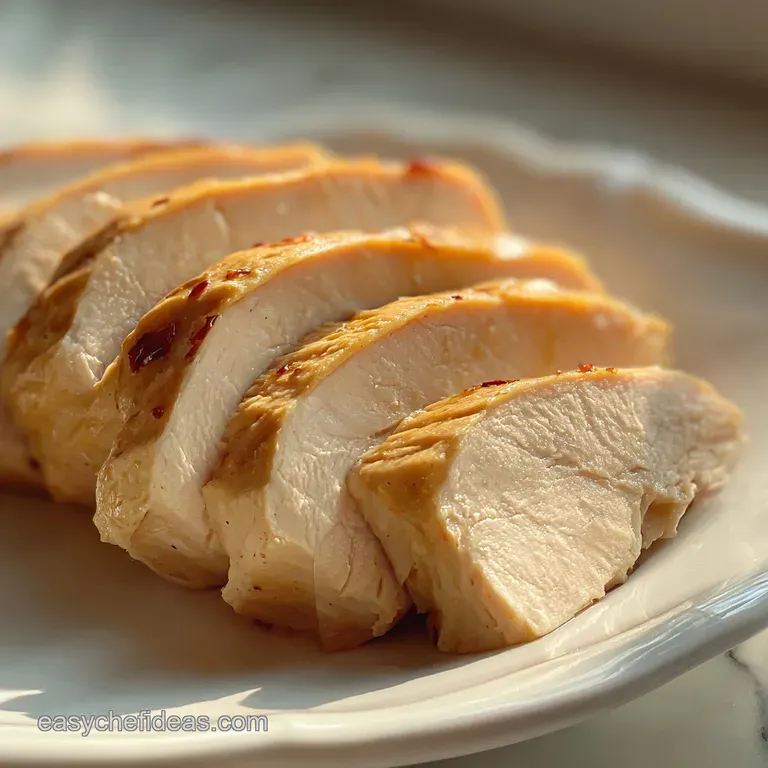
- Flavor/Texture Hook: Velvety, moist, and subtly aromatic
- Perfect for: High protein meal prep and effortless shredding
- Vital Recipe Specs for Flawless Results
- Component Deep Dive for Aromatic Success
- Critical Kitchen Tools for Poaching
- Layering Flavors Through Precision Heat
- Fixing Common Poaching Problems
- Adapting the Protein for Diverse Needs
- Storing Leftovers and Using Scraps
- Pairing Ideas for Harmonious Meals
- Boil Chicken Breast FAQs
- 📝 Recipe Card
The first time I tried to boil chicken, I treated it like pasta. I dropped the meat into a rolling, aggressive boil and walked away for twenty minutes. When I came back, the kitchen smelled like... well, nothing.
The chicken itself had the texture of an old eraser, and I ended up drowning it in mayo just to make it swallowable. It was a total disaster that almost turned me off from poaching forever.
But then, I learned about the "cold start." The moment you smell those smashed garlic cloves and peppercorns beginning to bloom as the water transitions from tepid to a gentle simmer, you realize you're not just cooking meat; you're building a base of flavor.
The aroma is subtle but clean, like a light broth being born. This technique changed everything for my weekly meal prep, and I've never looked back to the days of rubbery, sad poultry.
Vital Recipe Specs for Flawless Results
Achieving the right outcome depends on understanding the relationship between the thickness of your meat and the heat of your liquid. If we want a velvety result, we have to respect the internal temperature.
Unlike roasting, where high heat creates a crust, poaching relies on the steady transfer of energy through the liquid to keep the protein strands from tightening too aggressively.
The Physics of the Gentle Poach: Gradual heating prevents the muscle fibers from contracting too quickly and squeezing out all their internal moisture. By starting in cold liquid, the protein denatures slowly, maintaining a supple, tender structure.
Precision Timing and Visual Cues
| Thickness | Internal Temp | Rest Time | Visual Cue |
|---|---|---|---|
| 1 inch | 165°F (74°C) | 5 mins | Opaque throughout, no pink |
| 1.5 inches | 165°F (74°C) | 8 mins | Juices run clear when pierced |
| Frozen (1 inch) | 165°F (74°C) | 10 mins | Firm to the touch, not bouncy |
Getting this right means you can skip the guesswork. If you're looking for another reliable poultry method, the technique here is quite similar to my How To Boil recipe which focuses on efficiency.
Component Deep Dive for Aromatic Success
When we boil chicken breast, the liquid acts as a flavor delivery system. If you use plain water, you're missing a massive opportunity to nourish the meat from the inside out.
I always tell my friends to treat the poaching liquid like a tea it needs to be steeped with aromatics to offer anything meaningful to the chicken.
| Ingredient | Science Role | Pro Secret |
|---|---|---|
| Fine Sea Salt | Seasoning & Osmosis | Draws flavors into the center of the meat |
| Smashed Garlic | Allicin Release | Crushing the clove first maximizes sulfur compounds |
| Black Peppercorns | Pungency | Keep them whole to provide a slow, earthy heat |
| Fresh Herbs | Volatile Oils | Add them at the start to infuse the water |
Using high-quality aromatics transforms a basic boil chicken breast recipe into something that smells like a gourmet kitchen. For a different flavor profile entirely, you might enjoy how these aromatics play a role in my Healthy Greek Chicken recipe, though that version uses a different cooking heat.
The Essential Elements
- 2 lbs boneless, skinless chicken breasts: Why this? Lean protein that absorbs surrounding flavors incredibly well. (Substitute: Chicken thighs for a silkier, fattier texture).
- 1 tsp fine sea salt: Why this? Essential for seasoning the meat through the poaching liquid. (Substitute: Kosher salt).
- 1 tsp black peppercorns: Why this? Provides depth without discoloring the meat. (Substitute: White peppercorns).
- 2 cloves garlic, smashed: Why this? Adds a foundational savory note. (Substitute: Garlic powder, though fresh is better).
- 1 small onion, quartered: Why this? Provides sweetness and body to the water. (Substitute: Shallots or leeks).
- 2 sprigs fresh herbs: Why this? Rosemary or thyme adds a garden fresh aroma. (Substitute: Dried herbs in a pinch).
- 4 cups liquid: Why this? Use water or low sodium broth to fully submerge the protein. (Substitute: Half water, half dry white wine for elegance).
Critical Kitchen Tools for Poaching
You don't need a high end setup, but a heavy bottomed pot (like a Le Creuset or a standard Dutch oven) helps maintain a steady temperature. A thin, cheap pot will have hot spots that can lead to uneven cooking. Most importantly, have a pair of sturdy tongs ready.
You want to handle the meat gently so you don't tear the fibers before they've had a chance to set.
| Premium Tool | Budget Alternative | Flavor Impact | Savings |
|---|---|---|---|
| Dutch Oven | Large Saucepan | Better heat retention | Save $150+ |
| Digital Thermometer | Knife & Fork test | Guaranteed juiciness | Save $15 |
| Fresh Herbs | Dried Herbs | Brighter, cleaner finish | Save $3 |
If you have a digital meat thermometer, now is the time to use it. It is the single most effective way to prevent the dreaded rubbery texture that gives boiled chicken a bad name.
Layering Flavors Through Precision Heat

- Place the 2 lbs chicken breasts in a single layer at the bottom of your pot. Note: Don't stack them; they need equal access to the heat.
- Add the smashed garlic, quartered onion, peppercorns, salt, and herbs around the meat.
- Pour the 4 cups of liquid over the top until the chicken is covered by at least an inch.
- Turn the heat to medium high and wait until you see the first few bubbles break the surface.
- Immediately reduce the heat to low. The water should barely tremble, not bubble.
- Simmer for 12 to 15 minutes until the meat is opaque and reaches 165°F internally.
- Remove the pot from the heat and let the chicken sit in the liquid for 5 minutes. Note: This carryover cooking finishes the centers gently.
- Use tongs to transfer the meat to a cutting board.
- Shred immediately using two forks until you have long, tender strands.
- Store the poaching liquid; it makes a fantastic base for a boil chicken breast for soup later.
Chef's Tip: Freeze your butter for 10 minutes and grate a tiny bit over the shredded chicken while it's still hot. It adds a velvety richness that mimics slow roasted poultry.
Fixing Common Poaching Problems
We've all been there sometimes the meat just doesn't behave. If you find yourself wondering how long to boil chicken breast because it still looks pink, or if it's already too tough, there's usually a quick fix.
Often, the issue is simply the intensity of the heat or the timing of the shredding.
Troubleshooting Texture and Doneness
| Problem | Root Cause | Solution |
|---|---|---|
| Rubbery/Tough | Boiling too hard | Use a lower simmer next time; slice thinly against the grain |
| Dry Meat | Overcooked | Shred and toss with a splash of the poaching liquid |
| Bland Flavor | Under seasoned liquid | Increase salt and aromatics in the starting water |
Common Mistakes Checklist
- ✓ Never drop chicken into already boiling water; always start cold.
- ✓ Don't skip the resting period; it allows fibers to reabsorb moisture.
- ✓ Avoid "naked" water always add at least salt and one aromatic.
- ✓ Use a pot that isn't too large; you want the liquid concentrated around the meat.
- ✓ If you boil chicken breast from frozen, add 5 to 8 minutes to the simmer time.
Adapting the Protein for Diverse Needs
This recipe is a blank canvas. If you are preparing boil chicken breast for dog meals, simply omit the onions, garlic, and salt, as those can be harmful to pets. For humans, however, you can push the boundaries.
If you're doing a keto friendly week, toss the shredded meat in a buffalo sauce or a creamy pesto.
When scaling the recipe, keep in mind that doubling the chicken doesn't mean you need to double the salt. Aim for about 1.5 times the spices to avoid an oversalted result. If you are cutting the recipe in half, use a smaller saucepan so the chicken remains fully submerged in the liquid.
Nutritional Strategy Comparison
| Method | Best For | Trade off |
|---|---|---|
| Water Poach | Purest flavor, lowest calorie | Requires more aromatics to taste good |
| Broth Poach | Maximum savory depth | Higher sodium content |
| Bone in Poach | Richest texture | Takes 10-15 minutes longer to cook |
Storing Leftovers and Using Scraps
Once you have your easy boiled chicken breast ready, it stays fresh in the fridge for up to 4 days. Store it in an airtight container with a spoonful of the poaching liquid to keep it moist. For long term prep, you can freeze shredded chicken for up to 3 months.
I like to freeze it in 1 cup portions so I can grab exactly what I need for a quick salad or taco night.
Don't you dare throw away that liquid! It’s essentially a "light stock." Strain it through a fine mesh sieve and use it as the liquid for rice, quinoa, or as the base for a boil chicken breast for soup recipe later in the week.
It’s full of the collagen and flavor released during the poaching process, and it’s way better than anything in a carton.
Pairing Ideas for Harmonious Meals
This chicken is the ultimate teammate. Because the flavor is clean and savory, it fits into almost any culinary culture. I love using it in a quick boiled chicken breast salad with grapes and tarragon, or stuffing it into charred tortillas with plenty of lime and cilantro.
If you’re looking for a more structured meal, this chicken works beautifully in my Greek Chicken Bowls recipe, where the cool tzatziki provides a creamy contrast to the lean meat.
Three Ways to Use Your Shredded Chicken
- If you want a cozy meal, stir the shredded meat into a pot of wild rice soup with carrots and celery.
- If you want a fresh lunch, toss it with cold noodles, peanut sauce, and shredded cucumbers.
- If you want a protein boost, add it to a classic Caesar salad with extra parmesan and cracked pepper.
Debunking Kitchen Myths
A common misconception is that boiling chicken "locks in" the juice. In reality, any heat causes muscle fibers to contract. The goal isn't to lock anything in, but rather to minimize the contraction.
Another myth is that the white foam on top is "bad" it's actually just denatured protein (mostly albumin) and is perfectly safe to eat, though you can skim it off for a clearer broth. Trust the process, keep the heat low, and you'll have the most tender chicken of your life.
Boil Chicken Breast FAQs
How long do you boil chicken breast for?
Simmer for 12-15 minutes for 1 inch thick breasts. Always check for an internal temperature of 165°F (74°C) for safety and tenderness.
Do you put chicken in before or after the water boils?
Always start chicken in cold water. This allows the chicken to cook gently and evenly, preventing a tough exterior and ensuring a moist interior.
Is 20 minutes long enough to boil chicken?
Yes, for most standard chicken breasts. A 1 inch thick breast typically needs about 12-15 minutes of simmering after the water reaches a gentle boil, plus a 5-minute rest, so 20 minutes total is usually sufficient. If you enjoyed controlling the temperature here, you'll love applying it to our Gnocchi with Grilled Chicken in Roasted Red Pepper Sauce: Creamy Comfort.
Can you overcook chicken when boiling?
Absolutely, you can overcook chicken by boiling. Overcooking happens if you simmer it too long or at too high a temperature, which squeezes out moisture and results in a dry, rubbery texture. Using a meat thermometer is the best way to ensure perfect doneness.
What is the best way to boil chicken for shredding?
Start chicken in cold, seasoned water, then simmer gently. Cook until it reaches an internal temperature of 165°F (74°C), let it rest for 5-10 minutes, then shred with two forks while still warm for the easiest separation of fibers.
Should I add salt to the boiling water for chicken?
Yes, adding salt to the water is highly recommended. Salt not only seasons the chicken from the inside out as it cooks but also helps the meat retain moisture, leading to a more tender and flavorful result.
How do I make boiled chicken more flavorful?
Infuse the poaching liquid with aromatics. Beyond salt, add ingredients like smashed garlic, peppercorns, bay leaves, fresh herbs (like thyme or rosemary), or even a splash of white wine to the water before cooking for a richer flavor base.
Boil Chicken Breast
Ingredients:
Instructions:
Nutrition Facts:
| Calories | 268 kcal |
|---|---|
| Protein | 52 g |
| Fat | 5.6 g |
| Carbs | 1.2 g |
| Fiber | 0.2 g |
| Sugar | 0.5 g |
| Sodium | 610 mg |
