Greek Turkey Meatballs: Our Best Baked Recipe with Feta Mint
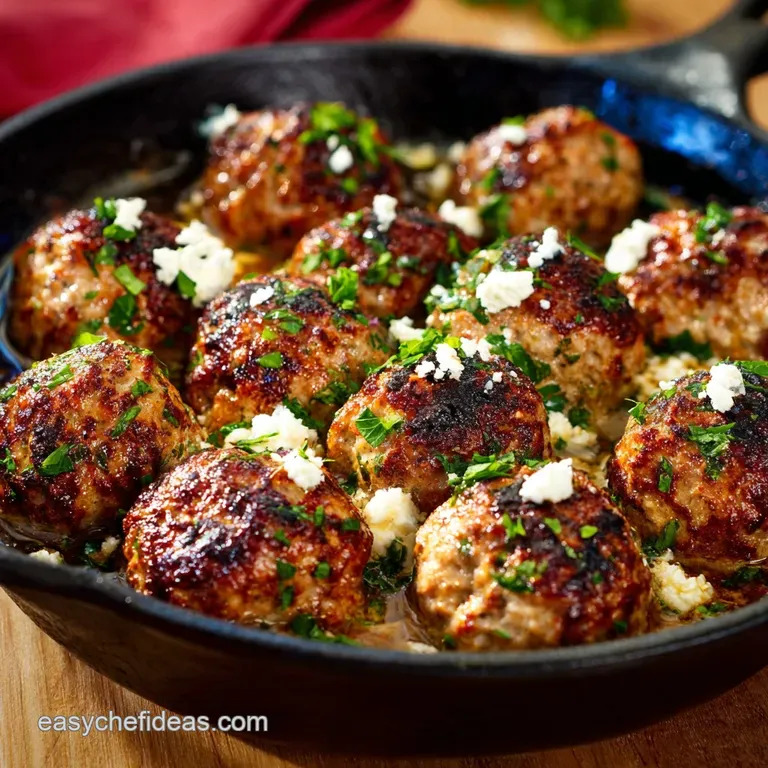
- The Aegean Anchor: Zesty Baked Greek Turkey Meatballs (Keftedakia Style)
- The Science of Flavor: Achieving Moist and Tender Turkey Meatballs
- Sourcing and Preparing Your Keftedakia: Essential Ingredients List
- From Bowl to Bake: The Definitive Method for Greek Turkey Meatballs
- Troubleshooting Your Keftedakia: Expert Tips for Success
- Meal Prep and Longevity: Storing and Freezing Greek Turkey Meatballs
- What to Serve With Greek Turkey Meatballs (Keftedakia Pairings)
- Recipe FAQs
- 📝 Recipe Card
The Aegean Anchor: Zesty Baked Greek Turkey Meatballs (Keftedakia Style)
The aroma of mint, lemon, and oregano hitting the oven vent? That's the immediate, glorious smell of dinner winning. These Greek Turkey Meatballs are baked perfection: incredibly tender inside, beautifully golden outside, and absolutely bursting with Mediterranean sunshine.
Seriously, they’re light years beyond those sad, dry turkey attempts we all made in the early 2000s.
Honestly, lean ground turkey can be notoriously boring, but not here. This recipe is a total weeknight lifesaver super fast, loaded with intense flavor thanks to the generous hit of sharp feta and fresh herbs, and light enough that you don't feel guilty eating three too many.
It’s budget friendly perfection and my go-to when I want something satisfying but quick.
I've spent years perfecting the juicy turkey meatball (my first attempts were truly like dry hockey pucks, trust me). I’m sharing every trick I learned, from the secret chill time to the absolutely essential tangy lemon yogurt dip.
Let's crack on and get these Greek Keftedakia style beauties onto your dinner table ASAP.
The Science of Flavor: Achieving Moist and Tender Turkey Meatballs
We are aiming for a meatball that is both robustly flavored and incredibly moist, which is tricky when dealing with low-fat ground turkey. The secrets lie in the binder, the fat we add back, and the specific choice of herbs.
This isn't just mixing ingredients; it’s building a flavor profile that stands up to baking.
Unpacking Keftedakia Style: What Makes These Meatballs Greek?
Keftedakia are traditional Greek meatballs, usually made from pork or beef, but the key flavor components remain the same: intense freshness from mint, parsley, and lemon zest. They are typically smaller than Italian style meatballs, making them ideal for baking and serving as part of a mezze platter or quick appetizer.
The mint is non-negotiable here; it provides that iconic cool, earthy flavor that defines this cuisine.
Baking vs. Frying: Maximizing Moisture in Lean Turkey
We are baking these because it requires less added fat and provides a more consistent, gentle cook time. Frying can often result in a crispy exterior before the center is fully cooked, which risks drying out the lean turkey. By baking them at a high temperature and finishing with a quick broil, we get a tender center and a lovely golden crust without risking dryness, similar to how I approach my Air Fryer Turkey Breast: Ultra Crispy Skin, Moist Ready in 60 Mins .
The Speedy Lemon Yogurt Dip: Your Essential Serving Partner
You need acidity to cut through the richness of the feta and the dense texture of the turkey. The dip is simple, but its brightness makes the entire meal sing. This isn't quite tzatziki it’s faster, leaner, and designed to complement the specific herbs in the meatball. If you love that creamy, zesty flavor profile, you have to try it on my Greek Tzatziki Fish Tacos Healthy, Easy Weeknight Mediterranean Meal .
The Magic of Mint and Oregano: Capturing Mediterranean Aroma
Dried oregano provides the warmth and depth, but fresh mint provides the lift. When combined, these two herbs instantly transport the dish out of weeknight routine and onto the Aegean coast. Don't skimp on the fresh mint.
Feta Power: The Secret to Seasoning and Moisture Retention
Feta is the ultimate multitasker in this recipe. First, the saltiness of the cheese perfectly seasons the otherwise bland turkey mixture. Second, the little pockets of melted, briny cheese prevent the turkey from tightening up and drying out. It’s the moisture insurance policy we need.
Why Breadcrumbs Are Necessary for a Perfect Bind
Breadcrumbs, particularly Panko, absorb moisture from the other ingredients (like the egg, olive oil, and grated onion pulp) and expand slightly during cooking. This creates a perfect internal structure that remains light and tender, rather than dense and rubbery.
They are essential for binding the ingredients together so the meatballs don't crumble when you handle them.
Sourcing and Preparing Your Keftedakia: Essential Ingredients List
Quality ingredients make a difference here, especially since turkey has such a mild flavor. Spend the extra couple of minutes grating your own onion and chopping the fresh herbs.
Choosing the Best Ground Turkey: 93/7 vs. 99/1
Always, always aim for 93% lean ground turkey (93/7) for meatballs or meatloaf. The little bit of fat (7%) is crucial for flavor and, more importantly, moisture retention during over high heat baking.
While 99% lean sounds healthier, it results in a tough, dry product that you’ll have to drown in sauce.
Fresh vs. Dried Herbs: Adjusting the Measurement Ratio
This recipe leans heavily on fresh parsley and mint, complemented by dried oregano. If you must use dried mint and dried parsley, follow the one-third rule: use 1 tablespoon of the dried herb for every 3 tablespoons of fresh called for.
However, please try to source the fresh mint; it makes all the difference in these Greek meatballs.
Substitutions for the Breadcrumb Binder (gluten-free Options)
If you need a gluten-free option, or just ran out of Panko, you have excellent alternatives.
| Ingredient Missing | Recommended Substitute | Notes |
|---|---|---|
| Panko Breadcrumbs | Almond Flour | Use 3 Tbsp instead of 1/4 cup for a similar bind. |
| Panko Breadcrumbs | Quick Oats (blended) | Pulse oats briefly in a blender; works perfectly and adds fiber. |
| Feta Cheese | Ricotta Cheese | Ricotta provides moisture but less salt; increase the salt in the mix slightly. |
| Ground Turkey | Ground Lamb | Great flavor, but much fattier; reduce added olive oil to 1 tsp. |
Essential Tools: What You Need for Forming and Baking
You really only need a bowl and a baking sheet. Using a box grater for the onion and garlic is a brilliant hack for incorporating them fully without the nasty texture of large chunks. A small cookie scoop (about 1.5 inches) is ideal for uniform portioning; this ensures every meatball cooks at exactly the same rate.
From Bowl to Bake: The Definitive Method for Greek Turkey Meatballs
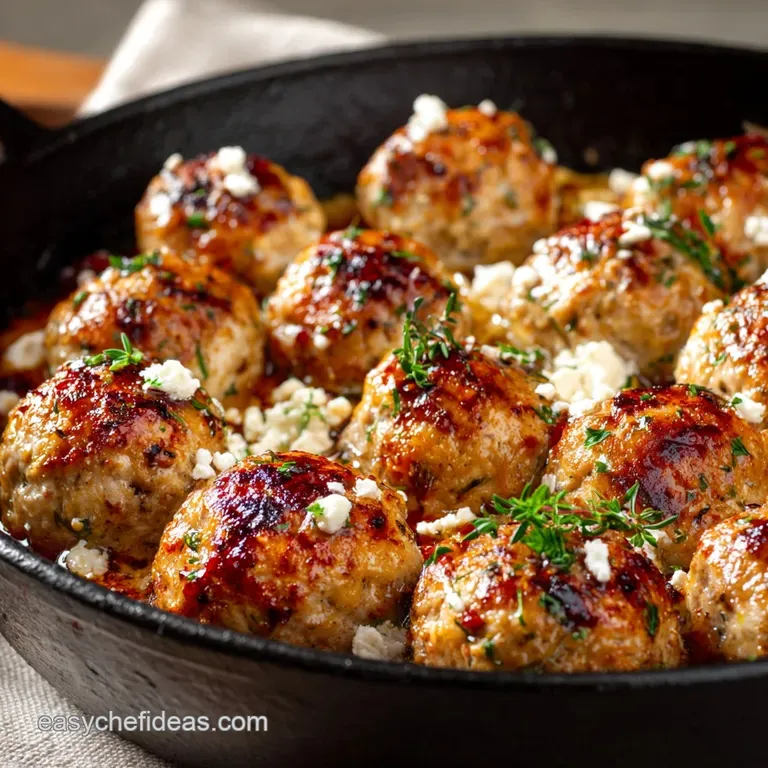
Follow these steps exactly, especially the part about chilling the mixture. It makes all the difference between perfect spheres and sad, flat discs.
The Art of Gentle Mixing: Preventing Overworking the Turkey
This is where people usually go wrong with lean meat like turkey (or when making a perfect Turkey Meatloaf: Never Dry! The Chefs Juicy Recipe with Tangy Glaze ). Once you add the turkey and feta, you must use a light hand. Mix until just combined, stopping the second you no longer see streaks of dry seasoning or feta pockets. Overmixing develops tough proteins, resulting in rubbery meatballs.
Chef's Note: Squeeze the Onion! Before mixing, grate your onion and garlic into a sieve or clean cloth and firmly squeeze out all the liquid. This step is non-negotiable! You want the flavor of the aromatics, not the watery mush that ruins your mixture's binding power.
Uniform Portioning: How to Achieve Consistent Cooking Times
Consistency is key for baking. I aim for 1.5 inch balls (about the size of a golf ball). Using a scoop guarantees uniformity. Remember to slightly dampen your hands with cold water before rolling; this prevents the turkey from sticking to your palms and keeps the shaping process quick and clean.
Precision Baking: Temperature and Time Guidelines
Bake at 400°F (200°C) on parchment paper. The high heat sets the crust quickly, trapping the moisture inside. They need 15– 16 minutes to cook through.
The final 2– 3 minutes under the broiler is crucial for achieving that beautiful golden brown color and slight crust.
Preparing the Tangy Lemon Yogurt Dipping Sauce
While the meatballs are in the oven, whip up the dip. It takes about two minutes. Use full fat Greek yogurt if possible; the extra fat provides a much smoother, richer mouthfeel than skim varieties. Combine the yogurt, fresh lemon juice, grated garlic, dill, and salt, and whisk until fluffy and smooth.
This dip should be bright and intensely lemony!
Troubleshooting Your Keftedakia: Expert Tips for Success
Why Are My Meatballs Crumbly? The Chill Factor Solution
The most common reason for crumbling or spreading meatballs is skipping the chilling time. When the mixture is cold, the fat firms up and the breadcrumbs have fully absorbed the moisture, which increases the structural integrity.
If they still feel too soft, add 1 more tablespoon of Panko and chill for another 10 minutes.
The Internal Temperature Target for Perfectly Cooked Turkey
Turkey must reach an internal temperature of 165°F (74° C) to be safe. Use an instant read thermometer inserted into the center of the largest meatball. Do not eyeball it undercooked turkey is dangerous, and overcooked turkey is dry. Pull them out the moment they hit 165°F.
Don't Skip the Zest: Maximizing Citrus Brightness
Lemon juice provides acidity, but lemon zest provides the intense, fragrant citrus oil. That oil is fat-soluble, meaning it permeates the meatball mixture during baking, adding a pervasive brightness that juice alone cannot achieve.
Use a microplane for the zest to avoid getting any bitter white pith.
Meal Prep and Longevity: Storing and Freezing Greek Turkey Meatballs
These are fantastic for meal prep. Make a huge batch and thank yourself later!
Freezing Meatballs Uncooked: A Time Saving Strategy
You can absolutely freeze these before baking. Shape the meatballs and place them on a parchment lined sheet pan (don't let them touch). Freeze for 2 hours until solid. Once frozen, transfer them to a heavy duty freezer bag or container. They will keep for up to 3 months.
When ready to cook, bake from frozen, adding about 5– 8 minutes to the total cook time.
Reheating Baked Meatballs Without Drying Them Out
The enemy of reheated turkey is dry heat. The best way to reheat is using a toaster oven or air fryer at 300°F (150°C) for about 5– 7 minutes until warmed through.
If using a microwave, place them on a plate and cover tightly with a damp paper towel to trap steam and prevent moisture loss.
Safe Refrigeration Timeline for Leftovers
Cooked Greek turkey meatballs will stay fresh in an airtight container in the refrigerator for 3 to 4 days . Make sure to separate them from the dipping sauce before storing.
What to Serve With Greek Turkey Meatballs (Keftedakia Pairings)
These pair perfectly with fresh, bright sides or can be the main protein in a hearty bowl.
- Lemon Herb Rice or Orzo: A simple side dressed with lemon juice, parsley, and olive oil is classic.
- Horiatiki Salad: The Greek standard of tomatoes, cucumber, red onion, and more feta (never lettuce!) provides a cool contrast.
- Simple Pitas: Wrap the meatballs inside warm pita bread with shredded lettuce, diced tomato, and a generous dollop of the lemon yogurt dip for a quick Gyro style wrap.
- Vegetable Stuffing: If you are batch cooking, these meatballs pair beautifully alongside the flavors found in my Turkey Stuffed Peppers Recipe: The Proper, Healthy Weeknight Dinner .
Recipe FAQs
Why are my Greek Turkey Meatballs tasting dry?
Turkey is inherently lean, so overmixing or overbaking are the primary culprits for dryness. Ensure you mix the ingredients only until just combined, as excessive handling develops the protein and makes the meatballs tough.
Always use an instant read thermometer and remove them from the oven promptly once they reach an internal temperature of 165°F (74°C).
My meatballs are falling apart during handling. What should I do?
This typically means there is too much moisture relative to the binder. If the mixture feels excessively wet, add one more tablespoon of dried breadcrumbs or finely ground oats to help absorb the excess liquid from the lemon and feta.
Chilling the formed meatballs for 15-20 minutes before baking also helps them set their shape firmly.
Can I use ground beef or lamb instead of turkey?
Absolutely, these Greek flavorings pair beautifully with other meats. If you use ground beef or lamb, they will have a higher fat content, resulting in a slightly richer flavor and naturally moister texture. Be aware that you might need to increase the baking time by 3-5 minutes to ensure they are fully cooked.
I don't have fresh mint. What is the best substitution?
While fresh mint is key to the authentic "Keftedakia" flavor profile, you can use 1/2 teaspoon of dried mint in a pinch, but crush it in your hand first to release its oils. Alternatively, increase the amount of fresh oregano and add a small pinch of fresh dill for a bright, Mediterranean aromatic complexity.
Can I pan-fry or air-fry these meatballs instead of baking them?
Yes, both methods work wonderfully. For air frying, toss the meatballs lightly in olive oil and cook at 375°F (190°C) for about 10 12 minutes until cooked through. To pan-fry, sear them in a lightly oiled pan over medium heat for about 4 5 minutes per side, ensuring they cook evenly all the way to the center.
How should I store and freeze these meatballs for batch cooking?
Once baked, allow the meatballs to cool completely, then store them in an airtight container in the refrigerator for up to 4 days. They freeze exceptionally well; place cooled meatballs on a baking sheet to flash freeze, then transfer them to a freezer bag for storage up to 3 months.
Reheat gently from frozen or thawed state in the oven.
How can I ensure these Zesty Meatballs are gluten-free?
To make this recipe gluten-free, simply substitute the standard breadcrumbs with gluten-free panko breadcrumbs, almond flour, or finely ground gluten-free crackers. Ensure the binding mixture holds together well before forming, adding a teaspoon more binder if necessary to prevent crumbling.
Always double check that your spices are certified gluten-free.
Baked Greek Turkey Meatballs With Feta Dip
Ingredients:
Instructions:
Nutrition Facts:
| Calories | 566 kcal |
|---|---|
| Protein | 50.4 g |
| Fat | 28.8 g |
| Carbs | 21.6 g |
