Authentic Wonton Soup: Savory Pork & Shrimp
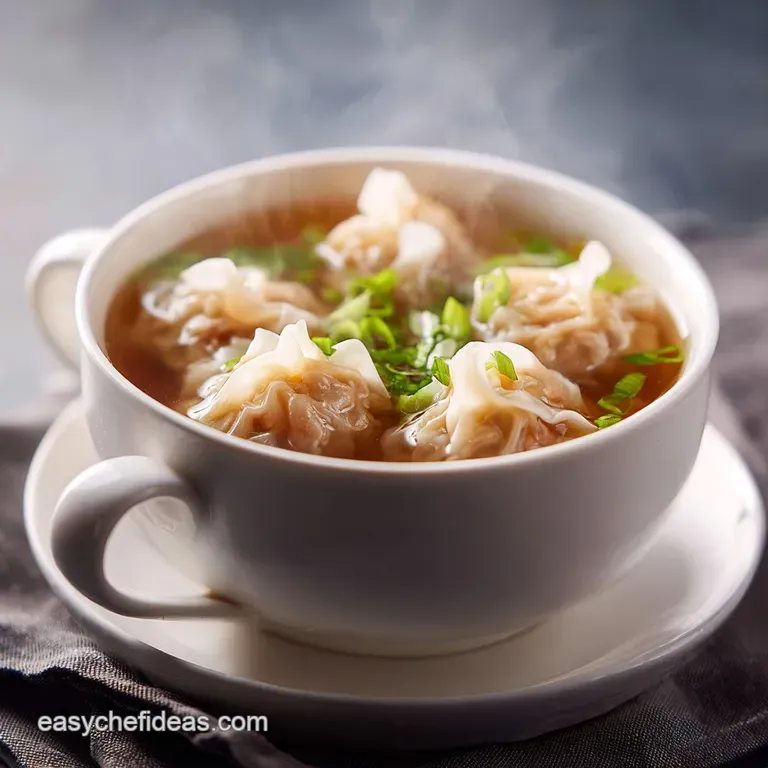
- Time: Active 40 minutes, Passive 15 minutes, Total 55 minutes
- Flavor/Texture Hook: Silky, slippery wrappers with a springy, savory shrimp and pork center.
- Perfect for: A comforting weekend project or a nourishing family dinner.
- Technical Secrets Behind Every Bowl
- Sourcing Elements for Nourishing Flavors
- Essential Tools for Efficient Folding
- Step Guide to Wonton Assembly
- Navigating Common Mistakes and Issues
- Intelligent Swaps for Diverse Diets
- Preservation Strategies for Batch Success
- Traditional Presentation and Finishing Touches
- Very High in Sodium
- FAQ
- Troubleshooting Common Issues
- Wonton Soup FAQs
- 📝 Recipe Card
Technical Secrets Behind Every Bowl
The magic of a great wonton isn't just luck; it’s actual kitchen physics working in your favor. When we talk about that "bouncy" texture in the meat, we are looking for a specific protein reaction that only happens with the right technique.
The Physics of the Snap: Vigorous stirring in one direction aligns the myosin proteins in the pork, creating a cross linked structure that traps juices and results in a springy, firm bite rather than a crumbly texture.
Starch Gelatinization: The cornstarch in the filling acts as a moisture binder, holding the fats and liquids in place during the rapid heat of boiling so the meat stays succulent.
Aromatic Infusion: Steeping the dried shrimp and ginger in the chicken stock allows fat soluble flavor compounds to distribute evenly, creating a multi layered broth that tastes like it simmered for days.
| Method | Time | Texture | Best For |
|---|---|---|---|
| Traditional Stovetop | 15 mins | Silky, translucent skins | Ultimate authenticity |
| Fast Hack (Frozen) | 8 mins | Slightly firmer skins | Busy weeknight cravings |
| Gentle Simmer | 20 mins | Maximum broth clarity | Professional presentation |
If you find yourself craving a bolder, spicier profile after mastering this classic, you should definitely check out the Wonton Wanna Bowl recipe which takes these same silky pockets and bathes them in a punchy hot and sour broth.
Chef's Tip: Freeze your peeled shrimp for 10 minutes before chopping. This makes it easier to get those clean, distinct chunks that provide a better "pop" in the filling compared to room temperature, mushy shrimp.
Sourcing Elements for Nourishing Flavors
Building this dish requires a balance of fresh produce and pantry staples that represent the diversity of Cantonese cuisine. We aren't just looking for salt; we are looking for the depth that comes from fermented soy and toasted oils.
Using the right fat to lean ratio in your pork is non negotiable for a silky mouthfeel.
The Savory Filling
- 225g ground pork (80/20 lean to fat): Why this? The 20% fat provides the necessary lubrication for a juicy, tender meatball center.
- Substitute: Ground chicken (thigh meat only) for a lighter but still moist alternative.
- 150g shrimp, peeled, deveined, and chopped: Why this? Adds the classic "snap" and sweetness that defines a Cantonese wonton.
- Substitute: Minced king oyster mushrooms for a different texture profile.
- 1 tbsp ginger, finely minced: Why this? Cuts through the richness of the pork and adds a sharp, fresh zing.
- Substitute: 1 tsp ginger paste if fresh isn't available.
- 2 scallions, white parts only, minced: Why this? Provides a subtle onion flavor without the moisture of a large bulb onion.
- Substitute: Chives or the white part of a leek.
- 1 tbsp light soy sauce: Why this? Adds essential saltiness and a hit of fermented umami depth.
- Substitute: Tamari for a gluten-free adjustment.
- 1 tsp toasted sesame oil: Why this? The "soul" of the filling, providing a nutty, toasted aroma.
- Substitute: Perilla oil for a similar nutty profile.
- 0.5 tsp white pepper: Why this? White pepper offers a floral heat that doesn't speckle the filling like black pepper.
- Substitute: Finely ground black pepper (use less).
- 0.5 tsp sugar: Why this? A tiny amount balances the salt and enhances the natural sweetness of the shrimp.
- Substitute: Honey or agave nectar.
- 1 tsp Shaoxing wine: Why this? Neutralizes the "gamey" smell of pork and adds a complex, vinegary sweetness.
- Substitute: Dry sherry or Japanese mirin.
- 1 tbsp cornstarch: Why this? Binds the juices into the meat, preventing a dry, sandy filling.
- Substitute: Potato starch or arrowroot powder.
- 1 pack thin Cantonese style egg wonton wrappers: Why this? Specifically designed to be thin enough for those beautiful "tails" while holding shape.
- Substitute: Dumpling wrappers (roll them thinner with a pin).
The Infused Broth
- 1.5 liters chicken stock: Why this? The foundation of the soup; use a high-quality, low sodium version.
- Substitute: Vegetable broth with a dash of mushroom seasoning.
- 1 tbsp dried shrimp, soaked and minced: Why this? The "secret ingredient" that provides that authentic, savory seafood backbone.
- Substitute: 1 tsp fish sauce or a piece of kombu.
- 3 slices ginger, thick cut: Why this? Slowly releases aroma into the stock without making it spicy.
- Substitute: Galangal for a more citrusy undertone.
- 2 whole scallions: Why this? Adds sweetness and a grassy aroma to the simmering liquid.
- Substitute: A few sprigs of fresh cilantro stems.
- 2 cloves garlic, smashed: Why this? Provides a background base note that rounds out the ginger.
- Substitute: 1/2 tsp garlic powder (added at the end).
- 1 tbsp light soy sauce (for broth): Why this? Seasons the liquid while maintaining a golden, clear appearance.
- Substitute: A pinch of sea salt for a clearer broth.
- 1 bunch baby bok choy: Why this? Adds a necessary crunch and nutritional balance to the meal.
- Substitute: Choy sum, spinach, or even shredded cabbage.
- 1 tsp sesame oil (for garnish): Why this? Added at the end so the volatile aromas don't cook off.
- Substitute: Chili oil for those who want a bit of heat.
| Ingredient | Science Role | Pro Secret |
|---|---|---|
| Ground Pork | Protein Matrix | Use a 80/20 mix; lean meat alone becomes tough and dry. |
| Dried Shrimp | Umami Concentrator | Soak them in warm water first to soften the texture and release flavor. |
| Cornstarch | Moisture Anchor | It prevents the meat proteins from tightening too much and squeezing out juices. |
While a clear broth is the hallmark of this dish, many people enjoy comparing the mouthfeel of this soup to other classics. For example, my Chicken Noodle Soup Recipe uses a similar aromatic base but focuses on a more velvety, thickened broth that offers a completely different kind of comfort.
Essential Tools for Efficient Folding
You don't need a professional kitchen, but a few specific items make the process much smoother. I once tried folding wontons on a wooden cutting board that was too porous, and the wrappers stuck like glue trust me, use a clean, flat surface.
- Large Mixing Bowl: For emulsifying the pork filling without making a mess.
- Bamboo Spatula or Chopsticks: Essential for that "one direction" stirring technique.
- Spider Strainer: This is the best tool for gently lifting delicate wontons out of boiling water without tearing the skins.
- Large Stockpot: You need enough volume for 1.5 liters of stock to circulate around the greens and wontons.
- Small Bowl of Water: This is your "glue" for sealing the wrappers.
Chef's Tip: Use a small offset spatula or even a butter knife to "swipe" the filling onto the wrapper. It helps you control the amount and prevents getting your fingers too messy, which keeps the outside of the wrappers clean and dry.
Step Guide to Wonton Assembly
This process is rhythmic and calming once you get into the flow. Pay attention to the smells as they change from raw ingredients to a cohesive, aromatic masterpiece.
Phase 1: The Filling
- Emulsify the pork. Place 225g ground pork in a bowl and stir vigorously in one direction for 2 minutes until it looks sticky and pale.
- Incorporate aromatics. Add the 1 tbsp minced ginger, scallion whites, 1 tbsp light soy, 1 tsp sesame oil, 0.5 tsp white pepper, 0.5 tsp sugar, 1 tsp Shaoxing wine, and 1 tbsp cornstarch.
- Fold in shrimp. Add the 150g chopped shrimp and stir gently until just combined so you keep the chunky texture. Note: Over mixing the shrimp makes it mushy.
Phase 2: Folding
- Position the wrapper. Place a wonton wrapper in your palm and add 1 teaspoon of filling to the center.
- Seal and fold. Dab the edges with water, fold into a triangle, then bring the two bottom corners together until they overlap and stick. Note: Press out any air bubbles to prevent the wonton from bursting.
Phase 3: The Broth
- Sauté aromatics. In your stockpot, lightly toast the minced dried shrimp in a drop of oil until fragrant and slightly sizzling.
- Simmer stock. Pour in 1.5 liters chicken stock, add the ginger slices, whole scallions, and smashed garlic. Simmer for 15 minutes until the kitchen smells deeply savory.
- Season the liquid. Remove the large aromatics and stir in 1 tbsp light soy sauce.
Phase 4: Assembly
- Blanch the greens. Add the baby bok choy to the broth for 2 minutes until vibrant green and tender crisp, then remove and place in serving bowls.
- Cook wontons. Drop the wontons into the simmering broth for 3 minutes until they float and the wrappers look translucent.
- Final touch. Ladle the wontons and broth over the greens and finish with 1 tsp sesame oil.
Navigating Common Mistakes and Issues
Even the most seasoned cooks can run into trouble with delicate dumplings. The most common issue is the "soggy wrapper syndrome," which usually happens when the water isn't at a true simmer or the wontons sit too long before serving.
Fixing Soggy Wrapper Issues
If your wrappers are falling apart, it’s often because they were handled too much or the filling was too wet. Ensure your ginger and scallions are finely minced and not "juicy" before adding them to the meat.
Also, never let raw wontons sit on a damp surface; use a parchment lined tray dusted with a little cornstarch.
The Air Bubble Danger
When you fold your wontons, you must press the air out from around the meat. If an air bubble is trapped, it will expand when heated, acting like a little balloon that pops the seam of your wonton. This leads to the filling falling out and a cloudy, messy broth.
| Problem | Root Cause | Solution |
|---|---|---|
| Wontons bursting | Trapped air or overfilling | Press air out and stick to 1 tsp filling per wrapper. |
| Tough meat center | Not enough fat or mixing | Use 80/20 pork and stir for 2 mins in one direction. |
| Cloudy broth | Boiling too vigorously | Keep stock at a gentle simmer, never a rolling boil. |
Common Mistakes Checklist ✓ Stir the pork in only one direction to build the protein structure. ✓ Don't overfill a teaspoon is more than enough for a standard wrapper. ✓ Keep the wrappers covered with a damp cloth while working to prevent drying.
✓ Cook wontons in batches if your pot is small to avoid dropping the temperature. ✓ Serve immediately after cooking; the wrappers continue to absorb water and will lose their "snap."
Intelligent Swaps for Diverse Diets
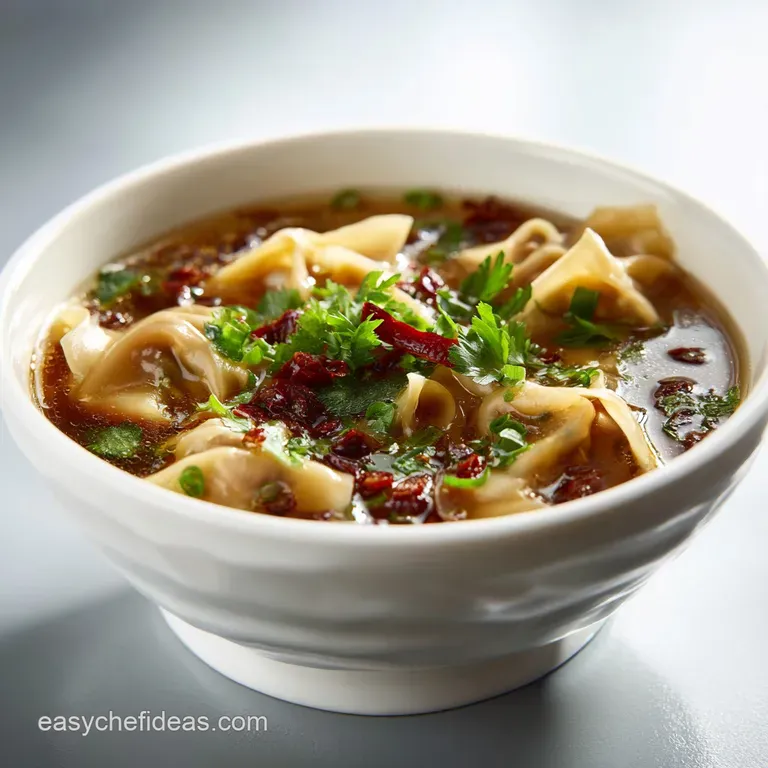
Wonton soup is a universal comfort food, and it’s easy to adapt for different needs without losing the soul of the dish. Whether you are looking for a plant based version or just trying to save a few dollars at the grocery store, these swaps work brilliantly.
A Hearty Vegetarian Wonton Soup
To make a vegetarian version, replace the pork and shrimp with a mix of finely minced shiitake mushrooms and firm tofu. Use a high-quality vegetable bouillon enriched with a piece of dried kombu to mimic the oceanic depth that the dried shrimp usually provides.
The 15 Minute Quick Version
If you are short on time, use high-quality store-bought frozen wontons. The trick is to still make the broth from scratch with the ginger and scallions. This gives you 90% of the flavor with 10% of the effort.
| Original Ingredient | Substitute | Why It Works |
|---|---|---|
| Shaoxing Wine | Dry Sherry | Similar acidity and fermented depth. Note: Sherry is slightly sweeter, so skip the sugar. |
| Ground Pork | Ground Turkey | Lower fat content. Note: Add 1 tsp extra oil to keep it moist. |
| Light Soy Sauce | Coconut Aminos | Great for soy free diets. Note: It is sweeter, so adjust white pepper. |
Preservation Strategies for Batch Success
Since folding wontons takes a bit of time, I always make a double batch. There is nothing more satisfying than knowing a 10 minute dinner is sitting in your freezer ready to go.
Scaling Down (1-2 Servings): If you’re cooking for one, you can easily halve the filling ingredients. Since the recipe calls for 1 tbsp of soy sauce, use 1.5 tsp. For the broth, keep the aromatics the same but use 750ml of stock.
Scaling Up (8-10 Servings): Double the pork and shrimp, but only increase the salt and spices by 1.5x to avoid over seasoning. When cooking a large batch, always boil the wontons in separate batches so the water temperature doesn't plummet, which leads to soggy skins.
Storage and Zero Waste
- Fridge: Store cooked wontons and broth separately for up to 2 days. If stored together, the wontons will turn into a mushy porridge.
- Freezer: Place raw wontons on a tray in a single layer (not touching) and freeze until solid. Transfer to a bag for up to 3 months. Cook directly from frozen, adding 1-2 minutes to the boiling time.
- Zero Waste: Don't throw away the scallion greens! Slice them thinly and use them as a fresh garnish. The ginger peels can also be tossed into the stockpot for extra flavor before being strained out.
Traditional Presentation and Finishing Touches
Presentation is where you show the care you put into the dish. In a traditional Cantonese setting, the wontons are often placed at the bottom of the bowl, with the noodles (if using) or greens on top, and then the broth is poured over to lift everything up.
Debunking Soup Myths
"Searing wontons before boiling seals in flavor." This is a myth. Searing is great for potstickers, but for Wonton Soup, it ruins the delicate, silky texture of the skin. The flavor comes from the internal emulsion of the meat and the infused broth, not from browning the wrapper.
"Authentic wontons only contain pork." Actually, most high end Cantonese versions prioritize the shrimp. The shrimp provides the "crunch" and sweetness that balances the richness of the pork. Using only pork is a valid variation, but it’s not the definitive "authentic" standard.
Serving Suggestions
Serve this in deep ceramic bowls that hold heat well. I love setting out a small dish of red vinegar or a high-quality chili oil for dipping. The contrast between the hot, savory broth and the sharp, acidic vinegar is what keeps you coming back for spoon after spoon.
This dish is about community place the pot in the center of the table and let everyone nourish themselves with these little pockets of gold.
Very High in Sodium
1420 mg 1420 mg of sodium per serving (62% 62% of daily value)
The American Heart Association recommends limiting sodium intake to about 2,300mg per day.
Tips to Reduce Sodium in Your Wonton Soup
-
Low Sodium Broth-30%
Switch to a low-sodium or no-salt added chicken stock. This will significantly reduce the sodium content of the entire dish.
-
Reduce Soy Sauce-20%
Decrease the amount of light soy sauce used in both the filling and the broth by half, or substitute with a low-sodium soy sauce alternative.
-
Skip Dried Shrimp-15%
Omit the dried shrimp from the broth as it's a concentrated source of sodium. Consider adding more fresh shrimp to the wonton filling instead for flavor.
-
Leaner Pork-10%
Use ground pork with a higher lean-to-fat ratio (e.g., 90/10) to potentially reduce the need for added sodium for flavor enhancement during processing.
-
Fresh Flavors
Enhance the flavor with fresh herbs and spices like extra ginger, garlic, or a pinch of red pepper flakes instead of relying on salt.
-
Wonton Watch-15%
Check the nutrition label of your wonton wrappers. If they are high in sodium, look for a lower sodium alternative or consider making your own.
-
Spice It Up
Use black pepper, garlic powder, or onion powder to boost the flavor profile without adding extra salt.
FAQ
Troubleshooting Common Issues
| Issue | Solution |
|---|---|
| What are the best wrappers for Wonton Soup | Look for thin, square "Hong Kong style" or Cantonese egg wrappers. These are thinner than standard dumpling or gyoza skins, allowing for the characteristic silky, flowing "tails" that wontons are know |
| Use ground chicken instead of pork | Yes, ground chicken thigh works best because it has enough fat to stay juicy. Avoid ground chicken breast, as it often becomes dry and grainy when boiled inside a wrapper. |
| Why do my wontons fall apart in the soup | This usually happens if the edges aren't sealed properly with water or if there's an air bubble trapped inside. It can also occur if the broth is at a violent rolling boil; a gentle simmer is much saf |
| Know when the wontons are fully cooked | Wontons typically take 3-4 minutes to cook. They are done when they float to the surface and the wrappers look translucent and slightly wrinkled around the filling. |
| To cook the filling before wrapping | No, the filling should be raw when you fold the wontons. It cooks very quickly inside the wrapper while boiling, which helps the meat stay moist and forms a cohesive meatball. |
| What is the difference between a wonton and a dumpling | "Dumpling" is a broad category, whereas wontons are a specific type of Chinese dumpling made with a thin, square egg based wrapper and typically served in a clear broth. |
| Why add dried shrimp to the broth | Dried shrimp provides a concentrated "oceanic" umami that is traditional in Cantonese wonton broth. It adds a layer of savory depth that plain chicken stock lacks. |
| Make the wontons ahead of time | Absolutely. You can fold them a few hours early and keep them in the fridge on a cornstarch dusted tray, or freeze them for long term storage. Do not store raw wontons in the fridge for more than half |
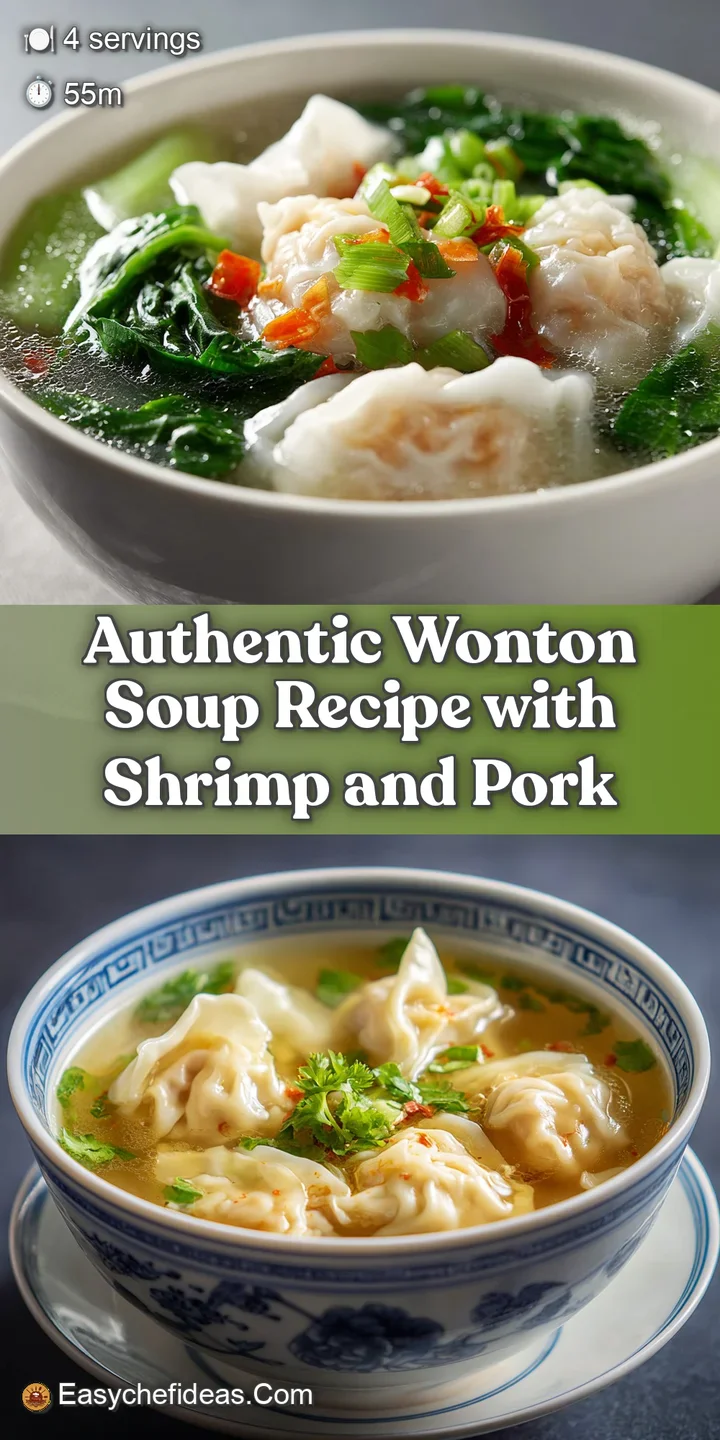
Wonton Soup FAQs
What is wonton soup made of?
Typically pork, shrimp, and seasonings wrapped in thin egg noodles. The soup consists of these dumplings served in a light, clear broth seasoned primarily with chicken stock, ginger, and scallions.
What is the meat inside wonton soup?
Usually a mixture of ground pork and chopped shrimp. The pork provides richness, while the shrimp contributes sweetness and the classic "springy" texture (snap) when cooked properly.
What is the wonton made of?
Thin square wrappers made from wheat flour and egg. These wrappers are specifically designed to be delicate when boiled, resulting in a silky skin that complements the dense filling.
Is wonton soup a healthy soup?
Yes, it can be, especially when made with a clear, non-greasy broth. The health factor relies heavily on the filling ratio; try using leaner pork or supplementing with lots of vegetables like bok choy.
Can I make this soup with other broth bases?
Yes, though chicken stock is standard for clarity and flavor. For a richer base, you could try a slow simmered beef stock, similar to the base required for My Hearty Vegetable recipe, but reduce the simmering time to maintain clarity.
How to ensure the pork filling stays juicy and doesn't dry out?
Mix the pork vigorously in one direction until it becomes sticky. This technique aligns the proteins, creating a structure that traps the fat and moisture during the boiling process, which is the secret to a bouncy interior.
What should I do if I don't have dried shrimp for the broth?
Substitute with a dash of fish sauce or a small piece of kombu (dried kelp). These ingredients mimic the intense savory depth (umami) that dried shrimp imparts to the simmering liquid, ensuring a rich flavor profile.
Authentic Wonton Soup Recipe
Ingredients:
Instructions:
Nutrition Facts:
| Calories | 438 kcal |
|---|---|
| Protein | 29.4 g |
| Fat | 17.2 g |
| Carbs | 41.5 g |
| Fiber | 2.8 g |
| Sugar | 2.1 g |
| Sodium | 1420 mg |
