The Crispy King Authentic Mysore Masala Dosa with Fiery Red Chutney
- Unlocking the Secret of Mysore Masala Dosa: The Fiery Chutney Difference
- A Brief History: From Mysore Palace Kitchens to Street Food Royalty
- Stocking Your Pantry for South Indian Culinary Success
- Master Ingredient List: The Three Pillars of This Recipe
- Preparing the Critical Components: Batter Activation and Spice Preparation
- Step-by-Step Cooking Guide: Achieving the Signature Crisp
- Expert Tips and Troubleshooting for the Ultimate Dosa Crisp
- Serving Suggestions, Storage, and Nutritional Overview
- Recipe FAQs
- 📝 Recipe Card
Unlocking the Secret of Mysore Masala Dosa: The Fiery Chutney Difference
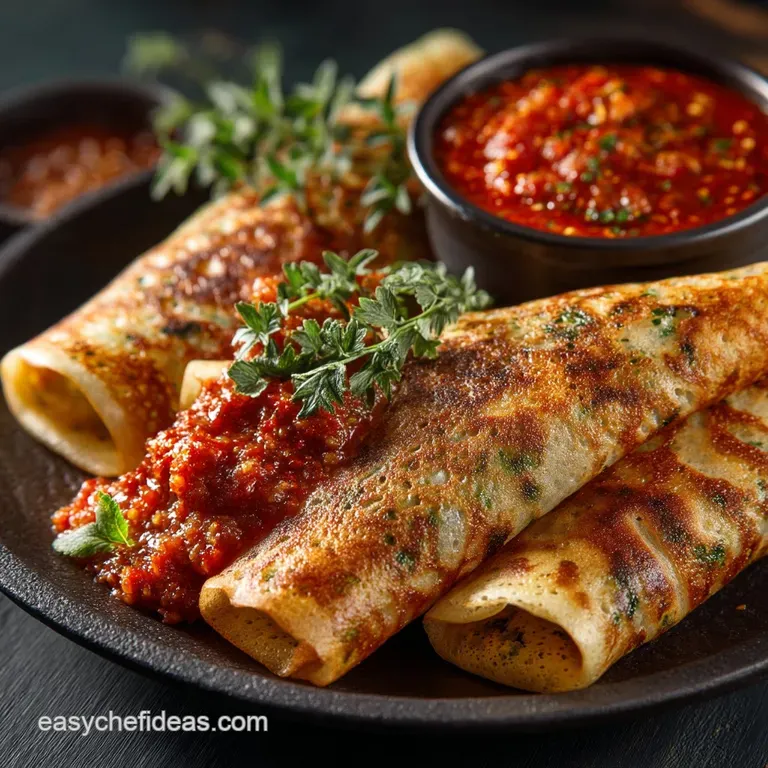
The Mysore Masala Dosa stands in a league of its own, a crispy, golden testament to the sophisticated culinary traditions of Karnataka. While many are familiar with the standard Masala Dosa a plain, crisp crepe enveloping a savory potato filling the Mysore version elevates the experience through a single, revolutionary addition: the signature Red Garlic Chutney .
This fiery, pungent paste is spread directly onto the inner surface of the dosa before the potato filling (or Aloo Bhaji ) is added. This layering technique means every bite is infused with a deep spice, a complex tang from tamarind, and a slight sweetness from jaggery, creating a flavor profile that is distinctly richer and hotter than its North Indian or Tamil counterparts.
Understanding the nuances of the mysore masala dosa red chutney recipe is key to mastering this exceptional South Indian staple.
A Brief History: From Mysore Palace Kitchens to Street Food Royalty
The origins of the Mysore Dosa are closely tied to the historic city of Mysore, once the seat of the Wadiyar dynasty. It is widely believed that this particular rendition, distinct for its pre-spread spice layer, was refined in the sophisticated kitchens of the Mysore Palace. The royal cooks, known for their elaborate use of locally sourced spices like Byadagi chillies, created a dish that was both filling and flavourful. Over time, as South Indian cuisine diversified and traveled, this recipe transitioned from exclusive palace fare to becoming one of the most celebrated examples of street food. Although preparing the full
mysore masala dosa recipe
requires extensive fermentation time, it is this delicious history that grounds the dish in authenticity and makes it far more rewarding than standard, quicker options often classified as
Easy And Fast Snacks To Make
.
The Triple Threat: Batter, Spice Paste, and Potato Stuffing Explained
Achieving the perfect Mysore Masala Dosa requires flawless execution of three distinct components, each critical to the overall texture and flavor balance. First, we have the foundation: a perfectly fermented batter of rice and lentils, responsible for the incredible golden crispness. Second is the core differentiator, the vibrant red spice paste the
mysore masala dosa red chutney recipe
—which delivers the characteristic heat and depth. Finally, the third element is the savory, mildly seasoned
Aloo Bhaji
filling, which provides comforting body and texture. Mastering this trinity is the difference between a good dosa and a truly great one.
Flavor Deep Dive: What Makes This Dosa Distinctly Karnataka?
When comparing mysore masala dosa vs masala dosa , the flavor distinction lies almost entirely in the spice spread. The Karnataka region prioritizes balance, often incorporating a hint of sweetness to counteract intense heat.
The use of Kashmiri or local Byadagi dried red chillies ensures a brilliant colour and high heat, while the inclusion of tamarind paste provides essential sourness. On top of that,, Bengal gram (chana dal) is often blended into the chutney, giving it body and allowing it to adhere smoothly to the crepe.
This deliberate layering of texture and flavor ensures that the dosa is never merely a vehicle for the potato filling, but an integrated masterpiece of spice, tang, and crunch.
Essential Kitchen Gear for Perfect Dosa Making
While the ingredients are paramount, the success of the dosa relies heavily on specific tools. The single most crucial piece of equipment is the Tawa , or flat griddle.
A well seasoned cast iron Tawa is highly recommended for achieving the deep golden brown colour and signature crisp texture, though a heavy duty non-stick griddle works well for beginners.
You will also need a powerful wet grinder or high speed blender to produce a silky smooth batter, as granular texture hinders proper crisping. Finally, a flat bottomed ladle or dosa spreader is essential for achieving the required paper thin consistency during the assembly phase.
Stocking Your Pantry for South Indian Culinary Success
Embarking on the
mysore masala dosa recipe
journey begins with a properly stocked pantry. The base of the dish relies on staple South Indian grains and pulses. Specifically, you will need Idli Rice (or Sona Masoori) and Urad Dal (split, skinned black lentils). For the all-important fermentation, a small measure of fenugreek seeds (methi) is added, along with flattened rice (poha) for extra crispness. Beyond the core batter ingredients, successful preparation of the
mysore masala dosa ingredients
requires an array of specific tempering items: fresh curry leaves, black mustard seeds, cumin seeds, and turmeric powder are non-negotiable for flavoring the
Aloo Bhaji
.
Master Ingredient List: The Three Pillars of This Recipe
Acquiring the Perfect Dosa Batter Consistency (Fermentation Ratios)
The batter dictates the texture of the finished dosa. For a yield of 8 10 large dosas, the essential proportion is roughly 2 cups of Idli rice to 3/4 cup of urad dal. This specific rice-to-dal ratio, coupled with a small teaspoon of fenugreek seeds, encourages robust fermentation, leading to a light, airy, and ultimately crispy crepe.
On top of that,, a quarter cup of poha (flattened rice), soaked alongside the main ingredients, aids in achieving the desired golden colour and exceptional structural integrity once cooked.
The Pungent Core: Ingredients for the Authentic Red Garlic Chutney
The fiery spread requires just a handful of powerful components. The base relies on 8 to 10 dried red chillies (Byadagi or Kashmiri for optimal colour and heat), sautéed quickly alongside a tablespoon of Bengal gram (Chana Dal) in sesame oil.
The key flavor notes come from six large cloves of garlic, a teaspoon of tangy tamarind paste, and a counterbalancing half teaspoon of jaggery or brown sugar, all blended together to create a thick, spreadable paste for the genuine Mysore experience.
Spices and Vegetables for the Savory Aloo Bhaji Filling
The filling is intentionally simple to allow the red chutney to shine. Start with four large potatoes, boiled and coarsely mashed. The flavor is introduced via a quick tempering process utilizing vegetable oil or ghee, where mustard seeds and cumin seeds are bloomed.
Fresh elements like a sprig of curry leaves, minced ginger, and sliced green chillies are sautéed, followed by one medium, finely sliced onion cooked until translucent. A final addition of turmeric powder provides color, and half a cup of water helps bind the filling slightly.
Recommended Tools: The Essential Tawa and Spatula Guide
While a standard skillet might suffice for other tasks, the crispy texture of the Mysore Masala Dosa demands a suitable griddle. A heavy cast iron Tawa is the gold standard; its superior heat retention ensures even cooking and promotes the deep browning that makes the dosa exceptionally crisp.
For spreading the batter, abandon your standard kitchen spoons. Use a flat bottomed ladle or a dedicated steel dosa spreader; the goal is to apply minimal pressure while moving rapidly to achieve the required delicate thinness.
Related Recipes Worth Trying
- Quick Creamy South Indian Aloo Masala The Perfect Dosa Stuffing — The ultimate fragrant Aloo Masala for Dosa Our quick method guarantees rich creamy potato masala Masala Potatoes without the faff Simple sunny and proper...
- Golden Standard Crispy Masala Dosa Homemade Recipe with Spiced Filling — Master the ultimate crispy Masala Dosa with our foolproof homemade recipe Achieve that perfect golden crunch and spicy Dosa Potato Masala filling Serve with...
- RestaurantStyle Potato Masala for Dosa Easy Aloo Bhaji Recipe — Get the secrets to a perfect authentic Potato Masala for Dosa This easy Aloo Bhaji recipe features tender chunks vibrant turmeric and the crucial tadka...
Preparing the Critical Components: Batter Activation and Spice Preparation
The most time consuming yet passive element of this process is the initial preparation. Begin by thoroughly rinsing the rice, urad dal, and fenugreek seeds until the water runs clear. Soak these ingredients, along with the poha, for a minimum of four to six hours.
This soaking is vital for softening the lentils and rice, preparing them for a smooth grind. Once soaked, the mixture should be ground using chilled water to create a friction free paste.
This cold grinding technique is an expert secret, ensuring the batter stays cool, which is paramount for the subsequent fermentation stage.
step-by-step Cooking Guide: Achieving the Signature Crisp
Method 1: Crafting the Fermented Dosa Batter Base
After grinding, transfer the silky batter to a large bowl, ensuring ample headspace, as it will double in volume. Cover the bowl loosely and place it in the warmest part of your kitchen ideally where temperatures sit between 28 32°C (82 90°F) for 12 to 24 hours.
The time required varies significantly based on ambient temperature. Once properly fermented, the batter will be spongy, slightly sour, and bubbly. Only at this point should you gently stir in the required fine sea salt.
If the consistency is too thick, add small splashes of water until it pours easily, similar to a thin pancake batter. Avoid over mixing, which deflates the air bubbles.
Method 2: Blending and Tempering the Signature Red Garlic Chutney
Start by heating a tablespoon of sesame oil in a small pan. Fry the chana dal and dried red chillies until the dal turns a beautiful golden hue. This brief sautéing step enhances the nutty flavor of the dal and softens the chillies for grinding.
Once cooled, combine the fried ingredients with the peeled garlic cloves, tamarind paste, jaggery, and a tiny amount of water. Blend until the mixture forms a smooth, thick, spreadable paste.
Remember, this must be thick enough to stay put on the dosa without running, distinguishing it from thinner dipping sauces typically associated with standard Dosa And Chutney pairings.
Method 3: Cooking the Aloo Bhaji (Potato Masala) Filling
Begin by boiling, peeling, and coarsely mashing the potatoes. In a separate pan, heat oil or ghee and initiate the tempering by adding mustard seeds. Once they splutter rapidly, add the cumin seeds, fresh curry leaves, minced ginger, and green chillies, sautéing briefly until fragrant.
Add the sliced onions and a pinch of salt, cooking them down until they are fully translucent. Finally, stir in the turmeric powder, followed by the mashed potatoes and the half cup of water. Mix gently until the mixture is uniform and creamy, then garnish with fresh coriander and keep warm.
Final Assembly and Spreading Techniques for Mysore Masala Dosa
Start with your Tawa over medium high heat. Perform the essential temperature test by flicking a few drops of water onto the surface; they should hiss and evaporate instantly. Crucially, wipe the Tawa clean with an oiled cloth or paper towel between each dosa.
Ladle approximately 1/3 cup of batter onto the very center of the hot surface. Using the base of the ladle, quickly and lightly spread the batter outwards in a tight spiral motion to form a wafer thin circle. Drizzle a teaspoon of oil or ghee around the edges.
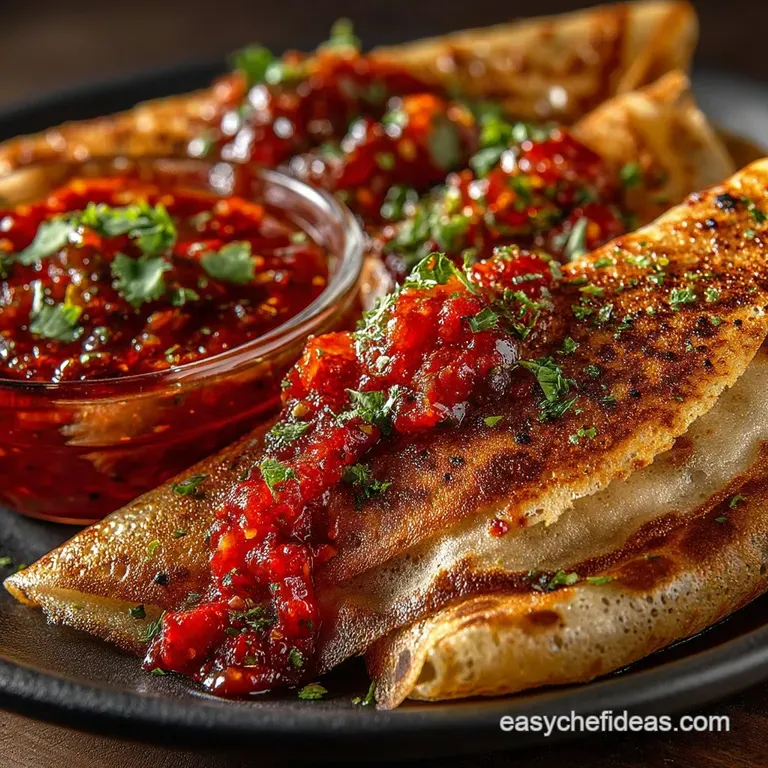
Cook undisturbed for 3– 5 minutes until the base is deeply golden. Reduce the heat, spread 1 to 2 teaspoons of the prepared red garlic chutney evenly across the cooked surface, place 2 3 tablespoons of the Aloo Bhaji down the center, and fold or roll the dosa before serving immediately.
Expert Tips and Troubleshooting for the Ultimate Dosa Crisp
Why Won't My Dosa Crisp? Tawa Temperature Control Explained
The most common hurdle for home cooks preparing dosas is achieving the right crispness without tearing. This process is highly sensitive to the Tawa’s temperature. If the surface is too hot, the batter will stick and tear immediately upon spreading.
If it's too cool, the dosa will become soggy rather than crisping. The key is consistency: always start with a medium high Tawa, wipe it clean, and then, immediately before spreading the next dosa, splash a small amount of water to cool the Tawa slightly before adding the next ladle of batter.
This routine ensures a uniform temperature every time.
Meal Prep Strategy: Storing the Batter, Chutney, and Bhaji
While the finished dosa must be eaten immediately, the components are excellent for meal preparation. The fermented batter can be stored successfully in an airtight container in the refrigerator for up to three days. The prepared red chutney stores exceptionally well due to the presence of oil and garlic and can be kept refrigerated for up to a week. The
Aloo Bhaji
is best made fresh, but leftovers can be refrigerated for a day or two. Preparing these three elements ahead of time transforms the
mysore masala dosa recipe
from a multi day effort into an option for surprisingly
Easy And Fast Snacks To Make
during busy weeknights.
Vegan and gluten-free Swaps for the Mysore Masala Dosa Experience
One of the great features of this dish is its naturally accommodating structure. The Mysore Masala Dosa is inherently gluten-free, relying entirely on rice and lentils. To ensure it remains vegan, simply substitute the traditional ghee used in the potato filling and for cooking the dosa with a neutral vegetable oil or sesame oil.
No dairy substitutions are typically required, maintaining the authentic integrity of the South Indian flavors.
Serving Pairings: Essential Sambhar and Coconut Chutney Recipes
To truly complete the dining experience, the robust heat of the Mysore red chutney should be balanced with cooling accompaniments. The classic pairing for this vibrant
Dosa And Chutney
combination is a mild, fresh Coconut Chutney, whose creamy texture and sweet flavor offer a perfect counterpoint to the garlic and spice. Plus,, a bowl of piping hot Sambar the tangy, lentil based vegetable stew is the customary dipping liquid, lending acidity and richness to the meal.
Serving Suggestions, Storage, and Nutritional Overview
The prepared Mysore Masala Dosa should be served instantly, traditionally either folded in half or rolled tightly around the potato filling. Leftover batter must be stored sealed in the refrigerator and brought back to room temperature (or close to it) about 30 minutes before the next cooking session.
Do not attempt to re-ferment refrigerated batter. From a nutritional standpoint, the dosa offers a balanced meal centered around complex carbohydrates and lentils. An estimated serving size (one large dosa with filling and chutney) suggests that the average mysore masala dosa calories range from 350 to 400 kcal, making it a satiating and energy rich breakfast or dinner option.

Recipe FAQs
I’ve followed the instructions, but my batter hasn’t risen! Have I ruined the Mysore Masala Dosa before I've even started?
Don't panic! Fermentation is the trickiest part, and often, the culprit is the cold. Think of your batter like a fussy teenager it needs a consistently warm room, ideally around the temperature of a well heated airing cupboard.
If it hasn't doubled in volume but still tastes mildly sour after 18-24 hours, it's usually fine to use, though your dosas might be slightly less fluffy. Next time, try turning the oven light on and leaving the batter inside for a stable, warm environment.
I keep getting floppy dosas. What’s the secret to getting that signature thin, crispy crepe?
Achieving restaurant level crispness takes nerves of steel and careful heat management. Firstly, ensure your batter is the consistency of thin pouring cream if it's too thick, it won't spread properly. Crucially, the Tawa (griddle) must be medium hot; if it's smoking, the batter will stick and tear.
Wiping the surface with a damp cloth between each dosa is key to cooling the Tawa down slightly and maintaining an even temperature for perfect spreading.
That vibrant red chutney looks fiery! How can I adjust the heat level without losing the traditional flavour of the Mysore Masala Dosa?
You’ve hit on the key difference! The heat comes primarily from the dried red chillies. If you’re worried about blowing your socks off, swap hotter varieties like Byadagi for milder Kashmiri chillies, which give brilliant colour with less punch.
You can also increase the amount of jaggery (or sugar) slightly, as the sweetness is essential for balancing the garlicky spice and providing that crucial traditional tang.
Can I store the dosa batter and filling, and how long do they last before going a bit dodgy?
Absolutely, that’s the beauty of dosa batter! Once fully fermented, the batter can be stored in the fridge for up to 3 to 4 days. Keep it covered, and only add water to adjust consistency just before you are ready to cook.
The potato filling is best used within 2 days; make sure it's cooled completely before storing it in an airtight container to avoid any questionable fridge smells.
I’m looking for a lower carb option than the potato filling. Are there any suitable swaps that still pair well with the spicy chutney?
Definitely! While the potato palya is traditional, a scrambled paneer (Indian cheese) or tofu filling works wonderfully as a protein rich alternative. You can prepare it using the same tempering method (mustard seeds, curry leaves, onions) for similar flavour depth.
Alternatively, try a mix of sautéed grated carrots and peas for a veggie packed filling that keeps the carb count down.
Authentic Mysore Masala Dosa Recipe

Ingredients:
Instructions:
Nutrition Facts:
| Calories | 2401 kcal |
|---|---|
| Protein | 23.7 g |
| Fat | 53.5 g |
| Carbs | 100.3 g |
| Fiber | 22.2 g |
| Sodium | 5413 mg |
