Cloudtopped Comfort Authentic Mexican Concha Bread
- Unveiling the Magic of the Iconic Pan Dulce: A Deep Dive into Conchas
- Why This Mexican Concha Recipe Will Become Your Baking Legacy
- Gathering the Building Blocks for Superior Sweet Rolls
- Step-by-Step Guide: Crafting the Dough for Your Mexican Concha Recipe
- Shaping the Shells and Baking to Golden Perfection
- Elevating Your Baking: Advanced Tips for This Mexican Concha Recipe
- Storage Secrets and Serving Suggestions for Leftover Pan Dulce
- Recipe FAQs
- 📝 Recipe Card
Unveiling the Magic of the Iconic Pan Dulce: A Deep Dive into Conchas
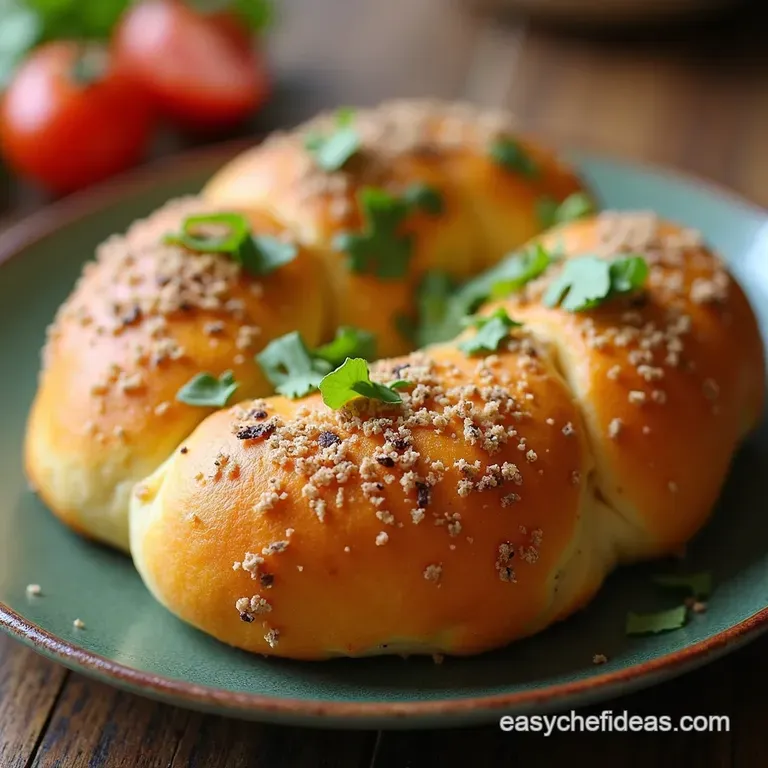
There are few baked goods that capture the warm, comforting essence of a Mexican bakery quite like the Concha . Translating literally to "shells," these iconic Mexican sweet breads are instantly recognizable by their unique, crackled, sugary topping that visually mimics the exterior of a seashell.
More than just a breakfast treat, the Mexican Concha Recipe represents a cornerstone of pan dulce culture a daily ritual, a family staple, and a guaranteed way to brighten any morning.
Achieving that perfect balance between an airy, brioche like crumb and a crisp, sweet streusel crust can feel daunting, but I promise, by breaking down the process, mastering this Traditional Mexican Concha Recipe is entirely within reach.
We are going to transform simple pantry staples into soft, cloud topped comfort.
Why This Mexican Concha Recipe Will Become Your Baking Legacy
When embarking on an Authentic Mexican Concha Recipe , you are not just baking bread; you are engaging with centuries of culinary tradition. This recipe yields results comparable to the best artisanal Mexican bakeries, focusing intently on the dual textures that define this beloved sweet roll.
This guide will navigate you through achieving that signature fluffiness and the delicate, crumbly streusel topping that separates the good Conchas from the truly legendary ones.
The Sweet Tale Behind Mexico’s Beloved Shell Bread
The history of pan dulce in Mexico is deeply intertwined with the introduction of European baking techniques, particularly following the French influence in the 19th century.
While the base dough is enriched with eggs and butter reminiscent of brioche or challah the defining characteristic, the sugary topping, is distinctly Mexican innovation.
The name itself speaks to the artistry involved; the careful scoring on the topping creates the distinctive shell pattern we celebrate today in every Mexican Sweet Bread Recipe .
From Brioche Softness to Sugary Crunch: What Makes Conchas Special
The magic truly lies in the contrast. The dough foundation for these rolls is enriched with eggs and butter, resulting in an incredibly tender crumb that practically melts when you bite into it.
This softness is perfectly juxtaposed by the Concha Frosting Recipe , which is made separately using cold butter cut into flour and powdered sugar. This topping bakes up firm and slightly crumbly, providing a satisfying textural crunch against the tender bread underneath.
This duality is what makes these rolls the Best Mexican Concha Recipe you’ll ever try.
Essential Gear for Mastering the Perfect Loaf
While you can certainly mix this dough by hand, leveraging a stand mixer with a dough hook will significantly simplify the process, particularly when incorporating the butter evenly.
For shaping the topping, having parchment paper ready is non-negotiable, as it allows you to flatten the sugary mixture without it sticking excessively. For those looking to make smaller treats, this guide also works beautifully for Mini Conchas Recipe proportions simply divide the dough into smaller portions and adjust the topping discs accordingly.
Gathering the Building Blocks for Superior Sweet Rolls
Baking an excellent Mexican Concha Bread Recipe starts long before you turn on the oven; it begins with sourcing quality ingredients and understanding their roles. For our dough, we aim for richness and structure, while the topping needs precision to ensure it doesn't melt away during baking.
The Dough Foundation: Vital Components for Tender Bread
To achieve the desired tenderness, we use whole milk, which adds necessary fat content, and room temperature eggs which integrate more smoothly into the emulsion. The butter must be fully softened think pliable, almost spreadable consistency as it will be added to the dough after the initial mixing, a process crucial for creating the soft, enriched texture that characterizes this style of sweet bread.
We will use approximately four cups of all-purpose flour to achieve the right balance between structure and softness.
Activating Yeast: Tips for a Bubbly Rise
Yeast is the engine of this bread, and we must treat it well. Active dry yeast needs a warm, slightly sweet bath to wake up. We combine the yeast with about 3/4 cup of warm milk, ensuring the temperature hovers between 105° F and 115° F ( 40° C– 46° C).
A pinch of sugar feeds the yeast instantly. If, after five to ten minutes, the mixture is foamy and fragrant, you know you have a vibrant yeast ready to lift your dough. Cold milk will slow things down, and water that is too hot will kill it entirely.
Measuring the Sugar Crust: Achieving that Perfect Crumb Texture
The topping requires a different technique entirely. For this crunchy exterior, the butter must be cold and cubed, blended into the powdered sugar and flour. This method prevents the butter from fully melting into the sugar mixture initially, allowing it to create pockets of flavor that set up during baking, resulting in that desirable streusel like crust.
A hint of cinnamon can be added here for a classic aromatic depth, though vanilla is often sufficient.
Related Recipes Worth Trying
- The Ultimate Conchas Bread Recipe for Truly Authentic Mexican Sweet Rolls — Forget soggy supermarket loaves This foolproof Conchas Bread Recipe delivers incredibly soft Mexican Sweet Breads with the perfect crumbly shell topping Get...
- Ultimate Christmas Crack Chex Mix Buttery Brittle Recipe — This easy Christmas Crack Chex Mix recipe delivers a shatteringly crisp toffeecoated snack Perfect for holiday parties learn how to master this addictive treat
- The Ultimate Buttery Holiday Chex Mix Recipe Easy — Forget the standard savoury version This Holiday Chex Mix Recipe is buttery sweet and warmly spiceda guaranteed crowdpleaser for Christmas Get the foolproof...
step-by-step Guide: Crafting the Dough for Your Mexican Concha Recipe
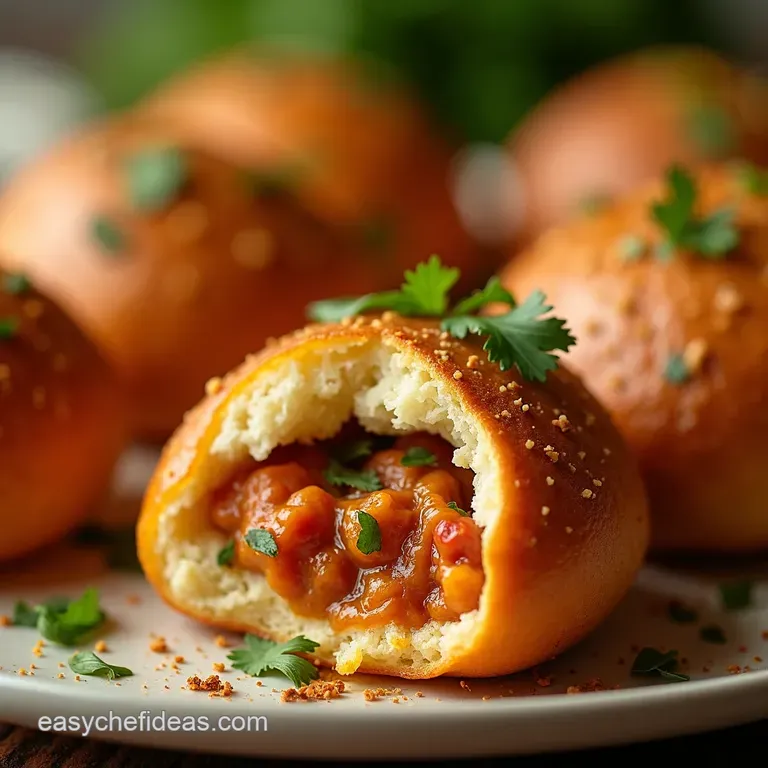
The journey begins with activating the yeast as described above. Once foamy, transfer the yeast mixture, the remaining sugar, the eggs, and vanilla extract into your stand mixer bowl alongside the pre-whisked dry ingredients (flour and salt).
Start mixing on low speed until a shaggy dough forms, meaning everything is just combined. Now, incorporate the softened butter, adding it in small pieces, allowing each piece to fully integrate before adding the next. This slow incorporation builds strength without overheating the dough.
Shaping the Shells and Baking to Golden Perfection
Once the dough components are combined, the real work developing gluten for that fluffy chew begins. The precise timing of the proofing stages and the delicate application of the topping are what transform this Easy Mexican Concha Recipe from a simple roll into a masterpiece.
Kneading Techniques for Optimal Gluten Development
With the mixer on medium low speed, allow the dough to knead for a solid 8 to 10 minutes. The dough should transition from sticky and slack to smooth, elastic, and slightly tacky.
It should pass the "windowpane test" where a small piece can be gently stretched thin enough to see light through it without tearing indicating robust gluten development. This structure is essential to hold up the substantial topping later.
The Crucial First and Second Proofing Stages
After kneading, the dough needs its first rest in a warm, oiled bowl, covered, for about 1. 5 hours, or until doubled. Once punched down gently, divide the dough into 12 equal pieces and roll them into smooth balls.
Place these on parchment lined baking sheets, leaving ample space (about 2 inches) between them, and allow them to rest again, covered, for another 45 to 60 minutes. This second proof builds the final airiness.
Applying the Topping Without Crushing the Dough Structure
While the dough is proofing for the second time, prepare your topping discs. Cut the chilled butter into the flour and sugar until crumbly. Divide this mixture into 12 portions and flatten each portion between two sheets of parchment paper into thin discs, slightly wider than the dough balls.
Gently lay one disc atop each puffy dough ball. Finally, take a sharp knife and lightly score the topping a simple crosshatch or a radiating star pattern ensuring you only cut halfway through the topping, leaving the soft dough untouched below.
Baking Temperatures That Guarantee a Soft Interior
Preheat your oven to 375° F ( 190° C). Bake the Conchas for about 15 to 20 minutes. The goal is for the base bread to achieve a lovely golden hue while the topping sets and lightly browns without becoming overly dark or hard.
Monitor closely; the enriched dough browns relatively quickly.
Elevating Your Baking: Advanced Tips for This Mexican Concha Recipe
To truly elevate your baking from great to exceptional, a few expert insights can make all the difference when tackling this Mexican Concha Recipe .
Troubleshooting Common Baking Hurdles (Why Aren't My Shells Cracking?)
If your topping remains flat or doesn't develop that signature crackle, it's usually due to one of two factors. First, the topping mixture was too warm when applied, causing the butter to melt into the dough during shaping rather than creating defined pockets.
Second, the second proofing was rushed, and the dough balls were too small when the topping was applied, leaving no room for expansion and cracking upward during baking. Patience during proofing is key to that beautiful final presentation.
Flavor Variations: Adding Citrus Zest or Cinnamon to the Dough
To introduce complexity beyond the vanilla base, consider adding the zest of one orange directly into the dough mixture along with the eggs and liquid. This provides a subtle, fragrant lift that pairs beautifully with the sweetness of the crust.
Alternatively, a small amount of ground cinnamon (about 1/2 teaspoon) blended into the main dough can offer a deeper, warmer spice note, moving it closer to a traditional Mexican sweet bread profile.
Storage Secrets and Serving Suggestions for Leftover Pan Dulce
These freshly baked Conchas are, understandably, best enjoyed the day they are made, but they store wonderfully if you happen to have any leftovers.
The Best Beverages for Dunking Your Freshly Baked Conchas
The ultimate pairing for these sweet rolls is something robust enough to cut through the sweetness. Skip weak coffee; instead, opt for a strong, freshly brewed Americano or, traditionally, Café de Olla , which is brewed with cinnamon sticks and piloncillo (unrefined whole cane sugar).
The slightly bitter, spiced coffee is the perfect counterpoint.
Freezing and Revitalizing Day-Old Sweet Breads
If you find yourself with extra rolls, freezing is your best friend. Wrap cooled Conchas tightly in plastic wrap, then place them in a freezer bag for up to three months. To revive them, remove the plastic wrap, lightly spritz with water, and warm them in a 300° F ( 150° C) oven for about 5 to 7 minutes.
This process steams the bread slightly, restoring much of its original softness, making them taste almost freshly baked again.

Recipe FAQs
My concha topping cracks instead of staying soft when I bake it. What am I doing wrong?
That’s a common sticking point! The issue is usually temperature control regarding the topping. Make sure the butter you use for the streusel is decidedly COLD, and try not to overwork the mixture when rolling out the discs.
If the topping gets too warm, the sugar melts prematurely, leading to a hard, brittle shell instead of that lovely, crumbly crust.
How should I store leftover Mexican Conchas to keep them fresh?
Ideally, these are best eaten the day they are baked, much like a proper Chelsea bun! However, if you must store them, keep them in an airtight container at room temperature for up to two days. Avoid the fridge, as it tends to stale yeasted bread quickly.
For longer storage, wrap them tightly and freeze them, then thaw and refresh them briefly in a warm oven.
I’m nervous about working with yeast. Can I make this Mexican Concha Recipe using instant yeast instead of active dry?
Absolutely, you can swap them over it just saves a step! If you use instant yeast, you can skip proofing it separately in the warm milk; just mix the instant yeast directly in with your dry flour and sugar ingredients. The total rising time should remain the same, provided your kitchen is nice and warm.
Can I use a bread machine or stand mixer for the dough in this Mexican Concha Recipe?
A stand mixer with a dough hook is highly recommended for achieving the perfect gluten development needed for that fluffy interior. If you are using a bread machine, use the 'Dough' cycle only, which handles the mixing and first proof.
Remember to punch the dough down and shape it by hand before the final proof and baking!
My dough isn't rising is my kitchen too cold for this Mexican Concha Recipe?
Yeast is notoriously moody when it's chilly, much like someone waiting for the kettle to boil! Yeast thrives between 75-85°F (24-29°C). If your kitchen is cold, pop the covered bowl into your oven with just the oven light turned on this creates a perfect, gentle proofing environment.
Just ensure the oven is definitely off!
Authentic Mexican Concha Bread

Ingredients:
Instructions:
Nutrition Facts:
| Calories | 325kcal |
|---|---|
| Fat | 12g |
| Fiber | 1g |
