The Wok Star Authentic Lomo Saltado a Stirfry Sensation
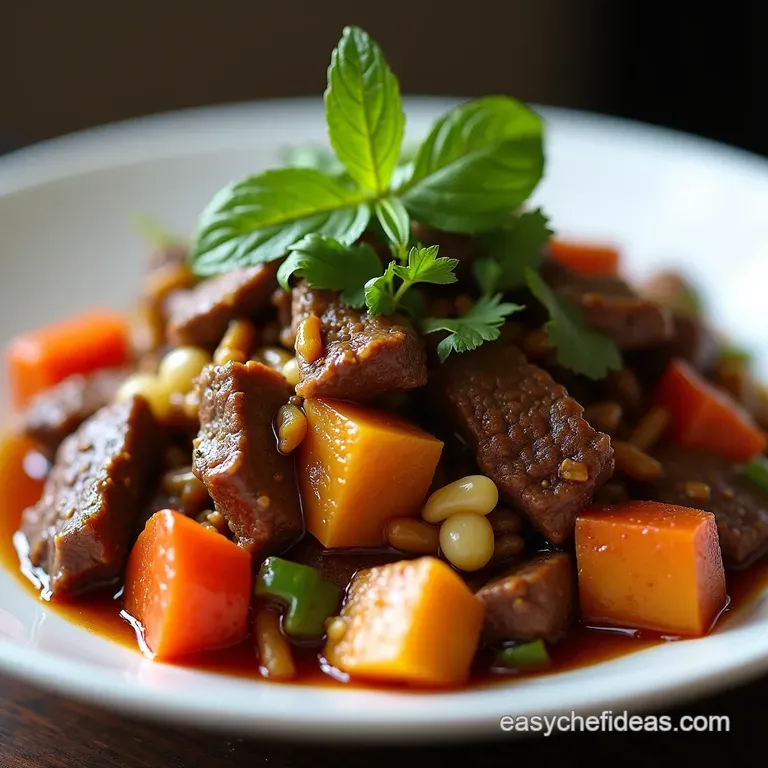
- Unpacking the Magic: The Story Behind Lomo Saltado
- Why This Stir-Fry Reigns Supreme in Peruvian Cuisine
- Assembling Your Peruvian Pantry: What You'll Need
- Mastering the Technique: High-Heat Stir-Frying Secrets
- The Critical Sequence: Layering Flavors in the Wok
- Expert Secrets for Next-Level Lomo Saltado Results
- Serving Suggestions and Storage Insights
- Recipe FAQs
- 📝 Recipe Card
Unpacking the Magic: The Story Behind Lomo Saltado
Lomo Saltado is more than just a meal; it’s a culinary declaration. This iconic dish sits at the vibrant intersection of global influences that define modern Peruvian cuisine. Its existence tells a captivating story of immigration, adaptation, and delicious innovation.
While the core ingredients beef, onions, and potatoes are fundamentally South American, the technique used to marry them is decidedly East Asian. This Peruvian Beef recipe originated in the late 19th and early 20th centuries when significant numbers of Chinese immigrants arrived in Peru, bringing their indispensable tool: the wok.
They adapted their traditional stir fry methods to the local ingredients available, resulting in the flavour powerhouse we know today. Every sizzling, smoky bite of Lomo Saltado is a celebration of this cultural exchange.
Why This Stir Fry Reigns Supreme in Peruvian Cuisine
The reason this specific Beef Saltado has cemented its place as Peru’s unofficial national dish isn't just its compelling history, but its unparalleled sensory experience. It hits every major flavour note salty, umami rich, tangy, and slightly spicy all within minutes.
It is deeply comforting yet excitingly complex, making it accessible to almost every palate.
A Fusion Feast: Incan Roots Meet Wok Mastery
The Incan heritage provides the foundational ingredients: the sturdy potato (originally from the Andes) and the beef, introduced by the Spanish. However, the Chinese influence is the engine of the dish.
The salteado (stir fry) technique demands extreme heat and rapid tossing, which caramelizes the outside of the beef and vegetables while preserving their interior texture.
This balance of tender protein and crisp vegetables, slicked with a deeply savoury Lomo Saltado sauce , is pure genius born from necessity and expertise.
The Essential Components of a Truly Great Stir Fry
To nail an authentic Lomo Saltado , you need three main pillars working in harmony. First, the beef must be tender using quality cuts and slicing correctly against the grain is non-negotiable.
Second, the vegetables primarily robust red onions and tomatoes must be cooked quickly so they remain structured and juicy, not collapsed and watery. Third, the acidic tang provided by the vinegar cuts through the richness of the soy sauce, ensuring the final profile is bright and clean, rather than heavy.
Setting Expectations: Speed and Flavor Profile
When attempting this Lomo Saltado recipe , understand that the cooking time is incredibly fast once you start applying heat. This means preparation, or mise en place , is everything.
You’ll be chopping, measuring, and staging every single Lomo Saltado ingredient before the wok even gets hot. The resulting flavour profile is deeply savoury, thanks to the combination of soy sauce and cumin, punctuated by the sharp aromatic lift of vinegar and the subtle warmth of the ají pepper.
It’s an intensely satisfying, quick Lomo Saltado experience.
Assembling Your Peruvian Pantry: What You'll Need
Building a great Lomo Saltado peruano requires sourcing components that deliver maximum impact in minimal cooking time. Since the cooking happens so fast, the flavour must be pre-loaded into the marinade and the sauce mixture.
Selecting the Perfect Protein for Optimal Searing
For the best results when searing quickly, you should opt for beef cuts known for tenderness, such as sirloin or tenderloin steak. You'll need about 1.5 pounds, cut into strips roughly one inch thick.
The marinade itself is simple but crucial: a blend of low-sodium soy sauce (for controlling overall saltiness), ground cumin (the signature spice of many Peruvian dishes), salt, and freshly ground black pepper. Allow the beef at least 15 minutes to absorb these flavours before it hits the heat.
Essential Produce: Tomatoes, Onions, and Aji Amarillo's Role
The vegetable triad consists of large red onions, cut into substantial wedges that hold up well to high heat, and firm Roma tomatoes, also wedged. Crucially, for that signature subtle heat and fruitiness, you need ají amarillo paste.
If this vibrant yellow pepper paste is unavailable, a finely minced jalapeño or serrano can provide the necessary kick, though the flavour profile will shift slightly. Don't forget minced garlic, added briefly at the start of the sautéing process.
The Secret Sauce Matrix: Achieving Depth with Soy and Vinegar
The magic liquid binder that ties everything together is prepared separately. This concentrated Lomo Saltado sauce must be whisked together ahead of time: a balance of soy sauce for deep umami, red wine vinegar for that essential bright tang, and a touch of beef broth to thin the consistency slightly and prevent scorching.
Having this mixture ready to pour ensures the final toss is quick and even.
Mastering the Technique: High Heat Stir Frying Secrets

This is where the Lomo Saltado transforms from stewed beef and vegetables into an electrifying stir fry. The key principle borrowed from Chinese cooking is wok hei —the smoky, charred flavour imparted by searing food rapidly in a very hot, well seasoned wok.
This cannot be achieved over medium heat. You need your cooking oil shimmering, almost smoking, before the first ingredient goes in.
The Critical Sequence: Layering Flavors in the Wok
Timing is paramount in executing this quick Lomo Saltado . Every step must follow the previous one instantly to maintain the searing temperature.
Prep Priority: Slicing and Marinating for Success
As mentioned, slicing the beef against the grain is vital for tenderness. While the beef marinates, ensure your fries are cooked and kept warm separately, and all your vegetables are chopped and staged near the stove. The sauce mixture must be ready to deploy instantly.
Phase One: Achieving That Signature Sear on the Lomo
Heat 3 tablespoons of vegetable oil in your wok until it’s screaming hot. You must sear the marinated beef in small batches do not crowd the pan! If you overload the wok, the temperature plummets, and the beef will release its moisture and steam instead of achieving that sought after char.
Sear each batch for just a minute or two per side, achieving a deep brown exterior, and remove immediately.
Bringing It Together: Combining Veggies and Sauces Swiftly
Once the beef is removed, add a little more oil and sauté the minced garlic for mere seconds until fragrant. Immediately introduce the onion wedges and the ají paste. Toss rapidly for about a minute to soften the onions slightly.
Next, add the tomato wedges for just 30 seconds, followed immediately by returning all the seared beef (and any juices) to the wok. Pour the pre-mixed sauce over everything and toss continuously for less than a minute until the sauce coats everything and thickens slightly from the residual heat and natural juices.
Plating Perfection: The Traditional French Fry Integration
The final, non-negotiable step is the integration of the French fries. These should be golden, crispy, and warm, having been cooked separately. Gently fold the fries into the wok mixture right at the end a quick, 15-second toss is all they get.
The goal is to coat them lightly in the sauce so they absorb some flavour without becoming entirely saturated and losing their texture.
Expert Secrets for Next Level Lomo Saltado Results
To elevate your home attempt at this Lomo Saltado peruano from good to unforgettable, focus on these subtle adjustments. Always use freshly cracked pepper, as its volatile oils add aroma.
On top of that,, ensure your wok is utterly dry before adding oil; water droplets will prevent the oil from reaching the necessary searing temperature. Finally, don't be shy with the vinegar splash; it’s the acid that balances the savory soy and prevents the entire dish from tasting flat or heavy.
Serving Suggestions and Storage Insights
Lomo Saltado must be served piping hot immediately after the fries are incorporated.
Troubleshooting Common Stir Fry Mistakes
If your beef ends up tough or grey, you added too much meat to the wok at once, dropping the temperature below the searing point. If your vegetables are mushy, you cooked them for too long; remember, the vegetables should still have a pleasing snap.
If the sauce is too thin, it means you didn't give the final toss enough heat to allow the liquids to reduce slightly against the hot metal of the wok.
Flavor Swaps: Creative Variations Beyond the Classic Recipe
While the classic uses beef, you can easily create a delightful Pollo Saltado by substituting chicken breast strips, ensuring the chicken pieces are thin enough to cook through quickly.
For vegetarians seeking the Umami punch, firm, pressed tofu, pan-fried separately until crisp before being introduced in Phase Two, offers a satisfying substitute.
Making Ahead: Tips for Prepping Ingredients Early
Since the cooking is so fast, preparation is the only aspect you can safely front load. Marinate the beef hours in advance. Chop all vegetables and whisk the finishing sauce. You can even cook the French fries ahead of time, keeping them warm in a low oven (around 200° F) until the moment you fold them in.
Nutritional Snapshot of This Iconic Dish
As a complete meal combining protein, carbohydrates (from the fries and rice accompaniment), and vegetables, Lomo Saltado is surprisingly well rounded for a stir fry. While it contains moderate amounts of fat from the searing oil and richness from the beef, when paired with white rice, it offers a substantial boost of energy, making it a true staple meal rather than a light snack.

Recipe FAQs
What’s the secret to getting that smoky flavour in my Lomo Saltado?
That essential smoky kick, often called "wok hei," comes down to screaming high heat! You must use the hottest setting on your hob and work in small batches so the pan doesn't cool down.
The quick flash of the soy sauce and vinegar hitting that hot surface is what locks in the flavour don't be shy with the temperature!
Can I prepare the beef for Lomo Saltado ahead of time, and how long should it marinate?
Absolutely, prepping ahead is the key to smooth cooking, much like getting your mise en place ready before a big Sunday roast. The minimum marination time is 15 minutes, which is enough for the cumin and soy sauce to impart flavour.
However, for the best results, let it sit for 2 to 4 hours in the fridge; just remember to take it out about 20 minutes before cooking so it’s not fridge cold when it hits the wok.
My French fries always go soggy when I add them to the stir fry how do I stop that happening?
Ah, the age-old dilemma! The fries must be incorporated at the very last moment think of it as the final garnish rather than an integrated vegetable. They need to be piping hot and crispy when they go in, and you should only toss them through for about 15 seconds maximum just to coat them lightly in the sauce before serving immediately.
Don't let them sit in the wok!
I can’t find Aji Amarillo paste; what's a decent substitution for the heat and flavour in this Peruvian classic?
Don't worry, sourcing every Peruvian ingredient can be a nightmare! If you can’t track down Aji Amarillo, you can mimic the flavour profile reasonably well. Try using a teaspoon of Dijon mustard mixed with a pinch of turmeric for colour, along with a tiny bit of cayenne pepper for heat.
It won't be spot on, but it gives you that tangy lift.
How should I store leftovers of this delicious Lomo Saltado?
Like most stir fries, it’s best enjoyed fresh, but leftovers are perfectly fine. Store cooled leftovers in an airtight container in the fridge for up to three days. When reheating, use a proper skillet over medium high heat to try and crisp up those potatoes again, rather than nuking it in the microwave, which turns everything a bit limp.
Authentic Lomo Saltado Recipe

Ingredients:
Instructions:
Nutrition Facts:
| Calories | 1923 kcal |
|---|---|
| Protein | 16.3 g |
| Fat | 55.3 g |
| Carbs | 56.9 g |
| Fiber | 24.5 g |
| Sodium | 2155 mg |
