Kung Pao Chicken: Authentic Sichuan Stir Fry
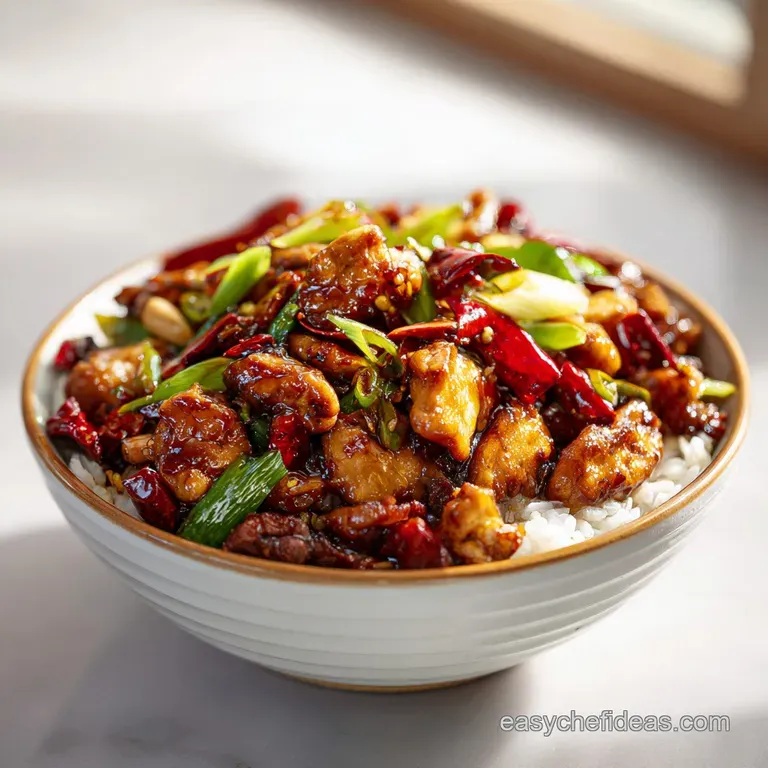
- Time: Active 20 minutes, Passive 10 minutes, Total 30 minutes
- Flavor/Texture Hook: Silky, numbing, and savory sweet balance
- Perfect for: An impressive weeknight dinner that tastes better than a restaurant
- Bold Flavors in Authentic Kung Pao Chicken
- Secrets to the Perfect Texture
- Deep Dive into the Components
- Essential Tools for Stir Fry
- Steps to Cook Like Pro
- The Alchemy of Umami
- Avoiding Common Cooking Mistakes
- Fun Ways to Mix Flavors
- Storing and Reheating Your Leftovers
- Myths About This Classic Dish
- How to Serve and Enjoy
- Very High in Sodium
- Recipe FAQs
- 📝 Recipe Card
Bold Flavors in Authentic Kung Pao Chicken
Forget everything you think you know about that syrupy, overly sweet mess from the local mall food court. Real Kung Pao Chicken is a masterpiece of contrast that hits every single part of your palate at once.
The first time I tried an authentic version, the "Ma La" sensation that signature numbing tingle from Sichuan peppercorns completely changed how I viewed spice. It isn't just about heat that burns your tongue; it’s about a citrusy, electric vibration that makes the sugar and vinegar pop in a way that feels like magic.
The secret I learned the hard way is that you don't need a professional high BTU burner to get that restaurant quality finish. Most people think the "wok hei" or breath of the wok is impossible at home, but we can get remarkably close by controlling our moisture levels.
The sizzle when the chicken hits the hot oil should be sharp and immediate, not a sad, steaming sound. If your chicken starts swimming in liquid, you've lost the battle before it even began.
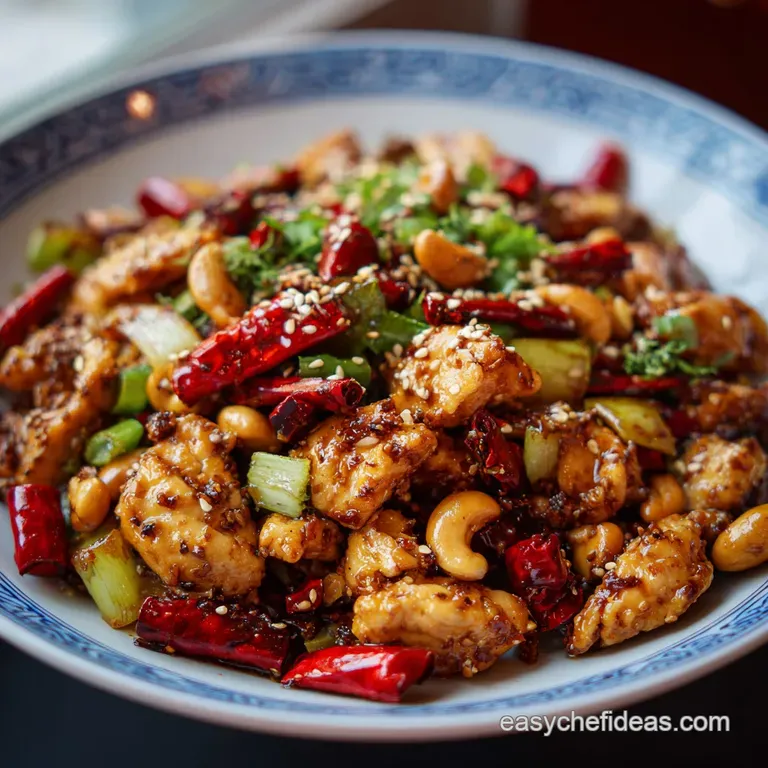
We are aiming for a dish where the chicken is velvety, the peanuts stay crunchy, and the dried chilies provide a smoky backdrop without making the dish unbearable. It is a community favorite in my house because it nourishes the soul while offering a bit of culinary excitement.
You’ll see how the dark soy sauce gives it that deep, mahogany color while the Chinkiang vinegar adds a fermented, malty funk that regular white vinegar just can't touch.
Secrets to the Perfect Texture
Velveting Barrier: The cornstarch and egg free marinade create a thin protective layer that prevents the chicken fibers from toughening under high heat.
Starch Gelatinization: As the sauce hits the screaming hot pan, the cornstarch molecules swell and trap the liquid, creating a glossy glaze that clings rather than puddles.
Oil Infusion: Frying the dried chilies and peppercorns in the oil first transfers fat soluble flavor compounds directly into the cooking medium, ensuring every bite carries the spice.
Maillard Reaction: Searing the chicken in a single layer without tossing immediately allows proteins and sugars to brown, creating a savory depth that steaming simply can't achieve.
| Method | Time | Texture | Best For |
|---|---|---|---|
| Traditional Wok | 10 minutes | Maximum sear, smoky aroma | Authentic flavor lovers |
| Large Cast Iron | 12 minutes | Even browning, very crispy | Better heat retention on electric stoves |
| Stainless Skillet | 12 minutes | Golden crust, high fond | Home cooks without a wok |
Using a cast iron skillet is a fantastic alternative if you don't own a wok because it holds heat so well. This helps maintain the temperature when you drop 1.5 lbs of cold chicken into the pan, preventing the dreaded "stewing" effect. For another technique that masters the balance of citrus and heat, you might enjoy reading about my Classic Chicken Francese which uses a different but equally effective dredging method.
Deep Dive into the Components
| Ingredient | Science Role | Pro Secret |
|---|---|---|
| Chicken Thighs | Fat content and moisture | Use thighs over breasts to avoid the rubbery texture common in lean stir fries. |
| Chinkiang Vinegar | Acidic balance and umami | This black vinegar acts as the "soul" of the dish, providing a complex, malty acidity. |
| Cornstarch | Texture and emulsification | It creates the "velvet" coating on the meat and thickens the sauce into a stable glaze. |
| Sichuan Peppercorns | Numbing sensory effect | Toast them briefly before crushing to release the essential oils that cause the tingle. |
Selecting the right ingredients is about more than just following a list; it is about understanding how they interact in the pan. The dark soy sauce, for instance, is used more for its color and viscous body than for its saltiness. It gives the dish that "cooked all day" look in just a few minutes.
Essential Tools for Stir Fry
For this recipe, your choice of vessel determines the final texture. A carbon steel wok is the gold standard because it responds instantly to heat changes, which is crucial when you're moving from infusing oils to searing meat.
If you are using a standard home stove, a flat bottom wok is more stable than a round bottom one.
You will also want a sturdy wok spatula or a long handled wooden spoon. Because we are working with high heat, plastic tools can melt or leach flavors into the delicate sauce. Make sure you have your ingredients prepped in small bowls (mise en place) because once the oil starts smoking, you won't have time to chop garlic or measure out sugar.
Chef Tip: Freeze your chicken for 15 minutes before slicing. It firms up the muscle fibers, allowing you to cut perfectly uniform 1 inch cubes that cook at the exact same rate.
Steps to Cook Like Pro
1. Marinating for Tenderness
Combine the 1.5 lbs of cubed chicken with 1 tbsp Shaoxing wine, 1 tbsp light soy sauce, 2 tsp cornstarch, and 1 tsp sesame oil. Massage the meat with your hands until the liquid is fully absorbed into the fibers.
Note: This ensures the flavor penetrates the meat rather than just sitting on the surface. Let this sit for 15-20 minutes at room temperature.
2. Whisking the Master Sauce
In a small bowl, whisk together 2 tbsp Chinkiang vinegar, the remaining 1 tbsp light soy sauce, 1 tsp dark soy sauce, 1 tbsp granulated sugar, 1 tsp cornstarch, and 2 tbsp water or chicken stock. Mix until the sugar is completely dissolved and the cornstarch isn't clumped at the bottom.
3. Infusing the Aromatics
Heat 3 tbsp neutral oil in a wok over medium low heat. Add 15-20 halved and seeded dried Sichuan chilies and 1 tsp whole Sichuan peppercorns. Fry for about 1-2 minutes until the chilies turn a deep ruby red and the kitchen smells toasted and spicy. Do not let them turn black, or they will become bitter.
4. Searing the Protein
Increase the heat to high until the oil is shimmering. Add the marinated chicken, spreading it into a single layer. Let it sit undisturbed for 2 minutes until a golden brown crust forms on the bottom. This develops the savory profile of the dish.
5. Achieving the Final Glaze
Add 3 cloves of thinly sliced garlic, 1 inch of minced ginger, the scallion whites, and the chopped bell pepper. Stir fry for 1-2 minutes until the chicken is opaque and the vegetables are slightly softened but still vibrant.
6. The Emulsification Phase
Give the sauce a quick re stir and pour it into the center of the wok. Stir rapidly for 30-60 seconds until the sauce bubbles and transforms from a watery liquid to a thick, glossy glaze that coats every piece of chicken.
7. The Final Crunch
Toss in 1/2 cup of roasted unsalted peanuts and the scallion greens. Stir for just 10 seconds to incorporate. Note: Adding peanuts at the very end keeps them from becoming soggy.
8. Serving the Masterpiece
Transfer the mixture immediately to a platter. Serve with steamed jasmine rice while the steam is still rising and the aroma is at its peak.
The Alchemy of Umami
| Original Ingredient | Substitute | Why It Works |
|---|---|---|
| Shaoxing Wine (1 tbsp) | Dry Sherry (1 tbsp) | Similar fermented profile. Note: Sherry is slightly sweeter, so reduce sugar by a pinch. |
| Chinkiang Vinegar (2 tbsp) | Balsamic + Rice Vinegar | 1 tbsp each. Balsamic provides the dark color and depth, while rice vinegar adds the sharp acidity. |
| Sichuan Peppercorns (1 tsp) | Black Pepper + Lime Zest | Provides heat and citrus, though it lacks the unique numbing sensation. |
When making substitutions, it is vital to keep the moisture balance the same. If you swap the chicken thighs for breasts, you must be careful not to overcook them. Chicken breasts reach their peak doneness at 165°F, and even 30 seconds too long in the wok will turn them dry. If you are looking for a creamy contrast to this spicy dish, you could pair it with a Broccoli Casserole recipe on a different night to explore how different sauces interact with chicken.
Avoiding Common Cooking Mistakes
Why Your Sauce Is Watery
If your sauce doesn't thicken, it usually means the wok wasn't hot enough or the cornstarch wasn't mixed thoroughly. Cornstarch needs to hit a specific temperature (around 203°F) to fully thicken a liquid.
If you find yourself with a soup instead of a glaze, crank the heat and let it bubble for another 30 seconds.
Why Your Chicken Is Tough
Tough chicken is the result of skipping the velveting step or using meat that is too cold. If the chicken is straight from the fridge, it drops the pan temperature too fast, causing it to steam in its own juices.
Always let your marinated chicken sit on the counter for at least 15 minutes before it hits the oil.
| Problem | Root Cause | Solution |
|---|---|---|
| Bitter Flavor | Burnt chilies or peppercorns | Fry aromatics on medium low heat and remove if they darken too quickly. |
| Soggy Peanuts | Added too early | Toss peanuts in at the very last second before serving. |
| Dry Chicken | Using breast meat too long | Switch to thighs or reduce stir fry time by 2 minutes for breasts. |
Common Mistakes Checklist
- ✓ Pat the chicken dry before adding the marinade to ensure the cornstarch sticks.
- ✓ Seed the dried chilies if you want the flavor without the extreme heat.
- ✓ Use a neutral oil with a high smoke point, like peanut or canola, not olive oil.
- ✓ Don't overcrowd the pan; if your wok is small, cook the chicken in two batches.
Fun Ways to Mix Flavors
If you want to transform this classic into something different, the sauce is incredibly versatile. For a seafood twist, use jumbo shrimp. Since shrimp cook much faster than chicken, skip the long marinade and only stir fry them for about 90 seconds per side.
The natural sweetness of the shrimp plays beautifully with the Chinkiang vinegar.
For a plant based version, extra firm tofu is your best friend. Press the tofu for 30 minutes to remove all excess water, then toss the cubes in cornstarch and pan fry them until they are crispy on all sides before adding the aromatics.
The porous nature of the tofu actually absorbs the Kung Pao sauce better than chicken does, making every bite an explosion of flavor.
- If you want more heat: Crack open five of the dried chilies to let the seeds mingle with the oil.
- If you want it sweeter: Increase the granulated sugar to 1.5 tbsp and add a splash of hoisin sauce.
- If you want a crunchier texture: Use raw peanuts and fry them in the oil before starting the chicken, then set them aside and add back at the end.
Storing and Reheating Your Leftovers
This dish stores surprisingly well, though the peanuts will inevitably lose their "shatter" and become slightly soft. Store leftovers in an airtight container in the fridge for up to 3 days. The flavors actually deepen overnight as the garlic and ginger continue to infuse into the chicken.
When reheating, avoid the microwave if possible, as it can make the chicken rubbery. Instead, toss the leftovers back into a hot skillet with a tablespoon of water or chicken stock. This creates enough steam to loosen the sauce and bring back that glossy sheen.
For zero waste, take any leftover sauce and aromatics and toss them with some boiled noodles the next day it makes for an incredible cold noodle salad.
Myths About This Classic Dish
A common misconception is that the dried chilies are meant to be eaten. While you certainly can eat them if you have a high tolerance for heat, they are primarily there to infuse the oil with a smoky, toasted aroma. In China, most diners push the chilies to the side of the plate once the dish is served.
Another myth is that you need a specialized "stir fry sauce" from a bottle. Those bottled sauces are often filled with stabilizers and excess sugar that mask the delicate flavors of the ginger and Sichuan peppercorns.
By whisking your own sauce from scratch using light and dark soy, you control the salt and the depth of the umami.
Finally, searing meat does not "seal in juices." This is a kitchen tale that has been debunked many times. The reason we sear the chicken is for the Maillard reaction to create complex flavor molecules and a beautiful brown crust that adds texture to the velvety meat.
The moisture stays inside because we velveted the meat with cornstarch, which creates a physical barrier, not because the pores were "sealed."
How to Serve and Enjoy
The classic way to serve this is over a bed of fluffy, steamed white rice. The rice acts as a neutral canvas that soaks up the extra sauce, ensuring you don't miss a single drop of that spicy goodness. If you are looking for a lower carb option, these also make incredible lettuce wraps.
Use large Bibb or Romaine leaves and spoon the mixture inside for a refreshing crunch that balances the heat.
To round out the meal, a side of smashed cucumber salad with garlic and sesame oil provides a cool, crisp contrast to the warm, numbing chicken. This "fire and ice" combination is a staple in Sichuan dining for a reason.
Whether you are sharing this with your community or nourishing yourself after a long day, it's a dish that never fails to impress.
| Checkpoint | Measurement | Expected Result |
|---|---|---|
| Chicken Size | 1 inch cubes | Even cooking and perfect bite size |
| Oil Temp | Shimmering/Wisps of smoke | Immediate sear without sticking |
| Final Sauce | Coats back of spoon | Glossy, stable emulsion |
Authentic Kung Pao is about the diversity of textures the soft chicken, the crunchy peanuts, and the crisp bell peppers. By following these steps and understanding the science of the ingredients, you are not just making dinner; you are creating a culinary experience that celebrates the rich culture of Sichuan cuisine.
Enjoy the process, and don't be afraid of the tingle!
Very High in Sodium
965 mg 965 mg
(42% 42%)
The American Heart Association recommends limiting sodium intake to less than 2,300 mg per day, with an ideal limit of less than 1,500 mg per day for most adults.
Tips to Reduce Sodium
-
Low-Sodium Soy Sauce-20%
Replace the 2 tbsp light soy sauce and 1 tbsp light soy sauce with low-sodium versions. This is a primary source of sodium and a significant reduction can be achieved.
-
No-Salt Added Chicken Stock-5%
If using chicken stock, opt for a no-salt added variety. This will significantly cut down on hidden sodium.
-
Limit Soy Sauce in Marinade-15%
Reduce the 1 tbsp light soy sauce in the chicken marinade to 1 tsp or omit entirely and rely on other flavorings like Shaoxing wine and sesame oil.
-
Fresh Herbs and Spices
Enhance flavor with plenty of fresh ginger, garlic, and scallions. Explore using additional herbs and spices like black pepper or chili flakes for extra zing without added sodium.
-
Unsalted Peanuts-2%
Ensure you are using unsalted roasted peanuts. If only salted are available, rinse them thoroughly before adding to the dish.
Estimated Reduction: Up to 42% less sodium
(approximately 559 mg per serving)
Recipe FAQs
What is usually in Kung Pao Chicken?
This dish centers on tender chicken thighs, roasted peanuts, and dried Sichuan chilies. The base relies on a savory marinade of Shaoxing wine, soy sauce, and cornstarch, finished with a sauce made from Chinkiang vinegar, dark soy sauce, sugar, and aromatics like garlic, ginger, and scallions.
What's the difference between General Tso's and Kung Pao Chicken?
They differ primarily in texture and heat profile. General Tso's features deep fried, breaded chicken in a sweet, sticky sauce, whereas Kung Pao is a stir fry that uses a thinner, savory tart glaze spiked with numbing Sichuan peppercorns.
Is Kung Pao Chicken really spicy?
It provides a moderate, numbing heat. The spice comes from the dried Sichuan chilies and peppercorns infused into the oil, which provides a unique "mala" sensation rather than a sharp, one-dimensional burn.
How to keep the chicken from drying out during high heat cooking?
Marinate the meat thoroughly in Shaoxing wine, soy sauce, cornstarch, and sesame oil. This creates a protective coating that locks in juices, similar to how we use an emulsification method to maintain stability in dressings and sauces.
How to achieve the perfect glossy sauce consistency?
Stir the sauce rapidly as it hits the hot wok. The residual heat activates the cornstarch instantly, allowing it to coat the chicken in a shiny, uniform layer without clumping.
Is it true the peanuts should be added at the end of cooking?
Yes, this is essential to maintain their crunch. Adding them at the very end ensures they remain crisp, as long exposure to the liquid sauce will cause them to lose their signature texture.
How to properly store and reheat leftovers?
Keep leftovers in an airtight container in the fridge for up to 3 days. When ready to eat, avoid the microwave to prevent rubbery meat; instead, toss the dish into a hot skillet with a splash of water or stock to revive the sauce and heat it through evenly.
Authentic Kung Pao Chicken
Ingredients:
Instructions:
Nutrition Facts:
| Calories | 614 kcal |
|---|---|
| Protein | 38.6g |
| Fat | 44.2g |
| Carbs | 11.4g |
| Fiber | 2.1g |
| Sugar | 4.2g |
| Sodium | 965mg |
