Cuban Picadillo a Comforting Taste of Havana Ready in 50 Minutes
- Why Cuban Picadillo is the Ultimate Comfort Dish
- Journey to Havana: The History Behind This Classic Cuban Picadillo
- The Cuban Picadillo Ingredient List
- Building Blocks: Essential Pantry Items for Authentic Flavor
- Step and by-Step Cooking: Achieving the Perfect Sofrito Base
- Simmering to Perfection: Developing the Stew’s Signature Depth
- Serving Suggestions: What to Pair with Your Cuban Picadillo
- Mastering the Meal Prep: Storage, Freezing, and Reheating Tips
- Recipe FAQs
- 📝 Recipe Card
Why Cuban Picadillo is the Ultimate Comfort Dish
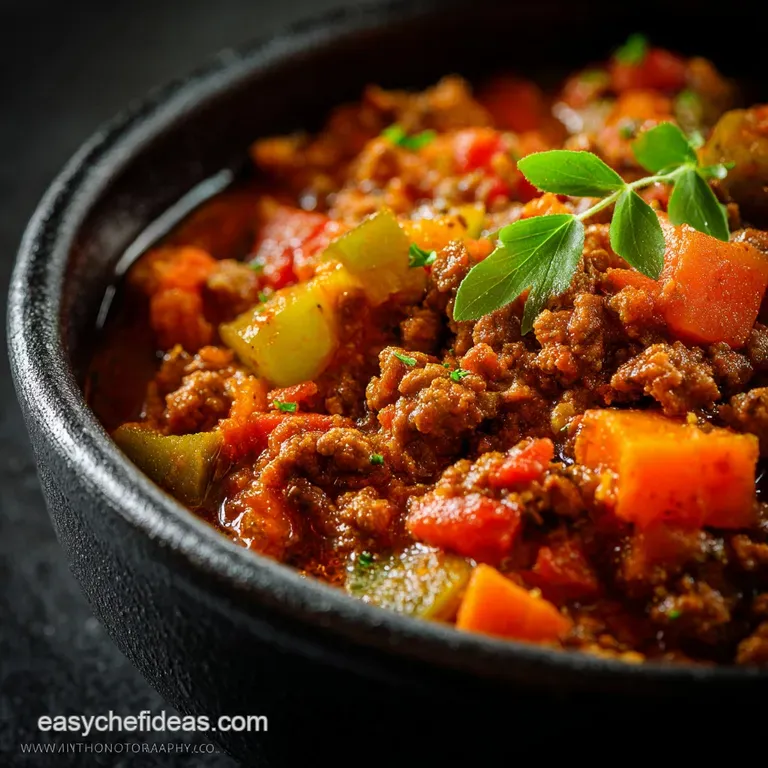
If you’re only going to learn one new ground beef recipe this year, it absolutely has to be Cuban Picadillo. Look, I know what you’re thinking: “Another beef stew? Meh.” But this isn't just any stew. This is a masterclass in balance.
It’s rich and savoury from the spiced meat, acidic from the tomatoes, and it has this incredible sweet and briny kick from the raisins, olives, and capers. It hits all five flavour centres, honestly.
I used to just make standard chili or bolognese, but Picadillo is fast, it's cheap, and it’s miles more interesting. It freezes beautifully, too, which makes it perfect for meal prepping. Plus, it makes your whole house smell like you’re actually cooking something soulful, not just heating up leftovers.
It’s brilliant. Trust me, once you nail this authentic Cuban picadillo recipe, it’s going straight into your weekly rotation.
Journey to Havana: The History Behind This Classic Cuban Picadillo
The word picadillo literally means "to mince" or "to chop" in Spanish, and the dish traces its lineage back to Spain itself. But like so many dishes that travelled across the Atlantic, it evolved massively once it hit the Caribbean.
In Cuba, the foundation stayed the same minced meat cooked in a tomato base but the regional ingredients completely changed the game. That’s where the olives, the raisins, and the specific spice combination (cumin and oregano) stepped in to define the Cuban version we adore today.
It’s history you can taste.
Deciphering the Sweet and Savory Balance of Picadillo
This is the secret sauce, friends. The flavour profile of Cuban Picadillo relies on a deliberate collision of tastes. You have the powerful, deep flavour of the seasoned ground beef, the earthy depth of the sofrito , and then the shocking pop of sweet and salty.
The raisins plump up during the simmer, releasing a gentle, almost undetectable sweetness that counteracts the sharp acidity of the tomato sauce. Then the salty olives and capers come in to anchor the whole thing.
If you taste it and think, "Hmm, something is missing," it’s probably one of these elements being too shy. Get them involved!
The Essential Role of Sofrito in Cuban Cuisine
If the Picadillo is the house, the sofrito is the foundation. It’s the aromatic base made primarily of finely diced onion, garlic, and bell pepper, sautéed slowly in olive oil.
I once tried to rush this step, thinking, “They’ll cook down anyway, right?” Wrong. They didn't cook down; they stayed crunchy and gave the final dish an unpleasant texture.
The point is to cook them low and slow until they melt into the oil, releasing their full flavour before anything else (especially the garlic) burns. Don't skip the slow sauté; it is everything.
How Picadillo Evolved Across the Spanish and Speaking World
Picadillo is a superstar across the globe, but everyone makes it differently. In Mexico, you often find diced potatoes mixed in, and it's usually less sweet. In Puerto Rico and the Dominican Republic, the recipe leans heavily on annatto or achiote for colour and often skips the capers entirely.
But the Cuban style? That’s the one with the defining trio: olives, capers, and raisins. When you see a recipe with all three, you know you’re getting the true, authentic taste of Havana.
The Cuban Picadillo Ingredient List
Your shopping list here is pretty easy, though it might contain a couple of items you don't usually buy (like a jar of Manzanilla olives). Just grab the best quality lean ground beef you can afford, and make sure your spices (especially the cumin) aren't ancient dust lurking in the back of your cupboard.
Fresh spices make a huge difference here.
Building Blocks: Essential Pantry Items for Authentic Flavor
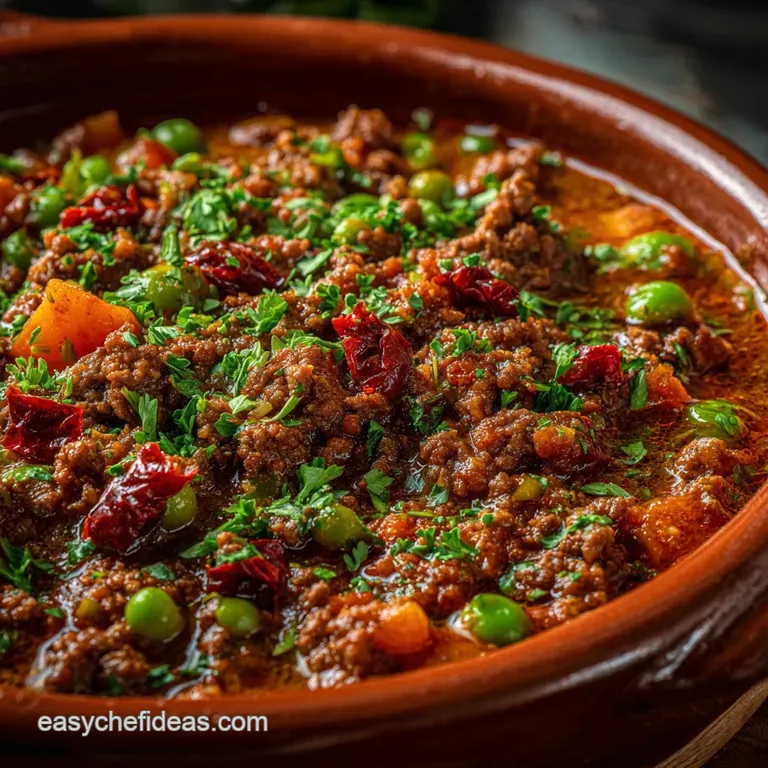
We all have pantry heroes, right? For Picadillo, mine are canned crushed tomatoes (not diced; we want that smooth sauce texture!) and those sneaky little capers. They sit quietly on the shelf until you need that one intense burst of briny flavour.
Choosing the Right Cut of Ground Beef (Lean vs. Fatty)
I always aim for 85/15 ground beef for this Cuban picadillo recipe. Now, 93/7 sounds healthier, I know, but trust me, that extra 8% of fat is absolutely crucial. Picadillo simmers for nearly 20 minutes.
If the meat is too lean, it releases all its moisture quickly and the meat will turn dry and grainy. The 85/15 ratio ensures the meat stays tender and succulent, even after the simmer. Don't drain the fat after browning, either it carries the flavour!
Spanish Olives and Capers: The Salty Counterpoint
These are not optional. If you skip them, you just have a meaty tomato sauce. The Spanish Manzanilla olives bring a necessary salty, slightly tangy texture. And capers? They are tiny powerhouses of concentrated brine. They work with the tomatoes to deliver that lovely acidic depth.
Make sure you drain the capers, though; you want the flavour, not the excess water.
Smart Substitutions for the Raisin Averse
Okay, I hear you. "Fruit in my beef?" I’m begging you to try it as written first. But if you truly can't handle the raisins, you have two options:
- Diced Apple: A half a small apple, peeled and diced very finely, added during the simmer. It will dissolve and offer that background sweetness without the texture of dried fruit.
- A Pinch of Sugar: If you want zero fruit, add 1/2 teaspoon of brown sugar or honey during the final seasoning phase to cut the acidity. But, truly, the raisins are better.
Must and Have Tools for Simmering Success (Kitchen Gear)
A good, heavy pot is really the only special gear you need. I use my trusty 5 quart Dutch oven. Why? Because when you’re building flavour (especially with the sofrito and the browning of the beef), you need even heat distribution.
A thin, cheap pan will develop hotspots, leading to burnt garlic or unevenly cooked beef. This is low and tech cooking, but quality equipment makes it stress and free.
Related Recipes Worth Trying
- Effortless Crock Pot Picadillo Recipe Authentic Cuban Comfort Food — This Crock Pot Picadillo is the ultimate easy ground beef dinner recipe We guarantee rich flavour by searing the meat first resulting in meltingly tender...
- Golden Air Fryer Beef Picadillo Empanadas Crisp Snack Sensation — Ban the deep fryer Get perfectly golden flaky Air Fryer Beef Picadillo Empanadas without the faff Savoury spiced beef filling meets crisp pastryan easy...
Step and by-Step Cooking: Achieving the Perfect Sofrito Base
This is where we start creating magic. Get that olive oil shimmering, and add your finely diced onion and bell pepper. Stir it often over medium heat. You want them to sigh, soften, and almost collapse into the oil. This should take a solid 6 to 8 minutes.
Only then do you add the minced garlic. Why the delay? Garlic burns much faster than onion and pepper, and burnt garlic is the enemy of authentic flavour. Cook the garlic for just 60 seconds until you can smell it clearly that's when it's done.
Now you’ve got a fantastic sofrito .
Simmering to Perfection: Developing the Stew’s Signature Depth
Sautéing Aromatics: Building the Foundation of Flavor
Once the garlic is fragrant, immediately toss in your dried spices the cumin and oregano. Blooming the spices in that hot, scented oil for another minute wakes them up and pulls out their essential oils. This brief, hot flash of seasoning before the meat goes in is non and negotiable for building genuine depth.
Browning the Meat: Maximizing Maillard Reaction
Push the sofrito to one side of the pot and crumble your ground beef into the empty space. Don't stir everything immediately! Let the meat sit on the hot surface to achieve proper browning that beautiful Maillard reaction where the meat turns deep brown and develops rich, roasty flavours.
Once the meat is nearly browned, stir in the tomato paste and cook it for one minute until it darkens (that’s the 'pincer' technique). Then, pour in the wine (or stock) and scrape up all those lovely brown bits (the fond ) stuck to the bottom. That is where the hidden flavour lives.
Integrating Sweet, Salty, and Acidic Elements
Now everything goes into the pool. Add the crushed tomatoes, bay leaves, salt, pepper, olives, capers, and the controversial but necessary raisins. Give it a good stir. Bring it up to a gentle simmer, reduce the heat way down, and then partially cover the pot.
This lets some steam escape so the sauce can thicken beautifully while the flavours meld. Twenty minutes is the sweet spot.
The Final 10 Minutes: Adjusting Consistency and Seasoning
After 15- 20 minutes, the sauce should be thick and clinging to the meat. Take out the bay leaves (they’ve done their job!). This is the moment for precision. Taste it. Does it feel too sharp or acidic? Add a tiny pinch of sugar. Does it lack punch? More salt or maybe a splash of vinegar.
Is it bland? More cumin or oregano.
Crucial warning: You must taste for the balance. Picadillo should be simultaneously sweet, salty, and savoury. If it tastes "flat," add more salt or brine from the olive jar until it pops.
Serving Suggestions: What to Pair with Your Cuban Picadillo
Classic Pairings: Rice, Beans, and Plantain Magic
The absolute classic way to serve this Cuban picadillo is over a mountain of steaming white rice. That’s mandatory. Traditionally, it's served alongside black beans ( frijoles negros ) and maybe some slices of creamy avocado. But if you really want to elevate the meal, you need plantains.
- Maduros: Sweet, caramelized fried ripe plantains. The sweetness contrasts beautifully with the salty Picadillo.
- Tostones: Crispy, savoury double and fried green plantains. Use them like crackers to scoop up the stew.
Creative Uses for Leftover Picadillo (Empanadas or Tostones Topping)
Leftover Picadillo is a gift. It tastes even better the next day because the spices have really deepened.
- Empanada Filling: My favourite use. Cool the Picadillo completely, then use it to stuff flaky pastry dough. Fry or bake them until golden. Total crowd and pleaser.
- Tostones Topping: Use it cold or warm as a chunky, flavourful topping for nachos or crispy tostones. Add a dollop of sour cream or hot sauce.
- Stuffed Potatoes: Use it to stuff baked potatoes or sweet potatoes for a super easy weeknight meal.
Recipe Variations: Making Picadillo with Turkey or Pork
While ground beef is king in this authentic recipe, you can definitely swap out the protein if you need to.
- Turkey Picadillo: Use ground turkey (dark meat is better for moisture). You might need to add an extra tablespoon of olive oil, as turkey is naturally leaner. Since turkey has a milder flavour, increase the cumin and oregano slightly (maybe 1/4 teaspoon more of each).
- Pork Picadillo: Ground pork works wonderfully and adds a slightly sweeter flavour profile. It behaves much like the 85/15 beef, so no major adjustments needed beyond a minor tweak of salt at the end.
Mastering the Meal Prep: Storage, Freezing, and Reheating Tips
Picadillo is a meal prep champion. It holds up fantastically.
- Refrigeration: Store leftovers in an airtight container in the fridge for up to 4 days.
- Freezing: This stuff freezes brilliantly. Let it cool completely, then transfer it to freezer and safe bags or containers (press out the air!). It’s good for up to 3 months. Thaw overnight in the fridge before reheating.
- Reheating: Warm gently on the stovetop over low heat, adding a splash of water or beef stock if it looks too dry. Avoid the microwave if you can; slow reheating preserves the texture better.
Nutritional Breakdown: Calories and Macros per Serving
I’m not a nutritionist, so take this as a ballpark estimate for a standard serving size (about 1.5 cups) without rice or sides. It’s definitely hearty, protein and packed, and satisfying.
The fat content is moderate, thanks to the quality beef and olive oil, and the carbs come mainly from the tomatoes and the sneaky raisins. It's a great choice for a fulfilling family dinner.
Recipe FAQs
Must I really include the raisins and olives in this dish? (That sounds a bit rogue!)
Yes, absolutely! These ingredients provide the crucial sweet, salty, and acidic balance that defines authentic Cuban Picadillo; skipping them is a bit like serving fish and chips without the vinegar.
How long does Cuban Picadillo keep, and can I freeze leftovers for a quick meal?
It stores brilliantly! Keep leftovers in an airtight container in the fridge for up to four days, or freeze it for up to three months; it thaws beautifully and makes an excellent make-ahead filling for pastries or tacos.
I've only got turkey mince in the freezer can I use that instead of beef?
You can substitute the beef for almost any ground meat (pork, turkey, or a blend), but remember that leaner meats like turkey will require a little extra olive oil to prevent the Picadillo from becoming dry during the simmer.
Right, what’s the classic Cuban way to serve this up?
The traditional setup is served over a bed of fluffy white rice, often alongside black beans (frijoles negros) and perhaps some fried sweet plantains (maduros) for a proper hearty spread.
My sauce tastes a bit thin or too sharp (acidic); what’s the quick fix for the seasoning?
If the sauce is thin, simply simmer it uncovered for 5-10 extra minutes to allow evaporation; if it tastes too acidic (sharp), stir in a very small pinch of sugar to round out the flavour profile, much like adding salt to savoury bakes.
Authentic Cuban Picadillo Recipe
Ingredients:
Instructions:
Nutrition Facts:
| Calories | 380 kcal |
|---|---|
| Fat | 18 g |
| Fiber | 4 g |
