Aegean Stuffed Chicken Spinach Feta Bombs
- Elevating Weeknight Dinner: The Aegean Flavor Secret
- Gathering Your Greek Pantry Staples and Essential Tools
- Smart Substitutions and Ingredient Swaps
- Master the Stuffing Technique: Preparing the Chicken Cavity
- Achieving the Golden Crust and Succulent Center
- Frequently Asked Questions and Troubleshooting Your Stuffing
- Make Ahead, Storage, and Reheating Strategy
- Recipe FAQs
- 📝 Recipe Card
Elevating Weeknight Dinner: The Aegean Flavor Secret
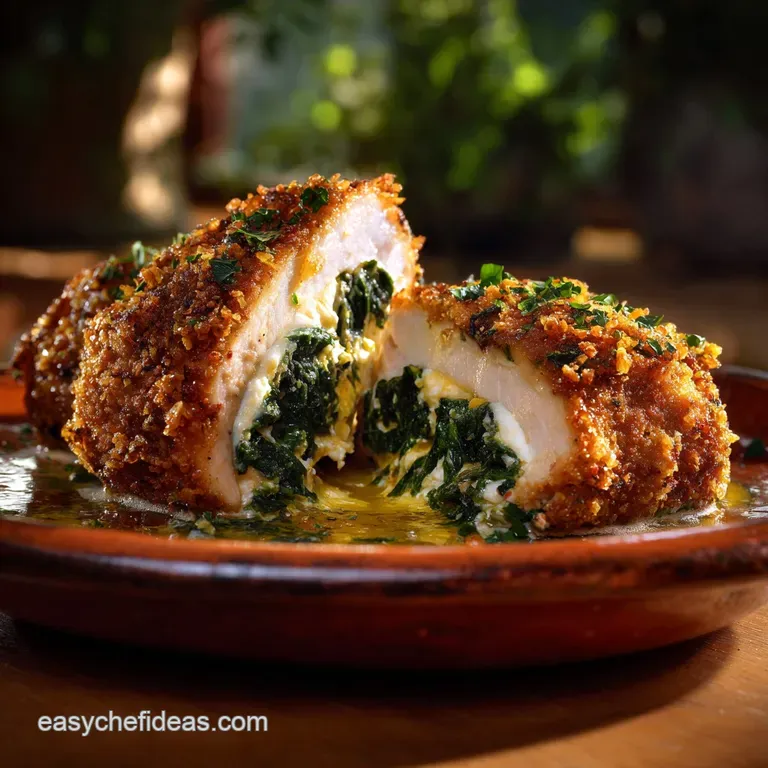
The Spinach and Feta Stuffed Chicken Breast is a culinary masterpiece that transforms everyday poultry into an impressive, flavor packed meal. Drawing deep inspiration from the sunny, coastal kitchens of Greece, this dish brings together simple, fresh ingredients for a spectacular result.
It is a fantastic option for those seeking sophisticated Chicken Dinner Recipes that are also naturally Clean Low Carb Recipes .
Decoding the Magic of Salty Feta and Creamy Filling
The secret to this recipe's irresistible appeal lies in the dynamic contrast within the filling itself. Salty, tangy block feta provides a wonderful sharp counterpoint to the subtle richness of cream cheese.
When melted inside the oven, these cheeses combine with aromatic dill and garlic to create a sublime, creamy core. This preparation turns a standard chicken fillet into an unforgettable meal, suitable for elegant hosting or a luxurious weeknight supper.
Why Stuffing Makes Chicken Breast Juicy Every Time
Chicken breasts are notoriously lean, making them vulnerable to drying out during the cooking process. Stuffing the breast achieves two crucial goals simultaneously. First, the filling acts as an internal temperature buffer, insulating the meat from the oven’s heat.
Second, the moisture and fat from the cheese melt into the surrounding chicken fibers, effectively basting the interior. This technique ensures a deeply succulent, perfectly cooked Feta Stuffed Chicken Breast every time.
Is this Spinach and Feta Stuffed Chicken Breast Difficult to Master?
While the finished product looks complicated, preparing this Easy Spinach and Feta Stuffed Chicken Breast is well within the capabilities of any home cook. The recipe is designated as medium difficulty because it requires precision in two areas: cutting the pocket neatly and diligently removing all moisture from the spinach.
Mastering the proper searing technique before transferring it to the oven is the final skill needed to guarantee success.
Gathering Your Greek Pantry Staples and Essential Tools
Creating this beautiful Greek inspired dish requires a handful of robust ingredients that contribute authenticity and depth. Central to the flavor profile is high-quality block feta, which crumbles nicely and retains a better flavor than pre-crumbled varieties.
We rely on frozen chopped spinach for convenience, but its preparation specifically ensuring it is intensely dry is non-negotiable for a successful filling.
| Ingredient Essential | Why It Matters |
|---|---|
| Block Feta Cheese | Superior flavor and texture retention when heated. |
| Fresh Dill | Essential herb for the authentic Mediterranean taste. |
| Cream Cheese | Acts as the crucial binder, ensuring the filling stays put. |
| Large Chicken Breasts | Provides enough surface area for a generous pocket. |
Smart Substitutions and Ingredient Swaps
Flexibility is a key trait of a great recipe, allowing cooks to adapt based on dietary needs or pantry availability. This robust Chicken Entree Ideas recipe allows for several easy adjustments without compromising the overall quality.
Whether swapping greens or looking for a different cheese experience, these smart adjustments keep the dish exciting and accessible.
Selecting the Perfect Cut: Choosing Quality Chicken Fillets
The success of a stuffed chicken recipe starts with selecting the right cuts of meat. Choose four large, uniform, boneless, and skinless chicken breasts, ideally weighing around 6 to 7 ounces each. Ensure the fillets are trimmed of any excess fat or gristle, as these parts cook unevenly.
Thicker chicken pieces are much easier to slice into a pocket without accidentally cutting all the way through the sides.
Beyond Spinach: Enhancing the Filling with Dill and Nutmeg
While spinach and feta form the primary backbone, the supporting aromatics elevate the filling to restaurant quality. Fresh dill is the signature herb here, providing a distinct, grassy flavor that pairs beautifully with feta.
Though not traditional, a small pinch of freshly grated nutmeg can add a hidden layer of warmth and complexity. Minced garlic provides necessary sharpness, tying the savory elements together.
The Equipment Checklist for Seamless Stuffing and Searing
Having the correct tools ready before you begin stuffing significantly streamlines the process and ensures a neat final result. The most critical item is an oven safe, heavy bottomed skillet, such as cast iron or quality stainless steel, which facilitates the crucial sear-to-bake transition.
Essential equipment includes:
- A sharp paring knife for precision pocket cutting.
- An instant read meat thermometer for checking internal doneness.
- A sturdy mixing bowl for combining the filling ingredients.
- Butcher's twine or wooden toothpicks for sealing the openings.
Dairy Alternatives for the Feta and Cream Cheese Base
If you are looking to adjust the dairy content or flavor profile, there are several effective substitutions for the traditional Greek components. For a tangier profile, soft goat cheese (Chèvre) can replace the feta, offering a milder, creamier melt.
If a non-dairy option is required, firm tofu can be pressed and seasoned heavily with lemon and salt to mimic the feta texture, and vegan cream cheese can be used as the binder.
Can I Use Frozen Spinach Instead of Fresh?
Absolutely, frozen chopped spinach is recommended here for ease and concentration of flavor. However, the procedure for handling it is paramount: you must aggressively squeeze out every drop of moisture after thawing.
Excess water from the spinach will immediately thin the cream cheese binder, causing the entire filling to become soupy and leak out during baking. This critical step ensures a firm filling for your Spinach and Feta Filled Chicken Breasts .
Related Recipes Worth Trying
- DumpandGo Slow Cooker Mississippi Chicken The 5Minute Prep Recipe — The ultimate Crockpot Chicken Recipes Easy This buttery tangy Mississippi Chicken melts in your mouth with zero fuss Just five minutes of prep and the slow...
- Foolproof Seared Scallops with Corn and Tomatoes 30Minute Dinner — This elegant summer seafood recipe features perfectly Seared Scallops with Corn and Tomatoes served over a vibrant sweet corn relish Its buttery flavourful...
- Flawless Zucchini Rollatini with Spinach and Ricotta Low Carb — The perfect lightenedup Zucchini Rollatini recipe Ill show you the essential trick to prevent sogginess Creamy ricotta and spinach baked in bubbling sauce A...
Master the Stuffing Technique: Preparing the Chicken Cavity
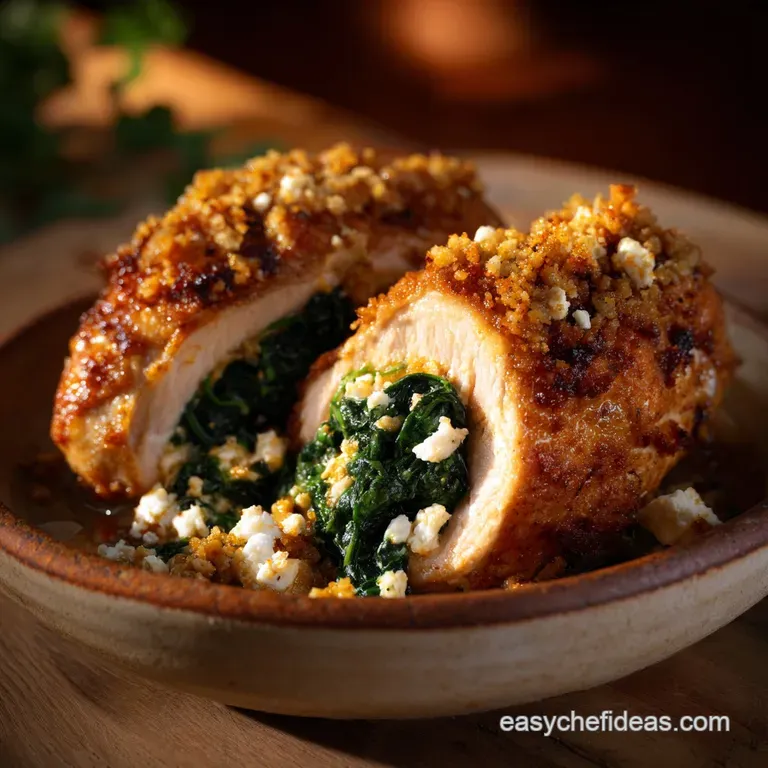
Preparing the chicken correctly ensures that the filling stays securely tucked inside during the high heat of searing and baking. We aim to create a deep, generously sized pocket within the chicken breast, similar to a pouch.
Proper technique allows for maximum filling capacity while maintaining the structural integrity of the meat.
Achieving the Golden Crust and Succulent Center
The two-stage cooking process searing on the stovetop and finishing in the oven is the professional secret to achieving perfect stuffed chicken. This method secures a beautiful golden brown crust and locks in moisture.
Whether you finish your spinach and feta stuffed chicken breast in oven or plan a quick final blast in the air fryer, mastering the sear is your first step to success.
Whipping Up the Tangy Spinach and Feta Stuffed Chicken Breast Filling
The filling process begins by ensuring the components are thoroughly combined and properly dry. After draining and squeezing the thawed spinach, crumble the feta block into the bowl. Combine this with the softened cream cheese, minced garlic, and fresh dill.
Mix until the texture is uniform and stiff enough to hold its shape when scooped, indicating that the moisture content is exactly right.
How to Create the Deep Pocket Without Tearing the Meat
Place the prepared chicken breast flat on your cutting board, locating the thickest edge. Using a small, very sharp paring knife, slice horizontally into the center of the breast, moving toward the opposite side.
Be mindful to stop about a half inch short of the outer edges, leaving a border of meat to form a natural seal. This technique creates a deep, secure cavity, preventing the filling from bursting out.
Sealing the Deal: Using Toothpicks vs. Butcher’s Twine
To ensure the creamy, delicious filling remains securely contained, the pocket opening must be tightly sealed before cooking. Wooden toothpicks provide a quick and effective closure; insert two or three perpendicularly along the seam, effectively sewing the edges shut.
For a cleaner, more robust seal, some cooks prefer to use butcher’s twine to gently truss the entire breast, which adds visual appeal and maximum security during the sear.
The Crucial Sear: Developing Flavor on the Stovetop
The initial searing process is vital for flavor development and achieving that appealing golden brown exterior. Preheat your heavy skillet over medium high heat with a mixture of olive oil and a touch of butter. The combination of fats adds richness and helps attain a higher searing temperature.
Place the stuffed chicken seam side down first and sear for 2 to 3 minutes per side until a deep, appetizing crust forms.
Oven Finishing Times for Different Breast Sizes
After searing, the chicken transfers directly to a preheated 400°F (200°C) oven to finish cooking thoroughly. The total baking time will depend largely on the initial size of the chicken breast. For the typical 6 7 ounce breast, expect a finishing time of about 20 to 25 minutes.
Always check the internal temperature rather than relying solely on timing, especially if your chicken pieces vary in thickness.
Checking for Doneness: Internal Temperature Guide
Safety and texture depend entirely on reaching the proper internal cooking temperature. The chicken breast is fully cooked and succulent when its internal temperature reaches 165°F (74° C) .
Insert your digital instant read thermometer directly into the thickest part of the meat, being very careful to avoid skewering the cooler filling inside the cavity. Always allow the finished chicken to rest for 5– 7 minutes before serving, which redistributes the internal juices.
Frequently Asked Questions and Troubleshooting Your Stuffing
If you run into issues, don't worry most common stuffing problems are easily fixable. The primary frustration cooks face is wet filling or leakage, which is typically solved in the prep stage. Remember that high-quality, dry ingredients are the foundation of a successful stuffed chicken.
Expert Tip: If your filling mixture seems too soft or wet after mixing, stir in one tablespoon of dried breadcrumbs or finely ground almond flour. This acts as an immediate binder and absorbs excess moisture, preventing a messy bake.
make-ahead, Storage, and Reheating Strategy
This Spinach and Feta Filled Chicken Breasts recipe is highly amenable to meal prepping, making it a favorite among busy cooks. Strategic storage ensures you can enjoy the amazing Mediterranean flavor days later, whether you opt for the oven, or utilize the efficiency of a spinach and feta stuffed chicken breast air fryer method for quick reheating.
Preventing Filling Leakage During the Baking Process
Leakage is usually a sign that the chicken pocket was either overstuffed or inadequately sealed. To prevent this, only fill the cavity about three quarters full, leaving room for the filling to expand slightly during heating.
After sealing with toothpicks or twine, gently press the edges of the chicken breast around the seal before searing. This creates a tighter bond that resists splitting in the oven.
Best Side Dishes to Pair with Mediterranean Chicken
The rich, salty profile of this chicken pairs beautifully with light, tangy, or starch based sides that absorb the rendered juices. A simple Lemon and Herb Orzo or a bright Rice Pilaf complements the Greek flavors perfectly.
For a healthy green contrast, serve the chicken alongside a fresh Greek salad tossed with a red wine vinaigrette or lightly roasted asparagus. For a richer pairing, consider adding a thin spinach and feta stuffed chicken breast with sauce based on lemon butter.
How Long Can I Refrigerate the Raw Spinach and Feta Stuffed Chicken Breast?
If you are preparing this dish ahead of time for a dinner party or meal prep, you can safely store the raw, fully stuffed chicken breasts in the refrigerator for up to 24 hours. Place the seasoned, sealed chicken in an airtight container to prevent cross contamination.
Always ensure the chicken is completely covered and kept at a temperature below 40°F (4°C) for optimal food safety.
Freezing Cooked and Uncooked Stuffed Chicken Safely
Both cooked and uncooked stuffed chicken freeze remarkably well, providing an excellent freezer friendly Chicken Entree Ideas . For uncooked chicken, flash freeze the stuffed breasts individually on a baking sheet until solid, then transfer them to a freezer bag, labeled with the date.
Cooked chicken should be completely cooled before being wrapped tightly in foil, ensuring maximum moisture retention for up to three months.
Maximizing Leftover Flavor: Reheating Without Drying Out
Reheating chicken breasts often results in tough, dry meat, but the stuffing helps mitigate this issue. For the best texture, utilize an air fryer set to 350°F (175°C) for about 8 to 10 minutes, checking halfway through.
Alternatively, reheat the chicken wrapped loosely in foil in a 300°F (150°C) oven until warmed through. This low, slow method ensures the filling melts again while the chicken maintains its tenderness.

Recipe FAQs
Why did my filling leak out everywhere when I cooked the chicken?
Ah, the classic weep! This nearly always happens if the spinach wasn't wrung out properly; wet filling creates steam and pressure, forcing the mixture out during cooking. Treat that spinach like a damp tea towel and squeeze it dry until you can't squeeze any more it’s the most crucial step for a neat filling.
Can I prepare this Spinach and Feta Stuffed Chicken Breast ahead of time, like on a Sunday afternoon?
Absolutely! You can prepare, stuff, and seal the chicken up to 24 hours in advance. Store the sealed breasts tightly covered in the fridge, then pull them out about 30 minutes before searing to let them lose their fridge chill for the best results.
I'm not a huge fan of feta, are there any good cheese substitutes that won't spoil the show?
No worries, chef! For a similar tang and creaminess, try using soft goat cheese (chèvre) or cream cheese mixed with Parmesan for a savoury punch. If you want a cheese that melts beautifully but holds its shape, Halloumi is a fantastic, salty substitution.
What's the best way to ensure the chicken is juicy and not drier than the Sahara?
A meat thermometer is your best friend here, giving you true peace of mind. Cook until the internal temperature reaches precisely 74°C (165°F) in the thickest part (avoiding the filling), then let it rest for five minutes it's the bee's knees for guaranteed juiciness.
Can I skip the searing step and just bake the chicken straight away?
You can, but skipping the sear is a bit of a shame as you miss out on that lovely, deep golden crust and the flavour it adds. If you must skip it, increase the baking time by 5 to 10 minutes and use a slightly higher temperature (210°C/425°F) to try and achieve some colour.
Aegean Spinach And Feta Stuffed Chicken
Ingredients:
Instructions:
Nutrition Facts:
| Calories | 1153 kcal |
|---|---|
| Protein | 16.3 g |
| Fat | 66.3 g |
| Carbs | 37.7 g |
| Fiber | 16.2 g |
| Sodium | 10371 mg |
