Wok Wonders Copycat Panda Express Chow Mein the Speedy Weeknight Version
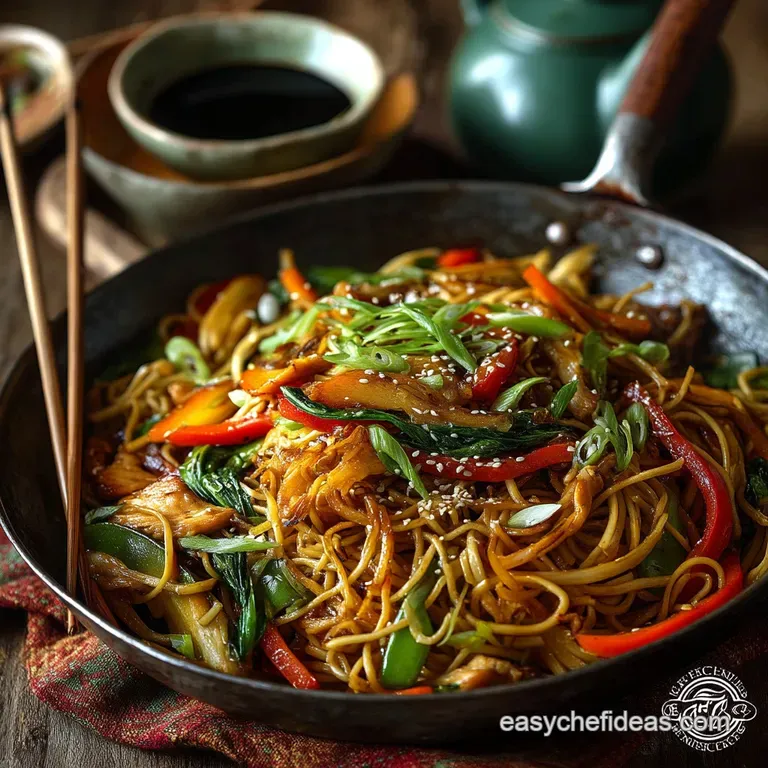
- Skipping the Line: The Magic of Homemade Panda Express Chow Mein
- Gathering Your Wok Warriors: Essential Components
- Critical Kitchen Gear for High-Heat Cooking
- Mise en Place Mastery: Prepping for Wok Success
- Flash Frying Fun: Executing the Copycat Panda Express Chow Mein
- Achieving the Golden Standard: Pro Tips for Panda Express Chow Mein
- Extending the Feast and Nutritional Snapshot
- Recipe FAQs
- 📝 Recipe Card
Skipping the Line: The Magic of Homemade Panda Express Chow Mein
There are few dishes that evoke the pure comfort of American Chinese takeout quite like the signature noodles from Panda Express. The specific texture that delightful chewiness mixed with crisp, quick fried vegetables is instantly recognizable.
If you’ve ever found yourself craving that exact, perfectly seasoned taste, but wished you could skip the line and the delivery fee, you are in luck. Recreating this immensely popular dish at home is not only achievable but surprisingly fast.
This comprehensive guide will walk you through mastering the high heat technique required for a perfect Panda Express Chow Mein Copycat , ensuring every forkful is loaded with that classic sweet savory punch.
What Makes This Version a Weeknight Winner?
What elevates the Panda Express Chow Mein Recipe above other stir fry options is its pure simplicity and lightning speed. We are dealing with an intensely focused dish that relies on just three types of vegetables, a specific type of noodle, and a rapidly mixed sauce.
With only about 15 minutes of prep time needed to slice the vegetables and mix the sauce, the actual cooking process takes a mere 10 minutes. This makes it an ideal "fake away" champion for busy weeknights, capable of hitting your table faster than ordering delivery.
It demonstrates that truly satisfying comfort food doesn't require complicated techniques, just precise timing and high heat.
Chow Mein vs. Lo Mein: Settling the Noodle Debate
The debate over what constitutes authentic Chow Mein often causes confusion, especially when discussing the Panda Express version. The term Chow Mein literally translates to "fried noodles." Traditional Cantonese versions often feature very thin egg noodles fried until crisp.
However, the Americanized fast food standard, including this specific recipe, relies on a thicker, chewier noodle. To achieve the correct texture for this particular dish, you must select fresh or dried lo mein or yakisoba noodles thick Chinese egg noodles designed to be tossed and incorporated, rather than fully crisped.
Understanding this distinction is key to nailing the authentic feel of the restaurant’s Panda Express Chow Mein .
The Story Behind the Takeout Favorite
While noodle dishes have been a staple in Asian cuisine for millennia, this specific iteration of the dish achieved global fame by offering an approachable, consistently delicious blend of textures and flavors.
It acts as the perfect starchy canvas, often paired with richer meat dishes, yet it is robust enough to stand on its own as a delightful Vegetarian Stir Fry .
Its widespread popularity confirms its status as an iconic piece of modern culinary history a testament to how a simple combination of chewy noodles, crisp vegetables, and a balanced sauce can capture the hearts (and stomachs) of millions.
Gathering Your Wok Warriors: Essential Components
To successfully recreate this takeout favorite, we must focus on three critical component groups: the base (noodles and oil), the crunchy heart (the vegetable trio), and the soul (the Panda Express Chow Mein Sauce ).
We need substantial, chewy noodles about one pound of fresh or dried lo mein. For the vegetables, we rely on the classic pairing of thinly sliced yellow onion, diagonally cut celery ribs, and finely shredded green cabbage.
Finally, the sauce must be pre-mixed to ensure immediate incorporation into the high heat of the wok, guaranteeing a unified flavor profile the moment it hits the heat.
Critical Kitchen Gear for High Heat Cooking
Before addressing the ingredients, it is paramount to talk equipment. Stir frying is a technique defined by heat and speed, and having the right tools on hand will make or break your attempt to achieve true "Wok Hei." You will need a large pot for boiling the noodles, a colander for draining, and most importantly, an appropriate vessel for the frying stage ideally, a true wok.
Tongs are also essential; they are your primary tool for tossing the heavy noodles with the vegetables and distributing the sauce evenly.
The Perfect Chewy Base: Selecting the Best Chow Mein Noodles
As established, achieving the correct chewiness is the secret weapon of this particular Panda Express Chow Mein Copycat . You should aim for thick lo mein or yakisoba noodles.
These noodles hold up well to vigorous tossing and have the necessary heft to stand up to the rich Panda Express Chow Mein Sauce . If using dried noodles, always ensure you cook them according to package directions, but aim for slightly underdone, as they will continue to cook briefly in the wok.
Building the Signature Sweet Savory Sauce Blend
The distinct flavor profile of this noodle dish comes entirely from the meticulously balanced Panda Express Chow Mein Sauce . This is not a complex creation, but requires specific elements: a base of soy sauce for saltiness, oyster sauce (or a rich vegetarian mushroom stir fry sauce) for umami depth, granulated or brown sugar for crucial sweetness, toasted sesame oil for aroma, and most importantly, a dash of dark soy sauce.
The dark soy sauce is absolutely vital; it provides that deep, burnished brown color characteristic of excellent takeaway Chow Mein , without adding excessive saltiness.
Pre-mixing this entire Stir Fry Sauce Recipe until the sugar is dissolved is a non-negotiable prep step.
The Veggie Trio: Getting Your Celery, Onion, and Cabbage Ready
The textural complexity of this dish comes entirely from the vegetables. We are utilizing a simple trio yellow onion, celery, and green cabbage all chosen for their ability to maintain a satisfying crunch even after a quick sauté.
The success relies on uniformity; the onions and celery must be thinly sliced, and the cabbage should be shredded fine, mimicking a delicate coleslaw cut. This ensures that they achieve that sought after crisp tender texture simultaneously during the rapid cook time.
Why a Wok is Non-Negotiable (Or a Suitable Alternative)
The shape of a wok is crucial for efficient stir frying. Its deep, sloped sides allow you to toss and flip ingredients rapidly without spilling, ensuring everything hits the hottest part of the pan (the base) repeatedly.
This rapid movement and extremely high temperature are what create the coveted "Wok Hei" the smoky, distinct flavor that defines great Cantonese cooking. If a wok is truly out of reach, use the largest (12 inch minimum), heaviest skillet or non-stick pan you own.
However, be vigilant against overcrowding, which will drop the temperature and result in steaming rather than frying.
Related Recipes Worth Trying
- Wok Star Panda Express Chow Mein The 18Minute Takeout Fakeout Recipe — This Panda Express Chow Mein Copycat is a weeknight winner Master the perfect takeout texture and rich sauce using high heat and simple ingredients Faster...
- Beef Lo Mein Takeout Taste Homemade Easy Peasy — Ditch the takeout This easy Beef Lo Mein recipe is ready in 35 mins Tender beef tasty noodles and a sauce thatll knock your socks off Get the recipe now
- Easy 30Minute Beef Lo Mein Takeout Fakeout — Skip the takeout My Easy 30Minute Beef Lo Mein is quicker tastier and healthier Perfect weeknight dinners with authentic flavor Get the recipe now
Mise en Place Mastery: Prepping for Wok Success
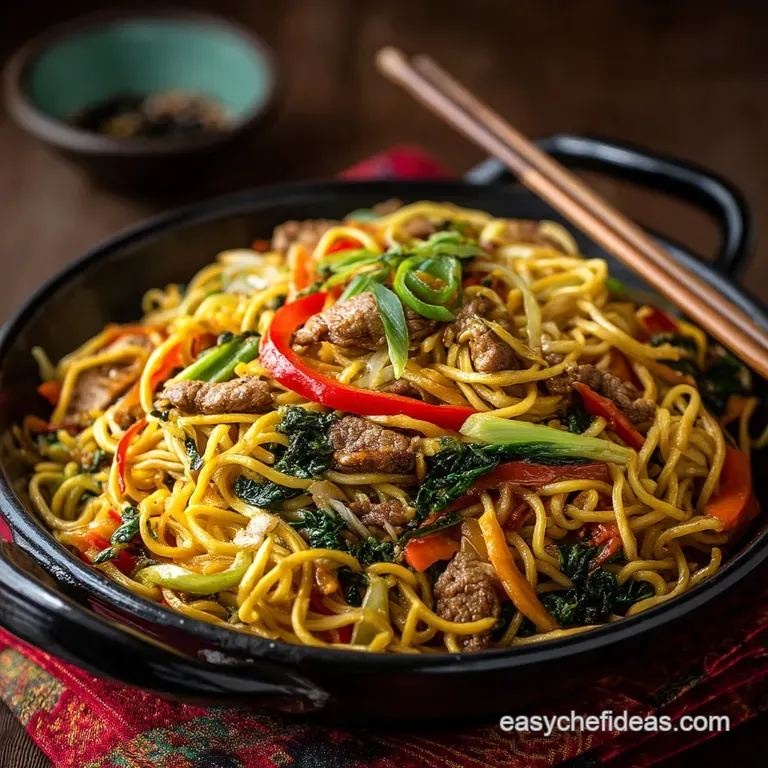
Before the first drop of oil hits the pan, you must commit to mise en place (everything in its place). Stir frying is a race against the clock; you cannot pause to chop an onion once the wok is heated.
This critical 15-minute window is dedicated to slicing all vegetables, whisking the sauce, and boiling your Chow Mein Noodles . Group your prepped ingredients in separate bowls right next to your cooking station. Once the heat is on, your movements must be continuous and decisive.
Flash Frying Fun: Executing the Copycat Panda Express Chow Mein
The actual cooking process is defined by maximum heat and speed. Start by adding a substantial amount of neutral, high heat oil to your wok and let it reach shimmering, almost smoking, temperature. This step is vital for the desired smoky flavor and proper frying.
Softening the Noodles to Al Dente Perfection
The noodles are the first items to cook outside of the wok. Bring a large pot of salted water to a rolling boil and cook your lo mein or yakisoba noodles until they are al dente —slightly firmer than you would eat them normally.
Drain them immediately, rinse briefly, and toss with one teaspoon of neutral oil to prevent clumping. Here is the secret: allow those noodles to air dry for five minutes. Excess moisture is the enemy of a crisp stir fry; damp noodles will instantly cool the wok and lead to a sad, soggy end result.
Chopping Strategy: Sizing the Vegetables Correctly
As mentioned, the vegetables must be thin and uniform. Start by tossing the sliced onion and celery into the screaming hot oil first. These harder vegetables require 2– 3 minutes to soften slightly. Next, introduce the shredded cabbage.
This lighter vegetable requires only 1– 2 minutes to wilt slightly while maintaining its vibrant color and crunch.
The Initial Fry: Cooking the Aromatics and Vegetables
Once the aromatics are sautéing and the cabbage is slightly softened they must remain crisp tender it’s time for the noodles. Add your prepared, drained, and slightly dry Chow Mein Noodles to the hot wok.
Using strong tongs, rapidly toss them with the hot vegetables and oil for about 1– 2 minutes. This ensures the noodles are fully heated through and slightly dry-fried before the sauce is introduced.
Introducing the Noodles and Sauce: The Final Toss
Now for the grand finale. Pour the entirety of your pre-mixed Panda Express Chow Mein Sauce directly over the noodles and vegetables. Continue tossing and stirring vigorously with the tongs for the final 30 60 seconds.
The high heat will rapidly reduce the sauce, allowing the dark soy sauce to evenly coat the noodles, giving them that beautiful, deep mahogany color and locking in the sweet savory flavor. Once the liquid is absorbed and the noodles are shiny, the dish is done.
Testing for Taste and Texture: Achieving the Restaurant Standard
The finished product should be piping hot. Sample a strand of noodle and a piece of celery. The noodles should be chewy and fully seasoned, and the vegetables should offer a distinct, refreshing bite against the richness of the sauce.
If the flavor needs balancing, a tiny splash of soy sauce (for salt) or a pinch of sugar (for sweetness) can be added during the final toss. Transfer immediately to serving bowls to stop the cooking process.
Achieving the Golden Standard: Pro Tips for Panda Express Chow Mein
The key to replicating the famous Panda Express Chow Mein isn't about secret ingredients; it's about technique. First, remember the "dry noodle secret": after boiling, the noodles must be air-dried briefly to eliminate surface moisture, preventing the disastrous "soggy syndrome." Second, utilize that dark soy sauce.
Regular soy provides salt, but dark soy provides the visual authenticity that makes this dish look as good as it tastes. Finally, commitment to maximum heat is crucial. The high temperature is what allows the vegetables to cook quickly without turning mushy and gives the whole dish that desirable "breath of the wok."
Extending the Feast and Nutritional Snapshot
This simple noodle dish provides about 450 to 500 calories per generous serving and is an excellent base carbohydrate. While it contains approximately 850mg of sodium (due mostly to soy and oyster sauce), this can be easily managed with substitutions.
Avoiding the Soggy Syndrome: Controlling Wok Temperature
The single biggest mistake home cooks make is overcrowding the pan. If you double this Panda Express Chow Mein Recipe , you must cook it in two separate batches.
Adding too many ingredients at once will drop the wok temperature below the stir fry threshold, turning your high heat fry into a disappointing steam bath. Always ensure the oil is screaming hot before adding the first batch of vegetables.
Customizing Your Meal: Protein and Vegetable Variations
While this recipe stands strong as a delicious Vegetarian Stir Fry , it pairs beautifully with protein. Cubed chicken breast or thin strips of steak, marinated and "velveted" (a traditional tenderizing technique using baking soda and cornstarch), can be added after the vegetables have softened but before the noodles are introduced.
Cook the meat fully, push it to the side of the wok, and then proceed with the noodles. For vegetable swaps, green bell pepper can replace celery if preferred, offering a different but equally vibrant crunch.
Safe Storage and Reheating Methods
Store leftovers in an airtight container in the refrigerator for up to four days. To reheat, avoid the microwave, which tends to make the noodles rubbery. Instead, reheat the Chow Mein in a large, hot pan or wok on the stovetop with a small splash of fresh oil.
This method allows the noodles to crisp up slightly and restores some of that fresh fried texture.
Making it Healthier: Low-Sodium and gluten-free Swaps
To reduce the sodium content, simply switch out regular soy sauce for a low-sodium version. For those avoiding gluten, substitute the soy sauce entirely with Tamari, and ensure you source a certified gluten-free oyster sauce or utilize a vegetarian hoisin or mushroom stir fry sauce alternative.
While the noodle choice can be restrictive, specific rice based noodles (like wide Pad Thai noodles) can be used as a gluten-free base in a pinch.
Pairing Suggestions: What to Serve with Chow Mein
The Chow Mein is meant to be part of a larger feast! It provides the perfect hearty, savory contrast to sweeter or lighter main courses. Pair it with the classic Orange Chicken, a simple, savory Broccoli Beef, or serve it alongside crispy Spring Rolls or Egg Rolls for maximum textural enjoyment.

Recipe FAQs
What noodles are best for achieving that authentic Panda Express texture?
You’ll definitely want fresh or dried lo mein noodles, or thick Chinese egg noodles, to mimic that classic texture. Unlike the thinner, crispy Cantonese chow mein, the Panda version relies on thick, chewy noodles that soak up the sauce beautifully.
If you're in a real pinch, thick spaghetti or linguine will do the job, but keep an eye out for fresh lo mein in the chiller aisle for the best results!
My stir fries always come out wet and soggy. What's the secret to getting crispy, non-steamed Panda Express Chow Mein?
Ah, the bane of every home cook! The secret is controlling moisture and heat. After boiling, ensure your noodles are slightly underdone and then crucial toss them in a little oil and let them air-dry for five minutes.
Secondly, always use your wok or pan on maximum heat and never overcrowd it; too many ingredients at once will drop the temperature and steam everything instead of frying it.
Does this copycat recipe truly taste like the Panda Express Chow Mein I get at the shopping centre?
Absolutely! This recipe is spot on for nailing that specific sweet savoury balance you know and love, focusing heavily on the distinct vegetable trio of onion, celery, and cabbage.
The use of a small amount of dark soy sauce is the key to achieving that rich, burnished brown colour and a mild molasses like depth that screams authentic takeaway flavour.
I've made a massive batch how should I store and reheat this chow mein so it doesn't dry out?
Stow any leftovers in an airtight container in the fridge; they’ll be perfectly good for 3 4 days. To reheat without creating a rubbery mess, toss them back into a piping hot wok or frying pan.
Add a splash of water or broth (about a tablespoon) when reheating to reintroduce moisture and bring the noodles back to life quickly. Microwaving usually leads to very tough noodles, so a pan fry is the better shout!
I'm missing Dark Soy Sauce or Oyster Sauce. Can I skip them or use alternatives?
While regular soy sauce brings the salt, Dark Soy is vital for achieving the deep, appetising colour, though you could substitute it with a tiny drop of molasses or black treacle mixed with regular soy.
Oyster sauce provides the essential umami richness; if you need a vegetarian replacement, look for a rich mushroom stir fry sauce or even hoisin sauce to give you that necessary savoury depth.
25minute Panda Express Chow Mein Copycat

Ingredients:
Instructions:
Nutrition Facts:
| Calories | 1956 kcal |
|---|---|
| Protein | 11.3 g |
| Fat | 72.5 g |
| Carbs | 70.6 g |
| Fiber | 9.1 g |
| Sodium | 3164 mg |
