The Takeaway Faker Fast Fluffy Restaurantstyle Panda Express Chow Mein
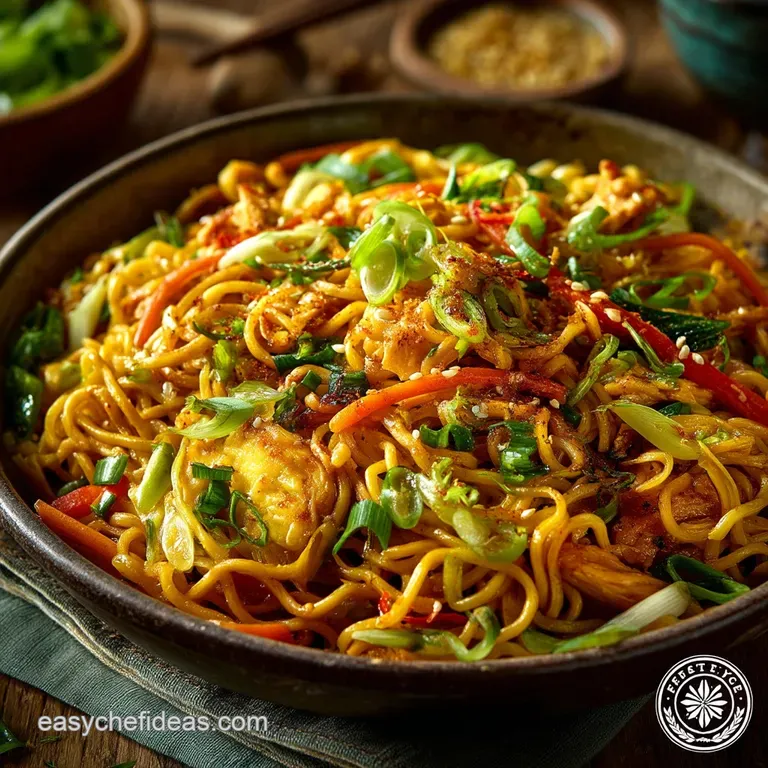
- Mastering the Secret of Panda Express Chow Mein
- The Quest for Perfect Wok Hei: Why This Copycat Works
- Essential Ingredients for Authentic Panda Express Chow Mein
- Gear Up: The Essential Tools for High-Heat Stir Frying
- Step-by-Step Cooking: Achieving the Elusive Fluffy Noodle Texture
- The Stir-Fry Sequence: Fusing Flavor and Avoiding Mushiness
- Troubleshooting and Pro Tips for Better Panda Express Chow Mein
- Customizing Your Meal: Protein Add-Ins and Variations
- Recipe FAQs
- 📝 Recipe Card
Mastering the Secret of Panda Express Chow Mein
For many of us, the sight of those distinctively fluffy, lightly brown noodles is the definition of comfort food. The Panda Express Chow Mein has become a legendary side dish, known for its rapid preparation, satisfying texture, and perfectly balanced savory sweet profile.
While it seems simple, replicating that signature restaurant quality at home especially achieving that light, non-greasy finish can be challenging. This comprehensive guide walks you through every step needed to create an authentic panda express chow mein copycat , bringing the fast food favorite directly to your kitchen table in a fraction of the time it takes for delivery.
The Quest for Perfect Wok Hei: Why This Copycat Works
Achieving true takeout level quality hinges on mastering one key concept: Wok Hei , or the "breath of the wok." This term describes the smoky, searing flavor that comes only from cooking ingredients at intensely high temperatures, a feat difficult to replicate on standard home stoves.
Our Panda Express Chow Mein recipe focuses on maximizing heat potential and strict efficiency. By prepping every ingredient beforehand (a concept known as mise en place ) and ensuring the cooking vessel is smoking hot, we guarantee that the vegetables and panda express chow mein noodles sear instantly rather than steam, locking in flavor and preventing the mushiness that plagues most homemade stir fries.
Chow Mein vs. Lo Mein: Clarifying the Crucial Noodle Difference
One common culinary confusion lies in distinguishing between Chow Mein and Lo Mein. The crucial difference lies in the method of cooking after the initial boil. Lo Mein means "tossed noodles" these are generally added to a sauce and gently tossed without high heat frying.
Conversely, Chow Mein literally translates to "fried noodles." Our preferred panda express chow mein noodles are typically pre-steamed or par-boiled, then quickly blanched, and finally flash fried at extremely high heat.
This process gives them that signature slightly dry, light, and wonderfully fluffy texture, which is entirely different from the softer, saucier Lo Mein variant.
Identifying the Signature Savory Sweet Balance
The unmistakable appeal of this dish is rooted in its highly addictive flavor balance. It’s not aggressively sweet or salty; instead, it utilizes deep umami provided by specific components of the panda express chow mein sauce .
The deep, caramelized colour and subtle molasses notes come from Dark Soy Sauce, which is essential. This is paired with the concentrated savoury depth of oyster sauce (or a vegetarian substitute) and just enough granulated sugar to cut through the saltiness.
This careful calibration ensures the final result tastes authentic, avoiding the common mistake of making the sauce too thin or overly sweet.
Speed Test: Ready in Less Time Than Delivery
If time is your primary constraint, this recipe is a game changer. Despite yielding four generous servings, the total required commitment is only about 25 minutes, with the active cook time clocking in at a mere 8 to 10 minutes.
This makes it an ideal choice for quick, satisfying Easy Chinese Meals on a busy weeknight. The speed is possible only because we manage the high heat effectively and ensure all ingredients are ready to go before the cooking oil even hits the wok.
Essential Ingredients for Authentic Panda Express Chow Mein
The beauty of the classic Chow Mein lies in its simplicity. We rely on a lean list of quality ingredients, primarily: 1 pound of pre-steamed Chow Mein noodles, a high smoke point neutral oil, and the essential vegetable trifecta.
The sauce is built from three tablespoons of Low-Sodium Soy Sauce, 1 tablespoon of Dark Soy Sauce, 1 tablespoon of Oyster Sauce, a bit of sugar, sesame oil, and a splash of liquid to loosen it. This combination provides the depth of colour and flavour needed without complexity.
Gear Up: The Essential Tools for High Heat Stir Frying
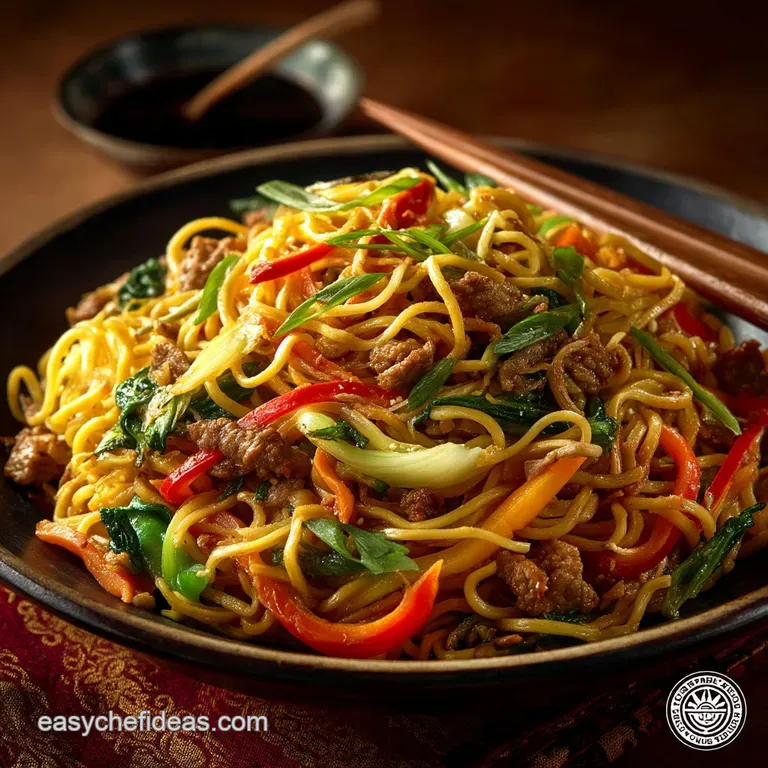
While this dish can technically be made in a large frying pan, a traditional wok is highly recommended. The wok’s sloped sides distribute heat evenly and allow for constant, vigorous tossing, which is crucial for achieving the desired fluffy noodle texture and rapid cooking without overcrowding.
If a wok is unavailable, ensure you use the largest, heaviest bottomed frying pan you own (12 inch minimum). You’ll also need a colander for draining and long metal tongs or a stir fry spatula to manage the high speed tossing.
Selecting the Right Noodle Base (Hint: Fresh is Best)
For the truest texture, seek out fresh, refrigerated steamed or par-boiled panda express chow mein noodles often found in the refrigerated aisle of Asian markets. These noodles require only a 30 to 60-second dip in boiling water to loosen them.
Critically, after draining and a quick cold rinse, they must be tossed immediately with about a tablespoon of neutral oil. This coating prevents sticking and ensures they are dry and ready to fry, avoiding the common pitfall of steaming in the wok.
Building the Umami Sauce Depth
The soul of the dish is the panda express chow mein sauce . Before the cooking begins, whisk together 3 tablespoons of low-sodium soy sauce and 1 tablespoon of dark soy sauce. The dark soy provides that rich, deep mahogany colour and subtle sweetness.
Incorporate 1 tablespoon of oyster sauce (which delivers essential umami depth), a teaspoon of toasted sesame oil, and a tablespoon of sugar until fully dissolved. Add 2 tablespoons of water or chicken broth to hydrate the sauce, guaranteeing it spreads evenly and coats the noodles efficiently during the final minute of cooking.
The Power Trio: Celery, Onion, and Cabbage Prep
The signature crunch and unique savoury base of the classic Chow Mein comes from its specific vegetable selection. We rely on about 1 cup of thinly sliced yellow onion, 1.5 cups of celery sliced on the bias, and a generous 4 cups of finely shredded green cabbage.
Uniform, thin slicing is non-negotiable for all three components; this allows them to cook quickly and simultaneously, reaching the perfect crisp tender stage just as the noodles are ready.
Substituting Ingredients Without Sacrificing Flavor
Need to adapt the recipe? Don't fret. If oyster sauce is unavailable or you are cooking for vegetarians, a quality vegetarian mushroom sauce makes an excellent umami substitute. For a gluten-free version, swap the standard soy sauces for Tamari or coconut aminos, noting that the salt level may need slight adjustment.
If green cabbage is hard to find, shredded Napa cabbage or even a pre-shredded coleslaw mix (ensure it has no dressing!) works wonderfully for texture.
Related Recipes Worth Trying
- Speedy Copycat Panda Express Chow Mein Our 25Minute Weeknight Wok Recipe — Skip the queue and make betterthantakeaway Panda Express Chow Mein tonight Our quick highheat recipe uses chewy lo mein noodles and a perfect stir fry sauce...
- Wok Star Panda Express Chow Mein The 18Minute Takeout Fakeout Recipe — This Panda Express Chow Mein Copycat is a weeknight winner Master the perfect takeout texture and rich sauce using high heat and simple ingredients Faster...
- Beef Lo Mein Takeout Taste Homemade Easy Peasy — Ditch the takeout This easy Beef Lo Mein recipe is ready in 35 mins Tender beef tasty noodles and a sauce thatll knock your socks off Get the recipe now
step-by-step Cooking: Achieving the Elusive Fluffy Noodle Texture
The most common mistake when making stir fry is attempting to cook cold, wet noodles. To achieve that fluffy, non-soggy result, proper preparation is everything. First, ensure your sauce is mixed and your vegetables are sliced and staged next to the stove this is a rapid fire process.
After blanching or boiling the noodles, the quick cold rinse stops the cooking process, and the oil coating ensures the noodles remain separate and dry. This step guarantees they are primed to absorb flavor and develop colour instead of just wilting in the wok.
The Stir Fry Sequence: Fusing Flavor and Avoiding Mushiness
This is the high stakes moment where speed and heat management pay off. Follow the sequence precisely to ensure every ingredient hits the wok at its optimal time, resulting in perfectly textured panda express chow mein .
Prepping Your Wok and Getting the Oil Smoking Hot
Place your wok or pan over the highest heat setting possible. Add 2 tablespoons of high smoke point oil (canola, grapeseed, or peanut are ideal). Wait patiently until the oil is shimmering and beginning to release wisps of smoke.
This super heated state is vital; if the oil is not hot enough, your vegetables will sweat instead of sear.
Sautéing the Vegetables to the Perfect Crisp Tender Stage
Add the sliced onion and celery first. Stir fry aggressively and continuously for 2 to 3 minutes. We want them to soften slightly but retain significant crunch. Next, add the large volume of shredded cabbage.
Continue stir frying for 1 to 2 minutes more until the cabbage just begins to wilt, absorbing the oil and becoming shiny.
Introducing the Noodles and Distributing the Sauce Evenly
Push the cooked vegetables neatly to one side of the wok, creating an empty hot spot. Add the prepped, oil-coated noodles directly onto the hot metal surface. Allow them to sit for about 15 to 20 seconds; this step initiates a slight charring effect that enhances the texture.
Immediately toss the noodles with the vegetables. Once combined, pour the previously prepared sauce mixture evenly over the entire contents of the wok.
Final Toss: The Critical Last 60 Seconds
The clock is ticking! Vigorously and continuously toss the noodles and vegetables for 60 to 90 seconds. Do not stop. The high heat will rapidly reduce the liquid in the sauce, causing it to cling perfectly to the noodle strands, darkening them to that appealing deep brown and ensuring every bite is intensely flavorful.
Serve the Panda Express Chow Mein immediately while piping hot.
Troubleshooting and Pro Tips for Better Panda Express Chow Mein
The key to transcending from homemade to restaurant quality is dedication to high heat and avoiding overcrowding. If you find your noodles turning mushy, the heat was likely too low, or you put too much food in the pan, causing the temperature to drop instantly.
If cooking for more than four people, always cook in two separate batches. Next,, never skip the celery. Its slightly bitter bite and resilient crunch are crucial for providing the authentic textural contrast this dish is famous for.
Finally, remember: dry noodles are happy noodles; the effort spent drying and oiling the noodles after blanching prevents steaming and results in the elusive fluffy texture we crave.
Customizing Your Meal: Protein Add-Ins and Variations
The basic Chow Mein recipe is brilliantly versatile. While the Panda Express version is often served as a vegetable side, adding protein easily elevates it to a complete main course.
This dish is perfectly complemented when served as a side to a rich, crisp main like the Orange Chicken And Chow Mein Recipe combo, but it also shines on its own.
Meal Prep and Storing Leftovers Safely
This recipe is simple to integrate into weekly meal prep. Store the cooled leftovers safely in an airtight container in the refrigerator for up to three days. To best reheat Chow Mein, avoid the microwave, which often leads to dry or rubbery results.
Instead, reheat quickly in a lightly oiled pan over medium high heat, tossing frequently to restore some of the texture and flavour.
Nutrition Snapshot: How Does the Homemade Version Compare?
One major advantage of preparing your panda express chow mein copycat at home is the ability to control key nutritional factors. Based on 4 generous servings and excluding added protein, each portion contains an estimated 380 420 calories.
A significant portion of that comes from the panda express chow mein carbs (around 60 65g). However, by choosing low-sodium soy sauce, you drastically reduce the sodium level compared to commercial preparations, making it a healthier option without sacrificing flavour.
Adapting the Recipe for Chicken or Shrimp
If you wish to incorporate protein, slice 6 ounces of chicken breast or shrimp thinly. Add the protein to the wok after the initial sauté of the celery and onion (Step 5), and fry until it is nearly cooked through.
Once the protein is ready, proceed with adding the cabbage and following the remaining steps. This ensures the meat is fully cooked while preventing it from overcooking during the final vigorous toss.
Mastering High Heat: A Guide to Oil Selection
Achieving and maintaining the high heat required for authentic stir frying relies heavily on the type of oil used. Always opt for a neutral oil with a high smoke point, such as canola, grapeseed, peanut, or even avocado oil.
These oils can handle the intense temperatures necessary for wok hei without burning or imparting off-flavors. Avoid oils like extra virgin olive oil or butter, as they will smoke and burn prematurely, ruining the dish before the vegetables even begin to wilt.
Recipe FAQs
Why are my homemade chow mein noodles always a bit soggy?
This usually happens if the noodles aren't properly dried before hitting the wok. Remember the golden rule: wet noodles steam, dry noodles fry! After draining, rinse them quickly in cold water and toss them with a spot of oil.
This stops them sticking together and ensures they are dry enough for the sizzling high heat, giving you that delightful chewy al dente texture.
What gives this copycat Panda Express Chow Mein its signature deep brown colour and savoury punch?
The magic really comes down to two key additions in the sauce. First, Dark Soy Sauce is absolutely essential; it provides the rich, mahogany colour without adding too much salt. Second, the Oyster Sauce (or vegetarian alternative) delivers that deep, hard-to-pin-down umami savouriness that anchors the whole dish, making it taste just like the one from the queue.
I don't own a proper wok; will a large frying pan work, or should I just stick to ordering in?
Absolutely! You don’t need fancy kit, but you do need space. Use the biggest, heaviest frying pan you have a 12 inch minimum is best. The most important thing is avoiding overcrowding; if you're cooking for the whole family, cook in two separate batches.
Otherwise, the temperature drops faster than a lead balloon, and you'll end up steaming everything instead of achieving that crucial 'wok hei' flavour.
I fancy adding some protein, like chicken or tofu. When is the best time to throw it in the pan?
Since this recipe is incredibly fast, your protein must be cooked and sliced before you even start the wok. Toss your cubed chicken, thin strips of beef, or firm tofu into the pan right after the celery and onion, letting it heat through for a minute or two.
Once it’s piping hot, push it aside and carry on with the cabbage and noodles as per the main instructions, ensuring everything gets a good coat of sauce.
I’ve made a huge batch! How long will the leftovers keep, and what’s the best way to reheat them?
Leftover chow mein is brilliant! Store it in an airtight container in the fridge for up to three days. To reheat, the microwave is quick, but it can make the noodles a bit tough and chewy in a bad way.
For the best result, toss them in a hot frying pan with a tiny splash of oil over medium high heat until they crisp up again takes about four minutes and brings them beautifully back to life.
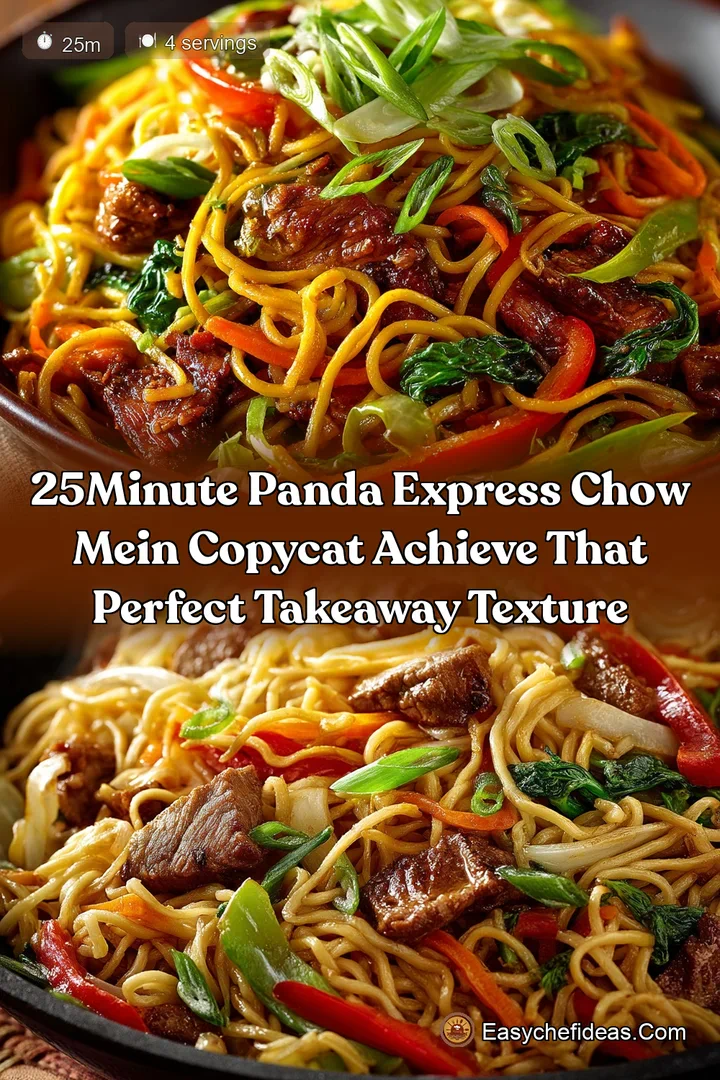
25min Panda Express Chow Mein Copycat
Ingredients:
Instructions:
Nutrition Facts:
| Calories | 1456 kcal |
|---|---|
| Protein | 9.2 g |
| Fat | 30.7 g |
| Carbs | 71.2 g |
| Fiber | 3.2 g |
| Sodium | 2560 mg |
