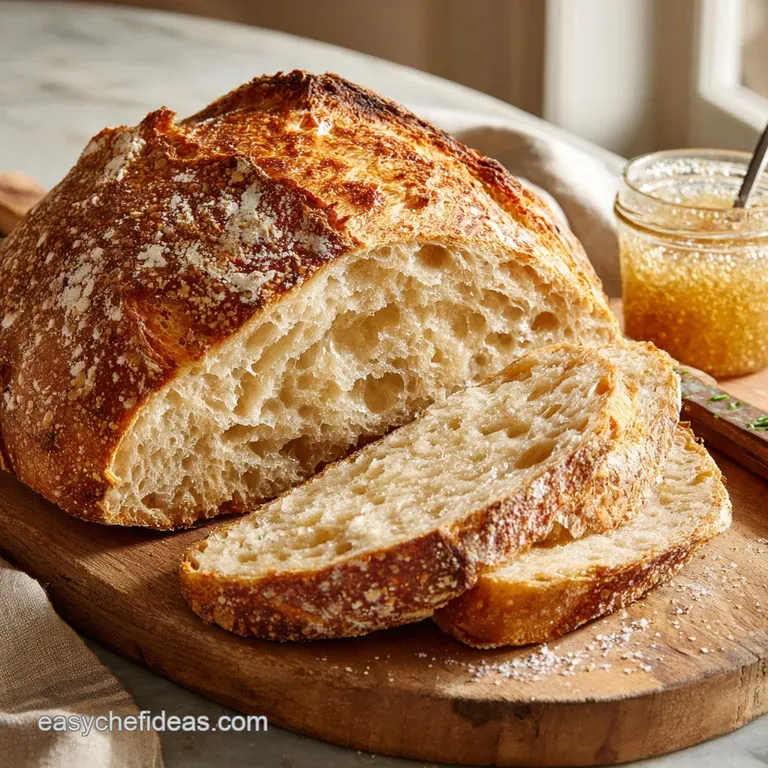
Baking naturally leavened bread is a skill that rewards patience with incredible texture and depth. Sourdough doesn't require a commercial yeast packet; instead, it relies on a fermented culture that gives every loaf its signature tang and open crumb.
Whether you're looking to start your very first culture or want to turn your existing discard into a savory side dish, this collection covers the essential stages of the process. These recipes prioritize approachable timing and clear milestones so you can bake with confidence.
Simple Sourdough Starter Instructions
Building a strong culture is the first step toward successful loaves, and it requires a consistent feeding routine rather than complex equipment. These resources guide you through the initial fermentation week and offer a practical way to use excess batter in savory pull-apart sides.
Maintaining a healthy culture is simplified with this maintenance guide that covers feeding schedules and basic fermentation principles to keep your bread rising reliably every time.
Using whole wheat flour provides a robust nutritional base for this 7-day starter process, ensuring a strong and active culture for all your future baking projects.
Transform your leftover batter into a buttery, herb-filled pull-apart loaf that serves as a savory accompaniment to soup or pasta without requiring a second long rise.
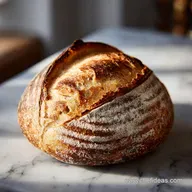
Achieving a thick crust and a light interior is mostly about managing time and temperature during the proofing stage. These recipes focus on various fermentation windows, from overnight cold proofs to more streamlined artisan methods, to help you find a rhythm that fits your lifestyle.
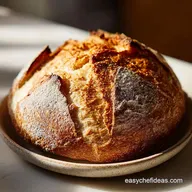
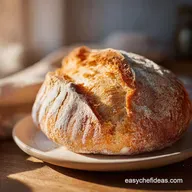
This classic artisan loaf features a long 16-hour fermentation period that produces an airy interior and a golden crust, making it a staple for traditional bread bakers.
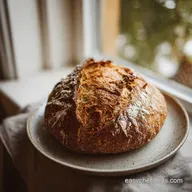
Focusing on a 20-hour timeline, this recipe allows for maximum flavor development and a crackling exterior that rivals professional bakery loaves while staying beginner-friendly.
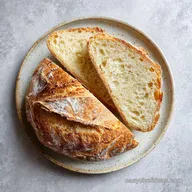
This artisan guide streamlines the process for those who want a lacy crumb and high-quality crust without the standard multi-day commitment of traditional sourdough methods.
How do I know when my sourdough starter is ready to use?
A starter is typically ready when it doubles in size within 4 to 6 hours of feeding and looks bubbly throughout. You can also try the float test by placing a small spoonful in water.
What is the difference between active starter and sourdough discard?
Active starter is freshly fed and at its peak bubbling point for bread, while discard is the portion you remove before feeding that is best used in recipes like pancakes or garlic bread.
Can I freeze homemade sourdough bread after baking?
Yes, sourdough freezes well; simply wrap it tightly in plastic or foil and store it in a freezer bag. Reheat it in a hot oven for a few minutes to restore the crust's texture.
Why did my artisan sourdough loaf fail to rise in the oven?
Common causes for a flat loaf include an immature starter that isn't strong enough or over-proofing the dough, which causes the air bubbles to collapse before the bread sets.
How should I store sourdough bread to keep the crust crispy?
Store your bread in a paper bag or a bread box at room temperature to maintain the crust. Avoid plastic bags, as they trap moisture and make the crust soft.