Velvety Cinnamon Rolls: a Baking Masterclass

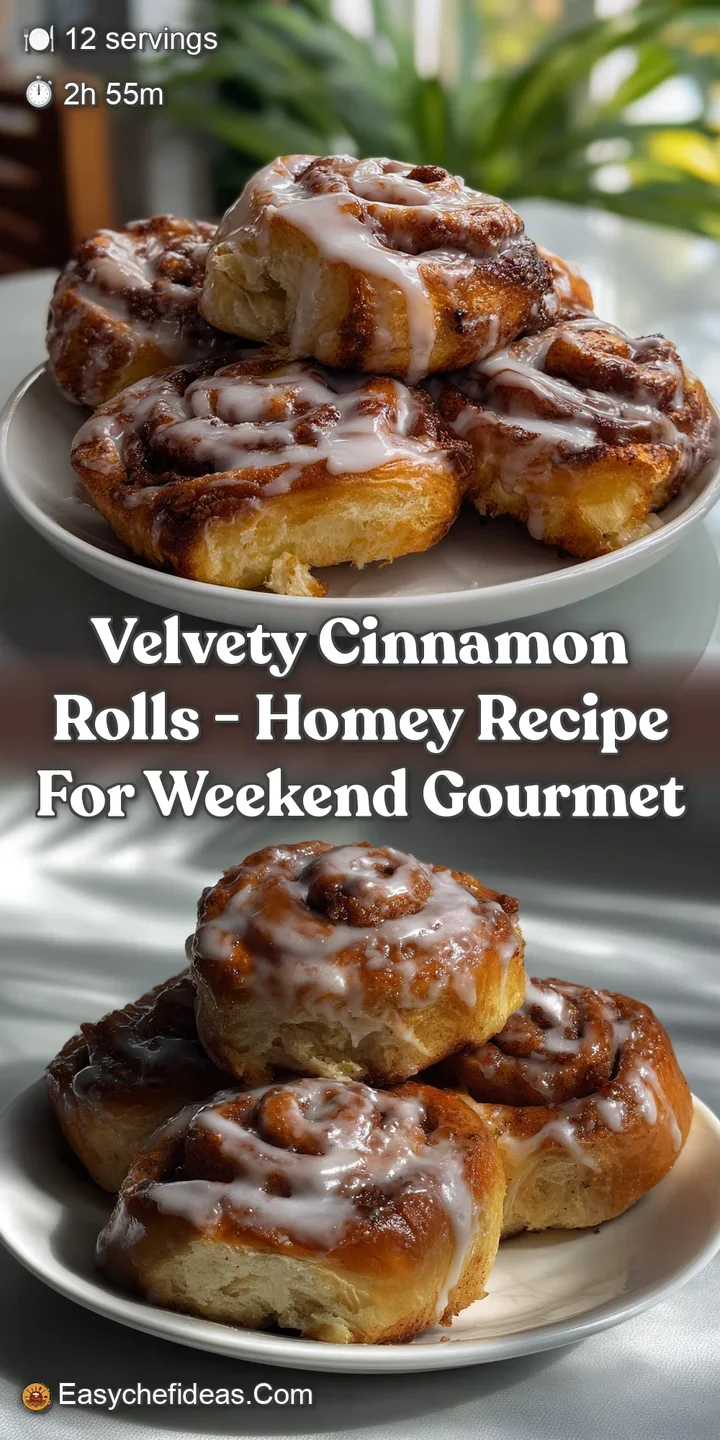
This masterclass guide utilizes a high hydration enriched dough and precise thermal control to eliminate the common "dry roll" syndrome in your cinnamon rolls. By balancing osmotic pressure with fat-to-protein ratios, we achieve a velvety crumb that maintains structural integrity even under heavy cream cheese frosting on these perfect cinnamon rolls.
- Effort/Time: 2 hours 55 minutes (Moderate)
- Flavor Hook: Sharp Korintje cinnamon against a buttery, lactic tangy frosting for exceptional cinnamon rolls
- Perfect for: Slow burn Sunday mornings or make-ahead holiday brunches featuring these amazing cinnamon rolls
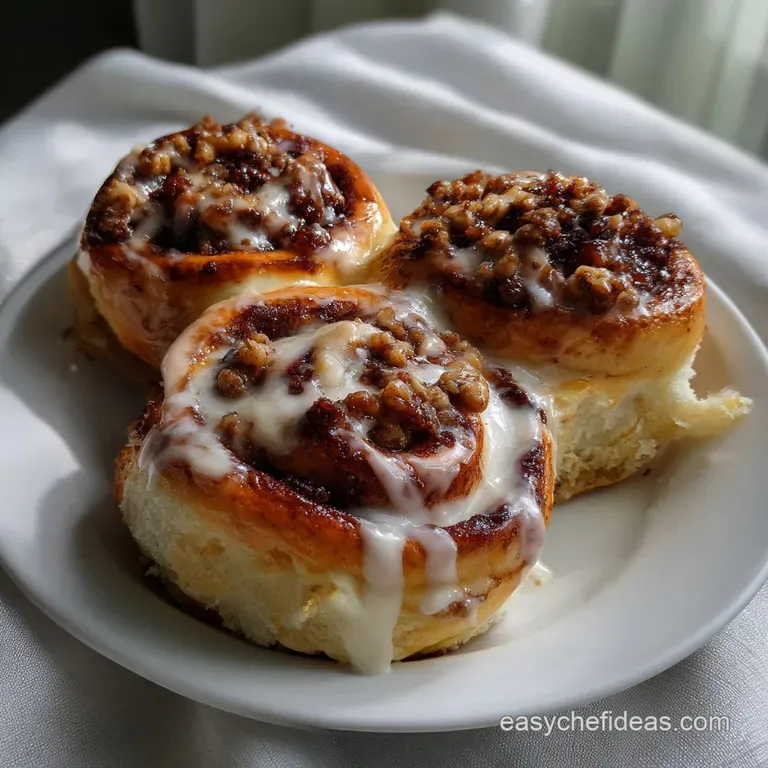
There is nothing more demoralizing than investing three hours and $20 in premium butter only to pull a tray of gray, dense hockey pucks out of the oven. I have seen too many home bakers face the "bread brick" catastrophe, where the center remains gummy while the exterior shatters like dry bark. Wasted ingredients are a silent tax on your culinary confidence, and it usually stems from a fundamental misunderstanding of gluten hydration and yeast metabolism when making homemade cinnamon rolls. I’ll admit, I spent years rushing the first proof by placing my dough on a radiator, effectively killing the yeast and resulting in cinnamon rolls that wouldn't rise even with a prayer. I destroyed four consecutive batches before I realized that yeast is a living organism, not a chemical powder you can bully into submission with high heat. Learning that 110°F is a hard ceiling not a suggestion changed the trajectory of my baking forever, especially for great cinnamon rolls. The secret to that world class "pull apart" texture in these cinnamon rolls isn't an secret ingredient; it's the physics of protein denaturation and lipid encapsulation. By using an extra egg yolk and specific fat-loading techniques, we coat the gluten strands to prevent them from becoming too tough, resulting in a crumb that feels like silk on the tongue. This isn't just a recipe; it's a structural engineering project for your oven that yields a mahogany colored, aromatic masterpiece of cinnamon rolls. ## The Science of Why This Recipe Works Lipid Interference: Fat from the 0.33 cup unsalted butter coats glutenin and gliadin proteins, shortening the gluten strands for a tender, velvety "short" crumb, characteristic of ideal cinnamon rolls. Osmotic Balance: The 0.5 cup granulated sugar provides fuel for the 2.25 tsp active dry yeast while maintaining a specific osmotic pressure that doesn't dehydrate the yeast cells, vital for light cinnamon rolls. Enzymatic Activity: Amylase in the 4.25 cups all-purpose flour breaks down starches into simple sugars, fueling fermentation and contributing to the Maillard reaction for a deep mahogany crust on the cinnamon rolls. Thermal Insulation: The high fat cream cheese frosting creates a moisture barrier, preventing the evaporation of water from the crumb after the bake, keeping the cinnamon rolls soft. ## The Chemistry of Your Ingredient Architecture | Ingredient | Chemical/Physical Role (Science) | The Pro Secret (Why This Matters) | | :--- | :--- | :--- | | Active Dry Yeast | Biological leavening via CO2 production and ethanol fermentation. | Fresh yeast ensures a vigorous rise; if it doesn't foam in 110°F milk, discard and restart, affecting the final cinnamon rolls. | | All-Purpose Flour | Provides the gluten matrix (protein) and starch structure. | We use 4.25 cups specifically to balance hydration too much flour leads to a crumbly, dry texture in your cinnamon rolls. | | Egg Yolk | Emulsification via lecithin and increased fat content. | Lecithin binds water and fat together, creating a more uniform, stable dough structure for perfect cinnamon rolls. | | Cornstarch | Interferes with gluten bonding in the filling. | Keeps the 1 cup brown sugar filling from turning into a hard, grainy syrup during the bake of these cinnamon rolls. | ## The Essential Elements: Choosing Your Foundation | Original Ingredient | Substitute | Why It Works | | :--- | :--- | :--- | | 1 cup warm milk (240ml) | Unsweetened Almond Milk | Similar hydration; however, the lack of lactose means the crust will be paler on the cinnamon rolls. | | 2.25 tsp active dry yeast | 2.25 tsp Instant Yeast | Instant yeast reacts faster. Note: Skip the foaming step and mix directly into dry ingredients. | | 4.25 cups AP flour | Bread Flour | Higher protein (12 14%) creates a chewier, more bread like roll, changing the classic cinnamon rolls texture. | | 1 cup brown sugar | Coconut Sugar | Lower glycemic index but adds a deeper, slightly burnt caramel note to the filling of these cinnamon rolls. | | 4 oz cream cheese | Mascarpone | Higher fat content and less tang; results in an ultra velvety frosting for your final cinnamon rolls. | 1 cup warm milk (240°F) at 110°F: Why this? Optimal temperature for yeast activation without thermal death, essential for rising cinnamon rolls. 4.25 cups [King Arthur] All-Purpose Flour (530g): Why this? Consistent 11.7% protein content ensures a predictable gluten network for great cinnamon rolls. 0.33 cup unsalted butter, melted and cooled (75g): Why this? Liquid fat integrates into the dough matrix more evenly than cold fat, improving the richness of the cinnamon rolls. 1 large egg + 1 large egg yolk: Why this? Extra yolk adds lecithin for a superior, tender crumb in every bite of these cinnamon rolls. 1 cup brown sugar, packed (200g): Why this? Molasses content provides the necessary acidity for flavor depth in the filling of your cinnamon rolls. ## Precision Tooling for Structural Success For a consistent bake, I recommend using a [KitchenAid] Stand Mixer with a dough hook attachment. This ensures the 530g of flour is hydrated evenly without over working the dough with the heat from your hands. To achieve the signature "shatter crisp" base and soft middle, a [Lodge] 9x13 Cast Iron Baking Pan or a heavy duty ceramic dish is superior to thin aluminum. The thermal mass of cast iron provides a steady, radiant heat that helps the cinnamon rolls rise vertically rather than spreading horizontally. You will also need a [Taylor] Digital Instant Read Thermometer to verify the milk temperature at exactly 110°F. If you're looking for a different breakfast challenge, you might find the technique for the [The RollsRoyce of recipe](https://easychefideas.com/recipes/overnight tangy-sourdough donuts/) interesting, as it uses similar fermentation principles but with a wild yeast culture. Finally, a sharp [Wüsthof] Bench Scraper or dental floss is mandatory for cutting the rolls without compressing the delicate air pockets we spent hours building in these cinnamon rolls. ## Executing the Roll: A Phase Based Technical Protocol 1. Whisk 2.25 tsp active dry yeast into 1 cup warm milk at 110°F until a thick, foamy head forms (about 10 minutes). Note: Verifies yeast viability for proper cinnamon rolls rise. 2. Incorporate 0.5 cup granulated sugar, 0.33 cup melted butter, 1 egg, and 1 yolk into the yeast mixture until the liquid is pale yellow and streaks of yolk disappear. 3. Mix in 4.25 cups all-purpose flour and 1 tsp salt using a stand mixer until a shaggy, tacky dough pulls away from the sides of the bowl. Note: Initiates gluten development for structured cinnamon rolls. 4. Knead the dough on a floured surface for 7 minutes until the surface is smooth, elastic, and springs back when poked. 5. Proof the dough in a greased bowl for 1 hour 30 mins until the volume has doubled and the dough looks airy and translucent. 6. Roll the dough into a 12x18 inch rectangle until it is a uniform 1/4 inch thickness across the entire sheet. 7. Spread 0.5 cup softened butter over the dough, then sprinkle the mixture of 1 cup brown sugar, 2.5 tbsp cinnamon, and 1 tsp cornstarch until the edges are covered but not overflowing on your future cinnamon rolls. 8. Spiral the dough tightly from the long edge until a uniform log is formed, smelling the intense spicy sweet aroma of the filling for the cinnamon rolls. 9. Slice into 12 equal rounds using dental floss or a bench scraper until the internal spirals are visible and uncompressed. 10. Proof a second time for 45 minutes until the rolls are touching and feel like soft marshmallows before baking your cinnamon rolls. 11. Bake at 350°F for 25 minutes until the tops are mahogany brown and the centers reach an internal temp of 190°F. 12. Whip 4 oz cream cheese, 0.25 cup butter, 1.5 cups powdered sugar, 1 tsp vanilla, and 2 tbsp heavy cream until the texture is velvety and holds a soft peak for glazing the cinnamon rolls. 13. Frost the rolls while still warm until the icing partially melts into the warm cinnamon spirals, completing the delicious cinnamon rolls.
## Resolving Structural Failures and Thermal Inconsistencies ### Why Your Rolls Are Dry and Tough This usually happens due to gluten over development or excessive flour. If you add more than the 4.25 cups specified, you skew the hydration ratio. On top of that,, if you bake past the 190°F internal temperature mark, the starch gelatinization begins to reverse, and the rolls lose their moisture holding capacity, ruining your perfect cinnamon rolls. | Problem | Root Cause | The Fix | Pro Protocol | | :--- | :--- | :--- | :--- | | Dough won't rise | Yeast was killed by heat or is expired. | Ensure milk is 110°F; check yeast date. | Bloom yeast in 1/4 cup of the milk with a pinch of sugar first for better cinnamon rolls. | | Filling leaks out | Butter was too melted; rolls weren't tight. | Use softened, not melted butter for filling; roll tighter. | Add 1 tsp cornstarch to the cinnamon sugar to "gel" the leaks in your cinnamon rolls. | | Gummy centers | Underbaked or pan was too crowded. | Use an instant read thermometer (190°F center). | Tent with foil if the tops are browning too fast on your batch of cinnamon rolls. | > Chef's Note: If you struggle with the dough handling, try chilling the dough for 30 minutes before rolling. This relaxes the gluten and makes the 530g of dough much more cooperative when trying to achieve that 12x18 inch rectangle necessary for quality cinnamon rolls. ## ⚗️ The Scaling Lab: The Physics of Quantity When you decide to double this cinnamon rolls recipe for a large gathering, the thermodynamics of your kitchen change instantly. Do not simply double everything and expect the same results when making double cinnamon rolls. 1. The Square Cube Law: A double batch of dough has more volume but relatively less surface area. This means the internal heat generated by the yeast (exothermic reaction) can cause the center of a large mass of dough to over proof while the outside remains under proofed. Divide the dough into two separate bowls for the first rise to ensure consistent proofing for your cinnamon rolls. 2. Pan Crowding (The Maillard Killer): If you cram 24 rolls into one oversized pan, the heat cannot circulate between the spirals. This leads to "steaming" instead of baking. You will end up with pale, gummy sides on your cinnamon rolls. Use two separate 9x13 pans. 3. The Evaporation Paradox: If you are scaling the frosting, the surface area of your mixing bowl matters. Large volumes of frosting can incorporate too much air, becoming grainy. Scale the 1.5 cups of powdered sugar carefully and keep the heavy cream additions incremental for perfectly smooth frosting on your cinnamon rolls. 4. Flavor Saturation: For the filling, scale the 2.5 tbsp of cinnamon to 1.5x, not 2x, for the second dozen. Spices can become overpowering and bitter in large quantities, ruining the signature taste of these cinnamon rolls. ## Common Myths in Pastry Science Myth: You must use bread flour for "better" rolls. Truth: Bread flour has more protein (gluten), which can actually make cinnamon rolls tough and bread like. All-purpose flour provides the perfect balance of structure and tenderness for a superior result. Myth: Putting dough in a hot oven (turned off) is the best way to proof. Truth: This often creates a "skin" on the dough that prevents expansion. A consistent 75°F room temperature rise allows for better flavor development via slower fermentation, which is key to truly great cinnamon rolls. ## Preserving Crumb Softness and Moisture Retention ### Storage and Longevity These rolls are best enjoyed within 2 hours of baking while the starch is at its peak gelatinization. However, if you have leftovers, store them in an airtight container at room temperature for up to 2 days. For longer storage, wrap individual unfrosted rolls in plastic wrap and freeze for up to 3 months. To reheat, microwave for 20 seconds or place in a 300°F oven for 10 minutes until the butter in the filling begins to sizzle again, reviving your cinnamon rolls. ### 💡 Zero Waste Philosophy Cinnamon Sugar Scraps: Don't discard any leftover filling. Transform: Stir it into your morning coffee or use it for a [Cinnamon Apple Crisp recipe](https://easychefideas.com/recipes/classic cinnamon-apple crisp-recipe/). Science: The sugar and spice oils dissolve perfectly in hot liquids, creating a DIY syrup that complements the cinnamon rolls flavor profile. Dough Trimmings: If you trim the ends of your log to make the rolls pretty, don't throw them away. Transform: Bake the "scraps" in a muffin tin for "chef's snacks." Science: These small pieces have a higher surface area-to-volume ratio, making them extra crispy little treats to nibble while waiting for the main batch of cinnamon rolls to cool. ## Architecture of Flavor: Adapting the Classic Spiral Once you master the base mechanics, you can experiment with the flavor architecture. If you find yourself with extra brown sugar and cinnamon, you could try making a [Homemade Brown Sugar recipe](https://easychefideas.com/recipes/flaky brown-sugar tarts/) for a nostalgic toaster pastry vibe, though it won't quite replace the classic appeal of the baked cinnamon rolls. Alternatively, for a savory twist on the roll format, the technique in this [Foolproof Fluffy Dinner recipe](https://easychefideas.com/recipes/fluffy dinner-rolls recipe/) uses a similar enriched dough but swaps the sugar for herbs and sea salt. For the most decadent results, serve your cinnamon rolls with a side of high fat Greek yogurt or a sharp espresso to cut through the 42g of sugar per serving. The contrast between the bitter coffee and the velvety cream cheese frosting is a classic sensory pairing that balances the palate. Whether it's a holiday or just a Tuesday, these rolls represent the peak of home baking science and soulful comfort. Let's crack on and get that dough rising for spectacular cinnamon rolls!
Recipe FAQs
how to make cinnamon rolls?
Follow the 13-step protocol provided, focusing on 110°F milk and a 190°F internal bake temp. This enriched dough requires a two-stage proofing process for optimal gluten relaxation. If you mastered controlling the yeast activity here, see how the same kinetic principles apply to dough in our The Best Overnight Sourdough Cinnamon Rolls Recipe.
how to make cinnamon rolls without yeast?
Use a chemical leavener like baking powder. Substituting yeast requires increasing the baking powder and ensuring sufficient acidity (like buttermilk) to activate it fully. The final texture will be more cake like than classic brioche.
how to make cinnamon rolls icing?
Whip cream cheese, softened butter, vanilla, and powdered sugar until velvety. The goal is a stable emulsion, achieved by ensuring all dairy fats are near room temperature before whipping begins. This prevents the fat from seizing up when integrating the sugar.
how to make cinnamon rolls from scratch?
Measure flour precisely (530g), use an extra egg yolk, and ensure the first proof lasts 90 minutes. The extra yolk provides lecithin, which functions as a natural emulsifier, binding fats and water for a superior, tender crumb structure.
how to make cinnamon rolls recipe?
Use 4.25 cups AP flour, 1 cup brown sugar filling, and bake at 350°F for 25 minutes. The cornstarch in the filling prevents the brown sugar from crystallizing into a hard candy layer during the bake.
What is the secret to soft cinnamon rolls?
The high fat content from the butter and yolk encapsulates gluten strands. Lipid interference shortens the protein networks, preventing the formation of a tough matrix that traps moisture, yielding that signature silkiness.
- Keep roll log tight during shaping
- Do not exceed 190°F internal temperature
- Apply frosting while rolls are warm
Can I use instant yeast instead of active dry yeast?
Instant yeast can be used without pre-proofing. Instant yeast particles are smaller and have thinner cell walls, allowing them to absorb liquid immediately without requiring activation in warm milk first. If you enjoyed controlling the proofing time here, the technique for controlling spread in How to Bake Easy Cinnamon Bread in 35 Minutes: My Family's Favorite! uses a similar principle regarding hydration management.
Velvety Cinnamon Rolls Masterclass
Ingredients:
Instructions:
Nutrition Facts:
| Calories | 547 kcal |
|---|---|
| Protein | 6.5g |
| Fat | 25g |
| Carbs | 74g |
| Fiber | 2g |
| Sugar | 42g |
| Sodium | 265mg |
