Butter Cookie Recipe with Powdered Sugar
- Time: Active 33 minutes, Passive 12 minutes, Total 45 minutes
- Flavor/Texture Hook: A velvety, melt in-the mouth crumb with a clean vanilla finish
- Perfect for: Holiday gift boxes, afternoon tea, or as a base for elegant decorations
- Creating the Best Butter Cookie Recipe
- Precise Measurements and Timing
- Choosing High Quality Ingredients
- The Physics of the Shatter
- Must Have Baking Tools
- Mixing and Baking Instructions
- Fix Spreading and Texture
- Flavor Swaps and Substitutes
- Storing and Freezing Tips
- Scaling the Recipe
- Baking Myths Debunked
- Serving and Pairing Ideas
- Recipe FAQs
- 📝 Recipe Card
Creating the Best Butter Cookie Recipe
The aroma of warm, browning butter hitting the cool air of my kitchen is the ultimate signal that the holidays have arrived. I remember standing by the oven as a kid, watching the pale dough transform into golden disks, but I always wondered why mine came out gritty while the bakery versions were so smooth.
It took years of trial and error - and a few burnt batches - to realize that the secret isn't in a fancy technique, but in the temperature and quality of the fat.
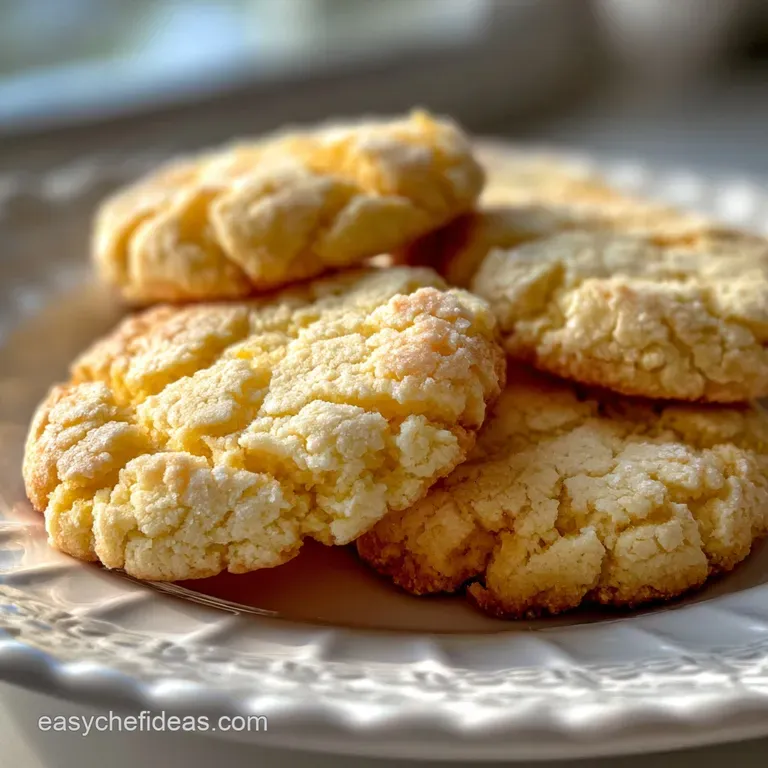
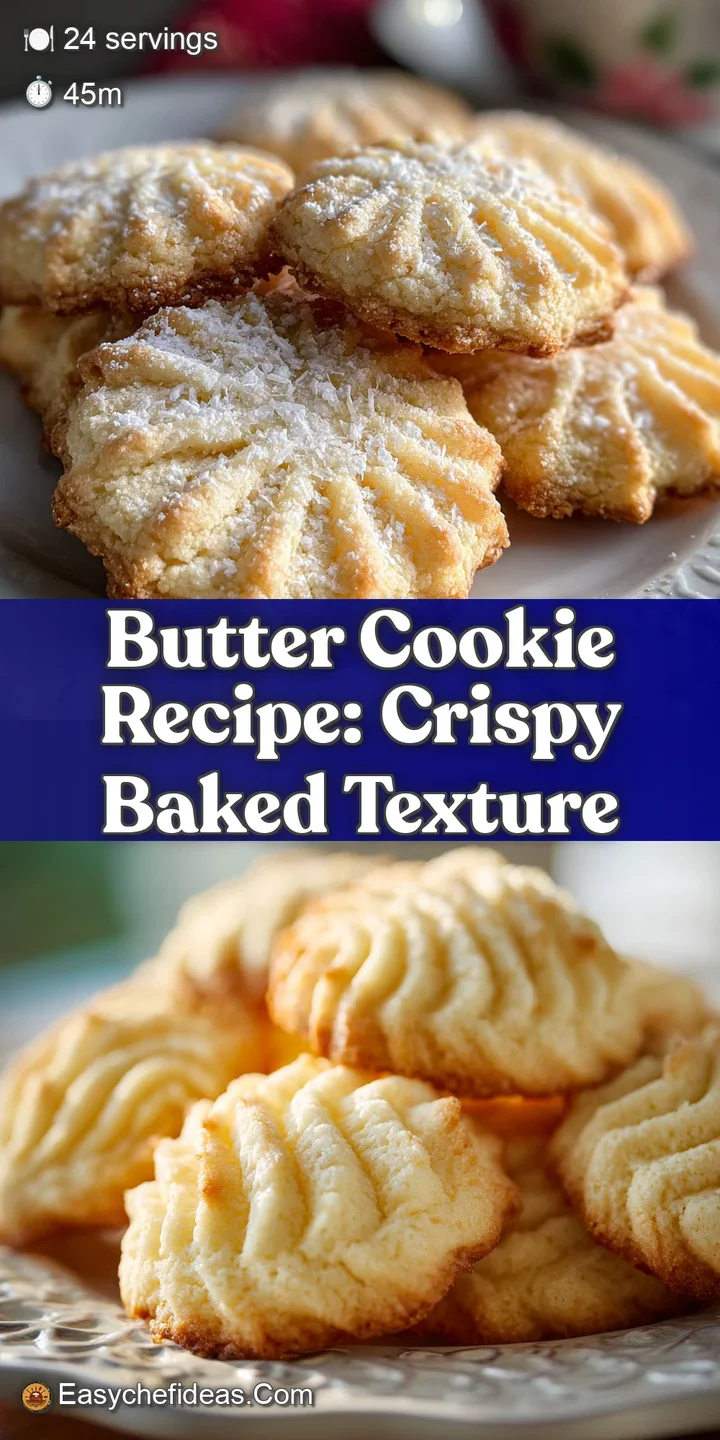
We are aiming for a cookie that has a literal "shatter" when you bite into it, rather than a chewy or bready texture. By focusing on the visual appeal of these pale, golden edged treats, we can turn a simple snack into a piece of edible art.
This isn't just another quick bake; it's about capturing that precise moment when sugar and fat emulsify into something purely decadent. If you have ever felt that "sizzle" of excitement when pulling a flawless tray from the rack, you know exactly what I mean.
Precise Measurements and Timing
To get that professional result every single time, you need to hit specific markers. Baking is chemistry, and with a high fat dough like this, being "close enough" usually leads to a greasy puddle. I have learned to watch the clock and the scale rather than just guessing by eye.
| Checkpoint | Measurement | Target Visual/Result |
|---|---|---|
| Butter Temp | 18°C - 20°C | Softened but still holds a fingerprint indent |
| Mixing Time | 3 minutes | Butter and sugar look like pale, fluffy clouds |
| Oven Temp | 175°C | Constant heat for an even, golden base |
The contrast between using fresh, high-quality ingredients and quick shortcuts is massive here. While you can use a pre mixed dough, the flavor profile of real European butter is irreplaceable.
| Method | Texture | Flavor Depth |
|---|---|---|
| Fresh Dough | Velvety and fine pored | Rich, nutty, and clean |
| store-bought Mix | Coarse and crumbly | Artificial vanilla notes |
Choosing high-quality Ingredients
The ingredient list is short, which means there is nowhere for low quality items to hide. For this butter cookie recipe, I insist on unsalted European style butter. It has a lower water content than standard butter, which is the key to preventing excess gluten development and ensuring that signature snap.
- 225g Unsalted European Butter: Softened to room temperature. Why this? High fat content ensures a tender, melt away texture.
- 120g Powdered Sugar: Sifted to remove lumps. Why this? Contains cornstarch which prevents the cookies from spreading too much.
- 1 Large Egg Yolk: Room temperature only. Why this? Provides fat and lecithin for a rich, stable emulsion.
- 10ml Pure Vanilla Extract: Use the good stuff here. Why this? The primary flavor driver in a simple dough.
- 2g Fine Sea Salt: Dissolves faster than table salt. Why this? Cuts through the richness of the butter.
- 280g All Purpose Flour: Leveled with a knife. Why this? Provides just enough structure without being tough.
The Physics of the Shatter
Gluten Suppression: The high ratio of fat coats the flour proteins, preventing them from bonding with moisture to form tough gluten strands. Starch Stability: Using powdered sugar introduces a small amount of cornstarch, which absorbs excess moisture and reinforces the cookie's structure without adding grit.
Chef Tip: Freeze your baking sheets for 5 minutes before placing the dough on them to ensure the bottoms don't spread before the edges set.
| Component | Science Role | Pro Secret |
|---|---|---|
| Butter | Fat Barrier | Use European style for 82%+ butterfat |
| Egg Yolk | Emulsifier | Never use the white; it adds too much water |
| Powdered Sugar | Texture Refiner | Sift it twice for a velvety crumb |
Must Have Baking Tools
You don't need a kitchen full of gadgets, but a few specific items make this much easier. A stand mixer is your best friend here because it aerates the butter far more consistently than a hand whisk ever could. Much like the technique I use in my Classic Chocolate Chip recipe, the aeration stage is where the magic happens.
You will also want heavy gauge aluminum baking sheets. Thin pans warp and cause uneven heating, which leads to some cookies being burnt while others are raw. A silicone baking mat or high-quality parchment paper is non negotiable to prevent sticking.
Finally,, a fine mesh sieve is vital for the flour and sugar to ensure that velvety texture we're after.
Mixing and Baking Instructions
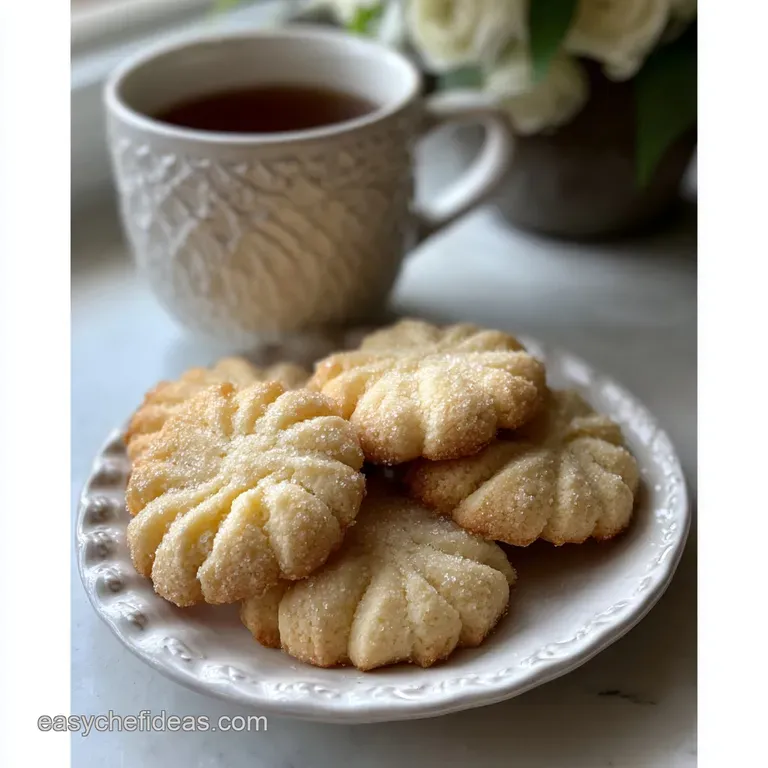
- Cream the butter. Beat 225g softened butter and 120g powdered sugar for 3 minutes until pale and fluffy. Note: This incorporates micro air bubbles.
- Add the yolk. Mix in 1 egg yolk and 10ml vanilla extract. until fully emulsified.
- Sift dry goods. Sift 280g flour and 2g salt directly into the bowl.
- Fold gently. Use a spatula to combine the flour. until no white streaks remain. Note: Overmixing creates a tough cookie.
- Chill the dough. Wrap in plastic and refrigerate for 30 minutes. until firm to the touch.
- Preheat the oven. Set your oven to 175°C.
- Shape the cookies. Roll into 2.5cm balls or use a piping bag.
- Space them out. Place on the tray with 3cm gaps.
- Bake the tray. Bake for 12 minutes until the edges are just barely golden.
- Cool completely. Transfer to a wire rack. until they are firm and crisp.
Fix Spreading and Texture
If your cookies look like pancakes, your butter was likely too warm. This is the most common hurdle for home cooks. We want a distinct shape that holds its pattern, especially if you are using a butter cookie recipe for cookie cutters.
Why Cookies Spread Fast
When the fat melts before the flour structure sets, the dough collapses. This usually happens if the dough wasn't chilled long enough or if the oven wasn't fully preheated. Always use a thermometer to check your oven's actual temperature.
| Problem | Root Cause | Solution |
|---|---|---|
| Greasy Bottoms | Butter too soft | Chill dough for 60 mins instead of 30 |
| Sandy Texture | Improper mixing | Cream butter and sugar longer |
| Burnt Edges | Dark baking pans | Use light aluminum or silicone mats |
Common Mistakes Checklist:
- ✓ Always use room temperature egg yolks to avoid curdling the butter.
- ✓ Never overwork the dough once the flour is added.
- ✓ Use a kitchen scale for the flour; "cups" are often inaccurate by up to 20%.
- ✓ Let the baking sheets cool completely between batches.
- ✓ Don't skip the sifting step for the powdered sugar.
Flavor Swaps and Substitutes
This dough is a fantastic canvas for seasonal creativity. You can easily turn this into a butter cookie recipe Christmas version by adding warm spices or decorative glazes. If you enjoy experimenting with different textures, consider how a similar base works in a Pumpkin Butter Velvety recipe to add moisture.
| Original Ingredient | Substitute | Why It Works |
|---|---|---|
| Vanilla Extract (10ml) | Almond Extract (5ml) | Provides a strong, nutty floral note |
| All Purpose Flour | 1:1 gluten-free Blend | Rice flour bases mimic the crisp snap well |
| Powdered Sugar | Superfine Sugar | Note: Will be crispier but slightly grainier |
Creating a Visual Balance
To make these cookies pop visually, I use a three accent color strategy. After the cookies have cooled, I apply a thin drizzle of white chocolate, a pinch of dried culinary lavender, and a tiny flake of gold leaf.
Adding these elements only after the cookies are cold ensures the chocolate sets quickly and the botanicals don't wilt.
Storing and Freezing Tips
These cookies are surprisingly hardy because of their high fat and low moisture content. They actually develop a deeper flavor after 24 hours as the vanilla permeates the fat.
- Fridge: Store in an airtight container for up to 7 days.
- Freezer: Freeze baked cookies for up to 3 months. Place parchment between layers to prevent the "shatter" of the delicate edges.
- Zero Waste: If you have broken cookies or crumbs, pulse them in a blender and use them as a crust for a cheesecake or as a topping for yogurt. Never throw away the "cookie dust" at the bottom of the jar!
Scaling the Recipe
Reducing this recipe is simple; just beat one egg, weigh it, and use exactly half. For scaling up (2x or 4x), be careful with the salt. Increase the salt by only 1.5x to avoid an overly savory bite.
When baking double batches, always work in stages so the dough doesn't sit out and get too warm while the first tray is in the oven.
Baking Myths Debunked
Many people believe that "more mixing equals lighter cookies." In reality, over mixing after the flour is added develops gluten, which makes the cookie tough and rubbery. You only want to aerate the butter and sugar, not the flour.
Another common myth is that you can substitute margarine for butter 1:1. Margarine has a much higher water content and a lower melting point, which will cause the cookies to spread into a single giant sheet on your pan. Stick to the real stuff for that professional snap.
Serving and Pairing Ideas
These cookies are the perfect partner for a sharp, acidic beverage. A hot cup of Earl Grey tea with its bergamot notes cuts through the buttery richness beautifully. If you're serving these at a party, a dry sparkling cider provides a wonderful textural contrast to the velvety crumb.
For a decadent dessert platter, serve these alongside fresh raspberries. The tartness of the fruit balances the sugar, and the vibrant red provides a stunning color balance against the golden cookies. It turns a simple snack into a sophisticated tasting experience that your friends won't stop texting you about.
Recipe FAQs
What is the difference between a butter cookie and a shortbread cookie?
Shortbread is denser and often uses only three ingredients (butter, sugar, flour). Butter cookies typically incorporate an egg yolk and leavening agents like baking powder or cream of tartar, resulting in a slightly softer, richer texture.
How to make a 3 ingredient butter cookie?
Combine 2 parts butter, 1 part powdered sugar, and 3 parts flour by weight. Cream the room temperature butter and sugar until fluffy, then gently fold in the flour until just combined. Chill the dough thoroughly before baking to maintain shape.
What are the common butter cookie mistakes?
The most common mistake is using butter that is too warm or overmixing the flour. Warm butter melts too quickly in the oven, causing excessive spread, while overmixing develops gluten, making the cookies tough instead of tender.
What are the ingredients in butter cookies?
The base requires butter, powdered sugar, flour, and vanilla extract. Many classic recipes also call for an egg yolk for richness and a pinch of salt to balance the sweetness of the fat.
Why are my butter cookies spreading flat on the baking sheet?
Your butter was too soft or the oven was not hot enough when the dough entered. Ensure the butter is only softened, not melted, and chill the dough for at least 30 minutes before baking to set the structure; this principle of temperature control also helps in our Classic Chocolate Chip recipe.
Is it true I can substitute margarine for the required European butter?
No, substituting margarine is highly discouraged for authentic results. Margarine has a higher water content and a lower melting point than high fat European butter, which guarantees the cookies will spread into greasy puddles rather than holding their shape.
How can I achieve a truly "melt-in-your mouth" texture?
Use powdered sugar exclusively and cream the butter and sugar extensively. Powdered sugar contains cornstarch, which helps tenderize the crumb by inhibiting gluten formation, leading to that desired velvety texture.
Velvety Butter Cookie Recipe
Ingredients:
Instructions:
Nutrition Facts:
| Calories | 133 calories |
|---|---|
| Protein | 1.4 g |
| Fat | 7.8 g |
| Carbs | 13.9 g |
| Fiber | 0.3 g |
| Sugar | 5.0 g |
| Sodium | 32 mg |
